Iran's "widespread and aggressive" response to US and Israeli strikes has made it much harder for Australia to help citizens stranded in the Middle East.
After America and Israel bombarded Iran with missiles, hitting military installations but also civilian sites including a school, Tehran has retaliated with a barrage of drones and missiles aimed at neighbouring states.
Australia's embassy in Saudi Arabia has warned citizens in Riyadh, Jeddah and Dhahran to shelter in place, while an Australian defence base in the United Arab Emirates was hit in an Iranian attack.
Some limited flights are resuming out of the UAE but services have been largely grounded, throwing plans into chaos and threatening to leave Australians stranded for weeks.
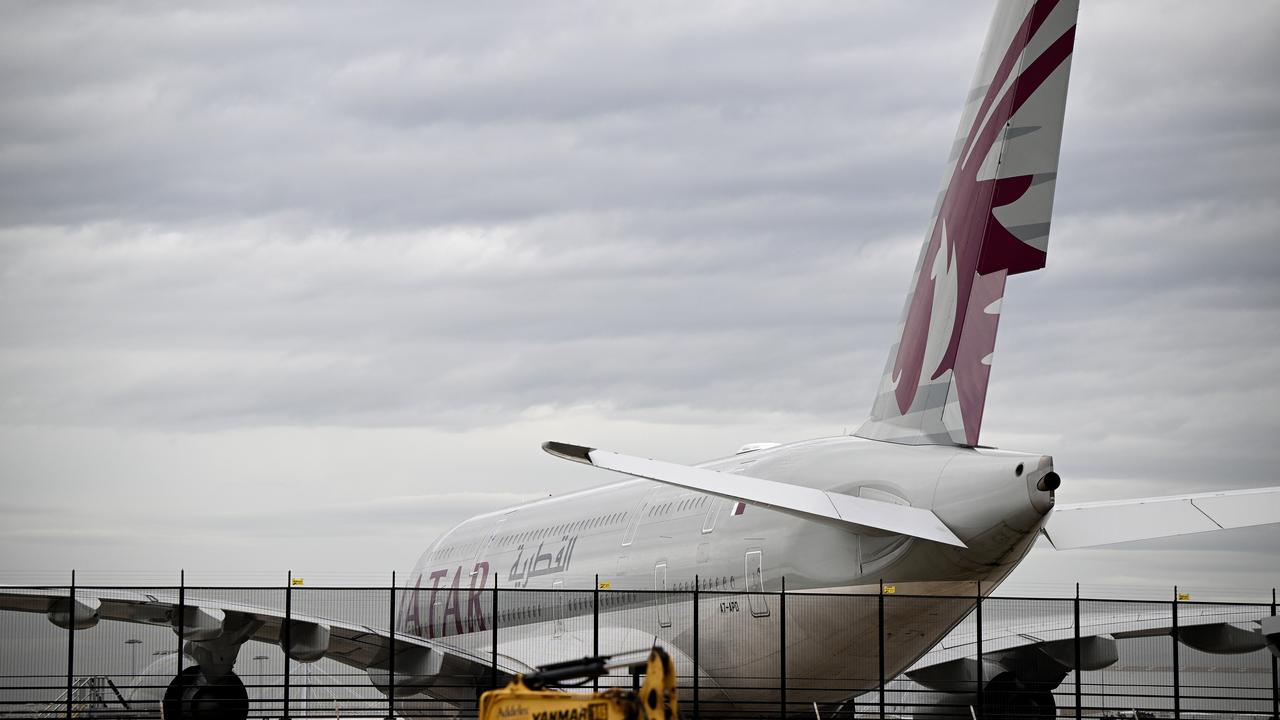
Foreign Minister Penny Wong said the impacts on major transport hubs such as Dubai, which have previously helped get Australians home during Middle East conflicts, were making the situation more challenging.
"The hubs being hit means the number of people affected has massively increased, and our capacity to help them has been massively reduced," she told a meeting of Labor MPs on Tuesday morning.
"Iran has now hit out against nine countries. It is a very widespread and aggressive response."
Government officials are considering contingency plans to evacuate Australians, but are urging stranded travellers to seek commercial options first.
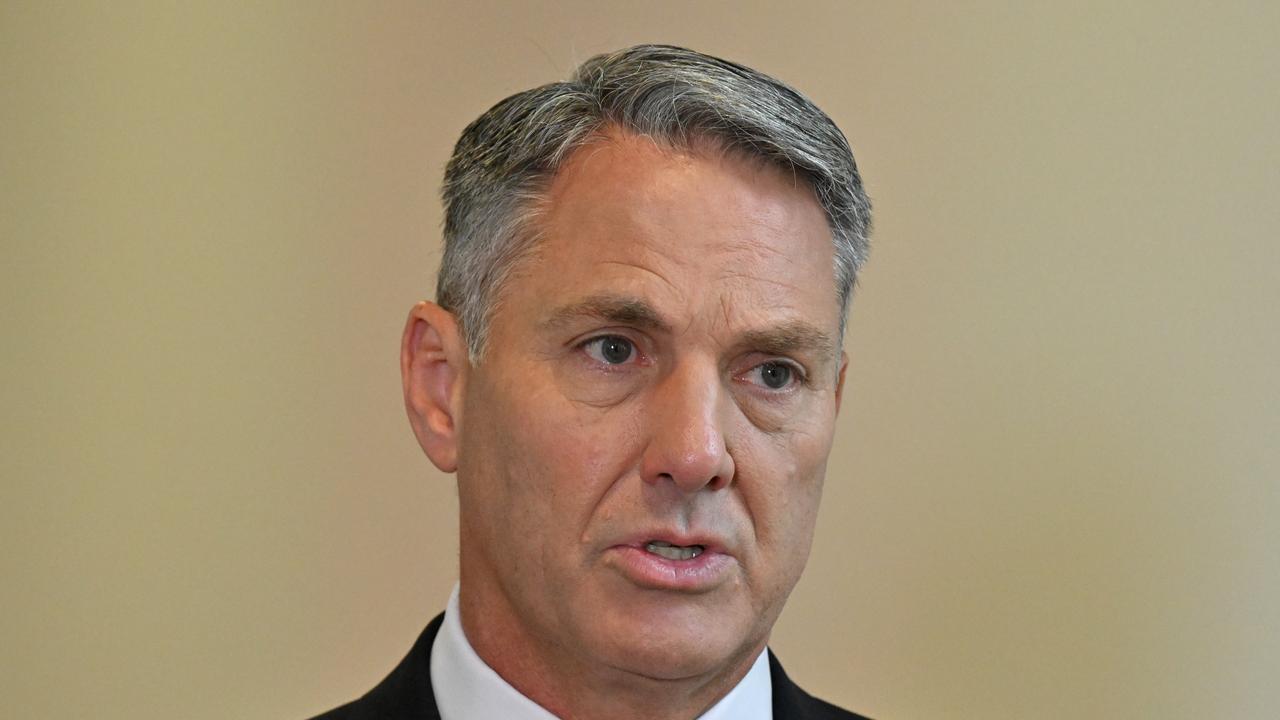
"We're preparing for these circumstances," Defence Minister Richard Marles told reporters in Canberra.
"The most significant limitation on being able to do anything is the restriction of airspace. And when airspace continues to open up, our expectation is that the quickest flights that will resume will be commercial options."
About 115,000 Australians are believed to be in the Middle East.
Insurers are extending the terms of their travel policies so travellers are still covered even if their trip lasts longer than expected.

But most travel insurance policies do not cover war and conflict, meaning tourists who have been able to escape the Middle East have often had to shell out thousands for flights out of the region.
Opposition home affairs spokesman Jonno Duniam urged the government to do more to help Australians return home.
"If there needs to be other means of repatriating Australians to Australia out of that area, including military aircraft, then so be it," he told reporters in Canberra.
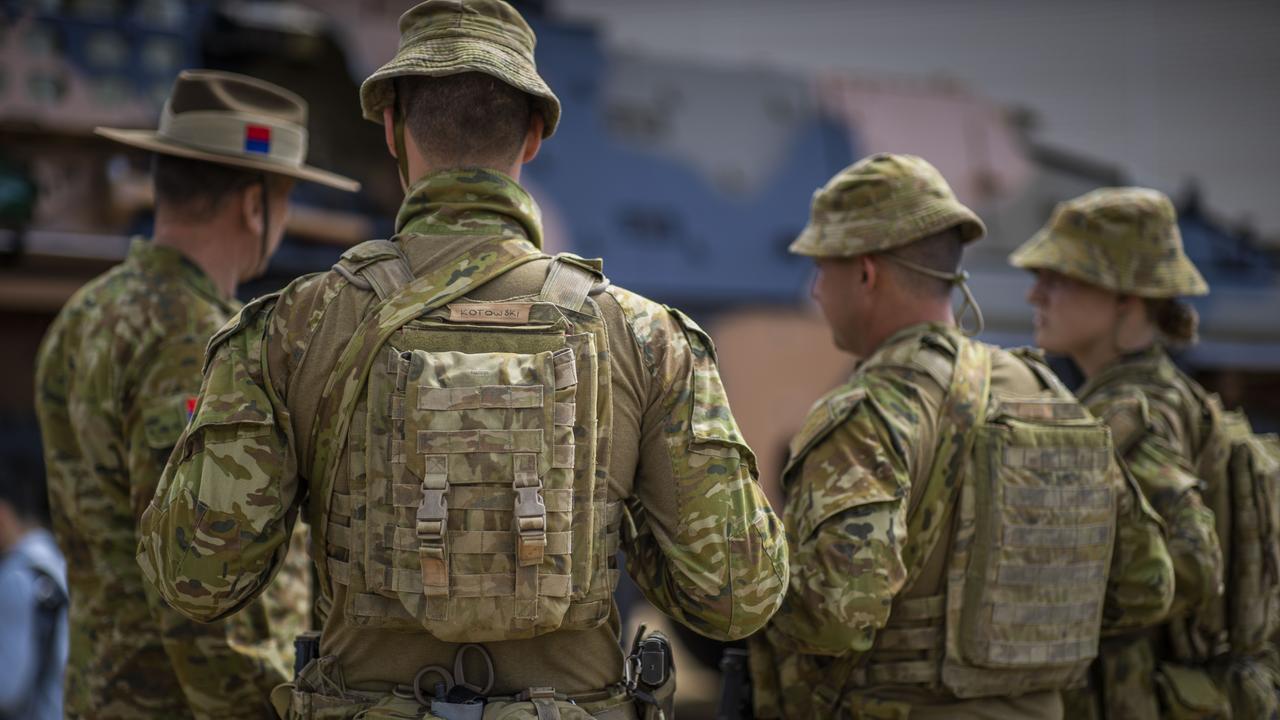
The government confirmed Australian personnel at an air base in the United Arab Emirates were unharmed after the site was hit by an Iranian drone strike.
Among the areas targeted by Iran at the weekend was the Al Minhad air base near Dubai, which is a logistics hub for the Australian Defence Force.
Mr Marles said all Australian troops were safe and none were injured in the strike.
"We have a number of Australians who operate from a headquarters that we've had at Al Minhad now for many, many years," he told Seven's Sunrise program.
"They are all accounted for, they are all safe. We've got north of 100 serving personnel actually across the Middle East in a range of countries, but most are in the UAE and that base is very important for us."

Australian travellers, such as Lucy Finter, are struggling to find ways out of the war-torn region.
Ms Finter left Sydney for London on Saturday and was "completely oblivious" of the growing war until she landed in Dubai for a stopover.
All flights were suddenly cancelled when she arrived at Dubai International Airport, which erupted into chaos and was damaged after being hit by strikes.
"No one knew what was going on, then we checked the news online and saw missiles had been fired and the airspace had been closed," the Australian woman told AAP.
Ms Finter and her partner, from the UK, both filled out repatriation forms from the British and Australian governments, but they were yet to hear anything further by Monday.