
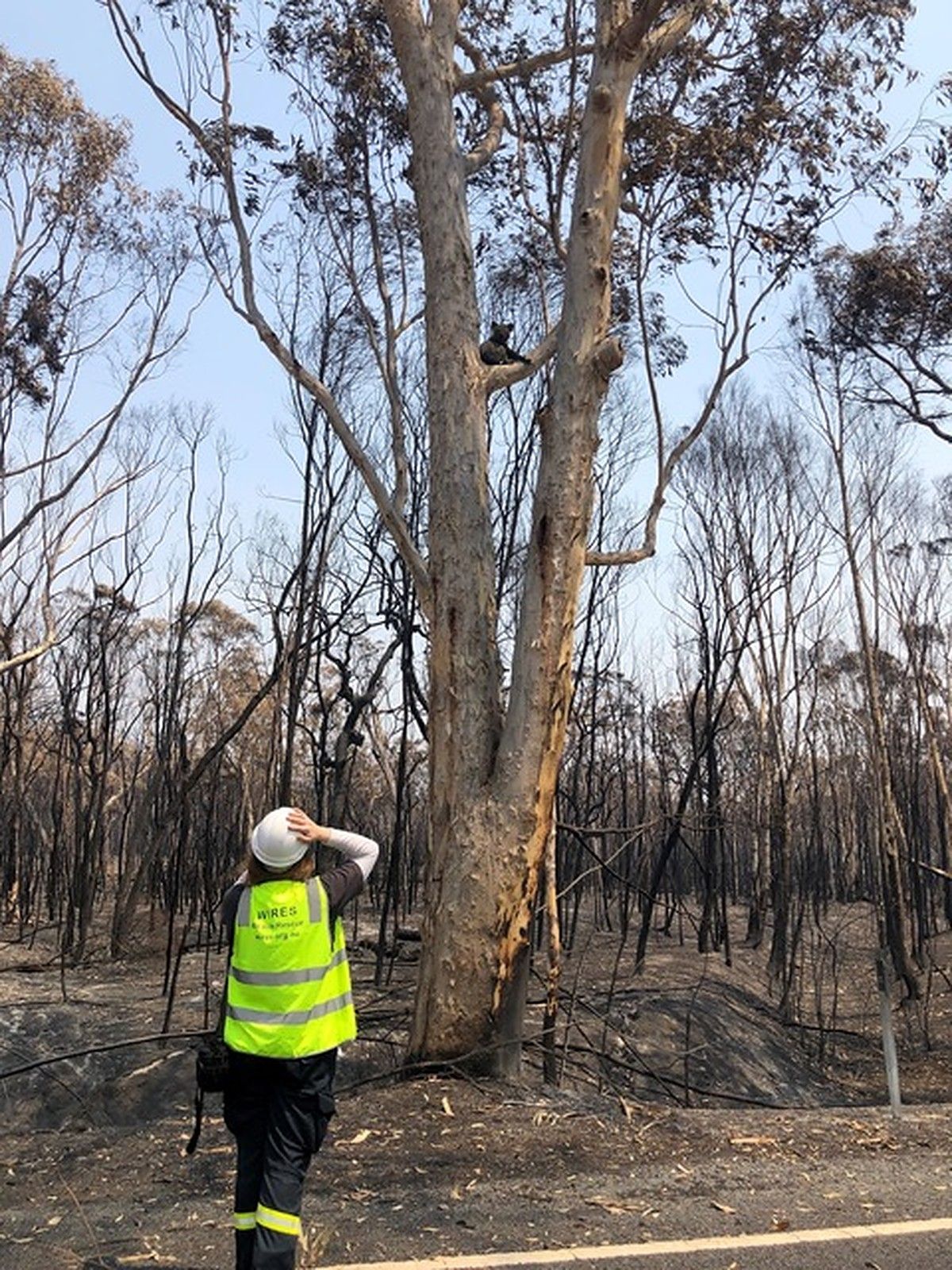
The bush has fallen silent on the New South Wales South Coast of Australia. Massive fires swept through over the new year and pockets remain. Firefighters are still trying to contain blazes in some places. Elsewhere, the land is smoldering.
The impact: The deadly fires have caused "widespread devastation across the ecosystem," according to Kasey Harris, a volunteer with Wildlife Information, Rescue and Education Service (WIRES), an NSW charity.
- "It’s a really eerie experience," she told Axios on Jan. 20 from her team's temporary base outside of Batemans Bay, a popular tourist destination some 90 miles south of the nation's capital, Canberra. "You come to the Australian bush and you expect to hear birds and insects, and there is just none of that.
- "No animal has not been impacted by these catastrophic events. ... you drive five minutes from any location and you are in an area where there is no vegetation.
By the numbers: Since September, the bushfires have killed 33 people. Over 1 billion animals have died in blazes, including more than 800 million in NSW, per professor Chris Dickman, of the University of Sydney's faculty of science.
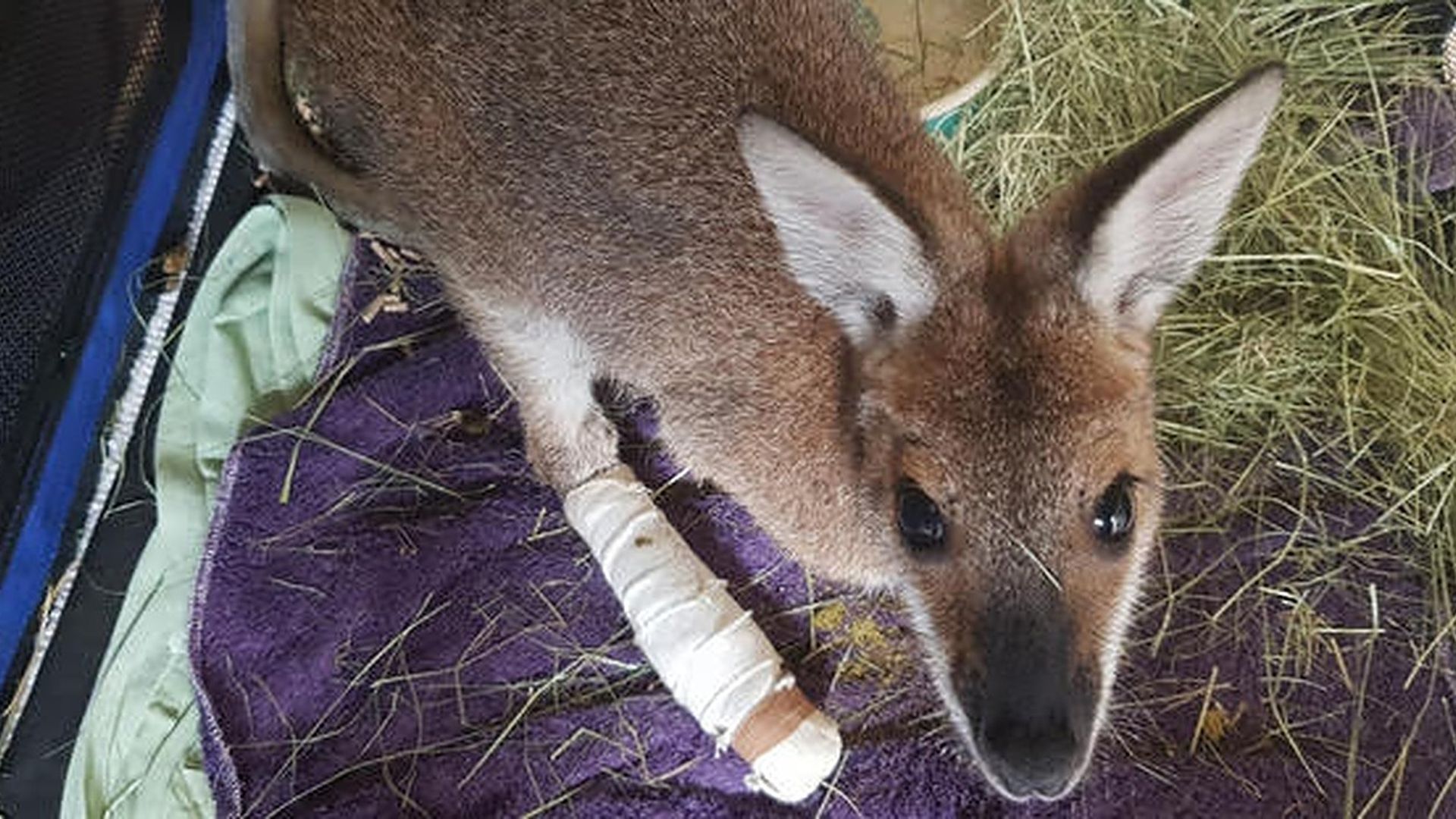
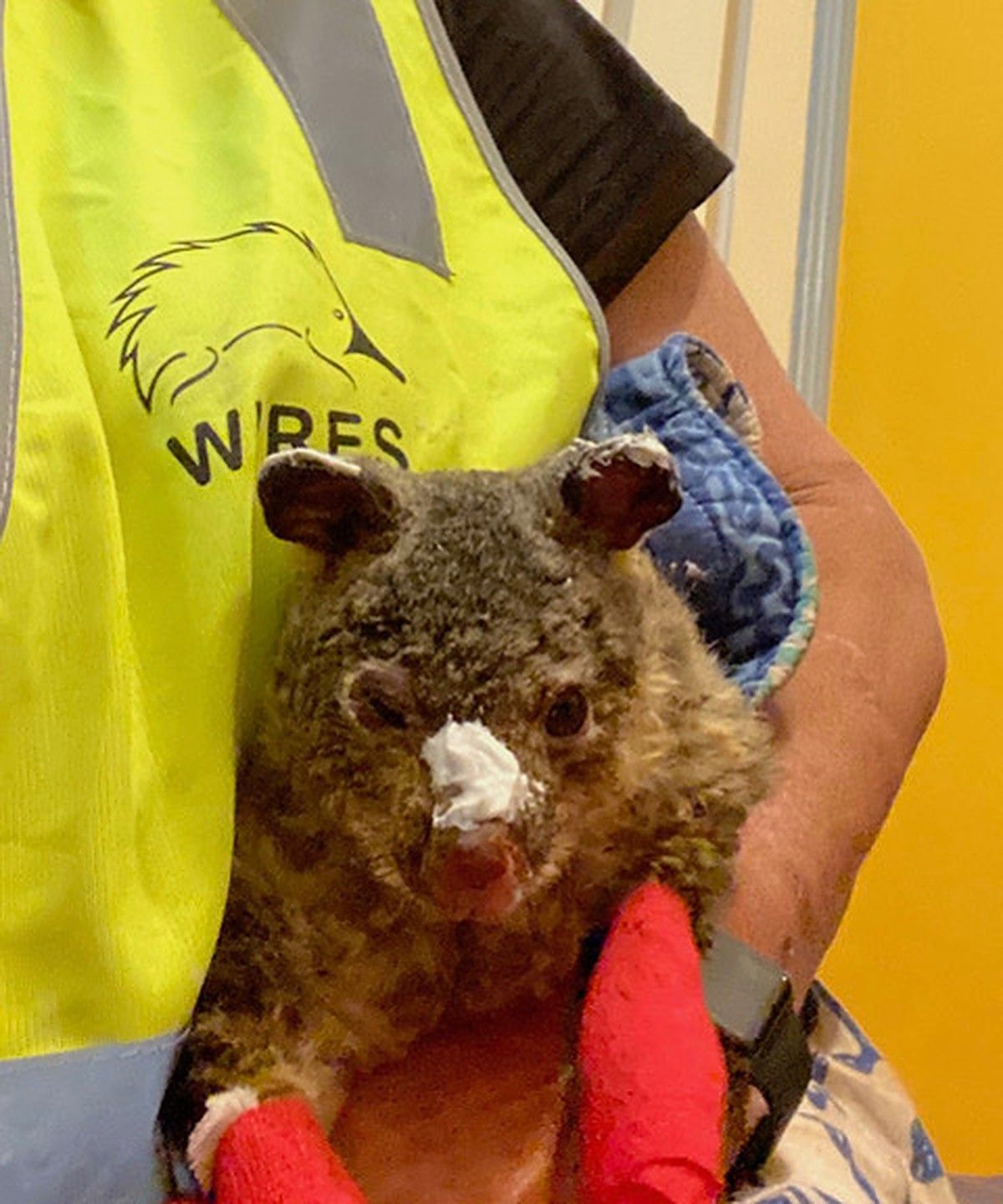
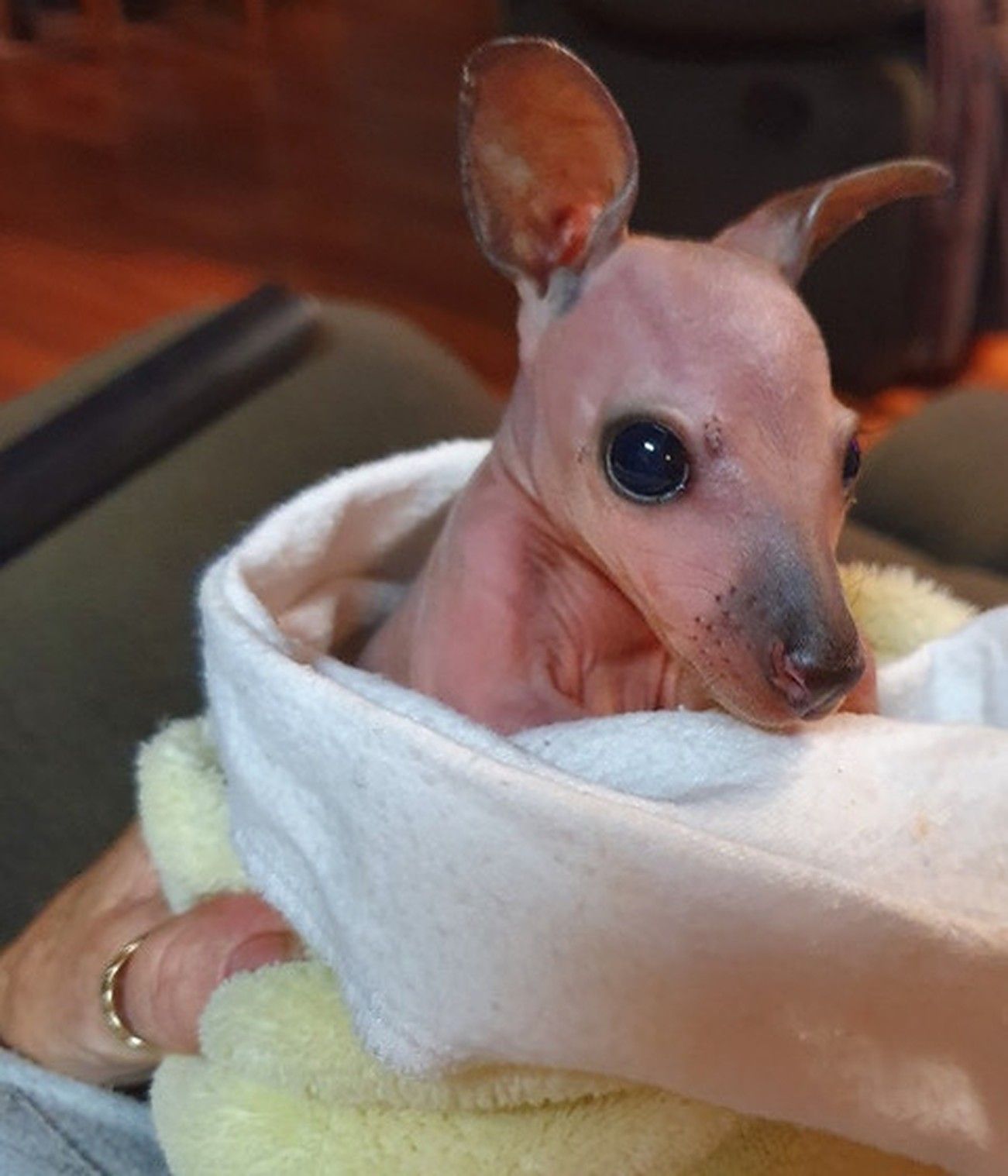
Call-outs: WIRES is primarily getting calls for kangaroos and wallabies on the South Coast. Others are for possums, echidnas, reptiles, birds and insects.
- "Everything’s been affected," Harris said. This fire season is "like nothing we’ve ever experienced before," she added.
- More personnel have been added to cope with demand. Over three weeks in January, the group received more than 472,000 device notifications via the xMatters platform, a Silicon Valley-based provider of incident management technology. It resulted in 2,415 successful rescues.
How it works: The alerts system enables WIRES to prioritize calls and contact teams trained in rescuing specific species, so the group can identify key areas and respond to rescues quicker.
- Phone lines are open 24/7 and volunteers generally receive alerts via a mobile app. For areas where phone reception is poor, alerts are sent over landlines or emailed to volunteers.
- Teams prioritize animals by identifying those most in need, such as the badly burned, before addressing lesser injuries. "All reports that come through to us are addressed," Harris stressed.
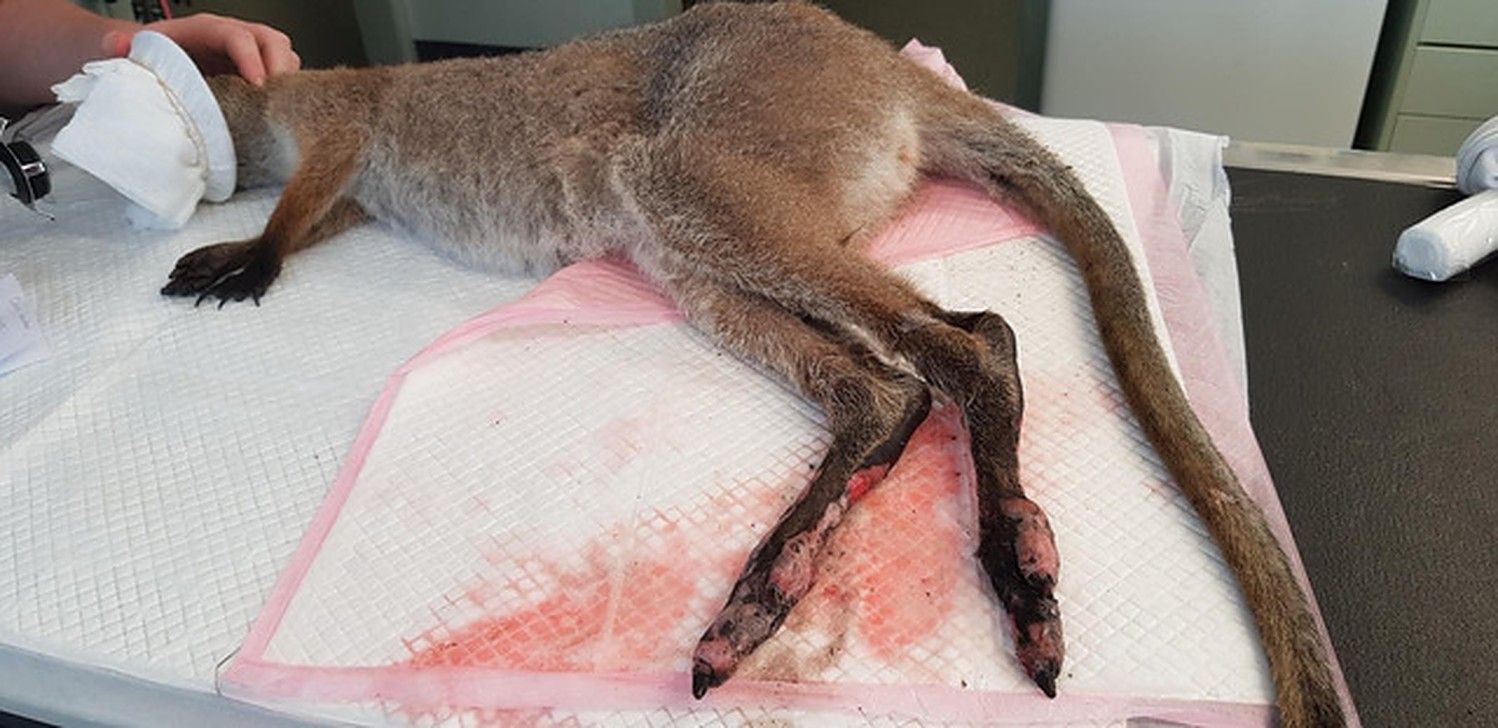
The injuries: Common wounds include burnt feet, claws and tails, particularly for kangaroos. WIRES has found many animals in deteriorated states, barely able to move.
Local assistance: Harris has been humbled by the hospitality of locals who've been left with "literally nothing" from the fires.
- "Their property is blackened and covered in ash and they still go back and report a kangaroo that’s been injured on their property," she said. "It’s incredible."
The operation: Harris and her team of four have been working with local volunteers on the South Coast since about Jan. 10.
- "We could be here for weeks or months yet to come, we’re not sure," she said. "But as long as animals are coming out, we’re going to be helping."
- There are some 2,5000 WIRES volunteers working across the state. They work closely with animal welfare groups in other states because "fires don't recognize borders."
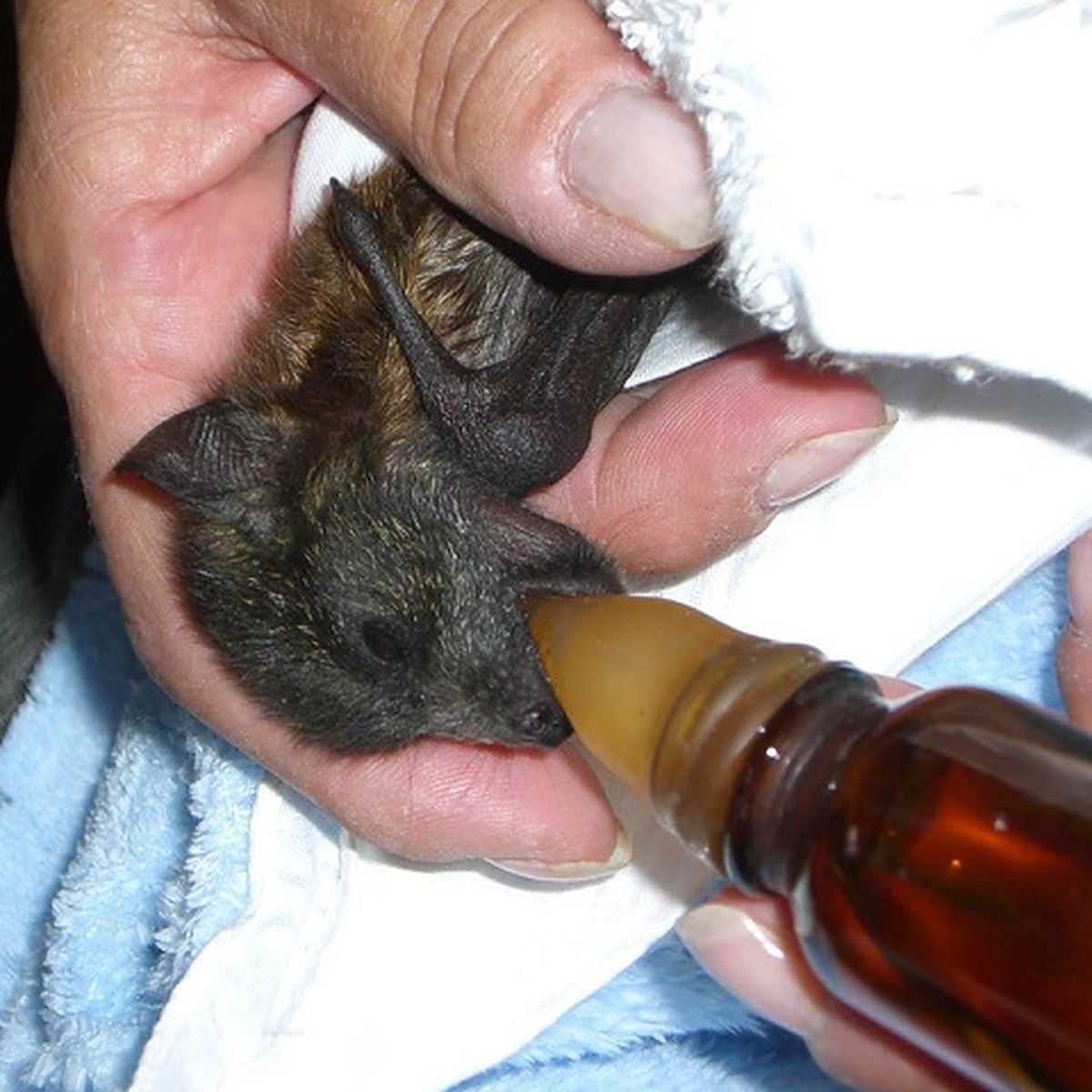
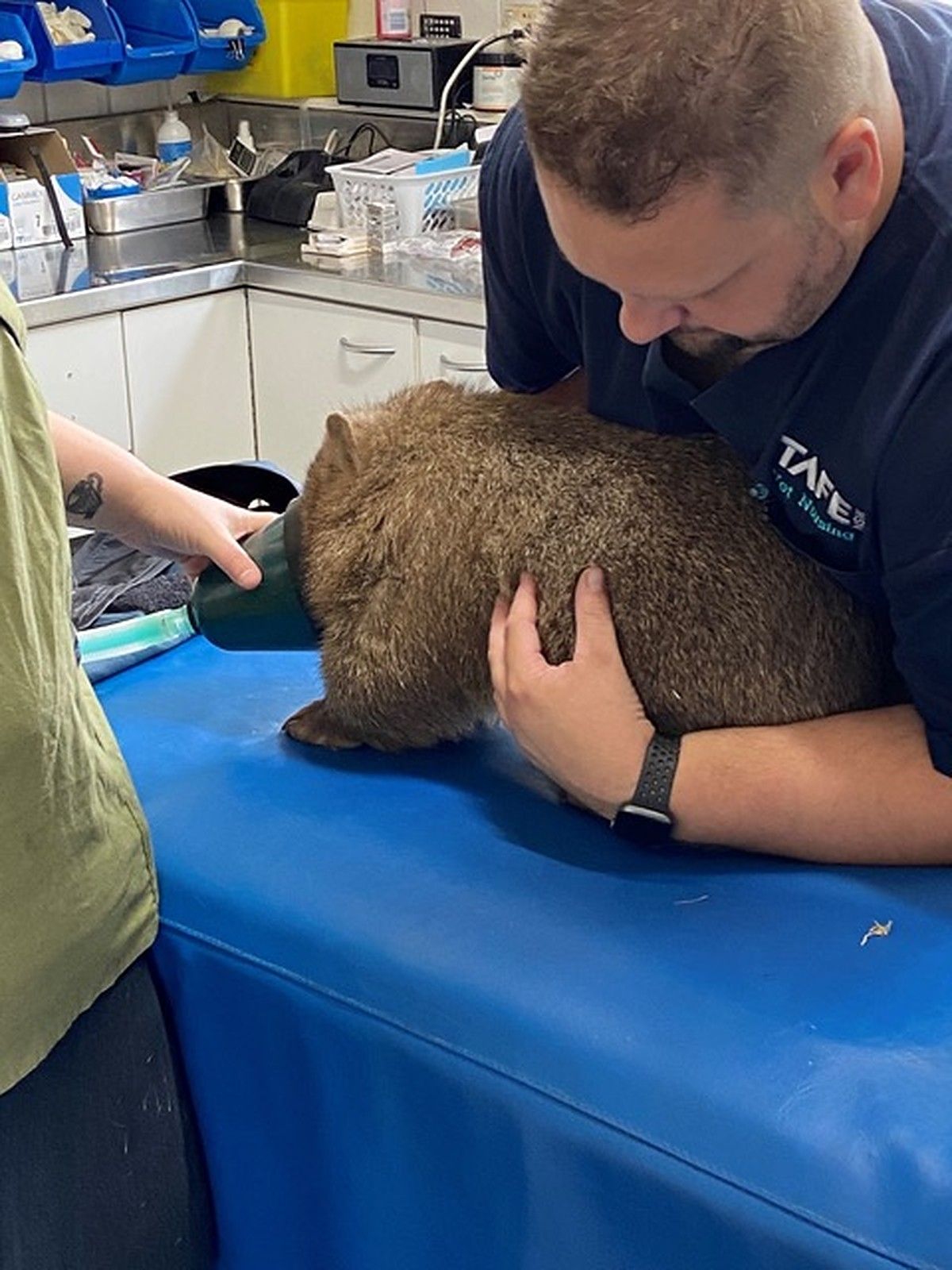
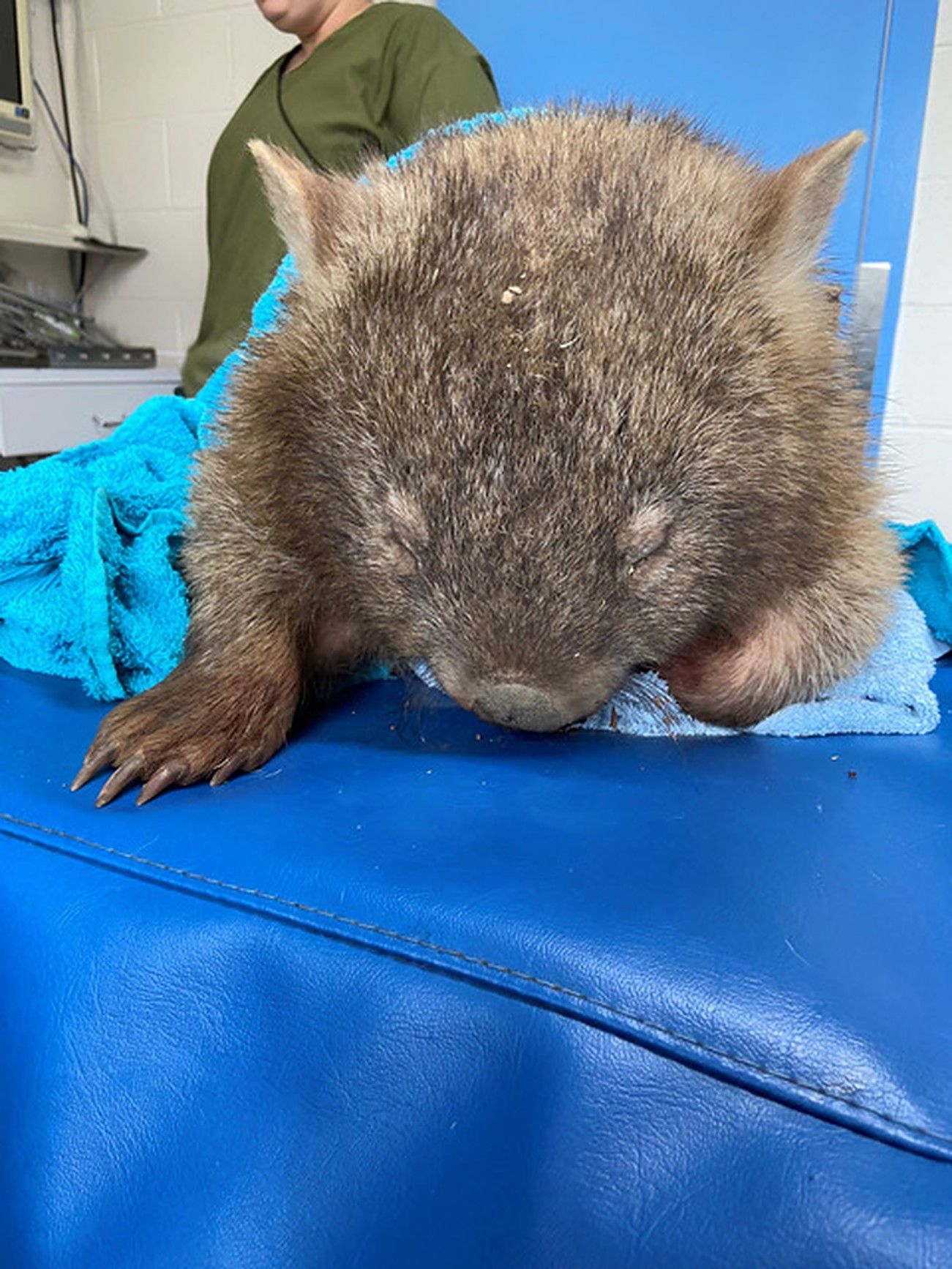
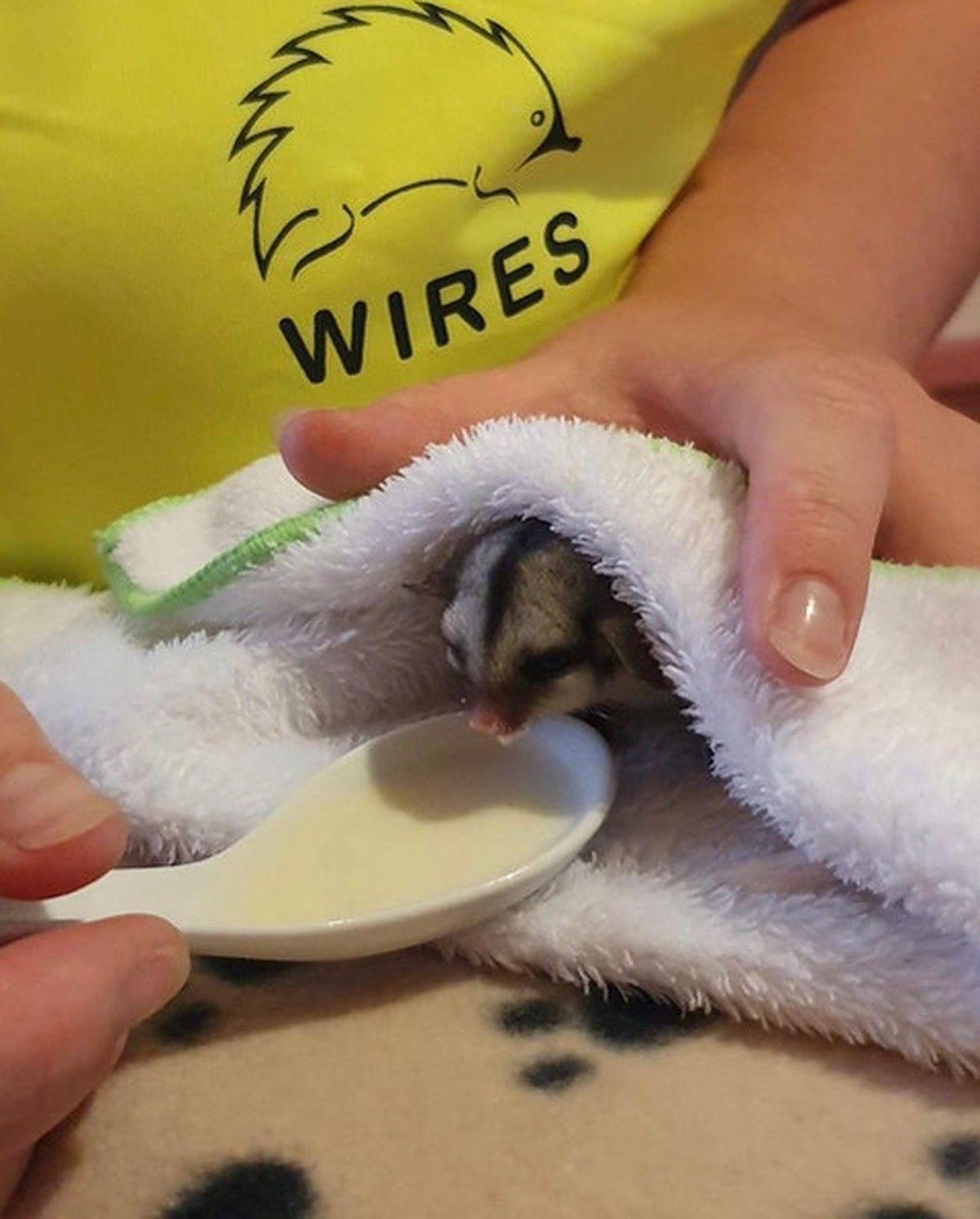
In photos: WIRES' work with injured animals
Go deeper: More than 1 billion animals believed dead in Australian wildfires