SYDNEY (Reuters) - A mentally ill indigenous prisoner in Australia who died after being restrained appeared to be pretending to struggle for breath as a "diversionary tactic" to avoid moving cells, a guard who helped hold him down told an inquest on Thursday.
Indigenous people are just 700,000 of Australia's population of 24 million, but form a disproportionate number of prisoners and rank near the bottom on economic and social indicators. In the Northern Territory, every child in detention is indigenous.
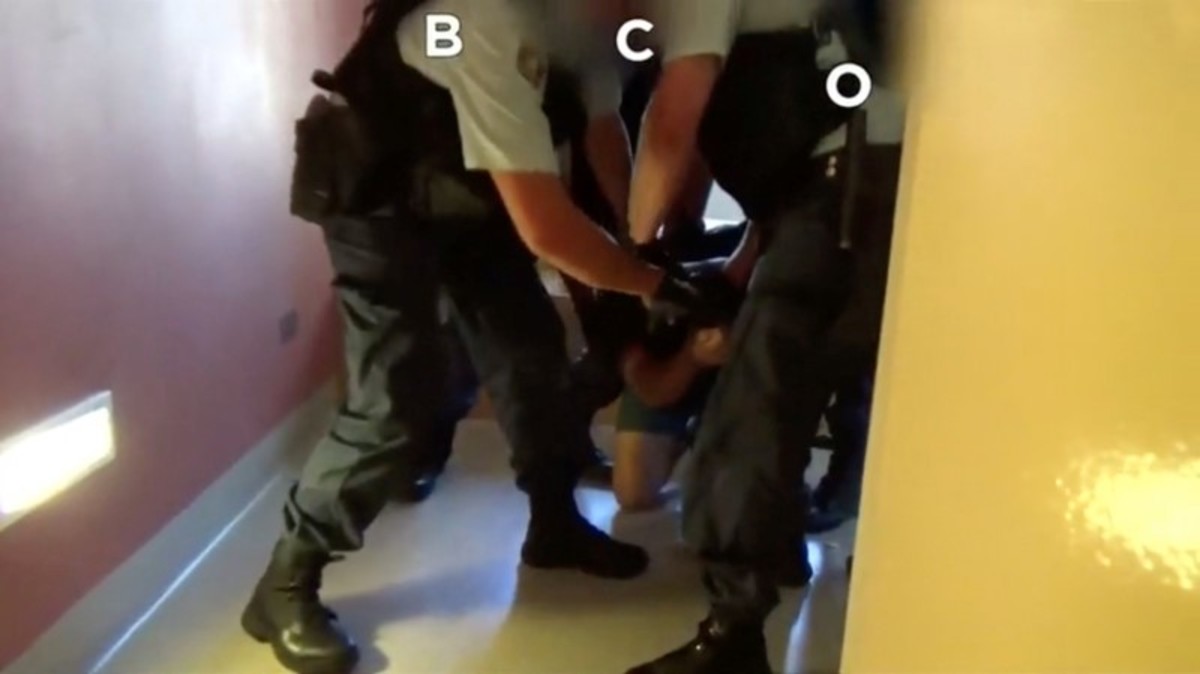
The guard, one of five who held down David Dungay Jr, 26, in his cell in 2015, said that despite having no medical training, he believed the prisoner's gasps amounted to hyperventilating and that he could keep the man conscious by making him speak.
"My father always said to me, 'Talk to me, if you're talking, you can breathe,'" the guard, identified only as Officer A, told the Sydney court holding the inquest into Dungay's death, referring to his own history of panic attacks.
The man's name was withheld after the coroner ruled that the guards involved in the incident could testify without being identified.
The guard had no training before the incident about asphyxiation risks when forcibly restraining prisoners, he said.
Dungay's death has received only modest attention in Australia, but it highlights concerns about the treatment of indigenous people in custody.
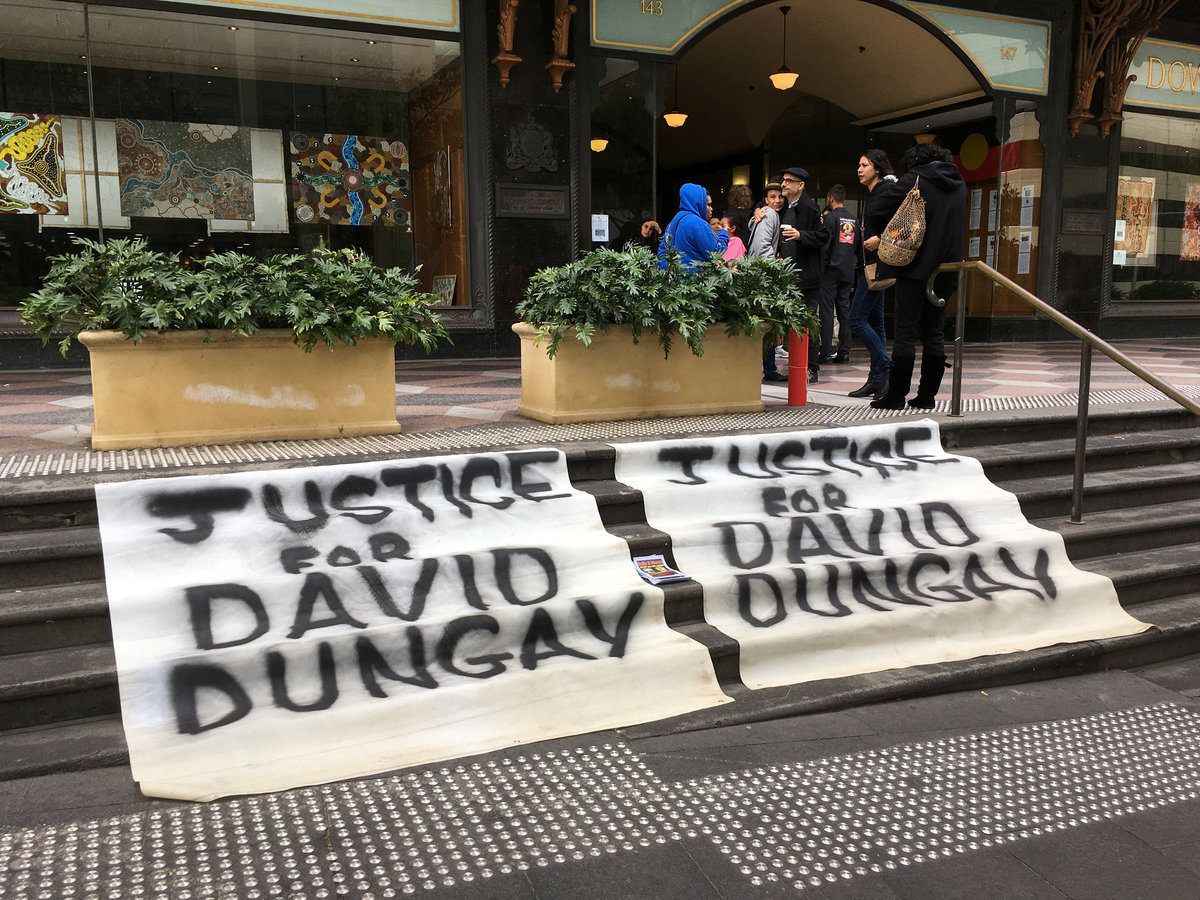
Supporters of Dungay's family and indigenous rights campaigners have circulated a graphic eight-minute video in which prison guards pin him down and drag him between cells before realising he has died.
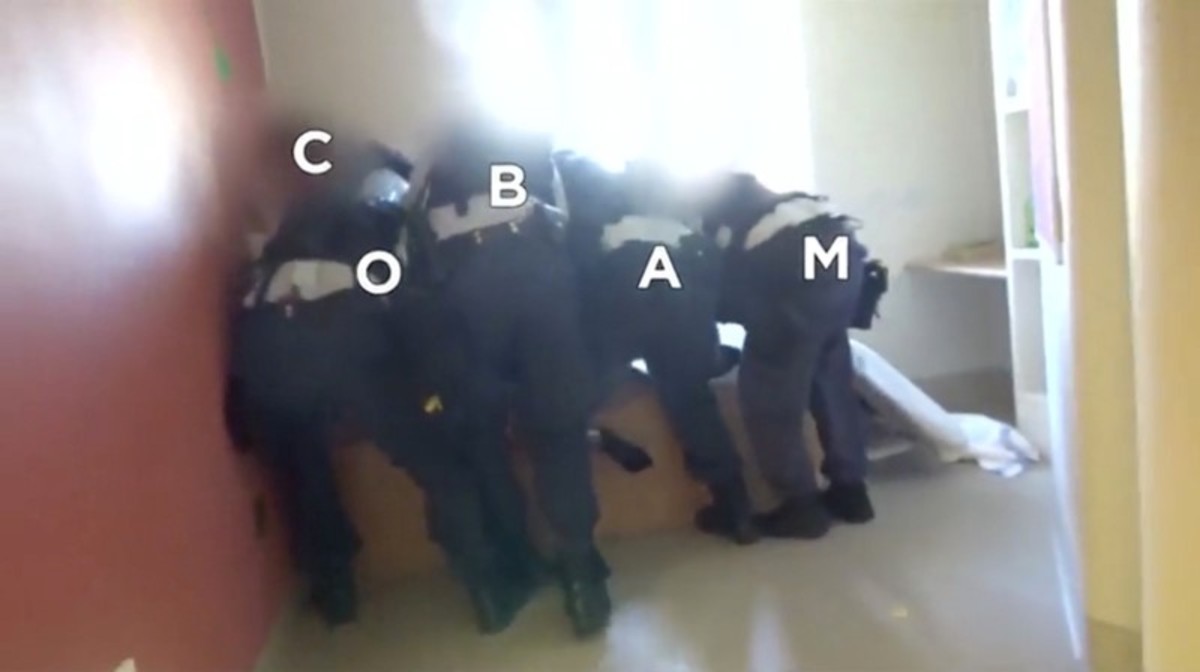
The video, made by prison staff, is also the main evidence at the inquest, where the coroner will rule on a formal cause of death and recommend further action, such as changes to regulations or criminal charges.
The guard testified that he was called to Dungay's cell in the jail's psychiatric unit after the confrontation with guards had begun. He was told Dungay was resisting being moved to a cell with camera surveillance, he added.
The guard, who still works at the prison, said he had since received training about managing inmates at risk of asphyxiation.
"Having the tools that I have now, it would have let me make a better informed decision," he added.
When the video was played, many of Dungay's supporters left the courtroom, but his mother stayed behind.
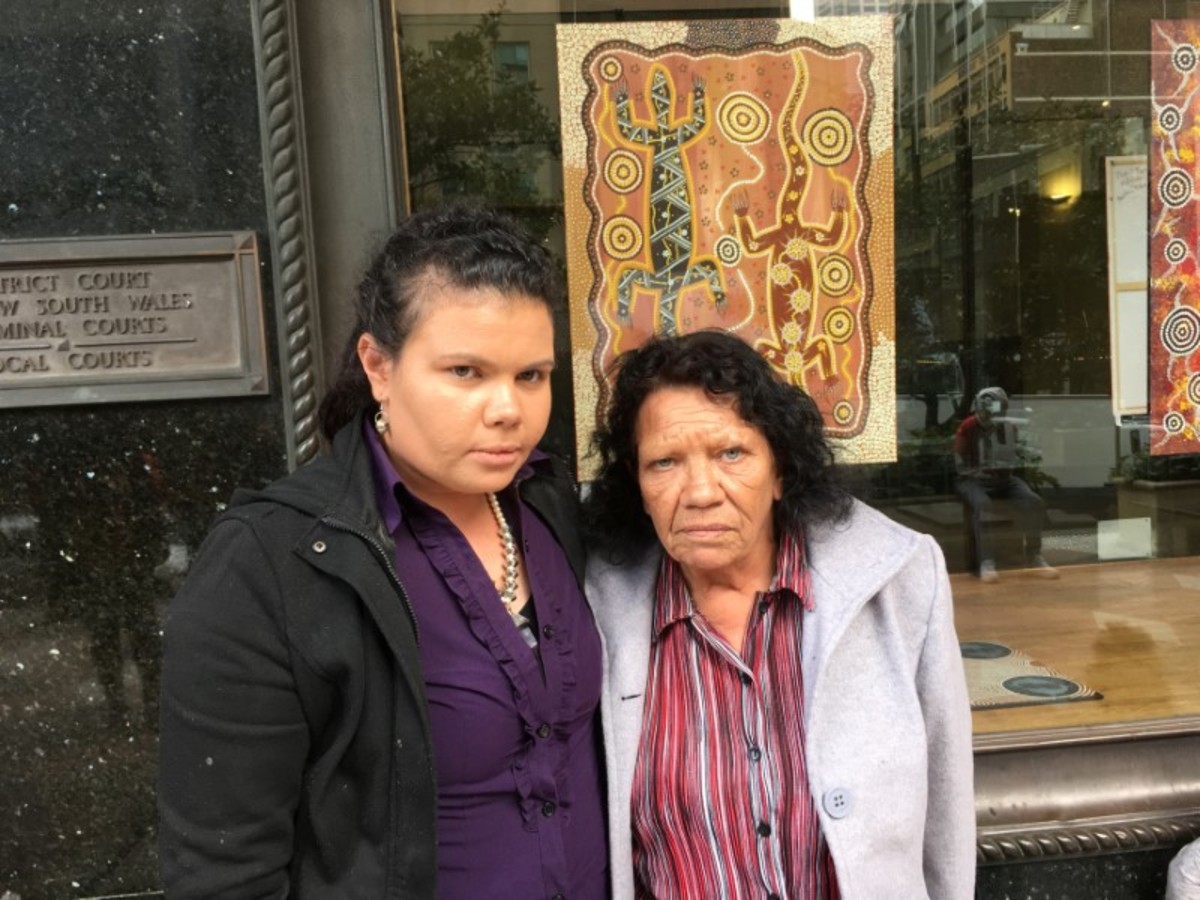
"It's agonising, but I'll take the pain to the end," Leetona Dungay told Reuters outside the courthouse.
"I'll look at the photos and make them look at those photos of what they've done wrong. I want accountability."
The inquest resumes on Friday.
(Reporting by Byron Kaye; Editing by Clarence Fernandez)