Jalapeño – the very word raises the corners of my mouth to a pleasant smile. It wasn’t always this way, in fact years ago I’d be asking for an extra napkin after eating a vindaloo, for the beads of sweat on my forehead. People change, our palates evolve and mine seems to have been drawn to jalapeño.
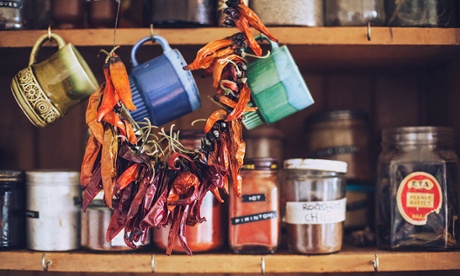
Maybe my taste buds are just worn out with age and require a bit of heat to get excited. What ever that case be, it’s jalapeño that I have affection for, so much so that I grow approximately 20kg of it every year. That’s a lot of chilli. I make many products with these little peppers, with much of it ending up in sauces like the fiery salsa picante, or the spicy harissa. I smoke them, which transforms jalapeño into chipotle, and ends up being added to cooking or turned into killer sauces. I also dry the jalapeño or roast it dry, then blitz it to make a hot chilli powder. It’s one less spice I need to buy.
In Australia there isn’t much variety in commercial chilli, which I reckon is a bit slack. The sheer variety in chilli is phenomenal, but it’s just not part of our culinary culture.
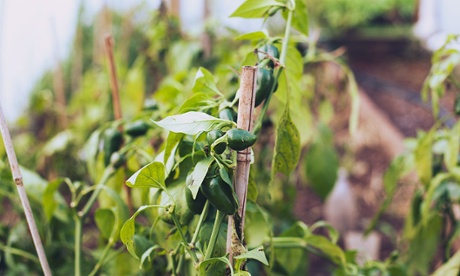
I have taken to a few other varieties like the birds eye, fire and habenaro, but it’s the ever reliable jalapeño that I keep returning to. For years I’ve experimented with differing varietals trying to find what matched the higher altitude, short summer climate. I was barking up the wrong tree with this experimentation. It wasn’t until a few summers ago when I built a poly tunnel was I able to successfully grow chillies.
A poly tunnel – also known as hothouse – is a steel frame covered in special grade plastic that is often used by commercial florists and veg growers to capture the sun’s rays and create a controlled warm environment.
Now, no longer did I have to be content with green chilli, for my poly tunnel extended the growing season a month either end of the summer growing period. The sunlight gets trapped in the plastic covered poly tunnel and heats up the soil and maintains a controlled growing environment without the need for a heater. As the days cool off the outside garden and soil cools too, and this would make growing a little harder for the chilli plants. But in the poly tunnel the warmth is trapped and the temperature remain consistent, replicating the environmental conditions used to grow chilli.
The system works so well that right in the middle of winter I still have a few plants with fresh chilli hanging from them. Not only can I enjoy the heat and tang of a bottle of salsa picante in the middle of winter, but I can now add thinly sliced jalapeño to dress my scrambled eggs in the morning.
In my previous life, if I desired jalapeño on my eggs during winter, I would have gone to a supermarket and bought them from the fresh produce section. These supermarket chilli’s would have been grown in a warm climate (well over a thousand kilometres away) and trucked to my local supermarket, or they would have been grown in a massive commercial hothouse, heated by a diesel generator adding yet more carbon emissions to our already challenged atmosphere. I know the plastic tunnel of mine is not perfect, or free of environmental impact, but it gives me many years of service and grows a large portion of our food which makes sense to me.
Over summer we get baskets of tomato, eggplant, zucchini, capsicum and all the chillies. In winter it houses broccoli, kale, peas, spinach, carrots ... you name it. Its functionality and reliability as a food producer is phenomenal. We end up knowing exactly what we’re eating and how it was grown.
The best feature of growing my jalapeño crop in my poly tunnel is that I always seem to have a little more crop than I need, which means the excess ends up as the ultimate bartering commodity. I’ve recently swapped a basket of my chilli for smoked ham hock, bacon, toulouse sausage and chorizo.
Spring isn’t really that far away, even though it did snow here last week. But give it a month of two and I’ll be found propagating another round of jalapeño seeds that will grow over the coming summer and bring us culinary joy all through next winter.