
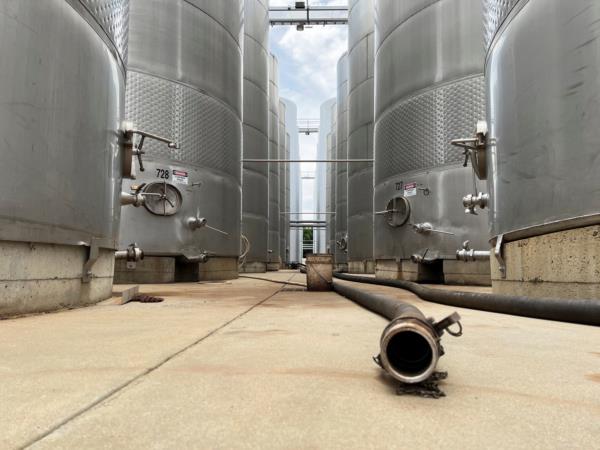
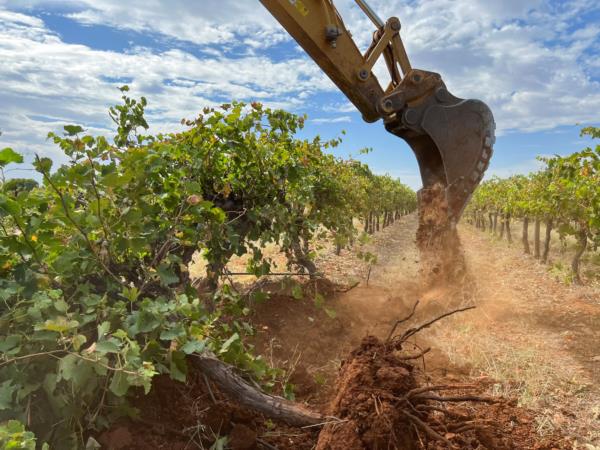
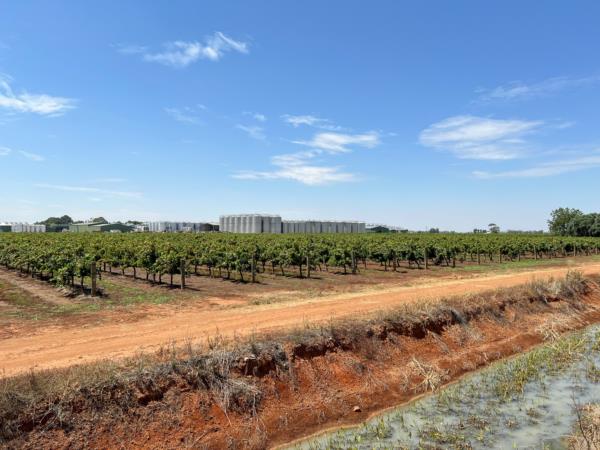
In response to a surplus of wine in Australia, farmers have made the difficult decision to rip out millions of vines across the country. This drastic measure comes as a result of an oversupply of grapes and wine, leading to a challenging market for Australian winemakers.
The wine industry in Australia has been facing significant challenges in recent years, with changing consumer preferences and increased competition from international markets. As a result, many winemakers have been struggling to sell their products and have been forced to lower prices to remain competitive.
By removing millions of vines, farmers hope to reduce the oversupply of grapes and wine in the market, which in turn may help stabilize prices and support the long-term sustainability of the industry. This decision, while difficult, is seen as a necessary step to address the current imbalance between supply and demand.

While the removal of vines may have short-term economic implications for farmers, many believe that it is a strategic move to ensure the future viability of the Australian wine industry. By focusing on quality over quantity, winemakers aim to regain their competitive edge in the global market and maintain Australia's reputation as a top wine-producing country.
Despite the challenges faced by the industry, there is optimism that these measures will lead to a more sustainable and prosperous future for Australian winemakers. The resilience and adaptability of farmers in responding to market dynamics demonstrate their commitment to preserving the rich tradition of winemaking in Australia.