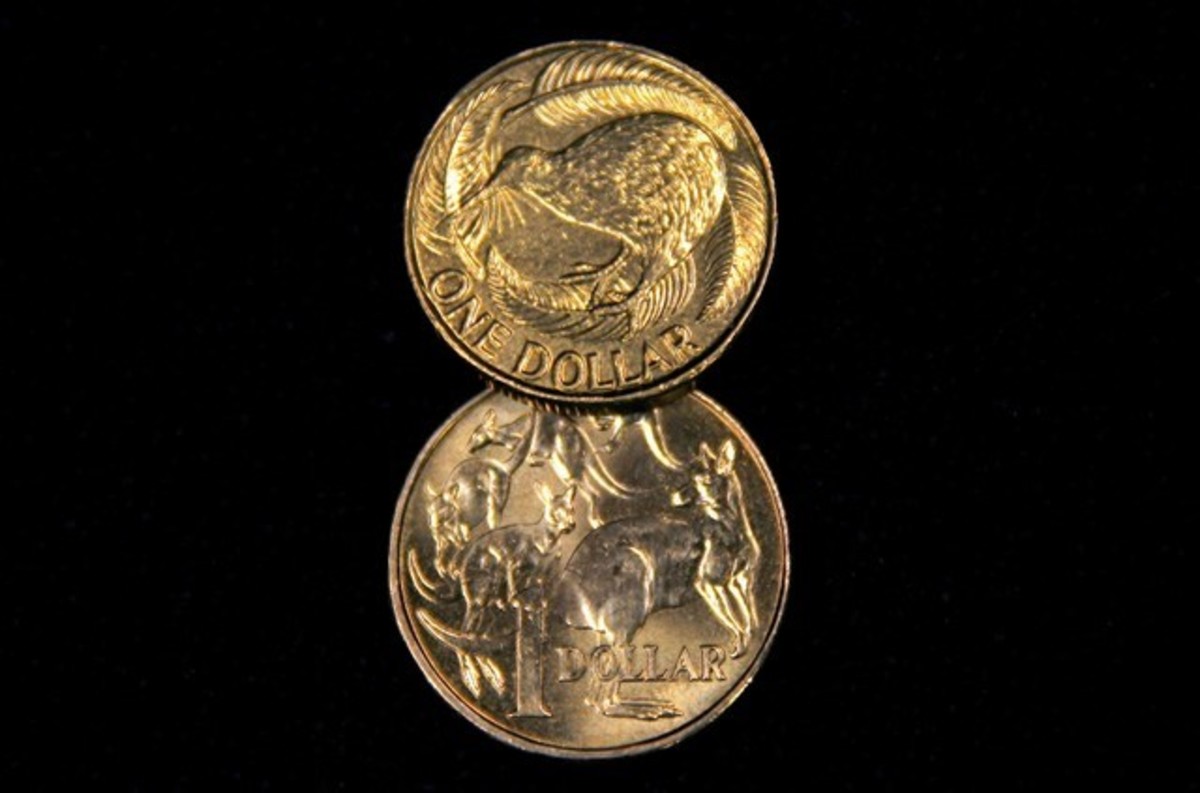
SYDNEY/WELLINGTON (Reuters) - The Australian dollar on Friday inched closer to a recent 2-1/2 year trough as weak July housing loans sparked fears of a further slowdown in the once-booming property market, while New Zealand's currency also ticked lower.
The Australian dollar <AUD=D4> fell 0.6 percent to $0.7157, just above Wednesday's $0.7145 - the lowest since March 2016.
So far this week, the Aussie is down 0.5 percent, piling on losses from the previous one when it faltered 1.8 percent.
Friday's losses came after official figures showed home loans slipped again in July. Lending to investors in properly declined for the fifth straight month, hitting a five-year trough.
While the headline number was a small 0.4 percent monthly rise, when refinancing of loans was excluded, there was a 0.8 percent fall. Apartment construction activity dropped to a six-year low.
"The impact of tighter credit is still playing out," ANZ senior economist Daniel Gradwell said in a note, referring to stricter regulations over the past two years that forced Australian banks to slow lending to property investors.
"And recent out-of-cycle mortgage rate increases will also weigh on credit growth," Gradwell added.
Australia's No.2 lender Westpac Banking Corp <WBC.AX> jacked up its mortgage rates by 14 basis points last week, citing higher wholesale funding costs. The move prompted rivals ANZ Banking Group <ANZ.AX> and Commonwealth Bank <CBA.AX> to follow suit.
The rate rises have caused many in the market to wager the central bank will keep its benchmark cash rate at a record low 1.50 percent for a long while in the face of a de facto tightening. The Reserve Bank of Australia (RBA) has held the rate since a cut in August 2016.
Across the Tasman Sea, the New Zealand dollar <NZD=D4> slipped 0.3 percent to $0.6570, barely above a recent 2-1/2 year low of $0.6530.
The currency was on track fall 0.8 percent on the week. This would be its second consecutive weekly loss as global trade tensions weighed on commodity-linked currencies and posed a risk for the export-dependent New Zealand economy.
"It's not a kiwi-friendly environment out there," Sharon Zollner, chief economist at ANZ Bank said in a research note.
New Zealand government bonds <0#NZTSY=> gained, sending yields about 1 basis points lower at the long end of the curve.
Australian government bond futures gained, with the three-year bond contract <YTTc1> and the 10-year contract <YTCc1> up 2 ticks each at 98.005 and 97.4550 respectively.
(Editing by Richard Borsuk)


.jpg?w=600)