SYDNEY (Reuters) - Australia's central bank has become more confident about the economic outlook in recent months, but weakness in consumer spending remains a "significant risk" amid slow income growth and high debt levels.
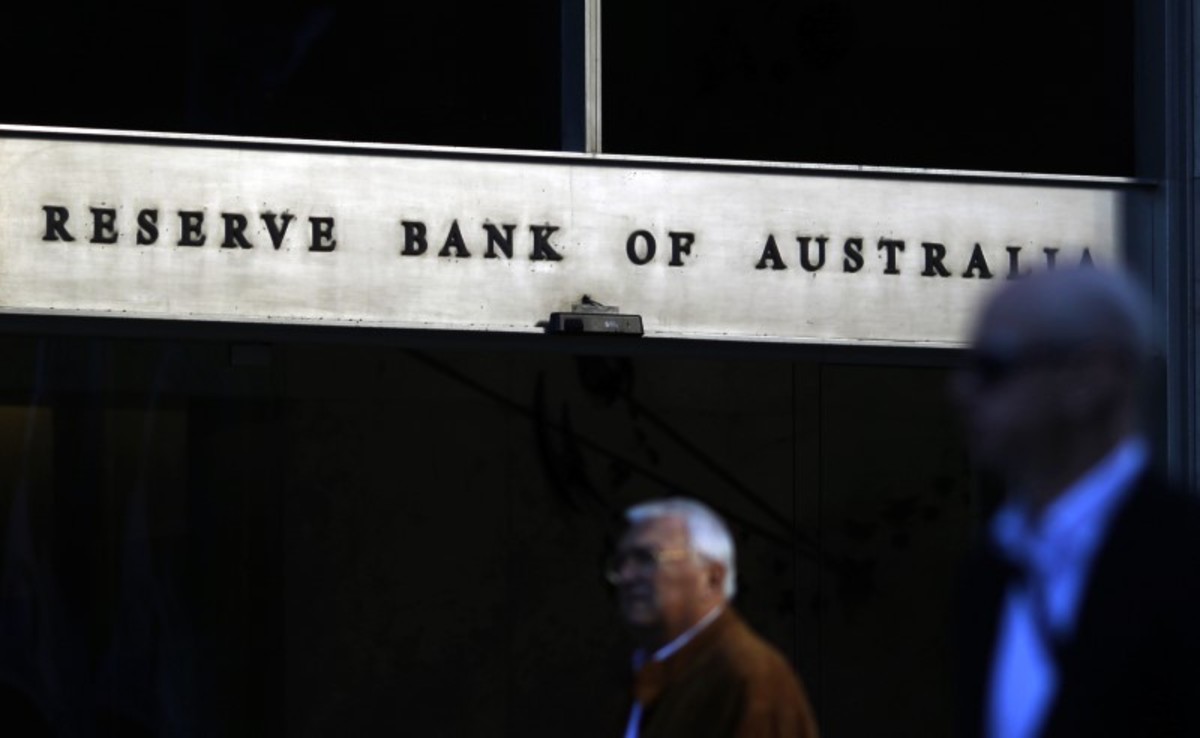
Minutes of the Reserve Bank of Australia's (RBA) December meeting showed policy makers again balanced subdued inflation against record high household debt while leaving interest rates at 1.50 percent for almost 1-1/2 years.
That is the longest spell of stable rates since mid-1990s.
"Over the prior year or so, the unemployment rate had fallen and inflation had moved closer to target," Tuesday's minutes showed. "Recent data had increased confidence there would be further progress on these fronts."
However, it also noted household consumption had been weighed by slow wages growth, something of a global phenomenon.
"How far and when stronger conditions in the economy and labour market might feed through into higher wage growth and inflation remained important considerations shaping the outlook."
The RBA has spent more than seven years now without raising interest rates, the longest span since the official cash rate was introduced in 1990.
Interbank futures suggest this period of record-low rates could be here to stay for at least another year. <0#YIB:>
Policy makers got some encouraging signs in the days following the Dec. 5 meeting, with third quarter gross domestic product data showing the economy expanded at its fastest annual pace in over a year.
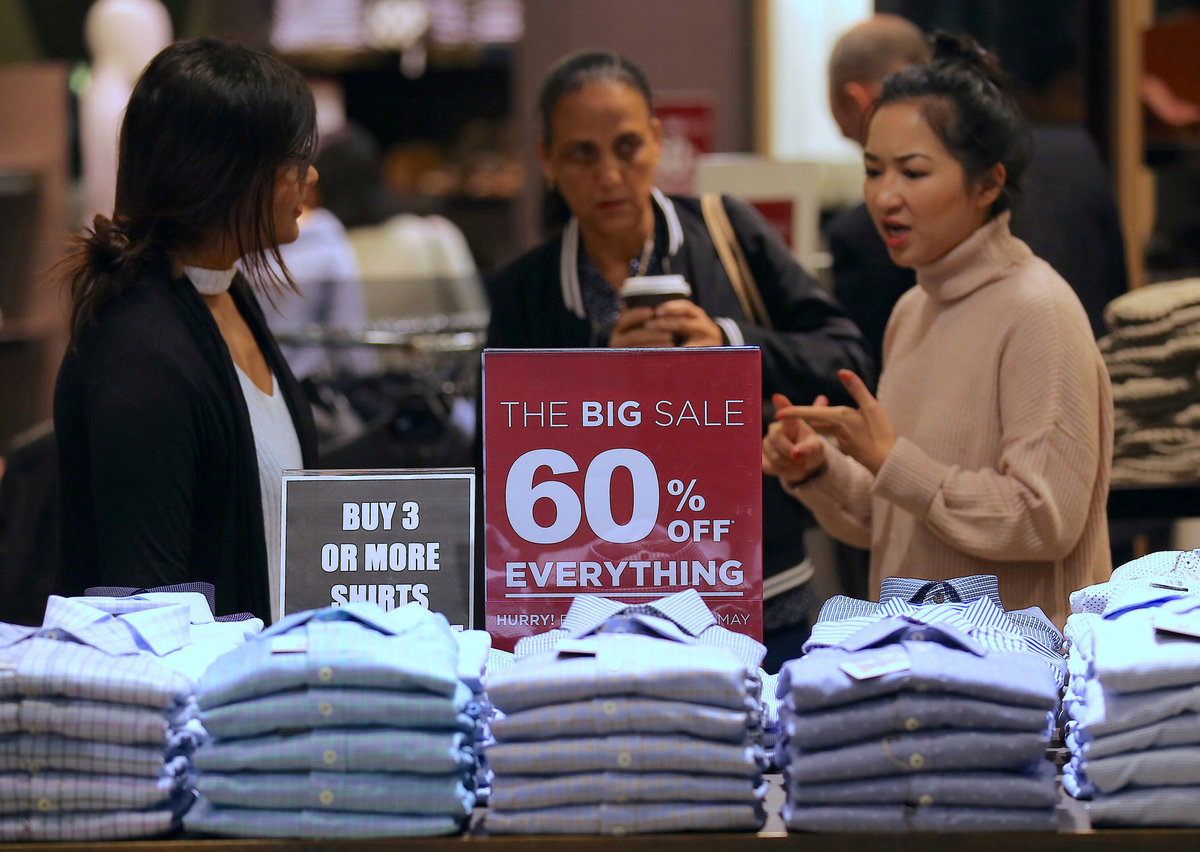
October retail sales also bounced after months of lukewarm activity in a promising sign for Christmas sales.
Data out last week showed employment surged past all expectations to notch up a 14th straight month of gains in November, the longest stretch of rises since the early 1990s.
In addition, government spending on public infrastructure had boosted non-mining business investment and was likely to support economic growth for some time.
"In these circumstances, spare capacity in the labour market was expected to be absorbed gradually and wage growth was expected to pick up over time," members noted.
Yet the recent run of better data was still not enough for policy makers to start considering a rate hike.
The RBA last month cut its forecasts for core inflation, which is now seen lurking under its long-term 2-3 target band for another two years.
Meanwhile, wages are growing at an annual pace of just 2 percent, sapping consumer spending power. Indeed, household consumption rose just 0.1 percent in the third quarter to post its smallest increase since 2008.
"The outlook for household consumption continued to be a significant risk, given that household incomes were growing slowly and debt levels were high," the bank warned.
(Reporting by Swati Pandey and Wayne Cole)