Australian farmers will be forced to sell their barley supplies to the domestic livestock industry or cheaper international markets after China effectively banned imports from Australia, farmers said on Wednesday.
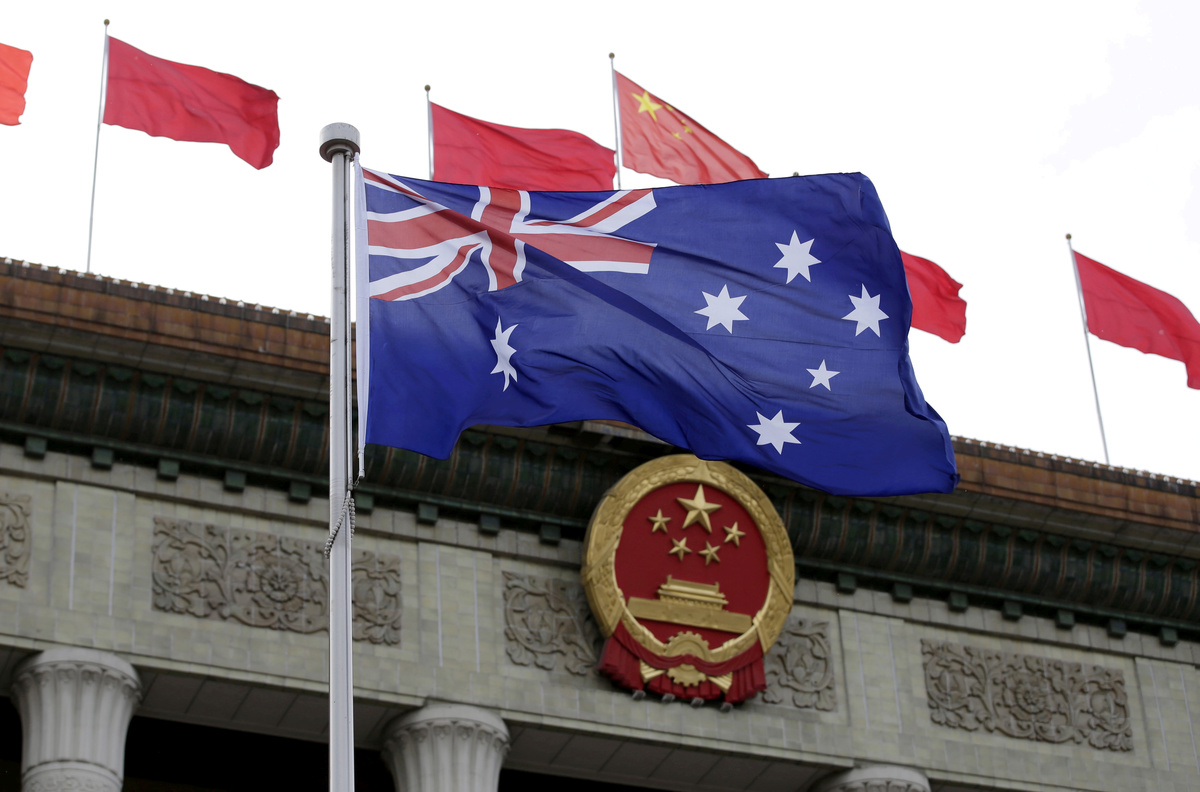
China late on Tuesday said it would ban barley imports from Australia's largest grain exporter, just weeks after it slapped a more than 80% tariff on shipments from Australia.
The ruling has seen Chinese processors shun other Australian sellers amid fears that Beijing could ban other grain handlers.
As a result, Australian farmers will now target a domestic market, where demand is unusually high after a recent three-year drought wilted large areas of pasture.
"The financial hit will be enormous but we can look at domestic livestock market which doesn't have much feed at hand after the drought," Andrew Weidemann, a grain grower in Victoria told Reuters.
"The big issue is next year. If the season continues, there will be pasture and so farmers like myself will have to switch to other crops."
China had until recently bought as much as 70% of Australia's barley exports. But with that market closed, Australian farmers will receive about A$50 ($36.8) a tonne less than what China would typically pay.
The disruption of Australia's barley market comes amid souring bilateral relations.
Already inflamed by Australia's allegations that China was meddling in its domestic affairs, relations worsened when Prime Minister Scott Morrison called for an independent inquiry into the origins of COVID-19.
China just weeks later slapped on the tariff, while last month, China said it would investigate whether Australian wine was being dumped into its largest buyer, a review that has since been expanded to include possible subsidies.
Australia denies both allegations.
($1 = 1.3594 Australian dollars)
(Reporting by Colin Packham, editing by Louise Heavens)