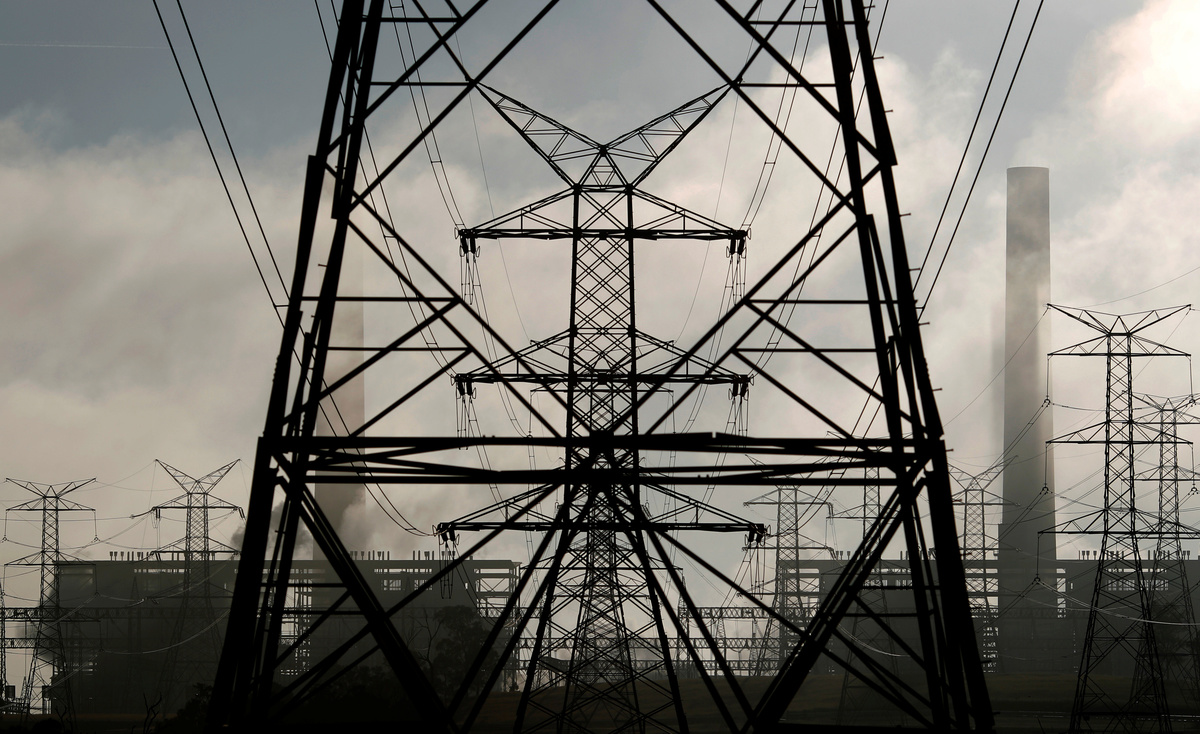
MELBOURNE (Reuters) - Australia is on track to meet its carbon emissions target under the Paris Climate accord well before 2030, thanks to increasing growth in wind and solar power, a study has found, contradicting a report last month calling for sharper emissions cuts.
With several big wind and solar farms opening over the past year and rapidly growing installation of rooftop solar panels, Australia is adopting renewable energy faster per capita than the rest of the world, said a study published by Australian National University (ANU) researchers on Friday.
The pipeline of new wind and solar systems is averaging about 6.3 gigawatts (GW) a year, the study showed.
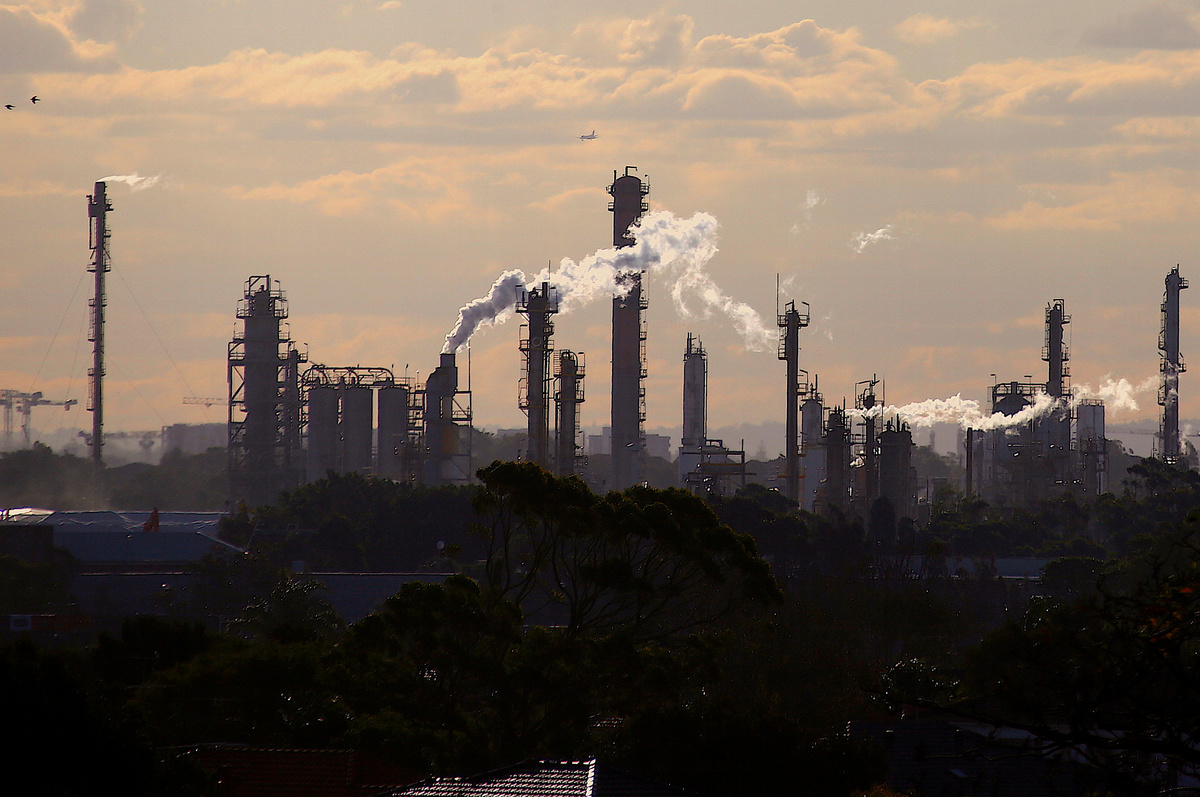
Based on the new renewable energy that has started in Australia since last June and is expected over the next few years, emissions will drop sharply from the power sector, offsetting possible increases from other sectors, such as transport and farms, the ANU researchers calculated.
Each extra gigawatt of renewables displaces about 2 million tonnes of carbon dioxide (CO2) equivalent emissions from coal-fired power, the study said, implying Australia's pipeline of renewables would cut emissions by about 12 million to 13 million tonnes of CO2 equivalent a year.
Assuming other sectors' emissions grow by 2 million tonnes of CO2 equivalent a year, the net reduction would be about 10 million to 11 million tonnes a year, which would put Australia on track to meet its Paris target before 2030.
"By this time next year it'll be quite obvious to everybody that something really surprising has happened in the greenhouse accounts," said the study's lead researcher, Andrew Blakers, an engineering professor.
The additional Australian renewables equate to 250 watts per person a year, compared with about 50 watts per person for the European Union, Japan, China and the United States, the study said.
"Australia is far and away the renewable energy superstar in terms of annual per capita deployment," Blakers said.
The study, based on data from Australia's Clean Energy Regulator, was not commissioned by anyone, he said.
To meet Australia's Paris Climate accord commitment to cut carbon emissions by 26 percent to 28 percent from 2005 levels by 2030, emissions would have to fall to between 430 million and 442 million tonnes of CO2 equivalent.
As of the end of 2017, emissions had risen to 553.7 million tonnes of CO2 equivalent, according to data from Australia's National Greenhouse Gas Inventory.
Extrapolating from that figure, the Organisation of Economic Cooperation and Development said last month Australia needed to cut emissions more sharply to meet its Paris target as the country remained heavily dependent on coal-fired power.
(Reporting by Sonali Paul; editing by Christian Schmollinger)