
SYDNEY (Reuters) - Britain and Australia urged China on Thursday to do more to persuade North Korea to drop its nuclear and missile programmes.
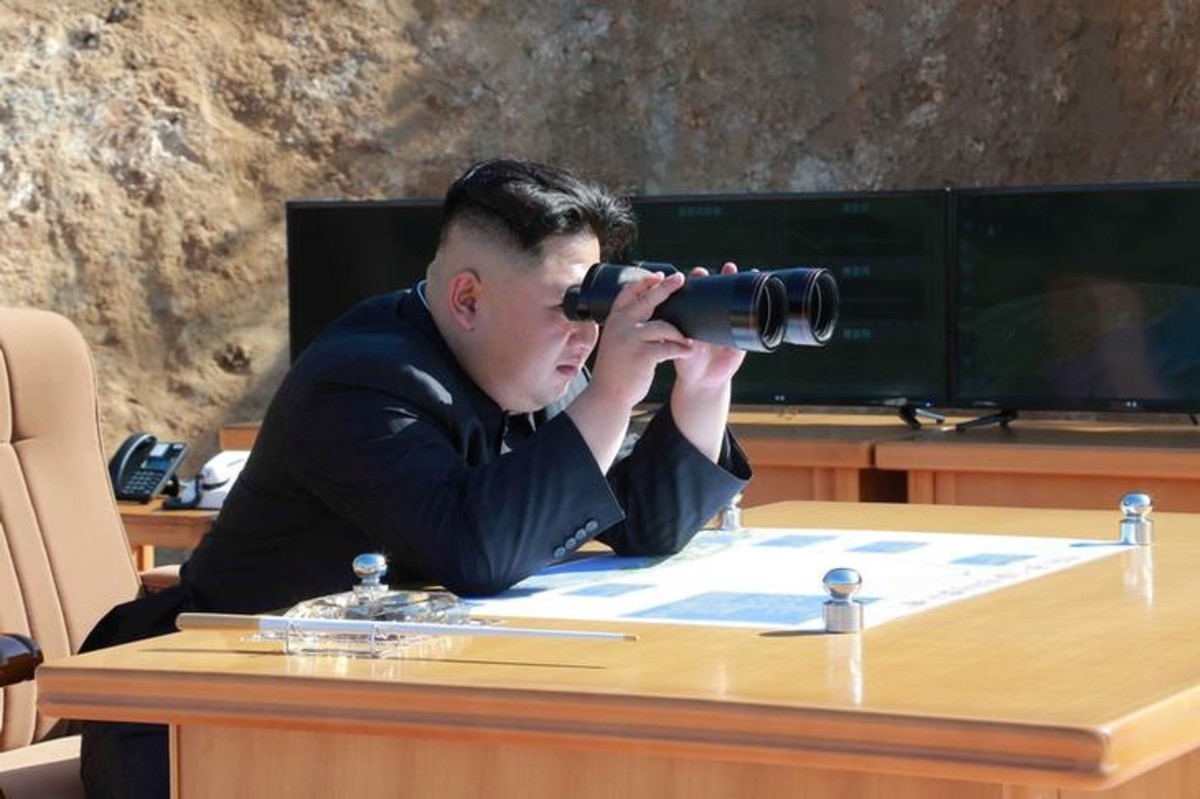
Earlier this month North Korea, which has warned Australia could be the target of a strike, said it had conducted its first test of an intercontinental ballistic missile, which experts say could reach Alaska.
The United States and other countries have indicated frustration that China, North Korea's sole major ally, has not done more to rein in the regime of Kim Jung Un. China maintains it does not hold the key to a resolution.
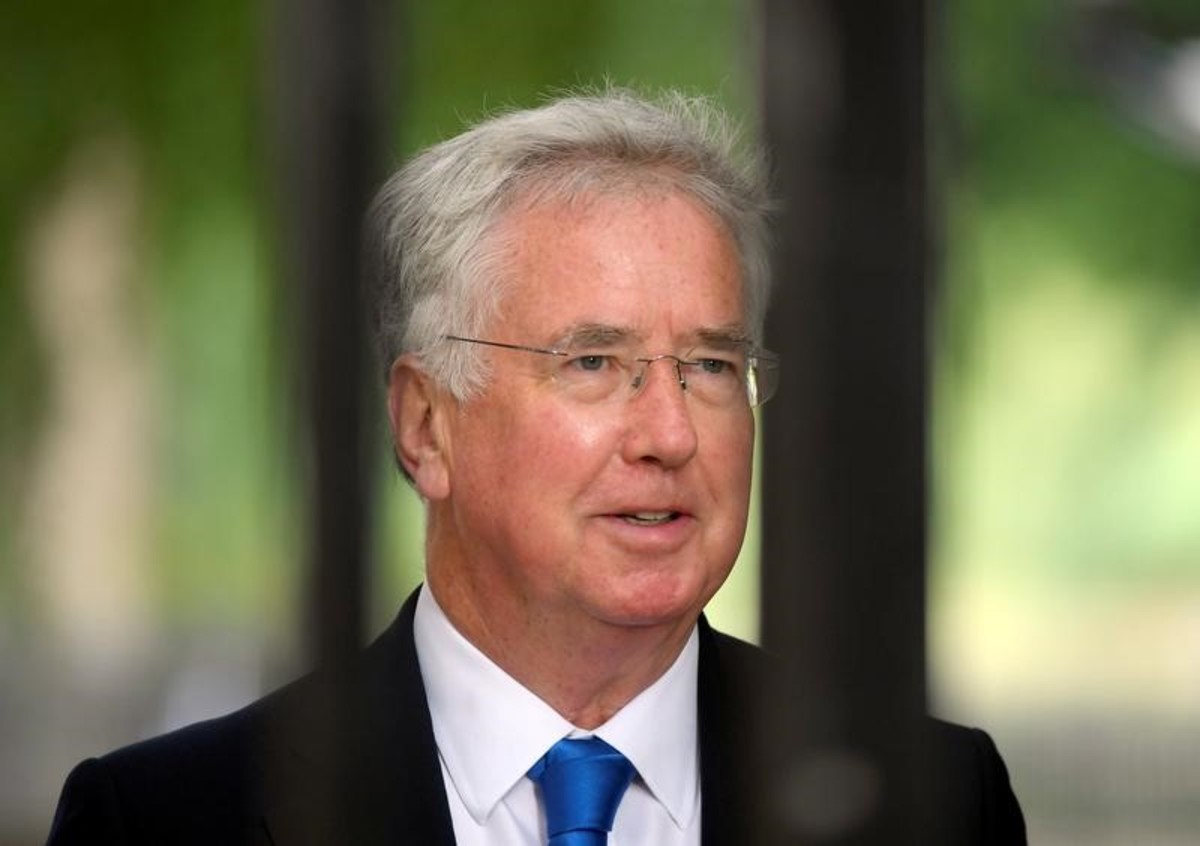
"With international influence comes responsibility. It is now for Beijing to use the influence it has over the North Korean regime to get it to abandon its programme," British Defence Secretary Michael Fallon told reporters in Sydney.
North Korea has been under U.N. sanctions since 2006 over its ballistic missile and nuclear programmes and the Security Council has ratcheted up measures in response to five nuclear weapons tests and two long-range missile launches.
Fallon said North Korea continues to receive help in developing its missile and nuclear ambitions as he called on enforcement of the sanctions.
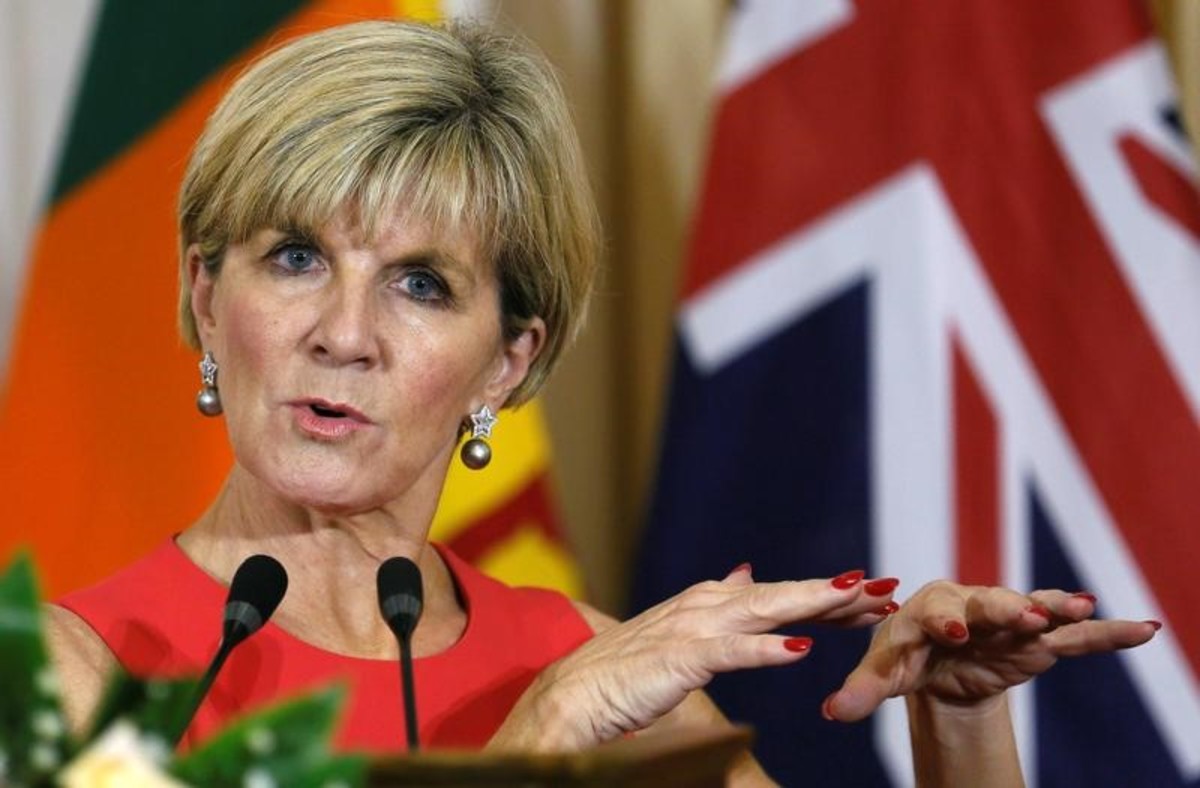
North Korea's missile and nuclear programme was a central element of the fourth annual meeting of Australia and British ministers.
"We are seeing a level of uncertainty that we have not witnessed in a very long time," Australian Foreign Minister Julie Bishop told reporters in Sydney.
"It is more important than ever before for like-minded countries to find common cause in supporting that international rules-based order."
Earlier, Bishop told the Australian Broadcasting Corp's Radio National that China "has much more leverage over North Korea than it claims."
"The export relationship with North Korea, the provision of remittance to workers, the foreign investment flows, the technology flows - these are all in China's hands," she said.
China has rejected the criticism and urged a halt to what it called the "China responsibility theory", saying all parties needed to pull their weight.
"Of course, as an important neighbour of the Korean peninsula, China has always proactively dedicated itself to working with the international community to appropriately resolve the peninsula nuclear issue via political talks," Chinese Foreign Ministry spokesman Lu Kang told a daily news briefing on Thursday.
The United States could impose new sanctions on Chinese firms doing business with Pyongyang, senior U.S. officials have said.
(Reporting by Swati Pandey; Additional reporting by Colin Packham, and Ben Blanchard in BEIJING; Editing by Richard Pullin and Neil Fullick)