Australia will divert A$280 million ($185.25 million) in overseas aid this year to bolster the response of its closest neighbours to the coronavirus pandemic, with Canberra warning the stability of the Indo-Pacific region is at risk.
The Pacific Islands, Timor-Leste and Indonesia will be the focus of the coronavirus aid strategy, said Australia's Minister for International Development and the Pacific Alex Hawke.
Pacific Island nations that closed borders have been able to limit the first wave of COVID-19 cases, but are experiencing economic shock as tourism is shut down, and government revenues, foreign reserves and cash balances collapse, an Australian government report said.
Australia has provided direct financing support to Pacific Island governments to fund essential services.
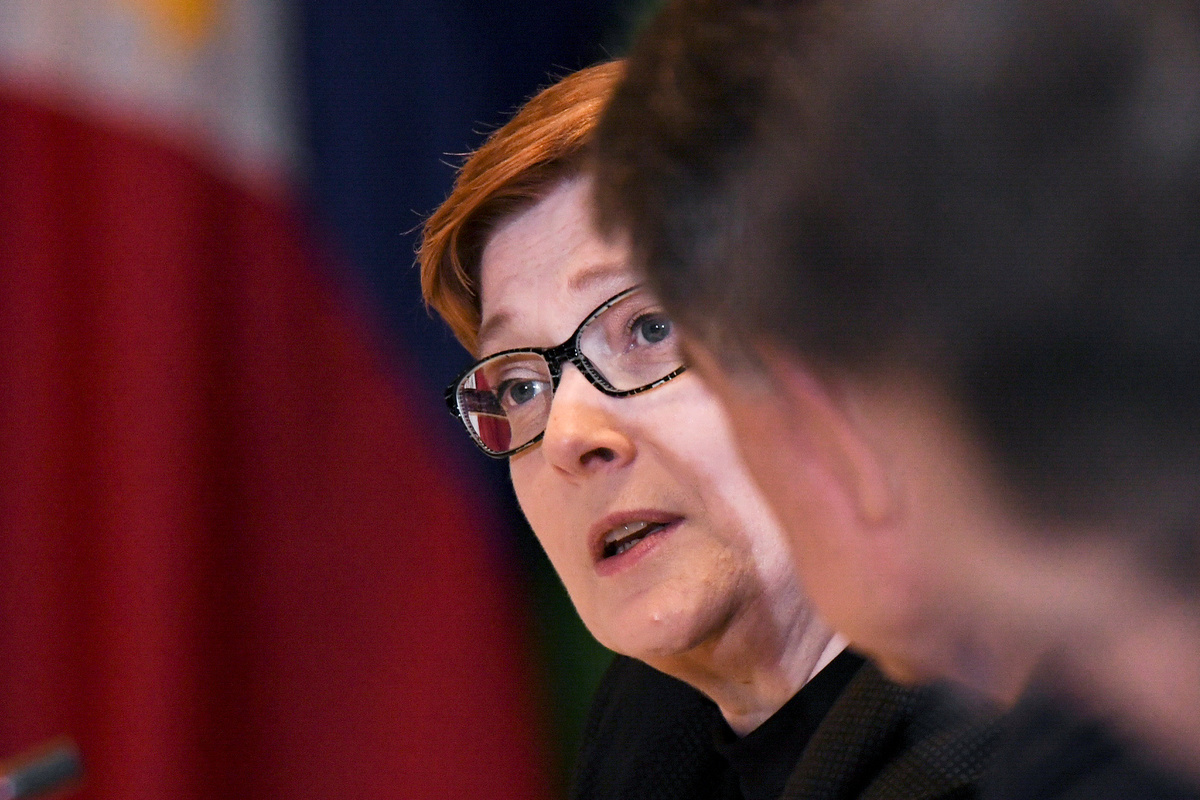
"The growth, openness and stability of the Indo-Pacific, which has underpinned Australia's prosperity and security for decades, is at risk," Australia's foreign minister Marise Payne said in the report.
Australia has an annual international aid budget of A$4 billion.
The coronavirus aid strategy will refocus on health security, social stability and stimulating economic recovery in the nations considered to be on Australia's doorstep.
"How our neighbourhood emerges from this crisis will determine Australia's economic and strategic circumstances for decades to come," Payne said.
The government has provided 2.6 million items of personal protective equipment to the Pacific.
Australian officials will help Pacific islands set up quarantine centres and coronavirus contact tracing programmes, seen as key steps for nations to join a proposed "travel bubble" with Australia and New Zealand that could allow tourism to resume.
The World Bank estimates 60 million people will be pushed into extreme poverty this year.
China has increased aid to the Pacific, including coronavirus aid this year, and is viewed warily in Canberra as seeking influence in a region described by Prime Minister Scott Morrison as Australia's "backyard".
The coronavirus pandemic is straining the global rules-based order and Australia will "support partners' independence and sovereignty", the report said.
(Reporting by Kirsty Needham; Editing by Jacqueline Wong)