Australia will take a more activist role in reshaping global bodies such as the World Health Organization (WHO) after the coronavirus pandemic dealt an unexpected blow to international stability, its foreign minister said on Tuesday.
The WHO's decision-making body backed an independent review of the crisis last month, after lobbying by Australia and the European Union. U.S. President Donald Trump has accused the WHO of being beholden to China and cut funding to it.
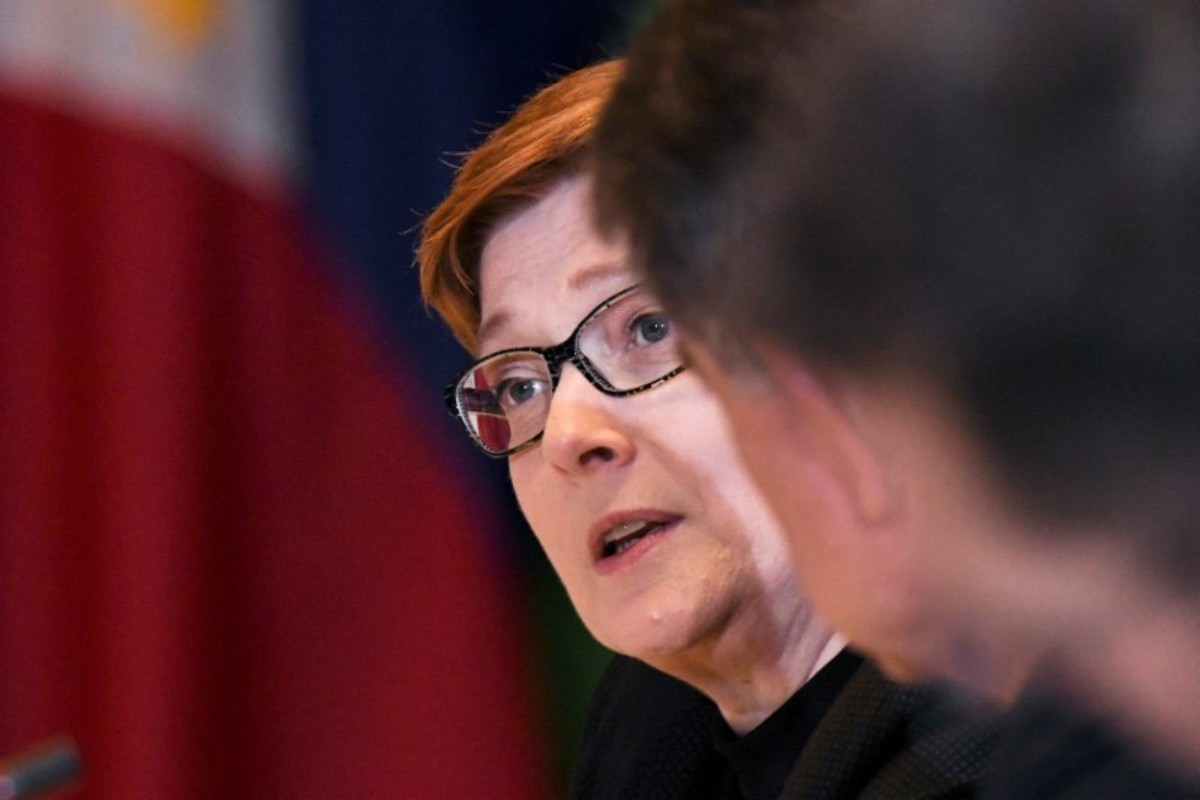
The pandemic has drawn attention to the strengths and weaknesses of the United Nations system, Australian Foreign Minister Marise Payne said in a major policy speech, adding that no other body could do the health security work the WHO does.
"Australia wants to see a stronger WHO that is more independent and transparent," Payne said at the National Security College of Australian National University.
"We cannot let the vital and practical work that the WHO does on the ground be overshadowed by questions about the approach of its headquarters in Geneva."
Payne, critical of disinformation campaigns by China and Russia, said it was "troubling (that) some countries are using the pandemic to undermine liberal democracy and promote their own, more authoritarian models".
A U.S. security ally, Australia strained ties with its largest trading partner, China, by pushing for an international inquiry into the source and spread of the virus that first emerged in the central Chinese city of Wuhan late last year.
After studying its involvement with multilateral bodies, Australia had decided to target its efforts at preserving fundamental aspects such as rules that protect sovereignty, curb excessive use of power and enable trade, Payne said.
Standards on health, transport and telecoms will be vital to economic recovery after the pandemic, she said, calling for new rules in emerging areas such as cyber technology, artificial intelligence, critical minerals and outer space.
It was not a time for quiet diplomacy but a time to voice concerns, Payne added, dismissing fears that Australia had made itself a target, incurring "an unnecessary cost", by urging the virus review.
"The COVID-19 crisis has given democracy a contemporary stage on which to demonstrate its strength," she said, referring to the respiratory disease caused by the virus.
(Reporting by Kirsty Needham; Editing by Clarence Fernandez)