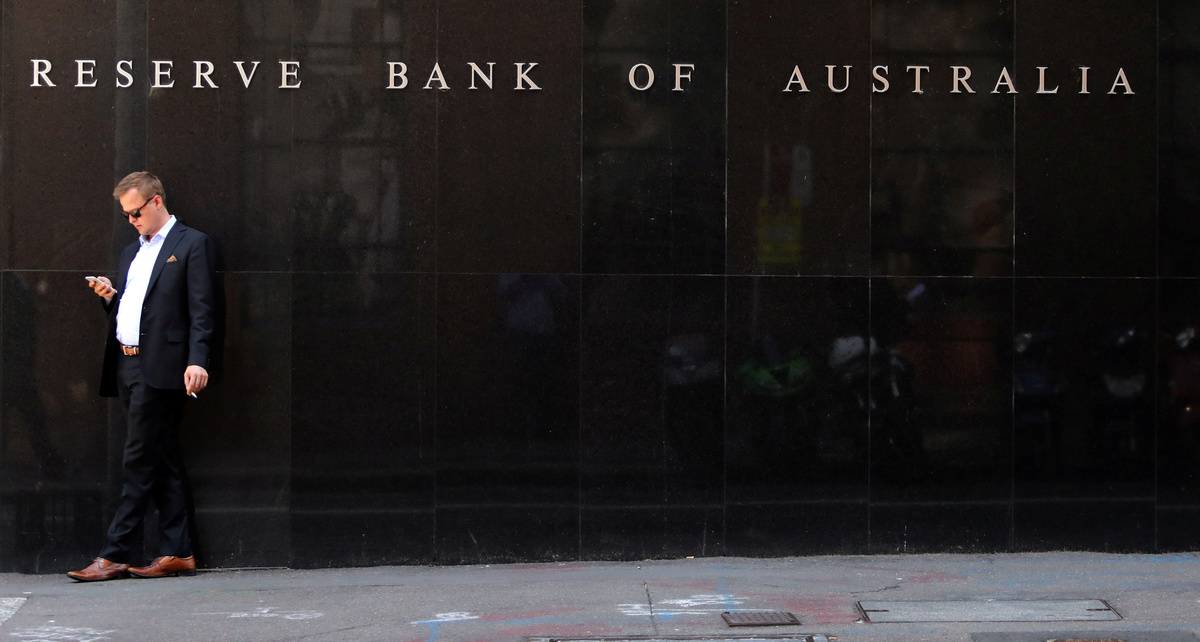
SYDNEY (Reuters) - Australia's central bank is watching carefully to ensure banks do not tighten credit too much and imperil the economy at a time when income growth is slow and house prices are falling.
Minutes of the Reserve Bank of Australia's (RBA) October policy meeting showed policy makers remained upbeat on the economic outlook overall, expecting above-trend growth this year and next.
However, board members noted banks' had been tightening lending standards following damaging revelations from a Royal Commission inquiry into the sector, on top of stricter rules already imposed by regulators.
It was possible that banks could "tighten lending standards further," once the full recommendations of the inquiry were released, the minutes showed.
"Members noted that it would be important to monitor the future supply of credit to ensure that economic activity continued to be appropriately supported."
There has been speculation the central bank might even cut interest rates if banks tightened too much or raised their borrowing costs further.
Yet the Board showed no inclination to move rates, which have been at a record low of 1.5 percent since mid-2016.
"Members assessed that it would be appropriate to hold the cash rate steady and for the Bank to be a source of stability and confidence," the minutes showed.
The next move in rates was still more likely to be up than down, it added, but there was not a strong case for a near-term move given inflation and wages remained subdued.
Despite strong jobs gains, household incomes had been growing at an unusually slow pace for some time. Recent falls in home prices in Sydney and Melbourne had added to the pressure on spending power.
The bank emphasised that recent data suggested the economy had expanded at a solid pace in the September quarter, following surprisingly strong growth of 3.4 percent in the year to June.
Strength in infrastructure spending and commodity exports and helped offset the drag from a drought that was impacting farms on the east coast.
Policy makers again warned of risks from abroad, notably the trade dispute between the United States and China.
Reporting by Wayne Cole;