Australia faces new restrictions as coronavirus cases jump
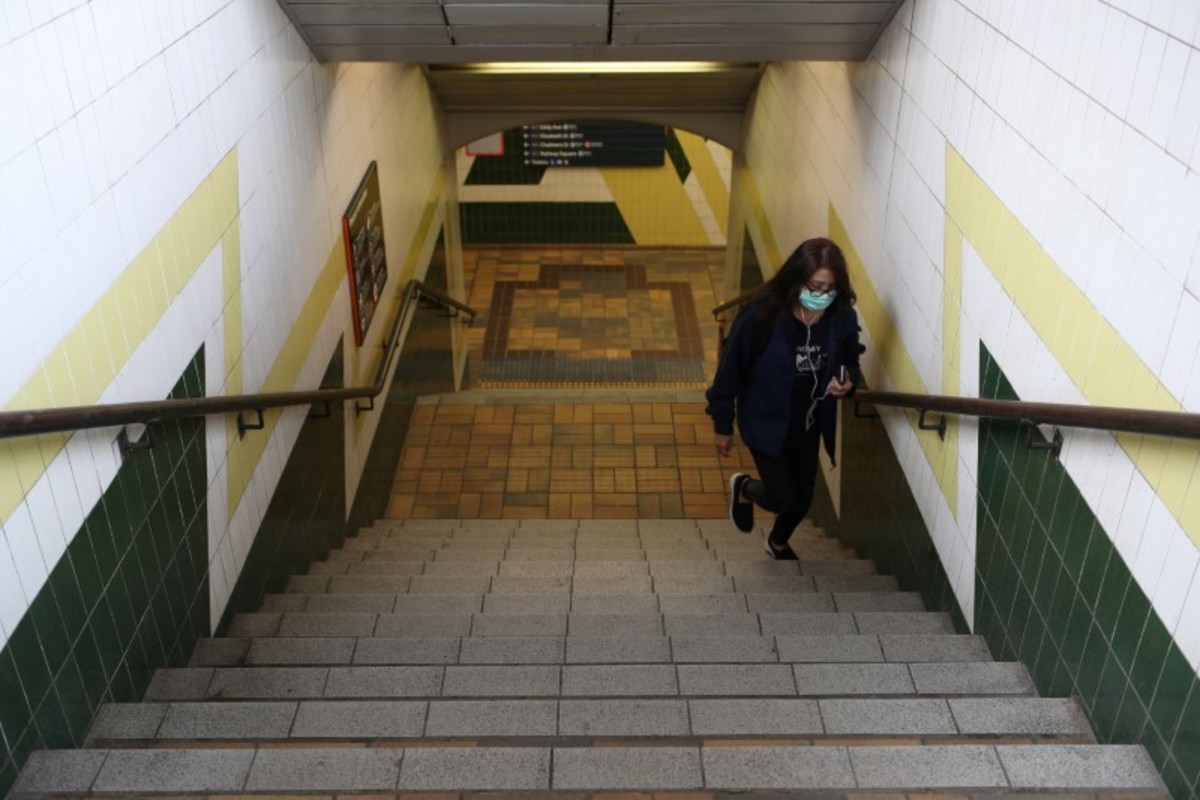
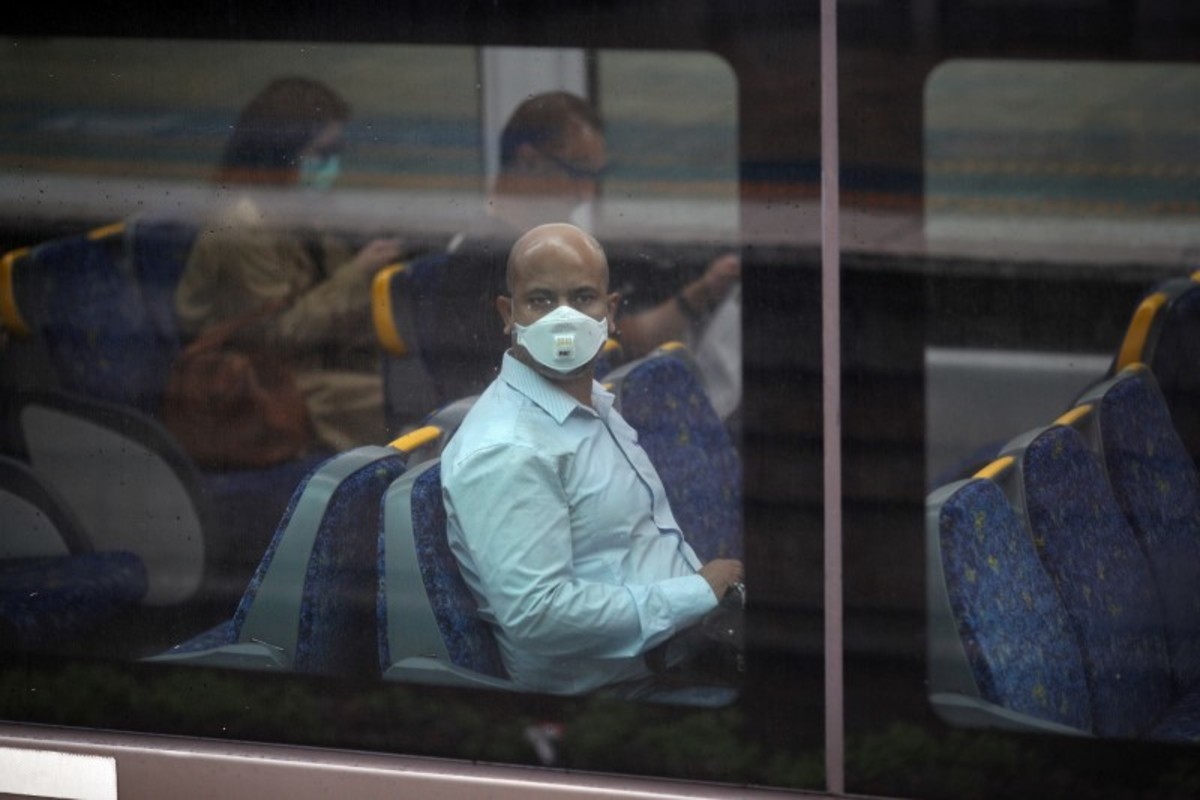
A woman wearing a face mask climbs the stairs at a train station after New South Wales began shutting down non-essential businesses and moving toward harsh penalties to enforce self-isolation as the spread of coronavirus disease (COVID-19) reached a critical stage in Sydney, Australia, March 24, 2020. REUTERS/Loren Elliott
Australia will close food outlets at shopping centers, place limits on weddings and funerals and ban overseas travel, the government said on Tuesday, after a jump in the number of coronavirus infections.
Many of the newly identified cases of COVID-19 came from a cruise ship whose passengers were allowed to disembark last week even though several showed signs of illness.
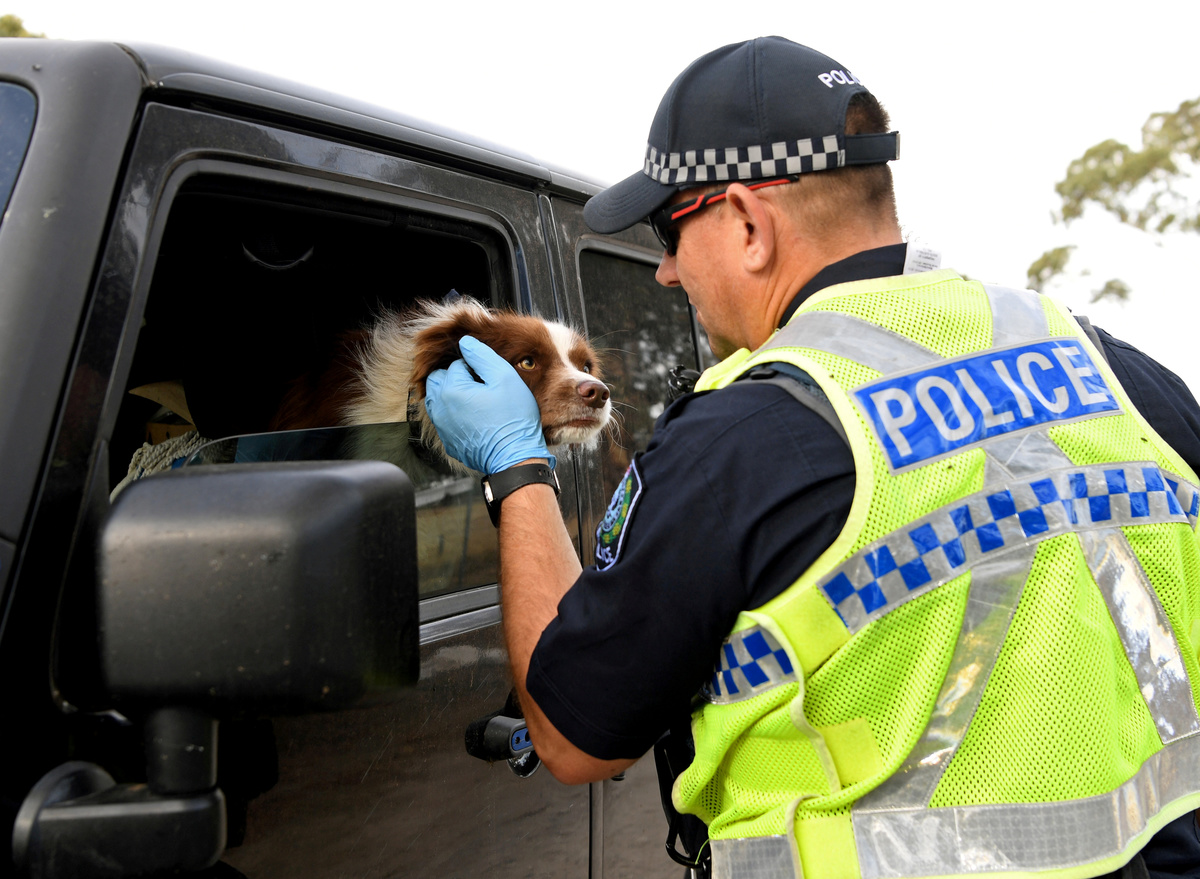
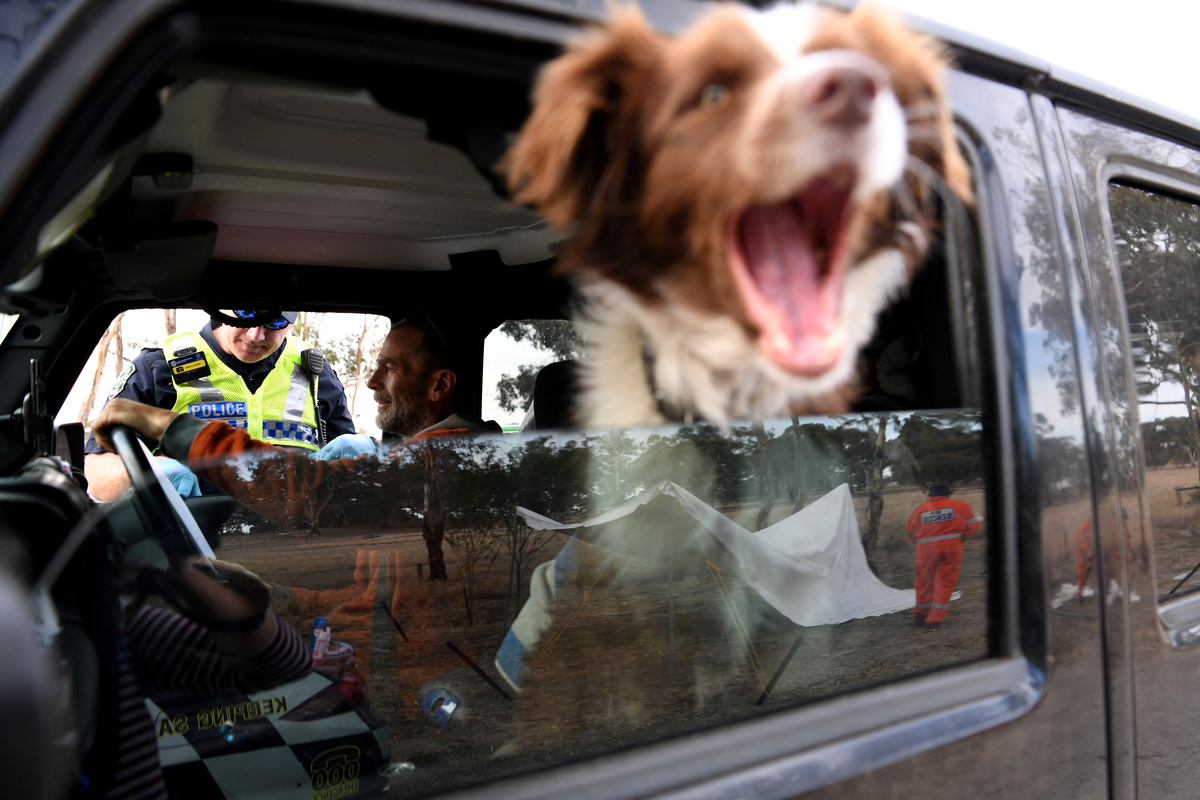
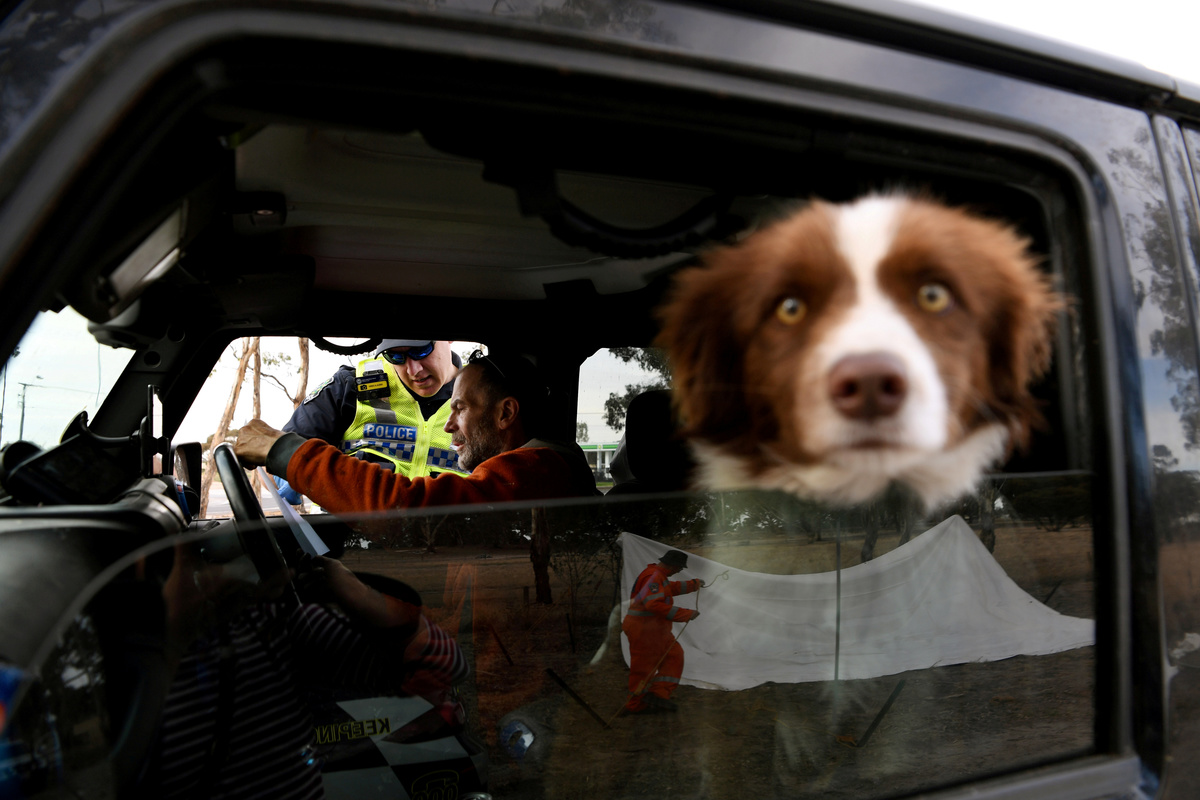
Puppy Django looks out the car window as his owner Jon Cross fills out paperwork to cross back into South Australia from Victoria during the coronavirus disease (COVID-19) outbreak, in Bordertown, Australia, March 24, 2020. REUTERS/Tracey Nearmy
The country, where many schools remain open, has now recorded eight deaths and more than 2,000 cases, and is beginning to track others experiencing sharp increases in recorded infections.
In the latest of a series of restrictions, Prime Minister Scott Morrison said five people would be able to attend weddings - the couple, the celebrant and two witnesses - while funerals would be limited to 10 guests.
Beauty salons would also close and real estate open houses and auctions would be halted when the new rules come into force from midnight on Wednesday.
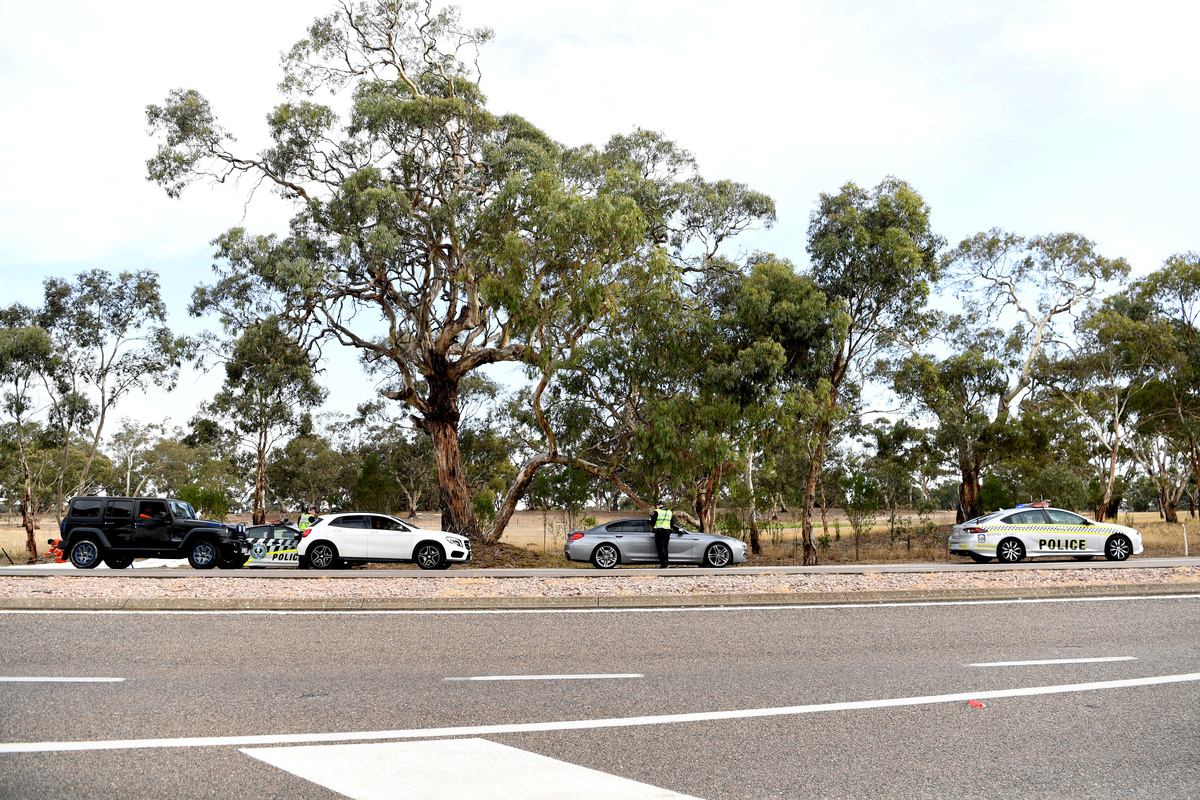
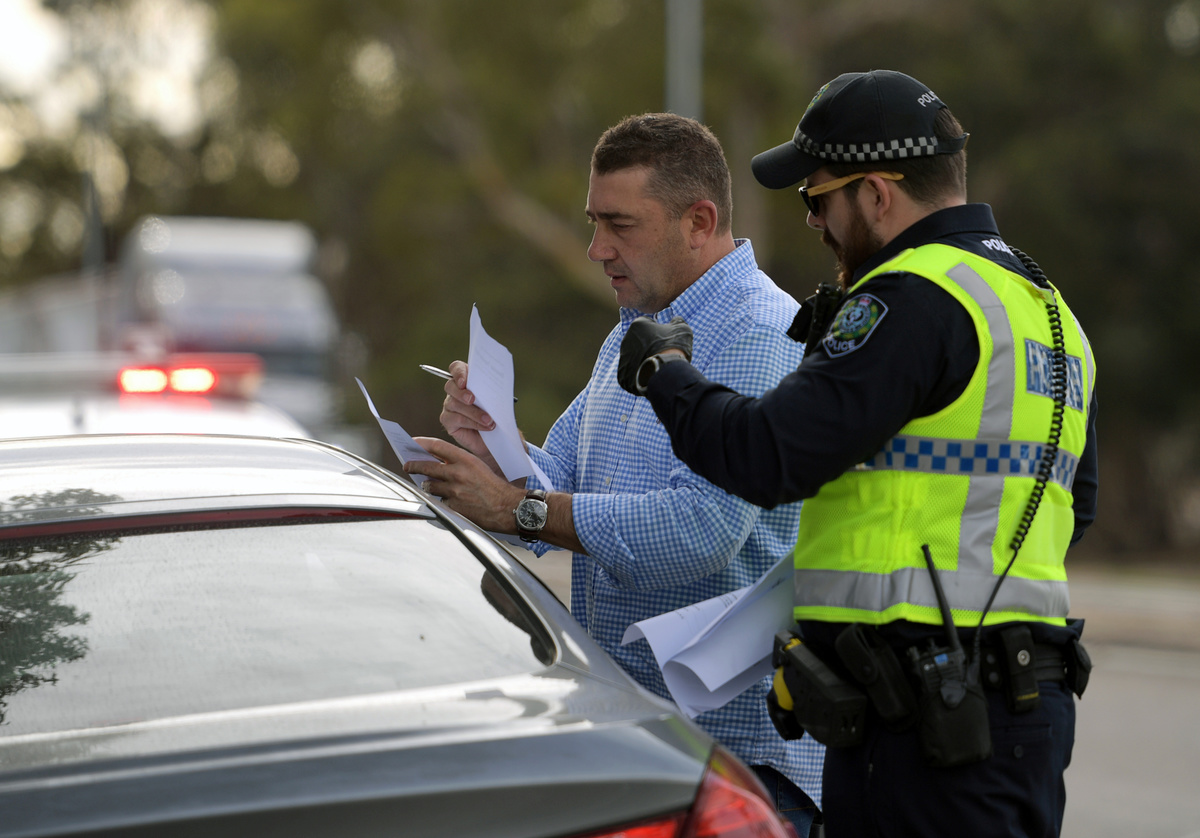
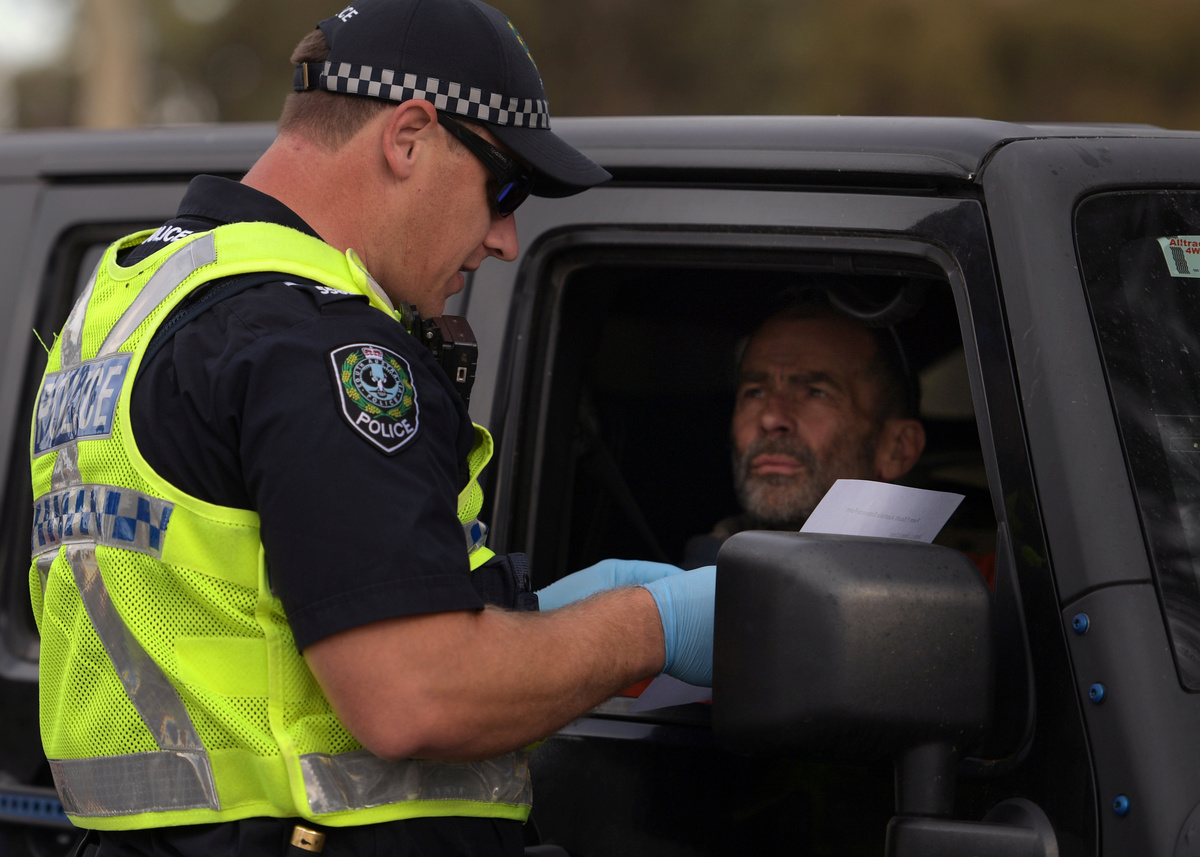
Motorists fill out paperwork for police as they cross back into South Australia from Victoria, in Bordertown, Australia, March 24, 2020. REUTERS/Tracey Nearmy
"If we do all these things then we are going to be able to put greater pressure on slowing the rate of the spread of this virus," Morrison told reporters in Canberra.
An eighth person, a woman in her 70s, died and the number of cases rose fastest in the most populous states of New South Wales and Victoria.
"We are very worried about the rate of the rise," said Brendan Murphy, Australia's chief medical officer.
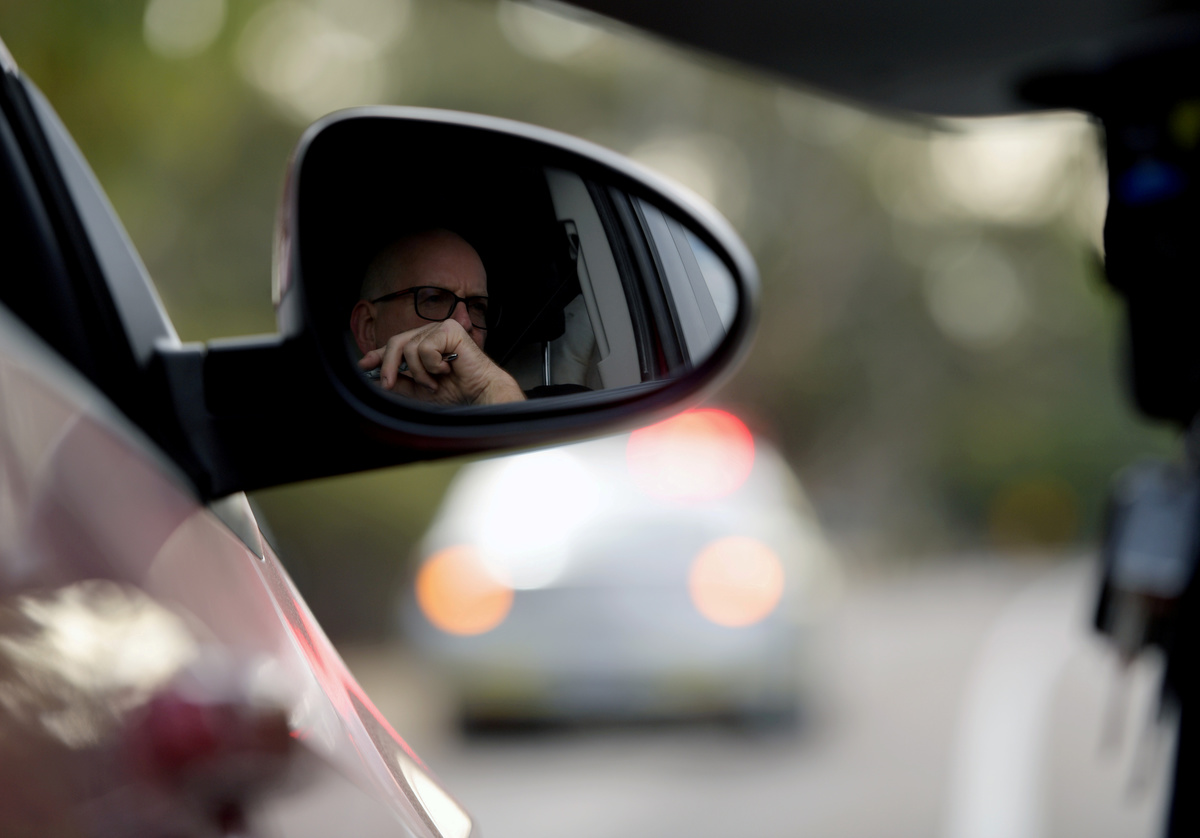
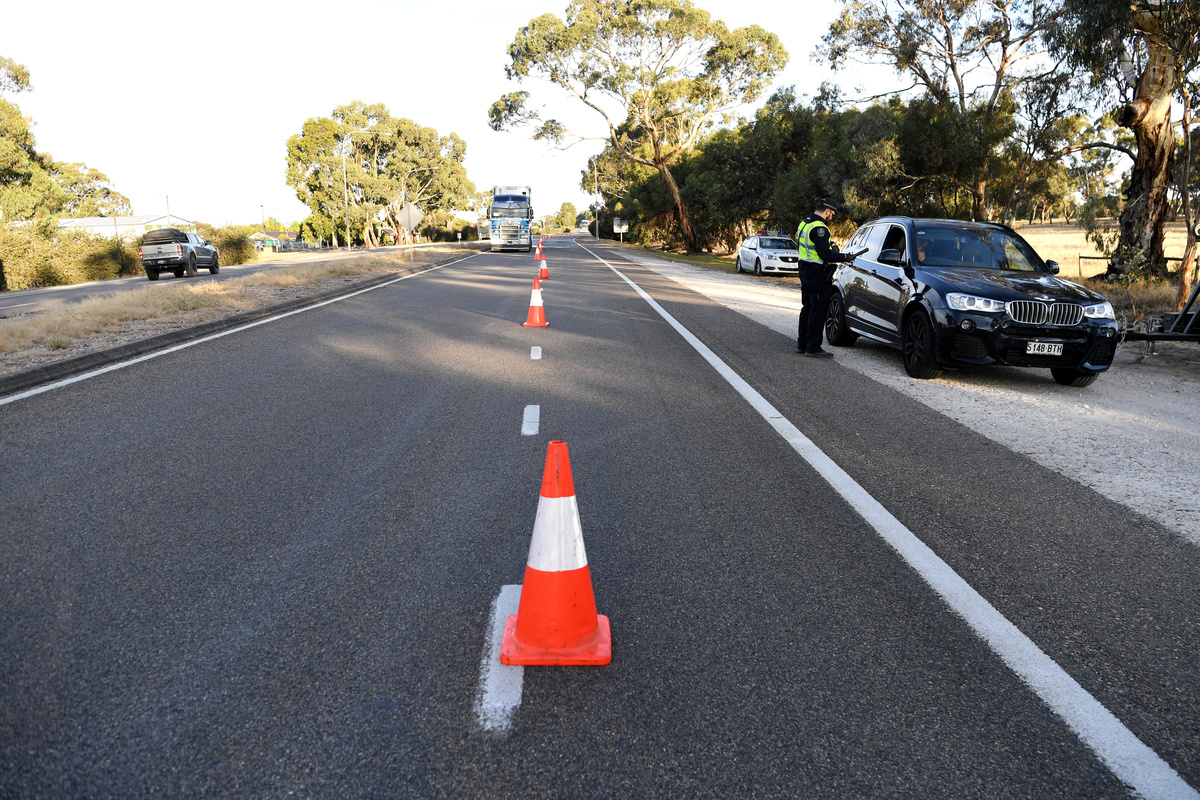
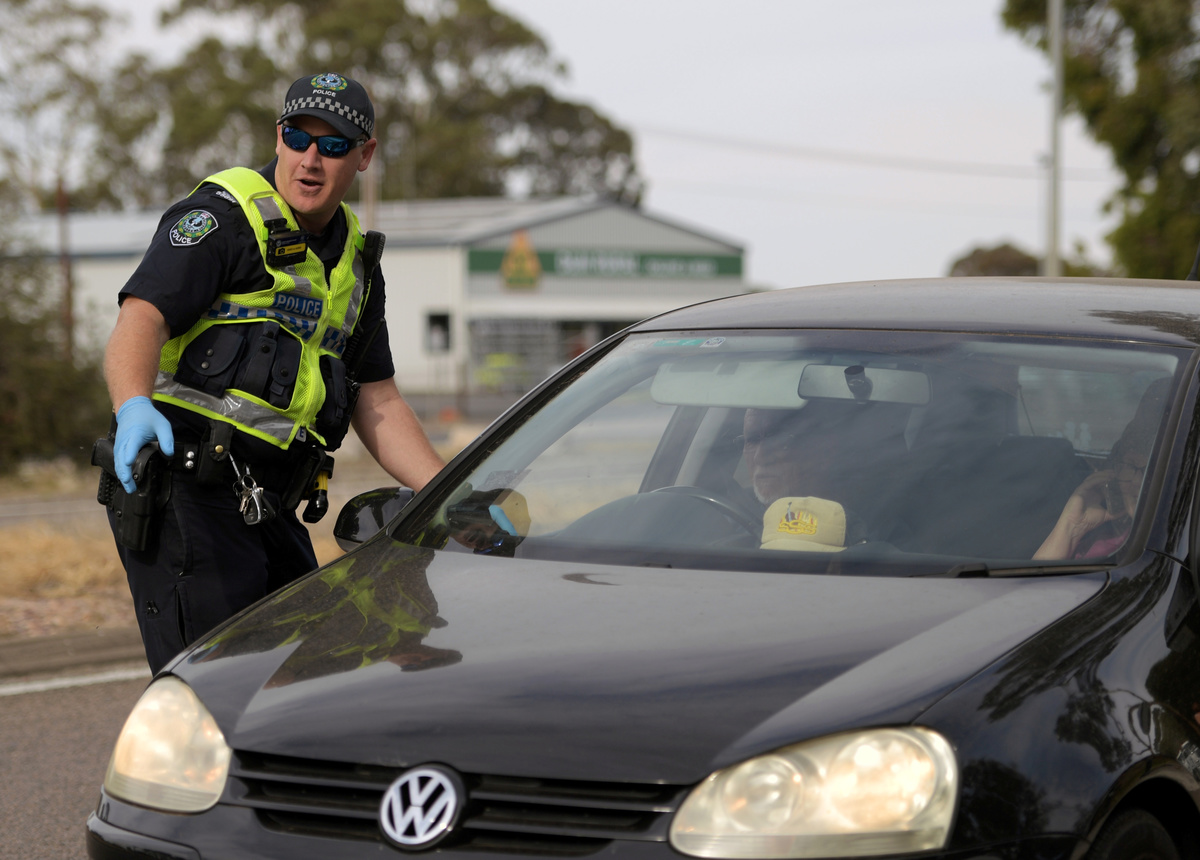
A motorist waits in a car as he crosses into South Australia from Victoria during the coronavirus disease (COVID-19) outbreak, in Bordertown, Australia, March 24, 2020. REUTERS/Tracey Nearmy
Of some 400 new cases announced on Tuesday, around 90 were passengers who disembarked the Carnival Corp's Ruby Princess cruise ship.
In a chain of events described by New South Wales state Police Minister David Elliott as a "monumental stuff-up", about 2,700 passengers were allowed to leave the ship when it docked in Sydney on March 19 despite about a dozen passengers showing signs of ill health.
About 60% of the passengers were Australian, and 20% were from the United States, ship records showed.
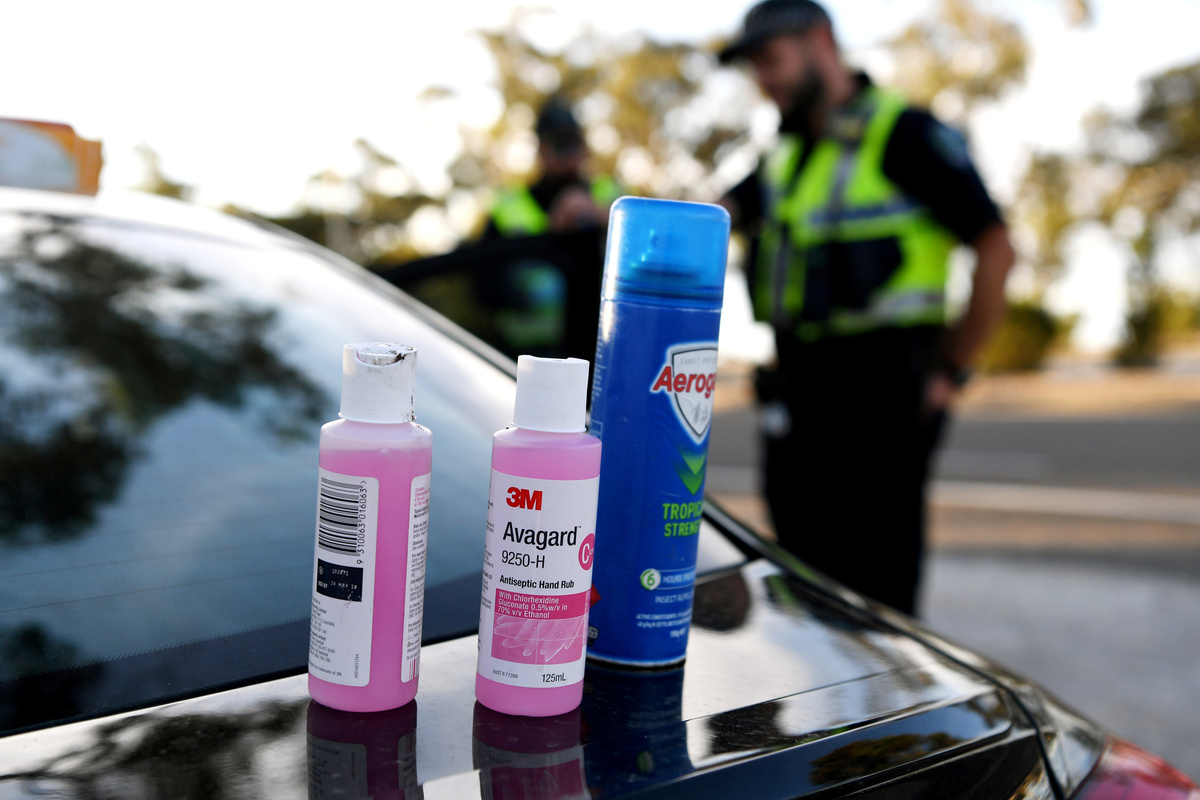
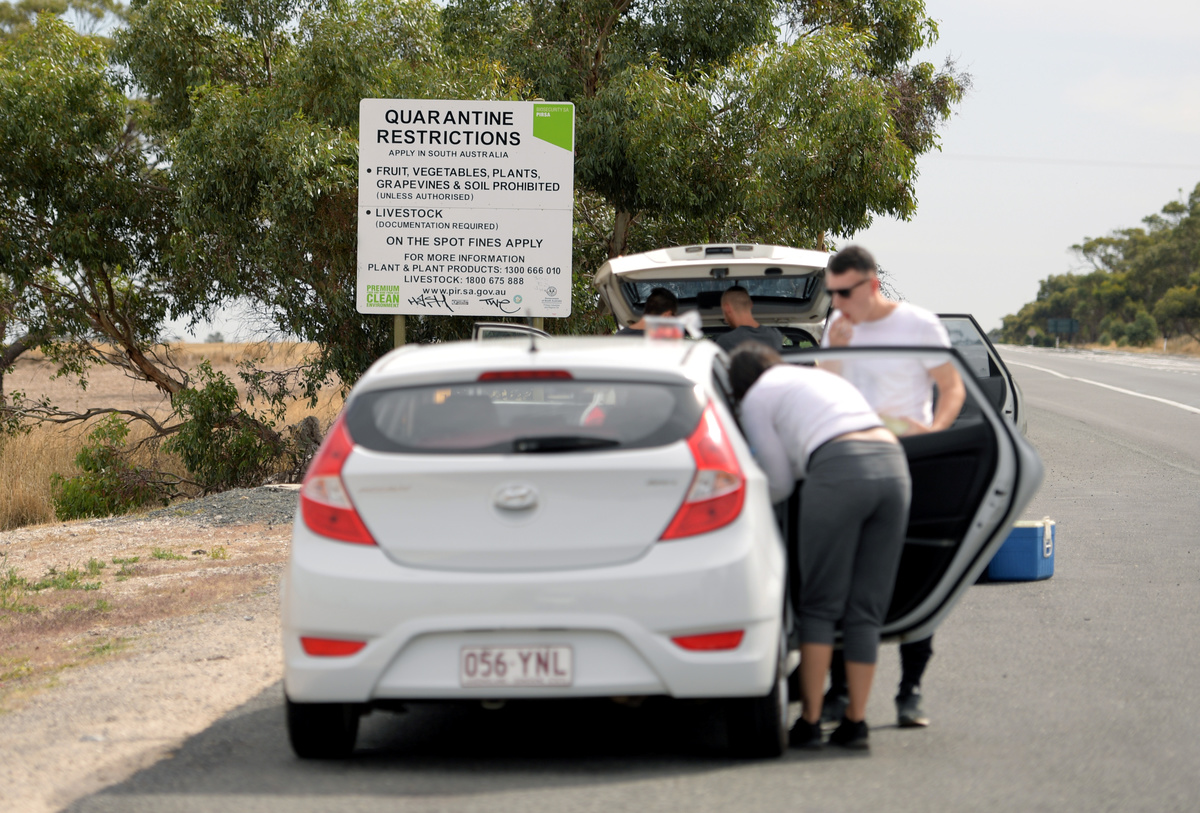
Disinfectant products are seen on a car whilst motorists fill out paperwork for police as they cross back into South Australia from Victoria during the coronavirus disease (COVID-19) outbreak, in Bordertown, Australia, March 24, 2020. REUTERS/Tracey Nearmy
By Tuesday, around 130 of those passengers had tested positive and officials were frantically hunting down other travelers to test them and track their movements.
PENALTIES
Morrison said authorities would consider harsh new penalties for anyone who does not comply with an self-isolation order.
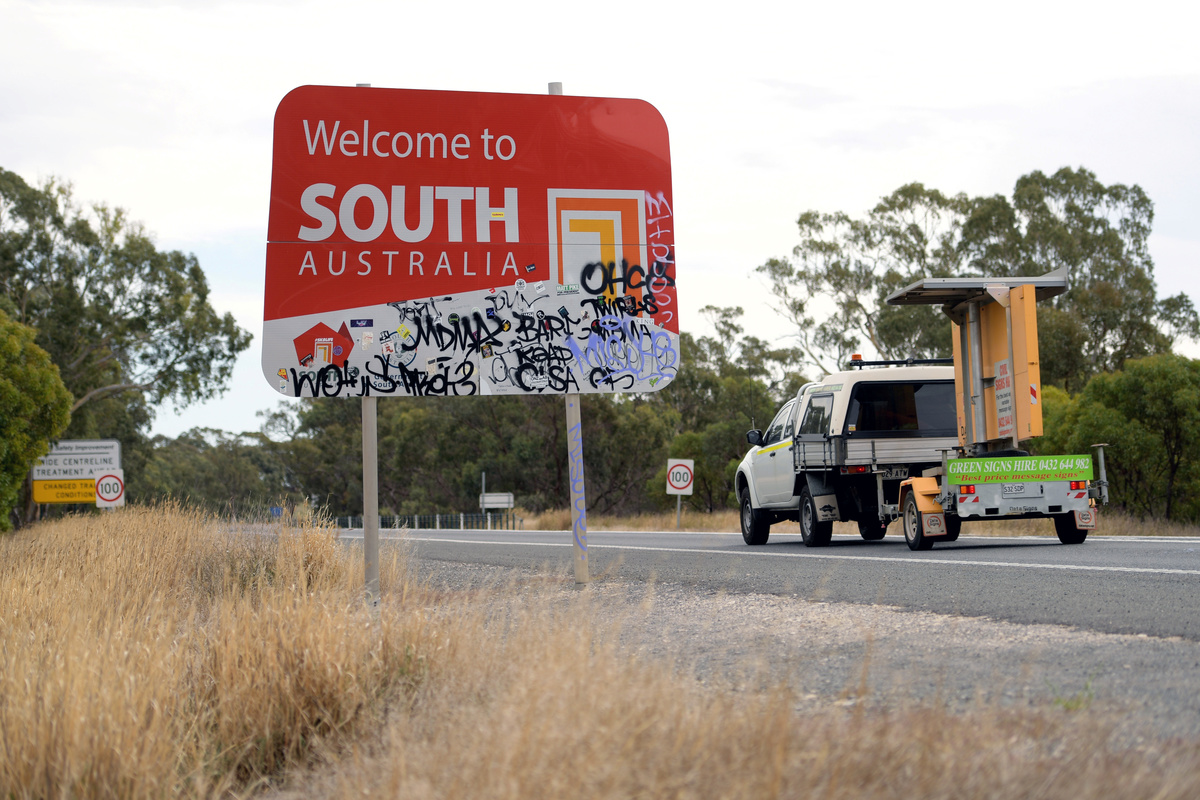
Motorist crosses back into South Australia from Victoria before the border shutdown, during the coronavirus disease (COVID-19) outbreak, in Bordertown , Australia, March 24, 2020. REUTERS/Tracey Nearmy
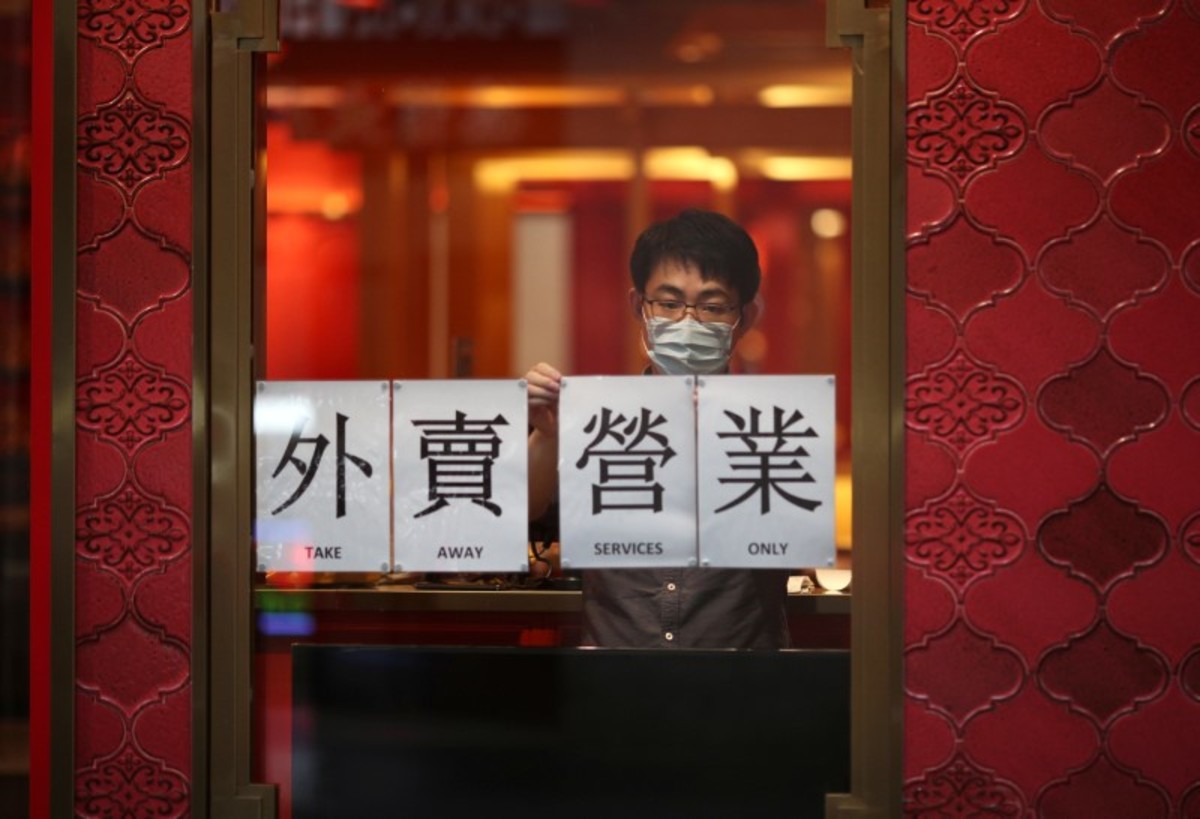
Australia has already ordered pubs to close and restricted restaurants and cafes to offering takeaway services in a bid to limit social gatherings.
The economic impact was becoming visible, with long queues forming outside offices of the main welfare agency across the country.
Westpac economists said the extraordinary measures to counter the spread of the disease would push the unemployment rate above 11%, which would be the highest since the country was last in recession in the early 1990s.
Motorist fills out paperwork for police as they cross back into South Australia from Victoria during the coronavirus disease (COVID-19) outbreak, in Bordertown, Australia, March 24, 2020. REUTERS/Tracey Nearmy
For many, there has been anger over mixed messages from officials in Australia's system of federal and state governments, which are separately responsible for regulating different services.
The operation of schools has been a flashpoint, with Morrison advising they remain open, while some state leaders urged parents to keep their children home.
"It is as clear as mud and no wonder parents are confused out there," Anthony Albanese, the leader of the federal opposition party, told ABC Radio.
Motorist fills out paperwork for police as he crosses back into South Australia from Victoria during the coronavirus disease (COVID-19) outbreak, in Bordertown, Australia, March 24, 2020. REUTERS/Tracey Nearmy
Morrison was due to meet with the national cabinet formed to deal with the crisis, comprising state and federal political and health officials, later on Tuesday to discuss the next steps.
(Reporting by Colin Packham, Byron Kaye and Kate Lamb; additional reporting by Paulina Duran, Swati Pandey and Renju Jose; editing by Jane Wardell and Philippa Fletcher)
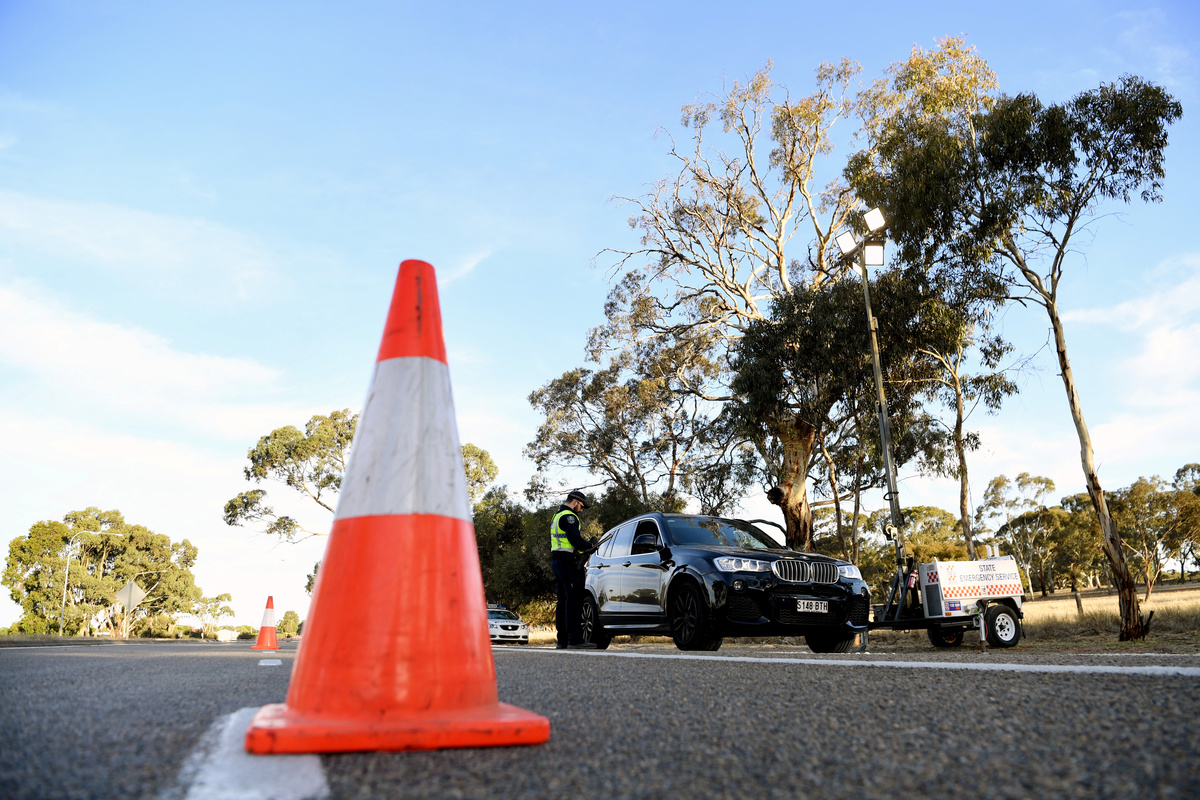
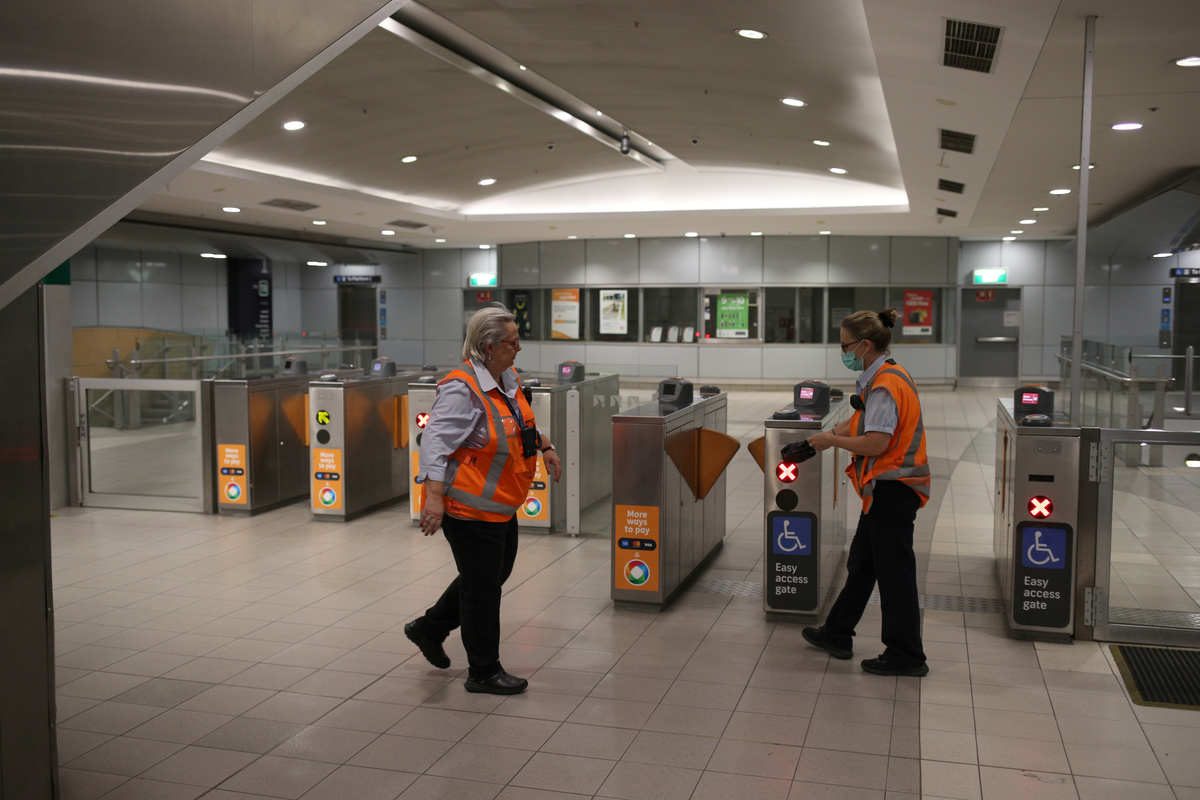
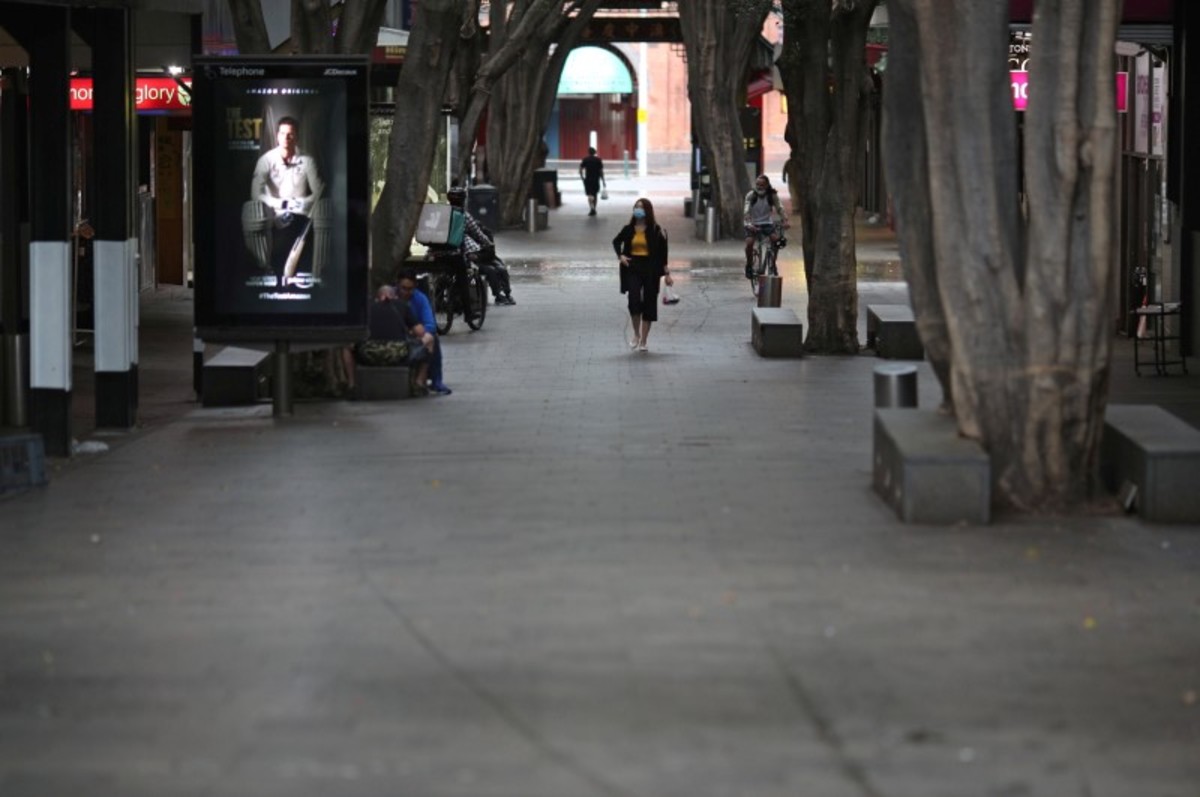
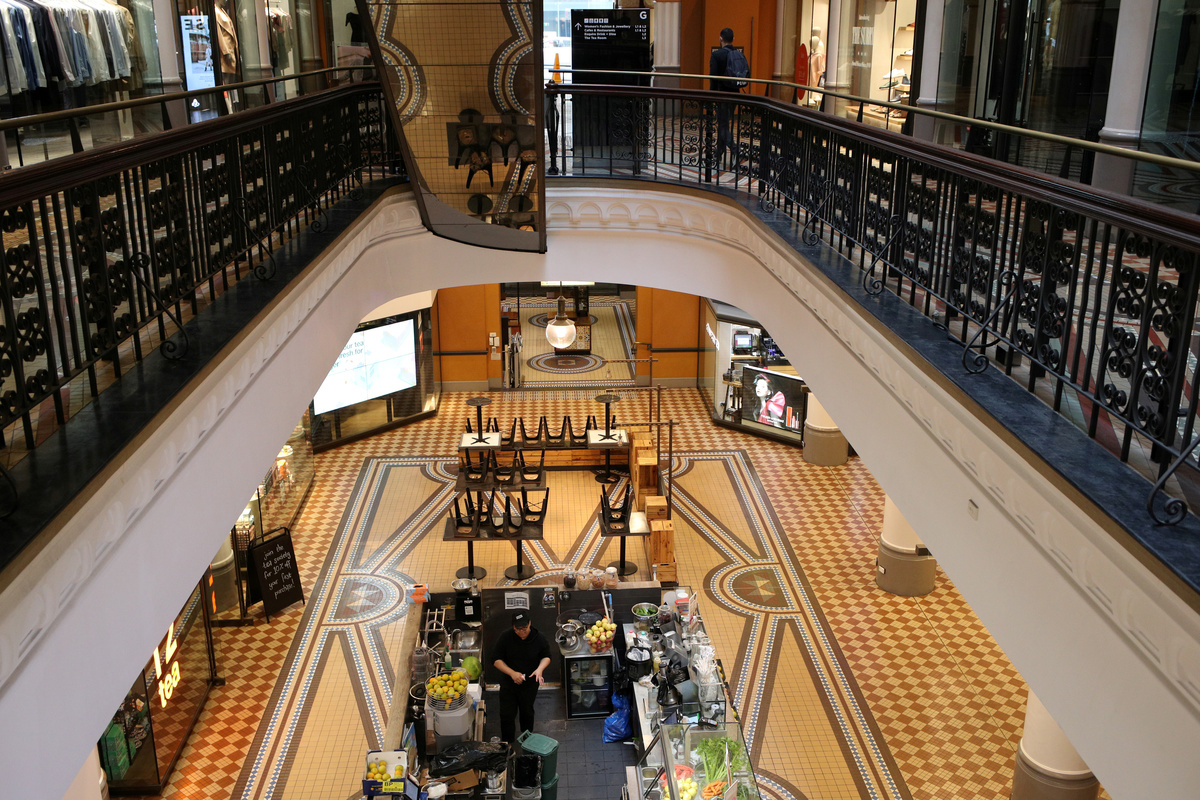
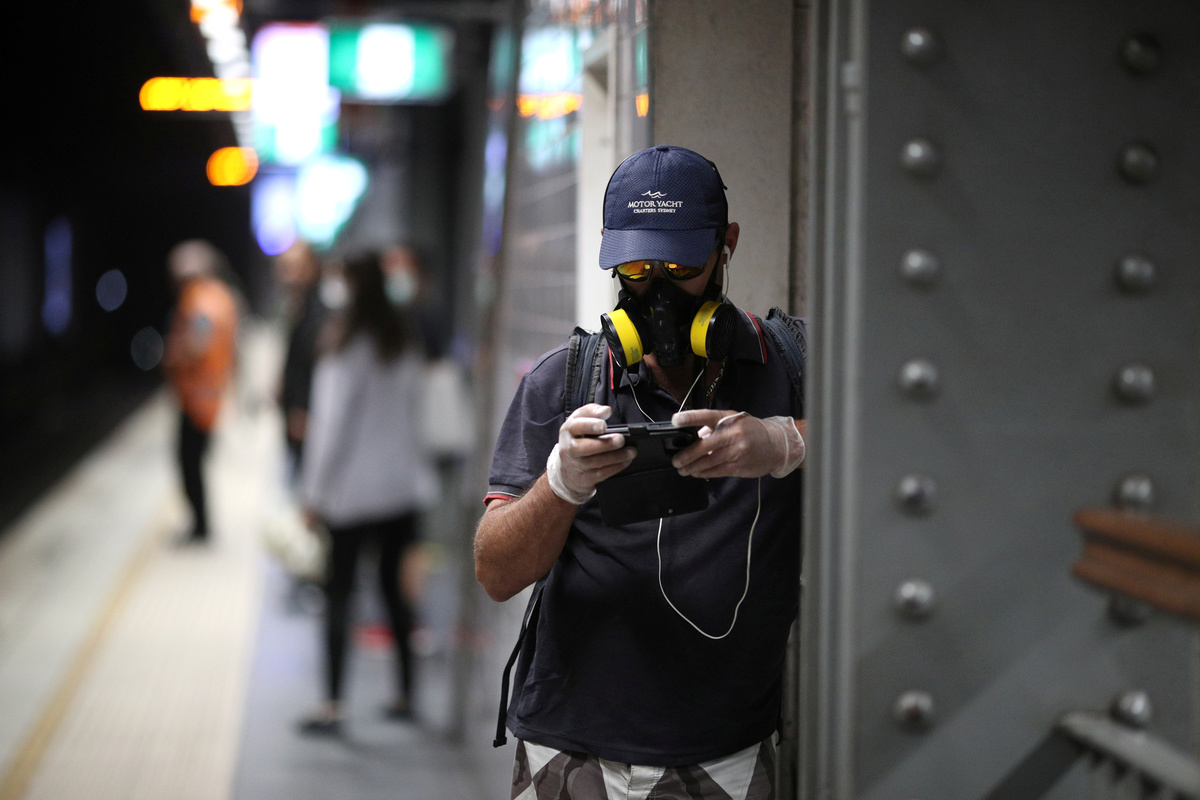
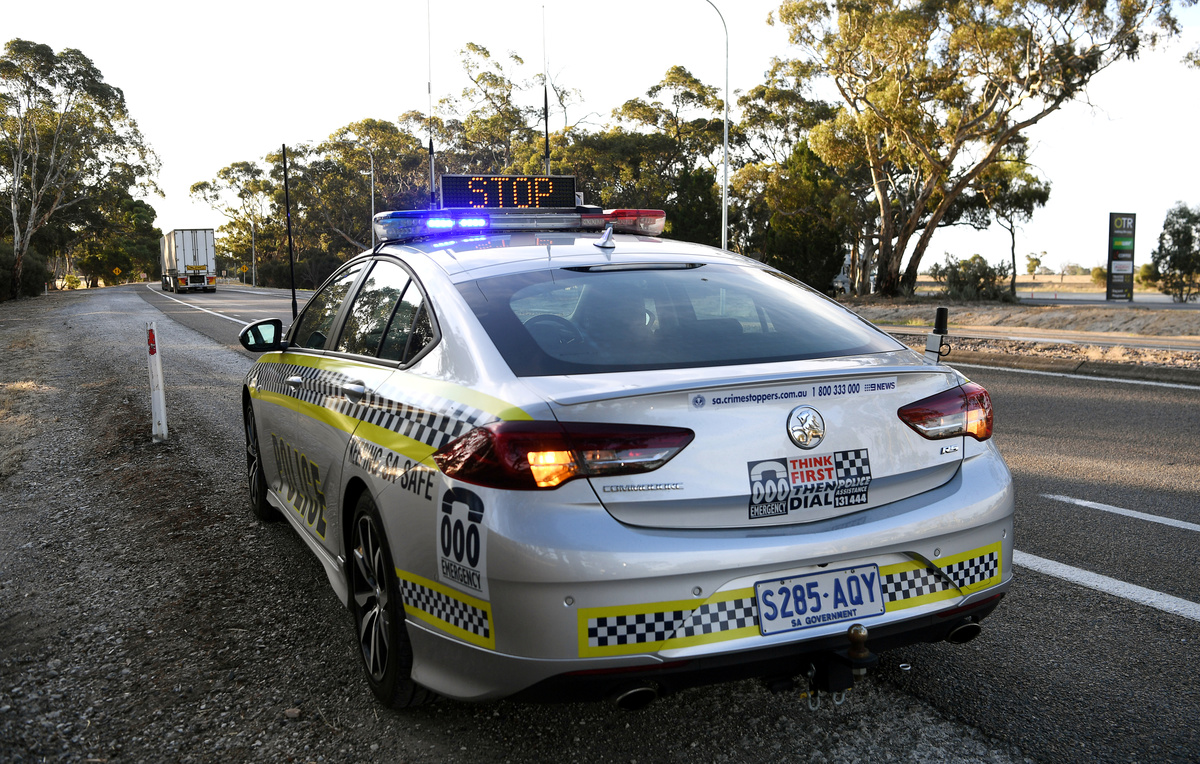
Motorists fill out paperwork for police as they cross back into South Australia from Victoria during the coronavirus disease (COVID-19) outbreak, in Bordertown, Australia, March 24, 2020. REUTERS/Tracey NearmyMotorists cross back into South Australia from Victoria before the border shutdown during the coronavirus disease (COVID-19) outbreak, in Bordertown , Australia, March 24, 2020. REUTERS/Tracey NearmyMotorists fill out paperwork for police as they cross back into South Australia from Victoria during the coronavirus disease (COVID-19) outbreak, in Bordertown, Australia, March 24, 2020. REUTERS/Tracey NearmyMotorist fills out paperwork for police as he crosses back into South Australia from Victoria during the coronavirus disease (COVID-19) outbreak, in Bordertown, Australia, March 24, 2020. REUTERS/Tracey NearmyPuppy Django yawns as his owner Jon Cross fills out paperwork to cross back into South Australia from Victoria during the coronavirus disease (COVID-19) outbreak, in Bordertown, Australia, March 24, 2020. REUTERS/Tracey NearmyA commuter wearing a face mask sits in a train during morning rush hour after New South Wales began shutting down non-essential businesses and moving toward harsh penalties to enforce self-isolation as the spread of coronavirus disease (COVID-19) reached a critical stage in Sydney, Australia, March 24, 2020. REUTERS/Loren ElliottPuppy Django looks out the car as his owner Jon Cross fills out paperwork to cross back into South Australia from Victoria during the coronavirus disease (COVID-19) outbreak, in Bordertown, Australia, March 24, 2020. REUTERS/Tracey NearmyStation workers walk near ticket gates at a deserted train station during morning rush hour after New South Wales began shutting down non-essential businesses and moving toward harsh penalties to enforce self-isolation as the spread of coronavirus disease (COVID-19) reached a critical stage in Sydney, Australia, March 24, 2020. REUTERS/Loren ElliottPeople wearing masks are seen at an empty street after New South Wales began shutting down non-essential businesses and moving toward harsh penalties to enforce self-isolation as the spread of coronavirus disease (COVID-19) reached a “critical stage” in Sydney, Australia, March 24, 2020. REUTERS/Loren ElliottA man wearing a face mask displays a sign for takeaway services at an eatery after New South Wales began shutting down non-essential businesses and moving toward harsh penalties to enforce self-isolation as the spread of coronavirus disease (COVID-19) reached a critical stage in Sydney, Australia, March 24, 2020. REUTERS/Loren ElliottA view of an empty mall after New South Wales began shutting down non-essential businesses and moving toward harsh penalties to enforce self-isolation as the spread of coronavirus disease (COVID-19) reached a "critical stage" in Sydney, Australia, March 24, 2020. REUTERS/Loren ElliottA commuter wearing a gas mask uses his mobile device while standing at a train platform after New South Wales began shutting down non-essential businesses and moving toward harsh penalties to enforce self-isolation as the spread of coronavirus disease (COVID-19) reached a "critical stage" in Sydney, Australia, March 24, 2020. REUTERS/Loren ElliottA police car is seen whilst motorists fill out paperwork for police as they cross back into South Australia from Victoria during the coronavirus disease (COVID-19) outbreak, in Bordertown, Australia, March 24, 2020. REUTERS/Tracey Nearmy
Sign up to read this article
Read news from 100’s of titles, curated specifically for you.