Australia will halve the number of citizens allowed to return home from overseas each week, Prime Minister Scott Morrison said on Friday, as authorities struggle to contain a COVID-19 outbreak in the country's second most populous city.
The state of Victoria reported 288 new cases on Friday, a record daily increase for any part of the country and sparking fears of a wave of community transmission in a country where most cases have involved returned travellers.
"The news from Victoria remains very concerning," Morrison told reporters in Canberra.
Since March, Australia has allowed only citizens and permanent residents to enter the country with some 357,000 having returned to date.
Australia will now impose a cap of 4,175 people allowed to return each week and those returning will also have to pay for a mandatory 14-day quarantine in a hotel, which until now had been paid for by state governments.
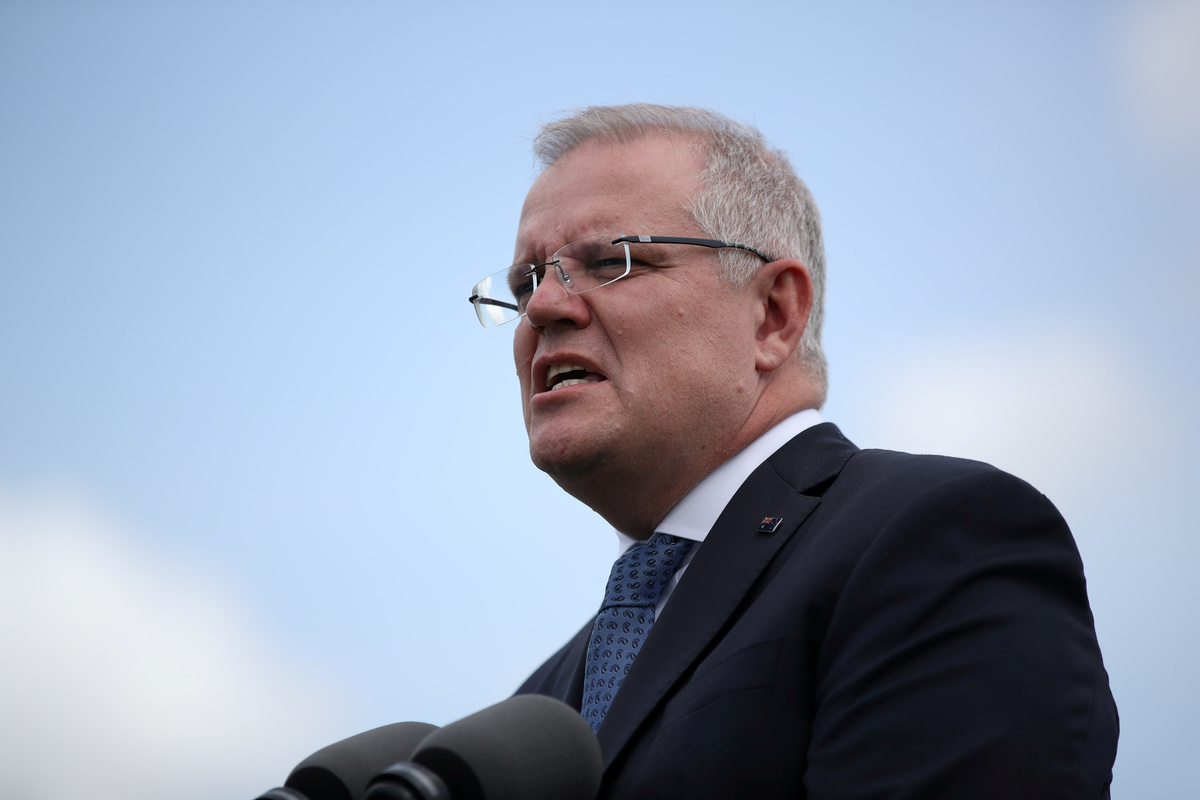
"The decision that we took... was to ensure that we could put our focus on the resources needed to do the testing and tracing and not have to have resources diverted to other tasks," Morrison said.
Neighbouring New Zealand also introduced measures this week to limit the number of citizens returning home, seeking to reduce the burden on its overflowing quarantine facilities.
SECOND LOCKDOWN
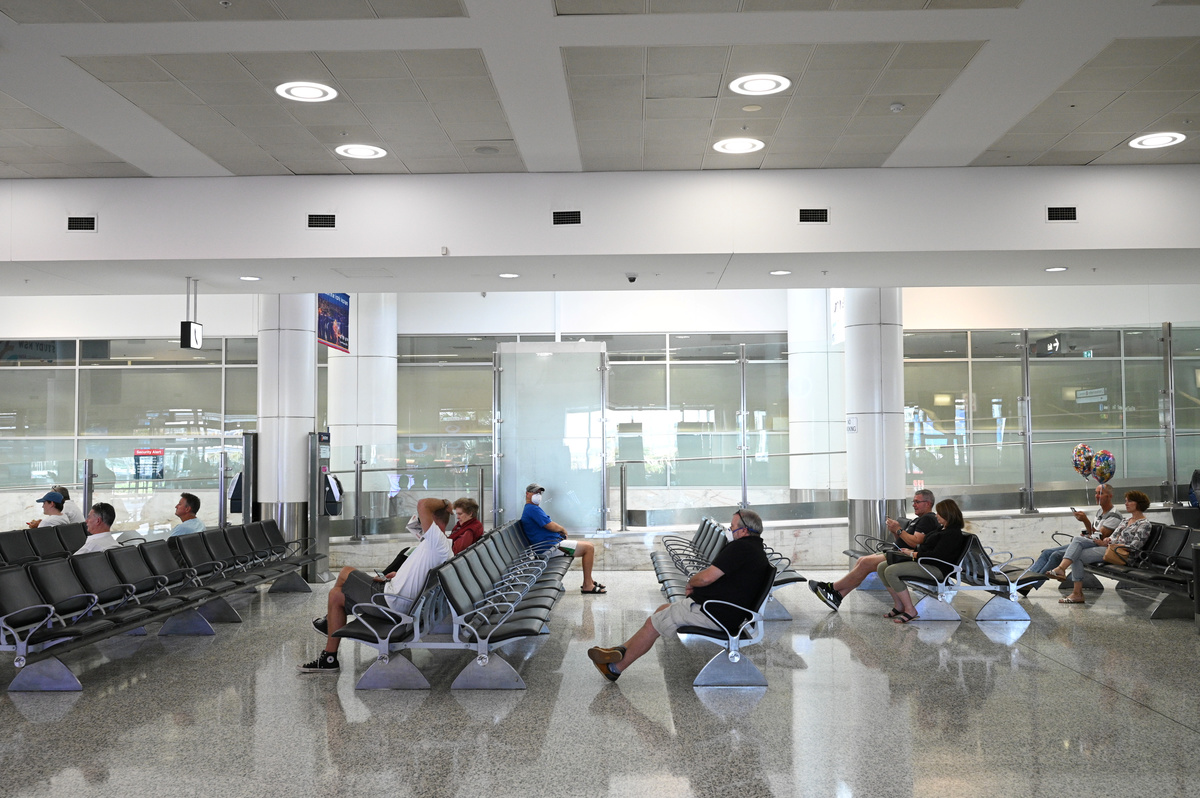
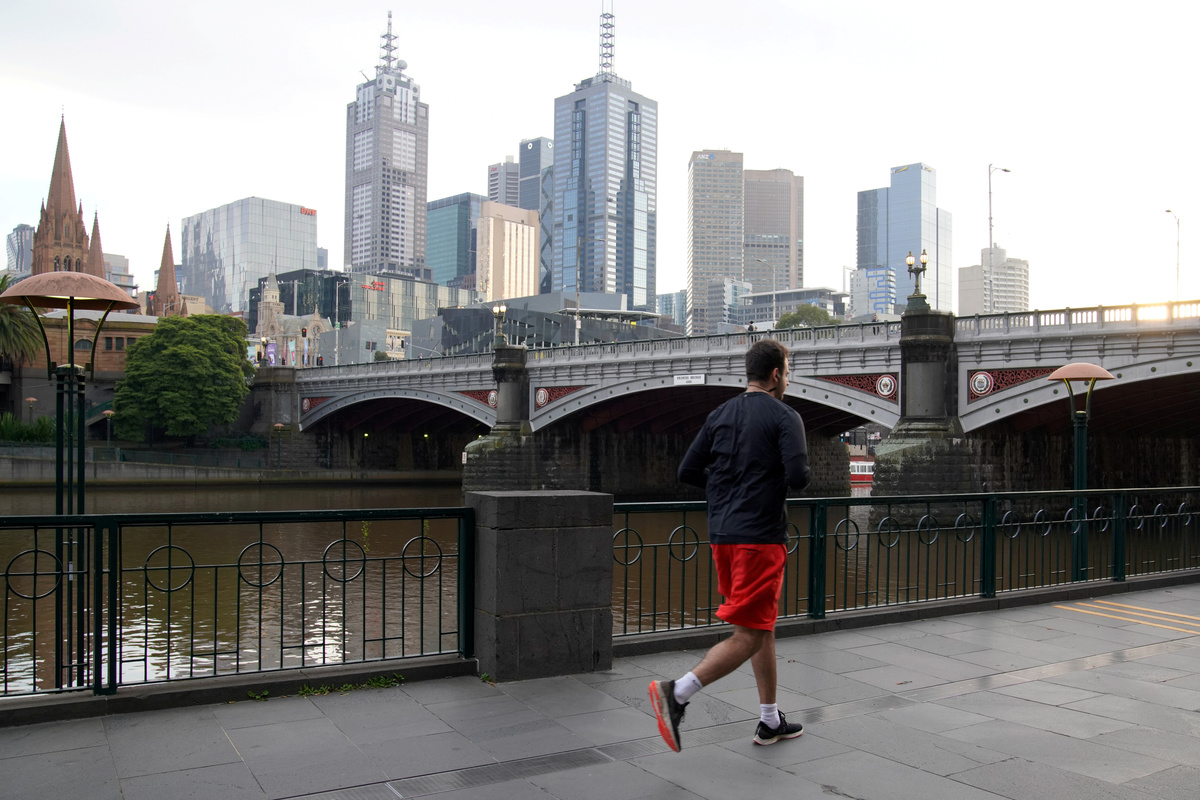
The announcement of the new restrictions comes days after Victoria reimposed a lockdown in Melbourne for six weeks following a surge in cases linked to social distancing breaches in hotels where returned travellers were held in quarantine.
In addition to forcing 5 million people to stay home for all but essential business, the flare-up has led the rest of the country's states to ban Victorians from entering and dealt a blow to hopes for a speedy recovery for the nation's economy.
The state's chief health officer warned there would be a sharp rise in hospitalisations, intensive care cases and deaths in the coming days as a result of the spike in infections.
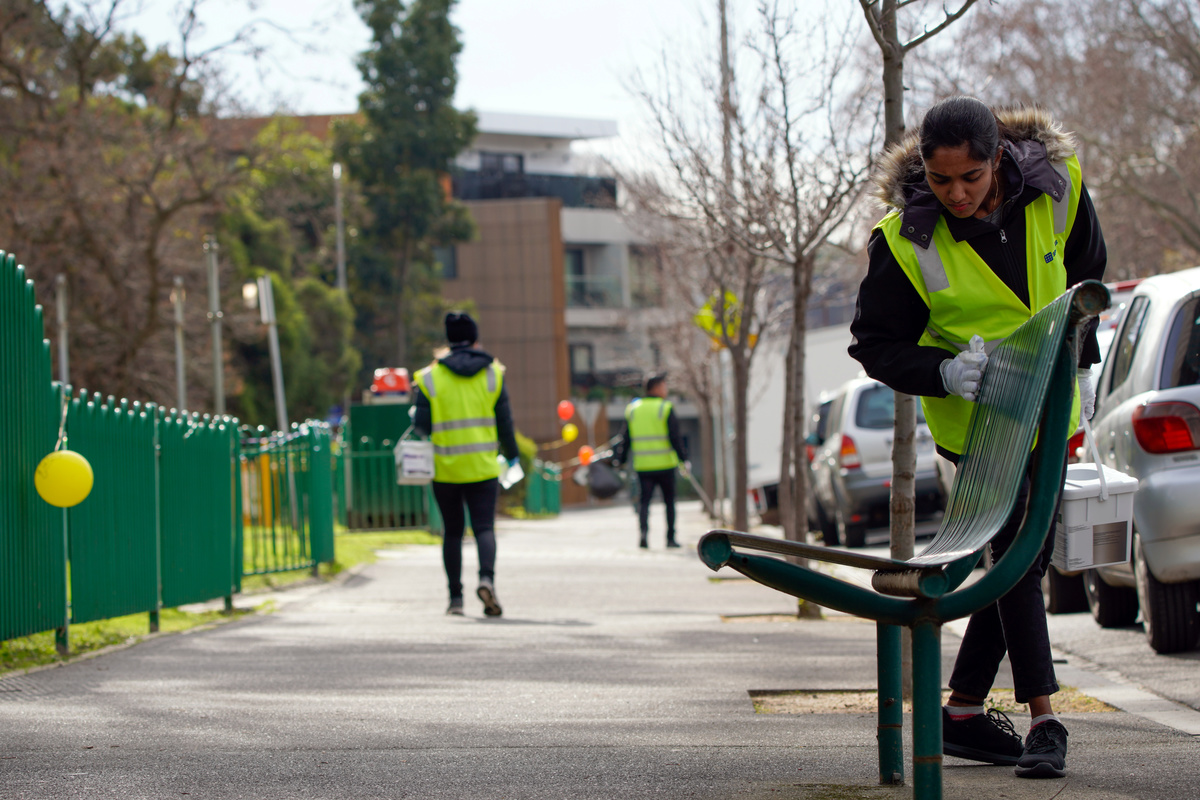
Victoria on Friday also became the first state in the country to urge people to wear masks when they leave home.
To ease the pain for businesses in Melbourne forced to shut again and holiday spots hit by cancellations, the state government also said it would provide a further A$534 million ($371 million), on top of A$6 billion already provided.
"This is us saying: 'We're here with you all the way through what will be a very traumatic, a very distressing and a very difficult time for all Victorians,'" state Treasurer Tim Pallas said in a televised media conference.
The state, which makes up about a quarter of Australia's economy, expects unemployment to peak at 11%, up from 6.9% now. Victoria's economy is expected to shrink by 14% and take two to three years to recover, Pallas said.
The outbreak has also slowed the planned opening of a quarantine-free "travel bubble" with New Zealand, which Morrison discussed with New Zealand Prime Minister Jacinda Ardern on Friday.
Despite surging case numbers, Victoria has relaxed restrictions on most of the 3,000 people who were locked down in nine public-housing towers in Melbourne. One of the nine towers will remain in a hard lockdown for another eight days.
Even with the latest outbreak, Australia has done relatively well in controlling the novel coronavirus so far, with around 9,000 cases and 106 deaths.
($1 = 1.4405 Australian dollars)
(Reporting by Colin Packham and Sonali Paul; Editing by Lincoln Feast and Edwina Gibbs)