SYDNEY (Reuters) - Australia's economy is seen cruising at a comfortable click over the next two years courtesy of strength in jobs, business investment and public spending, though miserly wage growth and a heavily-indebted consumer lurk as threats.
Economists polled by Reuters estimated Australia's A$1.8 trillion ($1.44 trillion) of annual gross domestic product (GDP) expanded 2.3 percent in 2017, unchanged from October's forecast.
That might prove a little low as the most recent reading for the September quarter showed growth up at 2.8 percent and all the economic news for the December quarter has been upbeat.
Analysts predicted growth would level out at 2.8 percent for both 2018 and 2019, extending Australia's already-remarkable run of 26 years without a technical recession.
While the economy might not be firing on all cylinders, there is power in just enough sectors to keep things rolling with the synchronised upturn in the world economy a timely boon.
"Australia is set to ride the global growth wave," said Paul Bloxham, chief economist Australia at HSBC.
"We expect GDP growth to pick up from 2.4 percent in 2017 to 3.2 percent in 2018, as rising global demand is supporting demand for exports of energy commodities, high-quality food products, tourism and education."
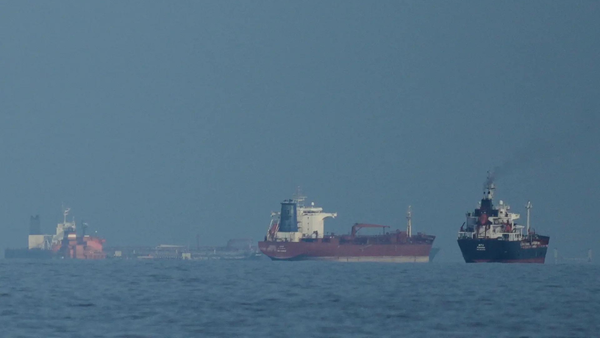
Commodity exports are expanding rapidly as past mining investment comes on stream, notably in liquefied natural gas where Australia is about to become the world's largest shipper.
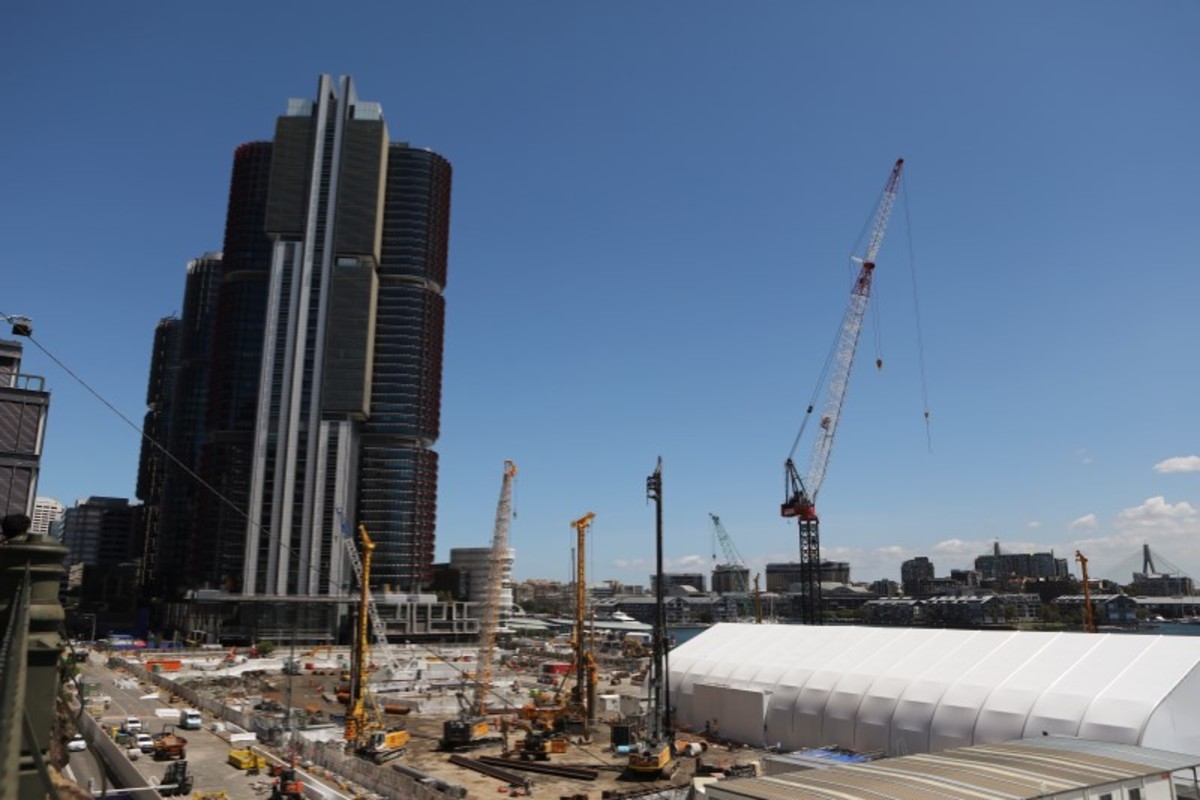
State governments have massively ramped up spending on infrastructure, which is spilling over into private business investment and commercial property construction.
Crucially firms have rediscovered an appetite for labour creating just over 400,000 new jobs last year, equivalent to an increase of 4.8 million in U.S. payrolls.
That has fed through to consumer confidence and fuelled a much-needed rebound in spending last quarter.
Yet, as in much of the developed world, all those jobs have not translated into more pay, with annual wage growth stuck near the slowest on record. That is an oppressive drag on incomes for households, who also happen to hold a record amount of debt.
The weakness in wages has in turn contributed to a long stretch of uncomfortably low inflation.
Core measures favoured by the Reserve Bank of Australia (RBA) have been running below the floor of its 2-3 percent target band for much of the last two years, the chief reason it has had to keep interest rates at a record low of 1.5 percent.
Analysts polled also see only a very gradual pick up in price pressures ahead.
Consumer price inflation is forecast to average 2.2 percent this year and 2.3 percent next, though at least that means the RBA should be able to keep policy loose for as long as proves necessary.
(Reporting by Wayne Cole; Editing by Sam Holmes)