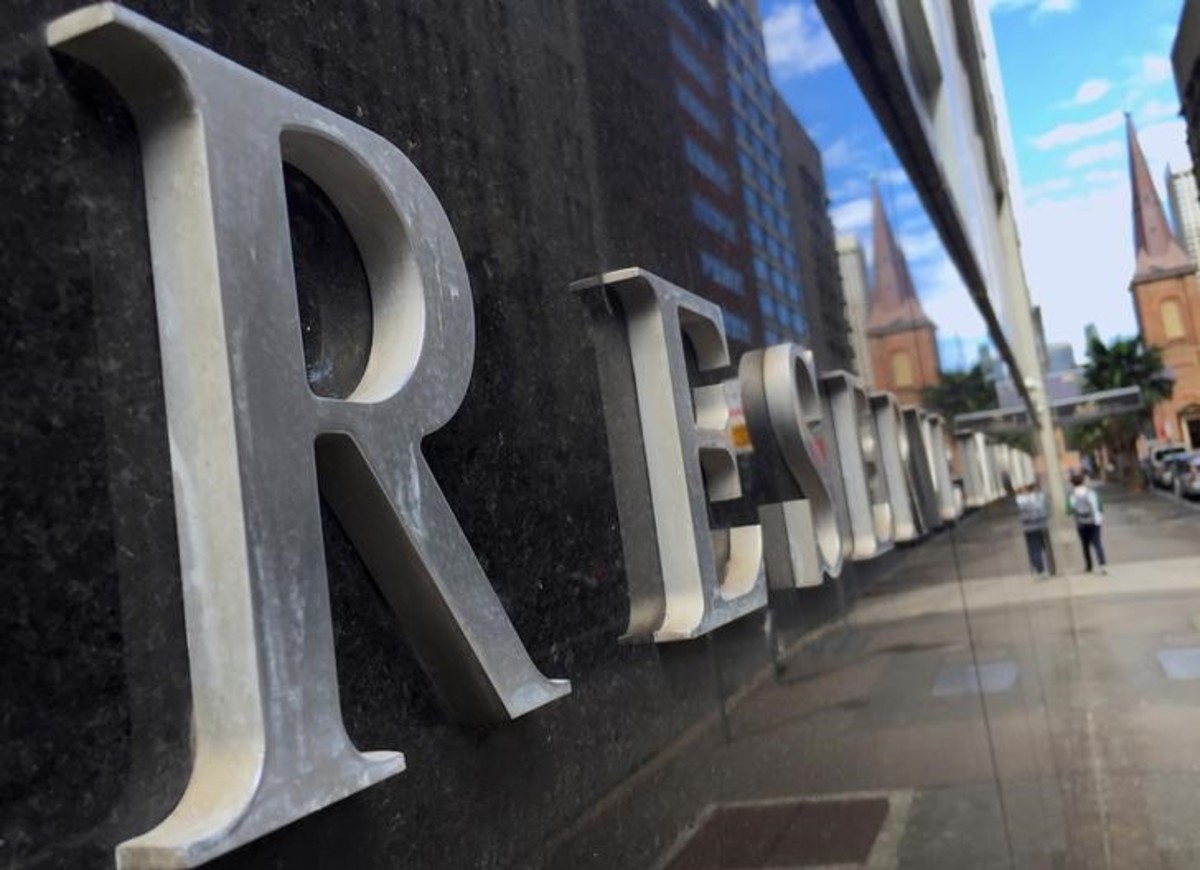
SYDNEY, Oct 13 (Reuters) - Australia's central bank on Friday warned that higher interest rates could hit heavily-indebted households, even as steps taken to head off a debt-fuelled bubble in the country's property market were bearing fruit.
The Reserve Bank of Australia (RBA) has held interest rates at a record low 1.50 percent for more than a year as it juggles lukewarm inflation, slow wages growth and skyrocketing household debt.
The head of the central bank recently warned that households should be preparing for rising rates, albeit not for some time yet.
In its 60-page Financial Stability Review, the RBA singled out all-time-high household borrowing as a key source of risk in Australia's financial system.
"Higher interest rates, or falls in income, could see some highly indebted households struggle to service their debt and so curtail their spending," it said.
Household debt has climbed to a stratospheric 190 percent of disposable income at a time when wage growth has crawled at its slowest pace on record.
Regulators had been concerned a blistering run in home prices, particularly in Sydney and Melbourne, could create the expectation of a further jump in home values, enticing more buyers into the market and fuelling further indebtedness.
As a result, they intensified pressure on the country's biggest banks to slow lending, forcing them to put home loan rates higher specially for speculative property investors.
That has had the desired effect, the RBA said.
While house prices across Australia's major cities are still high, the gains have temperedin the past couple of months. Sydney suffered a rare dip in September, though annual growth was still at 10.5 percent.
The RBA singled out the apartment market in Brisbane as a particular area of concern with supply outstripping demand, although settlement failures have remained within historical average so far.
In non-residential building, the retail sector across Australia has been relatively subdued with flat rents and weak price growth compared to other commercial property segments.
"In liaison, banks have expressed concern over the outlook for the retail sector due to increased competition as well as changing consumer preferences and the failures of some well-known retailers," the RBA said.
"Banksare closely monitoring segments such as clothing and footwear."
POOR CULTURE
The RBA said Australia's banking system was strong, with robust capital and liquidity positions to withstand any shock. Yet it also lashed the banks for weak risk control and poor culture.
Australian banks have suffered a string of scandals over the past couple of years, ranging from poor financial advice to interest rate rigging. Most recently, the Commonwealth Bank of Australia <CBA.AX> has been taken to court for a failure to stop alleged money laundering through its ATMs.
"Regulators have therefore heightened their focus on culture and the industry is taking steps to improve this."
Among other risks globally, the RBA said there were a number of policy uncertainties which if escalated could trigger a "reappraisal of asset valuations and a spike in volatility, while also weighing on the economic outlook."
The RBA pointed to vulnerabilities in China's financial system which has high levels of debt and rapid lending growth through less regulated, and more opaque, channels.