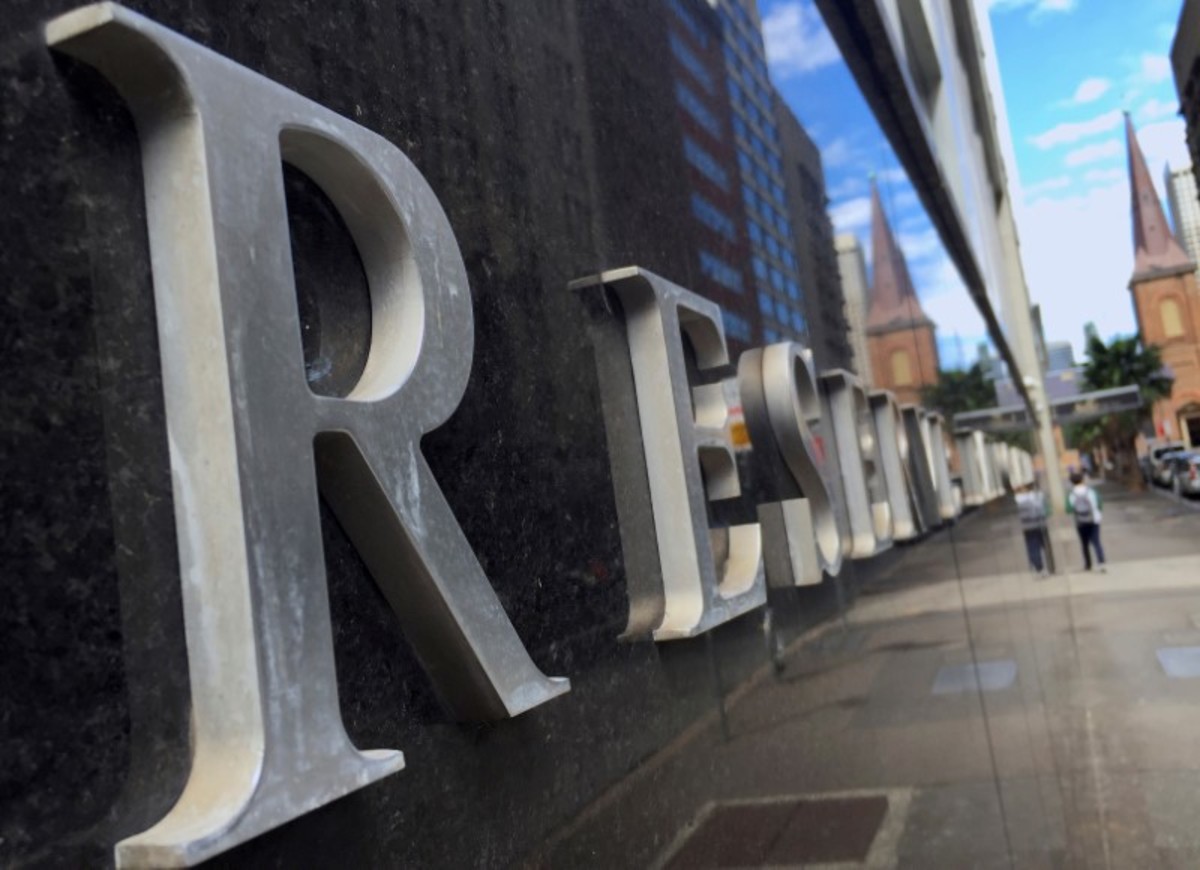
SYDNEY, Aug 15 (Reuters) - - Australia's central bank was confident of a pick-up in inflation and jobs when it left interest rates at record lows this month, foreshadowing a couple of years of "above potential" growth in the economy.
Yet household debt at all time highs and a strong local dollar were key risks to that rosy outlook, minutes of the Reserve Bank of Australia's (RBA) August policy meeting showed.
The RBA held rates at 1.50 percent earlier this month, after last easing in August 2016, and many economists suspect rates could stay at current levels for yet another year.
"Members regarded conditions in the housing market and household balance sheets as continuing to warrant careful monitoring," the minutes showed.
The Board needed to "balance the risks associated with high household debt in a low-inflation environment" by keeping policy unchanged.
Board members noted the recent rise in the Australian dollar <AUD=D4>, which raced to a two-year peak at the end of July amid a broad decline in the U.S. dollar. The Aussie has since eased a little, falling 1.4 percent in the last three weeks.
A further rise in the currency could compress consumer prices and weigh on the outlook for growth and employment, the RBA warned.
The central bank expects a gradual pick-up in inflation and forecast the A$1.7 trillion economy would grow at around 3 percent over the next couple of years.
The RBA's optimism stems from a recent revival in the labour market with more full-time jobs created than part-time. Corporate profits are surging while measures of business confidence and conditions are the strongest since 2008.
It expects wages growth - stuck at a record low 1.90 percent - to tick higher as employment gathers momentum.
Still, it is not considering raising rates anytime soon, largely due to the burden of household debt, currently at 190 percent of disposable income.
Indebtedness has increased as more Australians speculate in the property market, particularly in Sydney and Melbourne where home prices have broadly doubled since 2008.
“Ongoing low wage growth and the high level of debt on household balance sheets raised the possibility that consumption growth could be lower than forecast,” the RBA said.
Regulators have taken stringent action since the start of the year to ease the brisk pace of house prices and, while there are early signs of a slowdown, the RBA is not fully convinced those measures are bearing fruit.