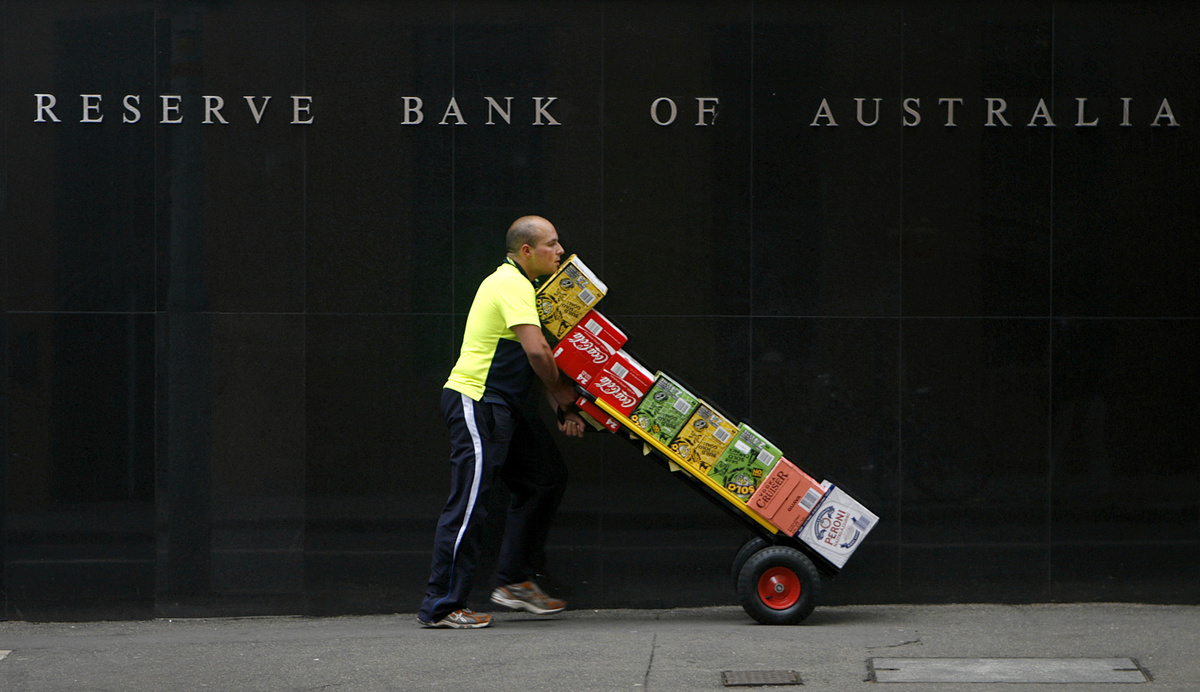
SYDNEY, Dec 17 (Reuters) - Australia's central bank has opened the door to another cut in interest rates as early as February should household incomes stay depressed or the labour market takes a turn for the worse.
Minutes of its December policy meeting out on Tuesday, showed the Reserve Bank of Australia's (RBA) Board were concerned that wage growth was too weak to revive either inflation or consumption.
"Members agreed it would be important to reassess the economic outlook in February 2020, when the Bank would prepare updated forecasts," the minutes showed.
"Members agreed it would be concerning if there were a deterioration in the outlook."
The Board also that the RBA had the ability to provide further stimulus to the economy if required and that a long period of low rates would be needed to meet its goals.
The RBA next meets on Feb. 4 when the RBA will have readied its quarterly outlook on the economy. Changes in interest rates have often correlated with the timing of these forecasts.
Financial markets <0#YIB:> are currently pricing in around a one-in-three chance of a quarter-point rate cut in February, with a move fully priced in by May.
Policy makers have also flagged the possibility of using more drastic means, including buying government bonds, though they hoped it would not come to that.
The RBA has already eased three times since June, taking rates to a record low of 0.75%, but it has had a limited impact on subdued consumption given slow income growth, a problem repeatedly highlighted in the minutes.
"The persistently low growth in household incomes continues to be a source of concern," the minutes showed.
"The current rate of wages growth was not consistent with inflation being sustainably within the target range...nor was it consistent with consumption returning to trend."
Wages grew at miserly 2.3% pace in the year to September, only a little above inflation and well below the 3.5% rate favoured by policy makers.
The conservative government of Prime Minister Scott Morrison this week slashed its forecasts for wages growth, conceding it would not accelerate above 3% as previously predicted.
Morrison has, however, repeatedly rebuffed calls for a burst of fiscal stimulus to lift growth arguing it was more important to return the government's budget to surplus.
The minutes showed the Board discussed the negative impact past rate cuts had on consumer sentiment, but felt the stimulus provided outweighed any drag. (Reporting by Wayne Cole)