Australians urged to avoid rush hour crush in return to work
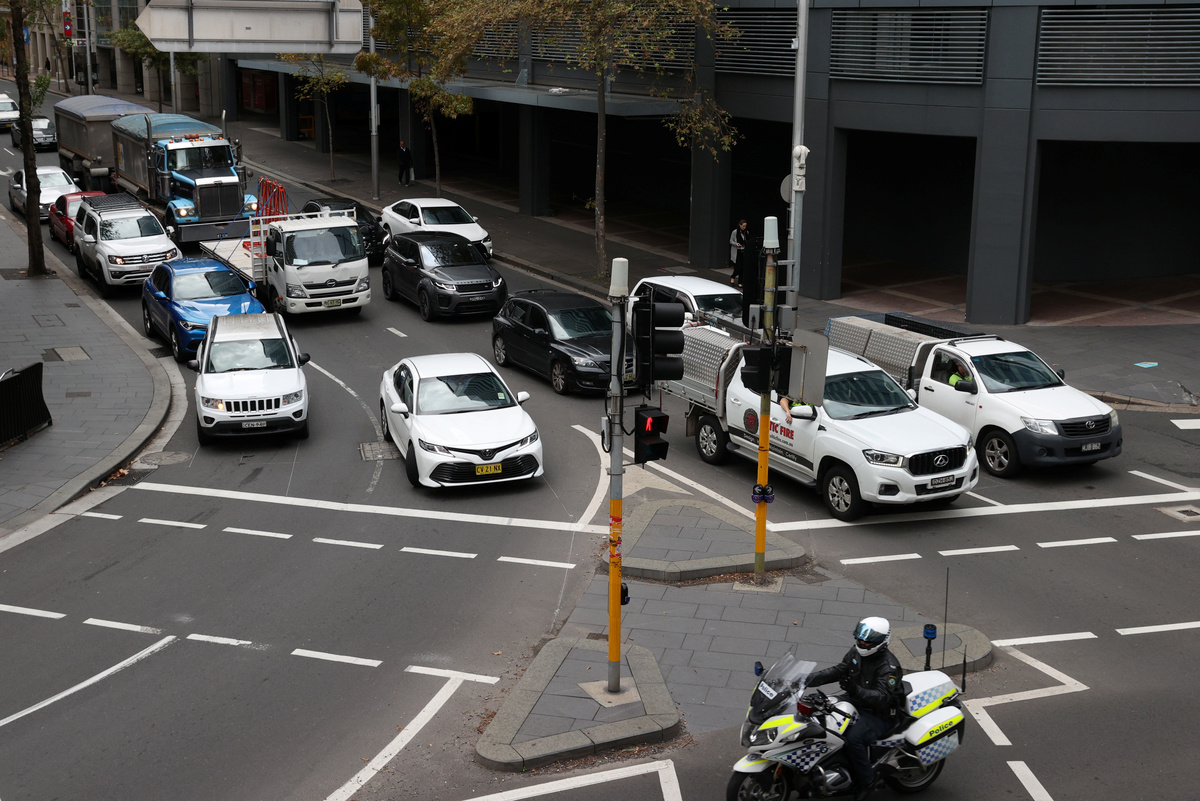
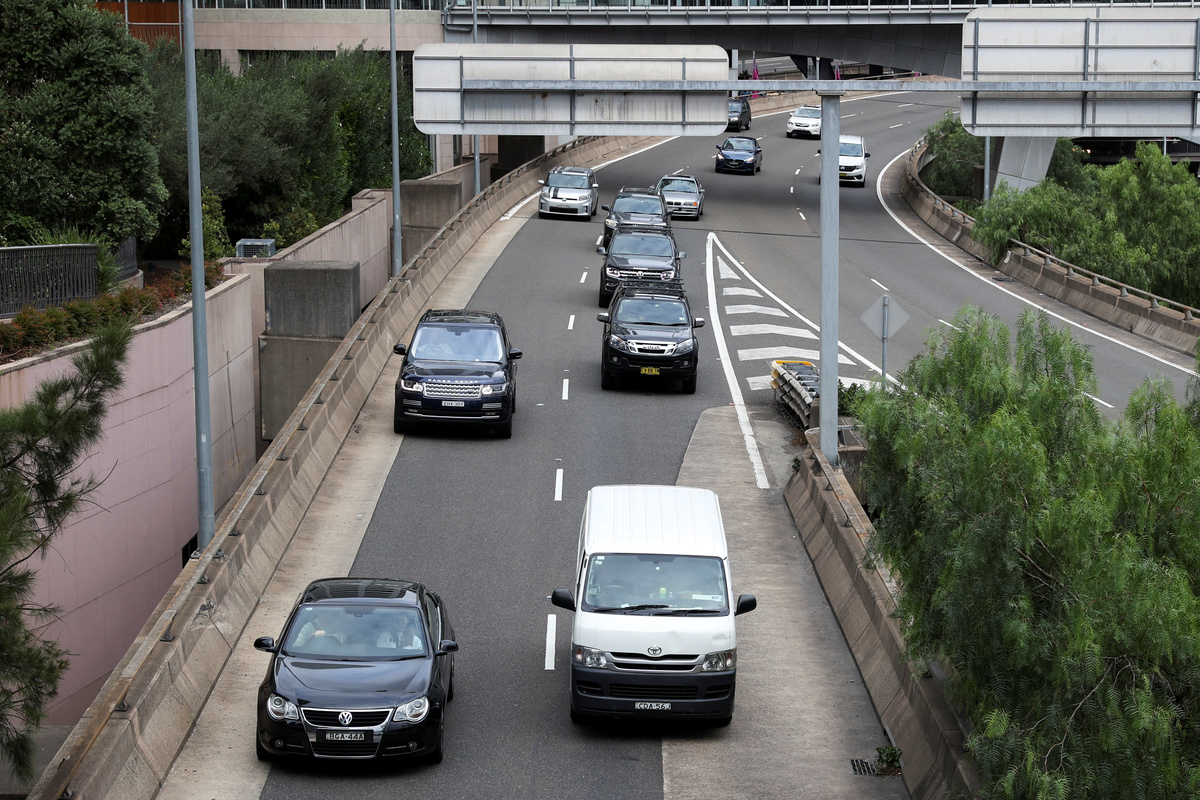
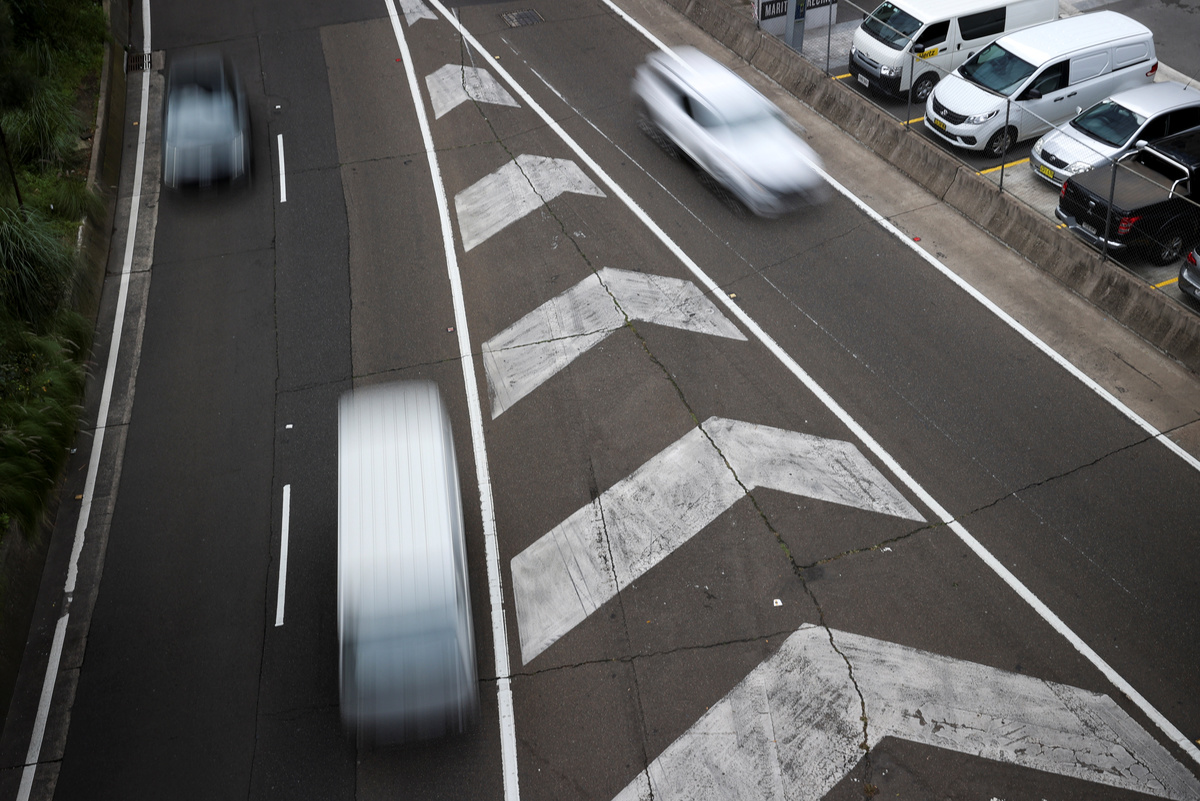
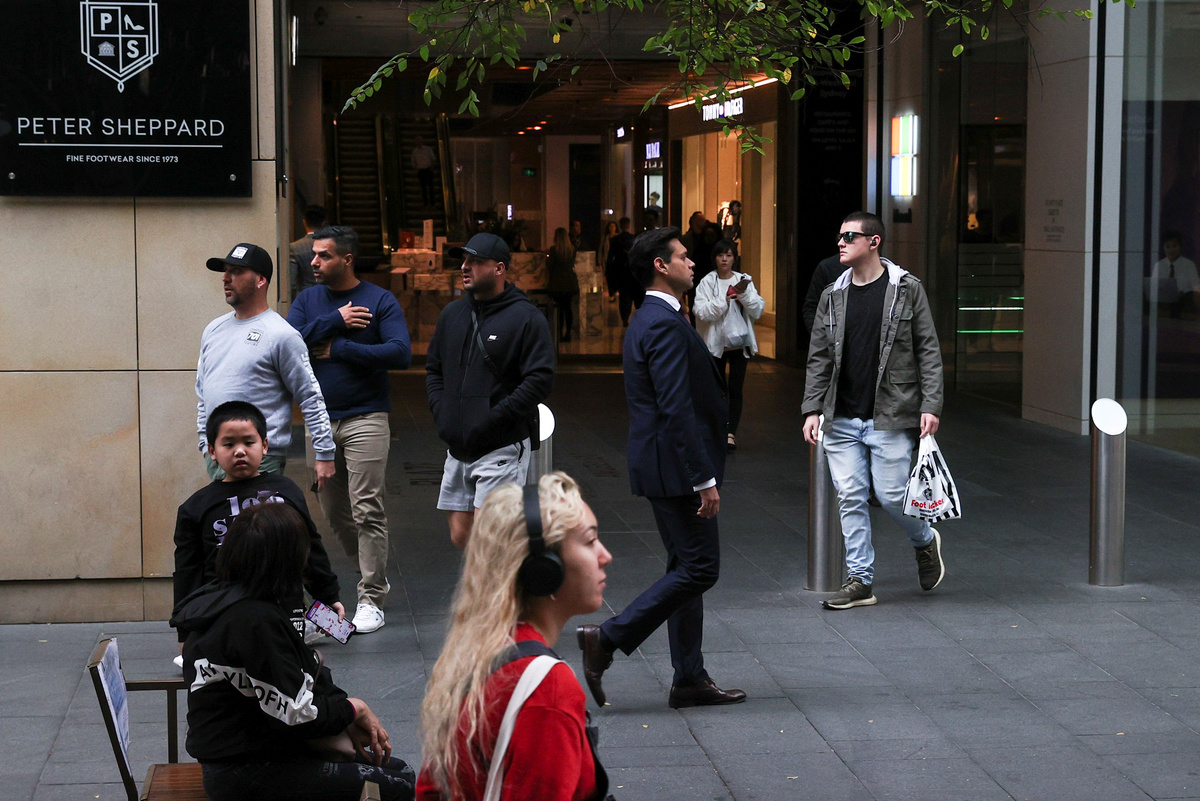
Increased traffic is seen in the city centre following the easing of restrictions implemented to curb the spread of the coronavirus disease (COVID-19) in Sydney, Australia, May 18, 2020. REUTERS/Loren Elliott
Australians in the country's most populated state began their first full week of loosened coronavirus lockdown measures on Monday, with officials urging commuters returning to offices to avoid catching peak hour trains and buses.
New South Wales (NSW) state Premier Gladys Berejiklian said people should travel in off-peak times, ride bicycles or drive to work to prevent overcrowding on public transport.
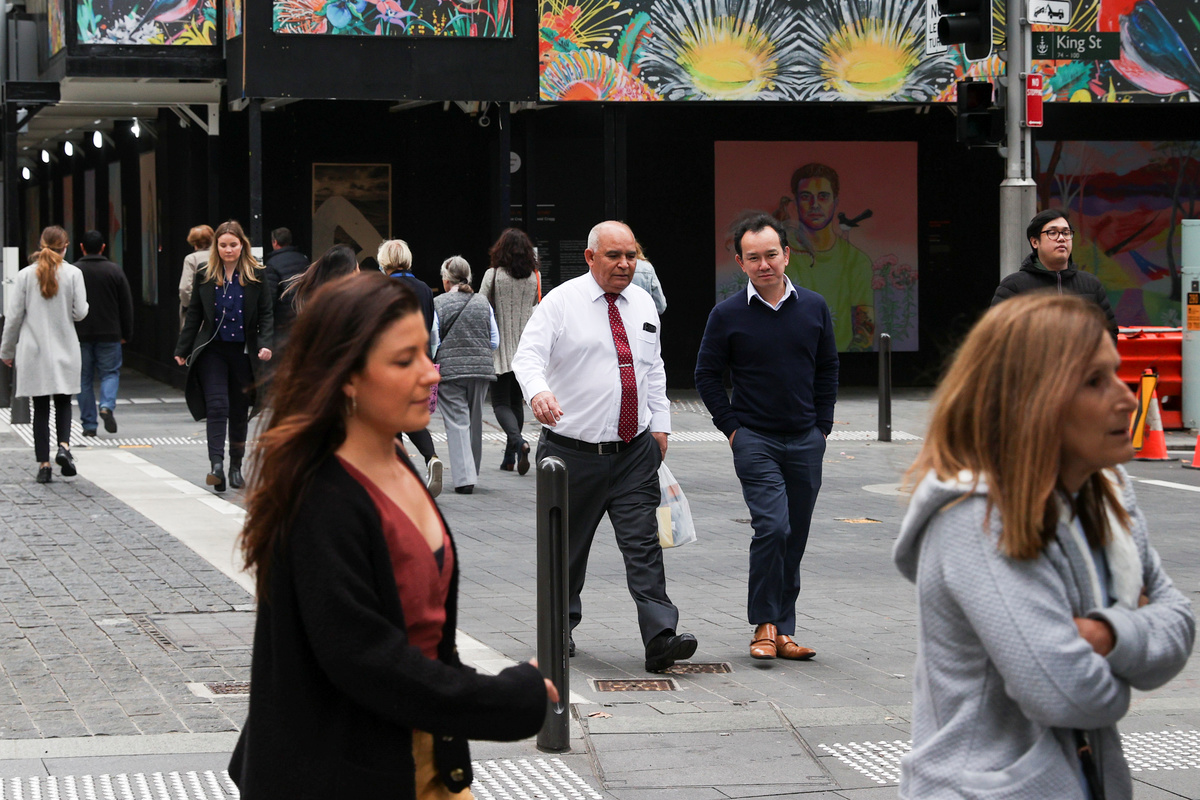
Increased foot traffic is seen in the city centre following the easing of restrictions implemented to curb the spread of the coronavirus disease (COVID-19) in Sydney, Australia, May 18, 2020. REUTERS/Loren Elliott
Australia's states and territories are beginning to allow more public activity under a three-step government plan after two months of shutdowns that officials have credited with keeping the country's exposure to the pandemic relatively low.
NSW, which includes Australia's most populous city Sydney, reported just one new infection in the previous 24 hours. The state also reported one additional death, the first nationally in almost a week, taking the nationwide toll to 99 from 7,060 infections.
"We normally encourage people to catch public transport but given the constraints in the peak and the fact we are exercising social distancing, we want people to consider different ways to get to work," Berejiklian told reporters in Sydney.
Increased traffic is seen in the city centre following the easing of restrictions implemented to curb the spread of the coronavirus disease (COVID-19) in Sydney, Australia, May 18, 2020. REUTERS/Loren Elliott
"Places in and around the CBD, but also in employment hubs, will be investigated and more pop-up parking stations will be made available," she added.
Berejiklian gave little detail about the proposed "pop-up" parking lots, which were among plans that included more cycleways also.
For people still catching trains and buses, the government is ordering "intense and ongoing cleaning" across the public transport network, she said.
Increased traffic is seen in the city centre following the easing of restrictions implemented to curb the spread of the coronavirus disease (COVID-19) in Sydney, Australia, May 18, 2020. REUTERS/Loren Elliott
Neighbouring Victoria state, which along with NSW accounts for more than half Australia's 25 million population, reported six new cases of coronavirus in the 24 hours to Monday.
Twelve McDonald's Australia restaurants in Victoria were closed after a delivery driver tested positive to the illness, local media reported. McDonald's Australia CEO Andrew Gregory was quoted in local media as saying the driver not symptomatic and no McDonald's diners were at risk of contracting the illness from the driver. McDonald's Australia is a separate corporate entity to McDonald's Corp.
A row was brewing between NSW and its northern neighbour Queensland after the latter's leader, Annastacia Palaszczuk, said the state border could be closed until September. Queensland reported two new cases over the past 24 hours.
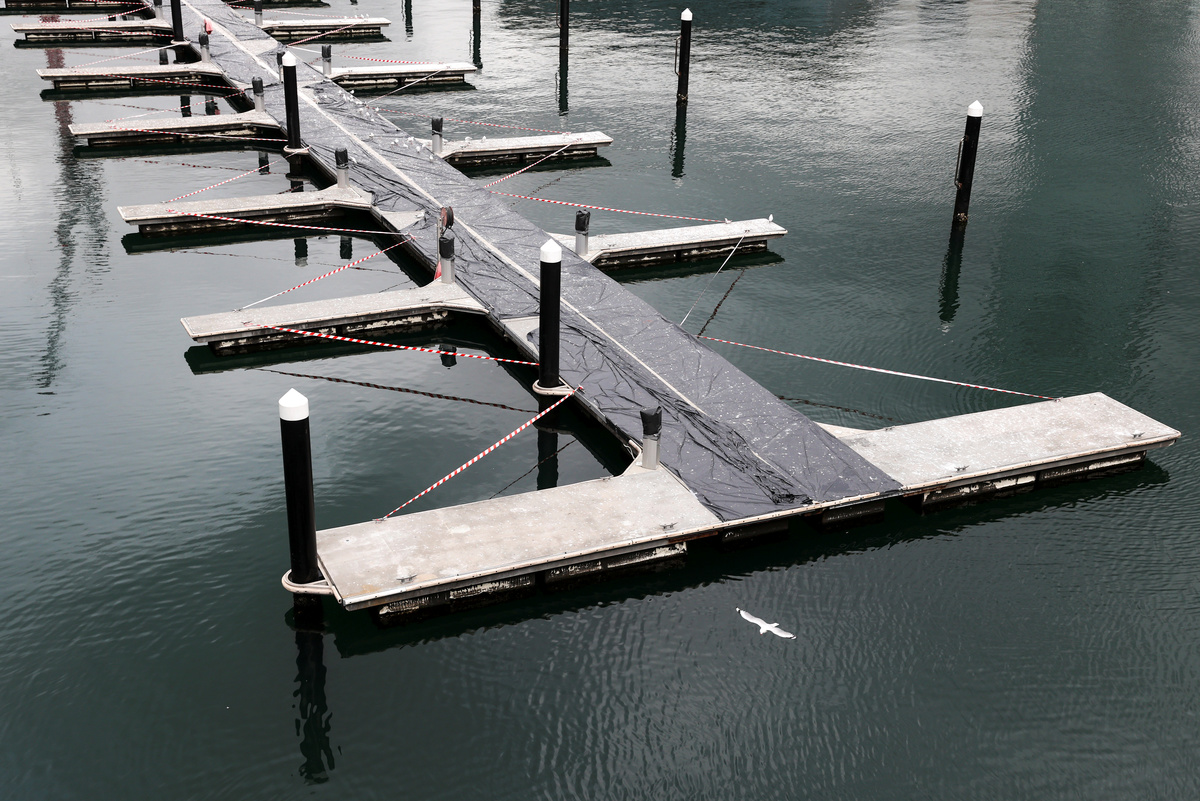
A taped off dock is seen in Darling Harbour, following the easing of restrictions implemented to curb the spread of the coronavirus disease (COVID-19) in Sydney, Australia, May 18, 2020. REUTERS/Loren Elliott
In response, NSW's Berejiklian said there was a benefit to retaining the national border closure only.
Meanwhile, Australia is joining dozens of countries pushing for an investigation into the origins of the new coronavirus when the World Health Assembly, the decision-making body of the World Health Organisation (WHO), meets in Switzerland this week for its first annual meeting since the COVID-19 pandemic began.
The issue has led to a diplomatic spat with China and Foreign Minister Marise Payne said on Monday she was "very encouraged by the growing levels of support" for the inquiry.
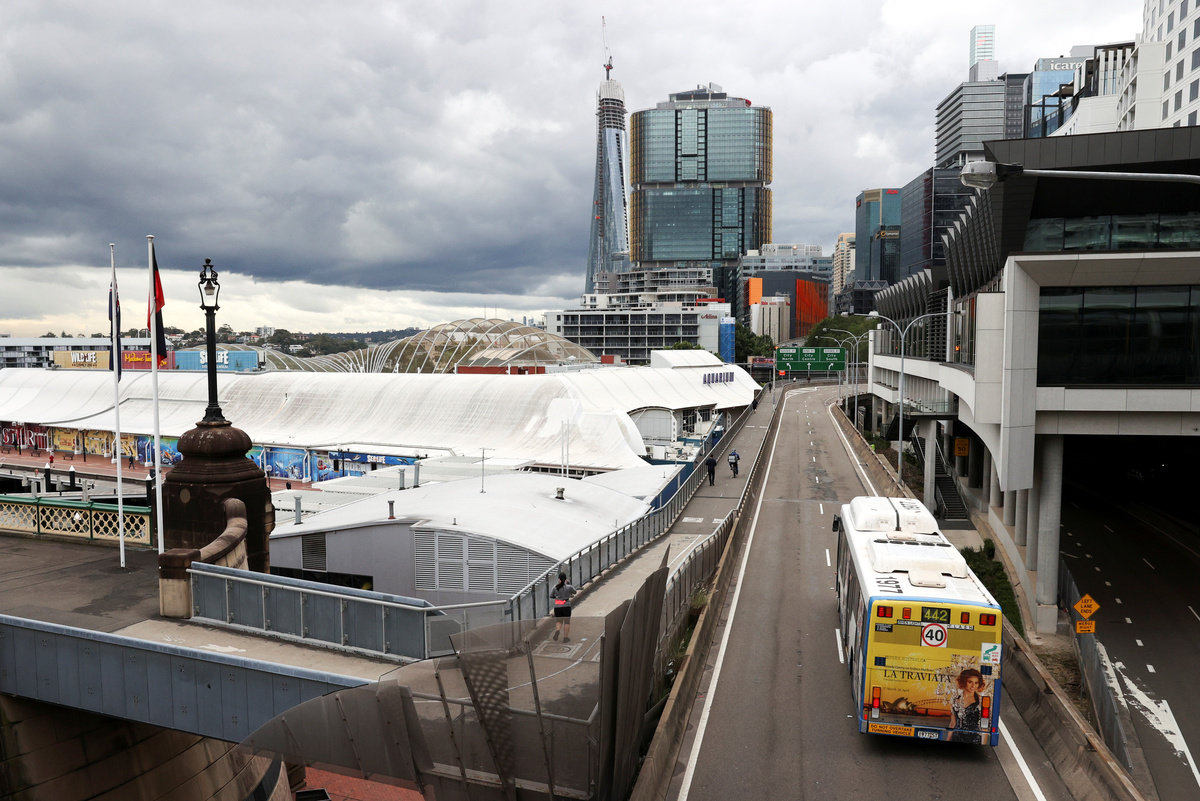
A bus is seen on a street, following the easing of restrictions implemented to curb the spread of the coronavirus disease (COVID-19) in Sydney, Australia, May 18, 2020. REUTERS/Loren Elliott
(Reporting by Byron Kaye and Renju Jose; editing by Jane Wardell)
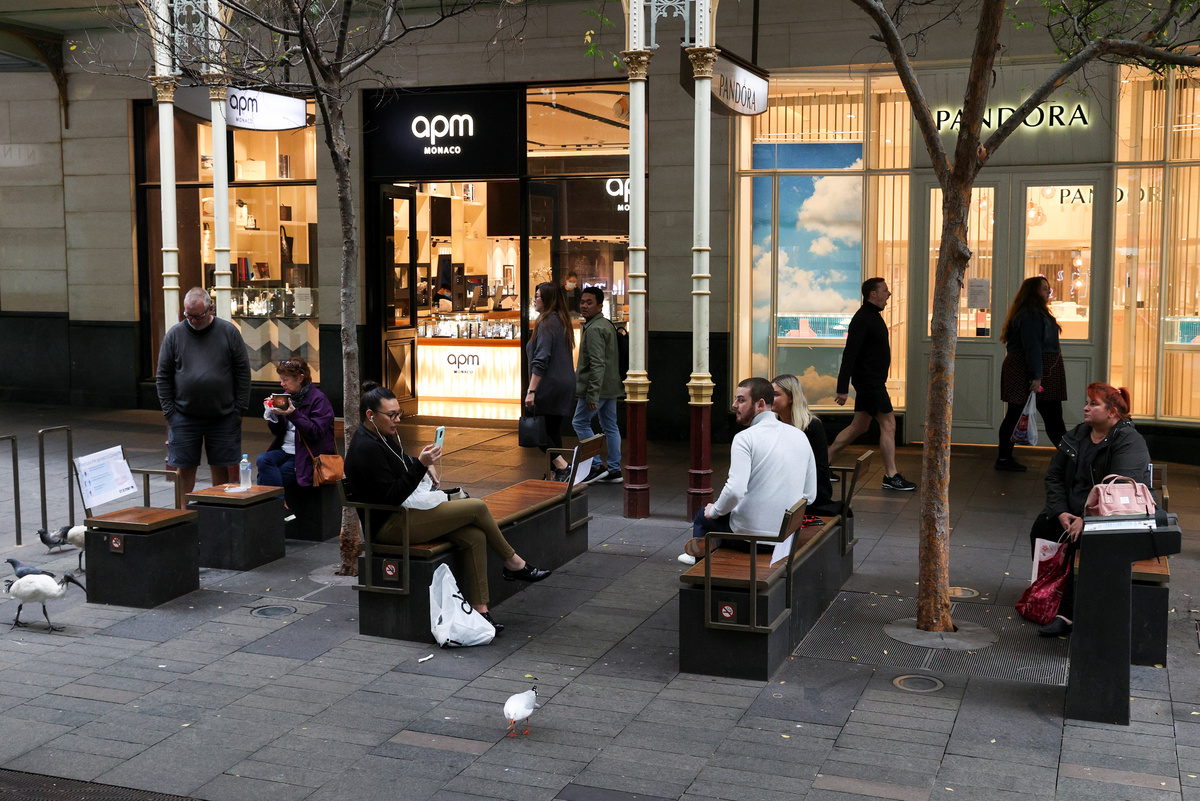
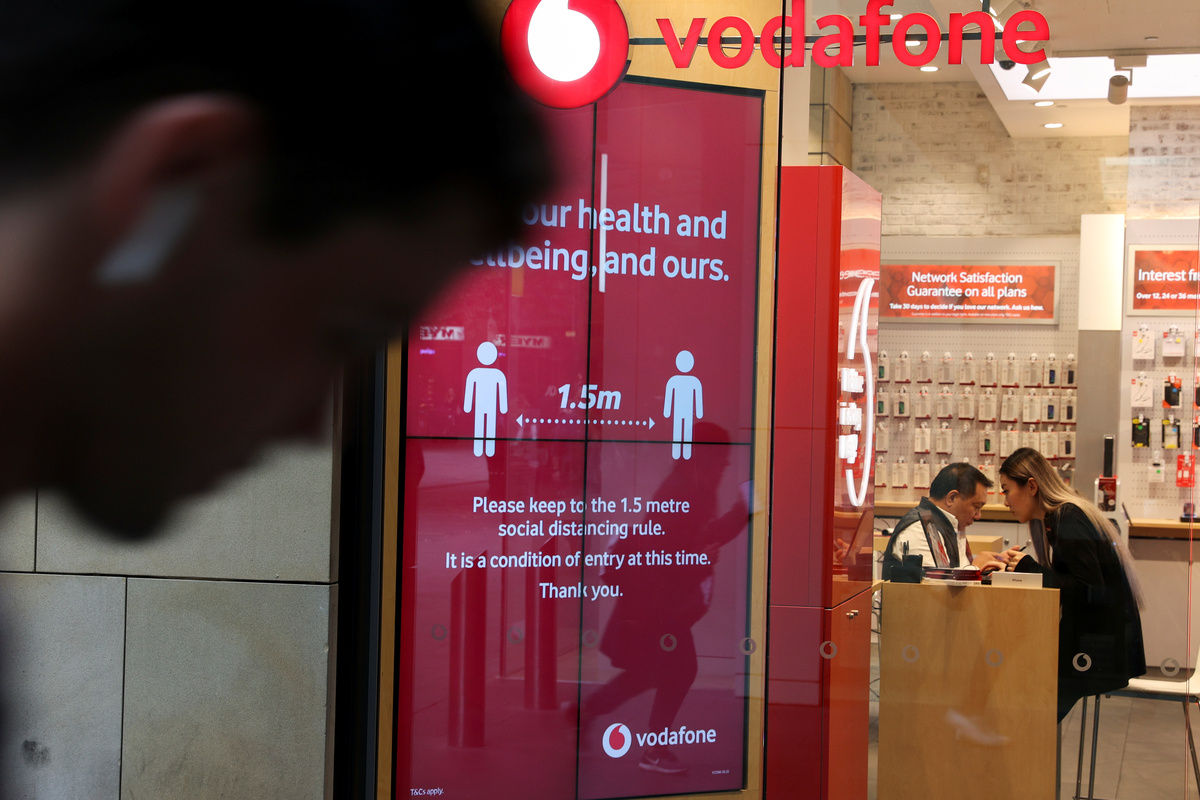
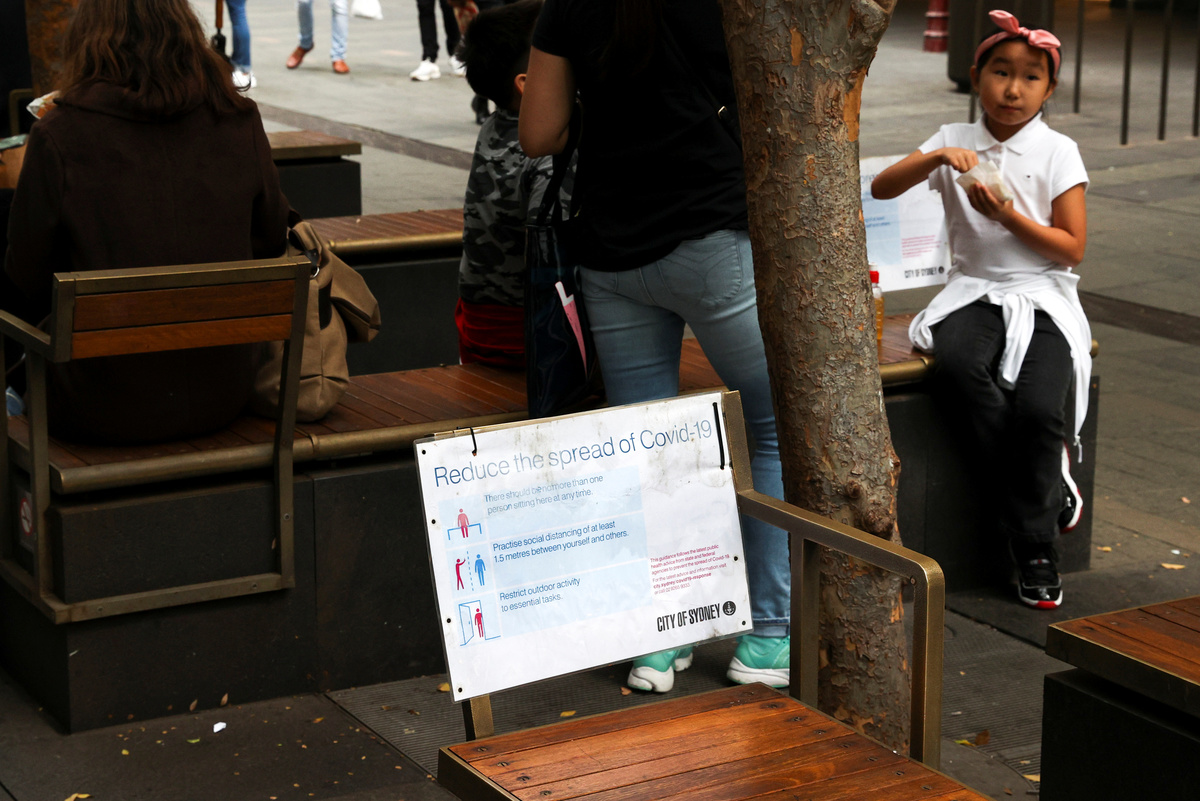
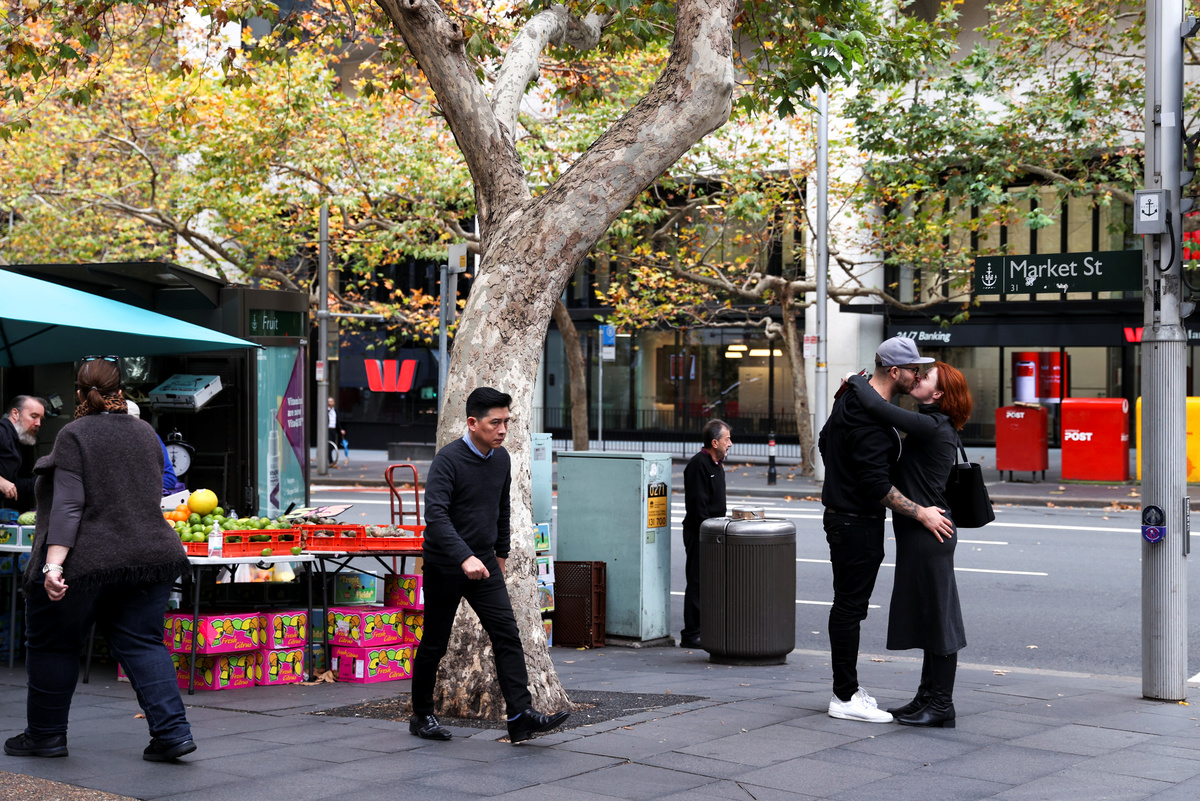
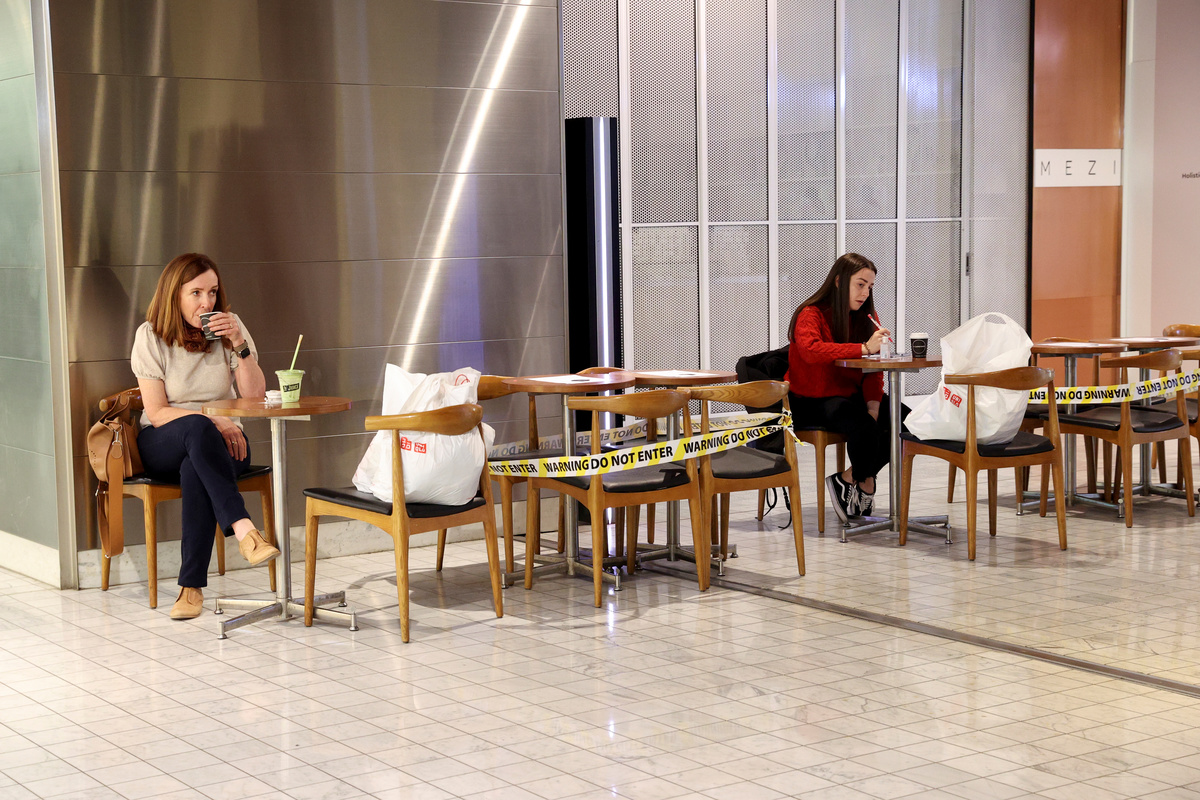
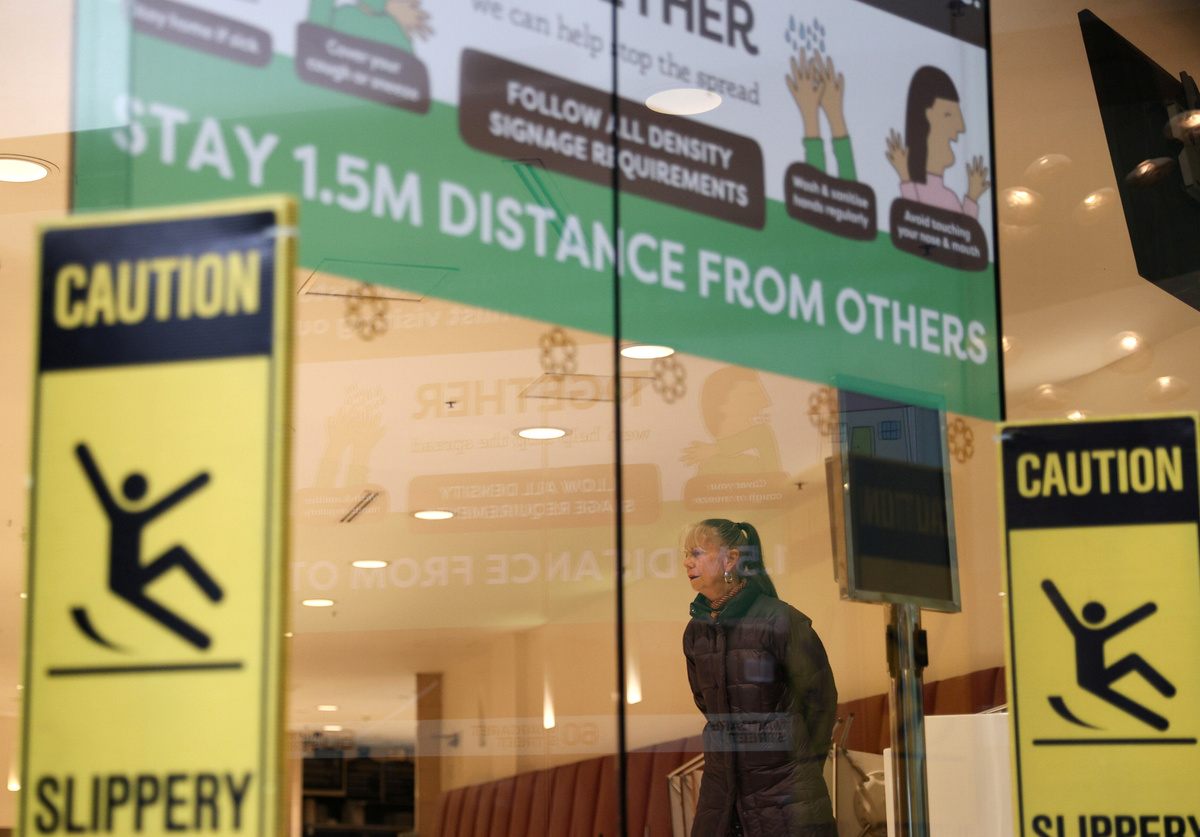
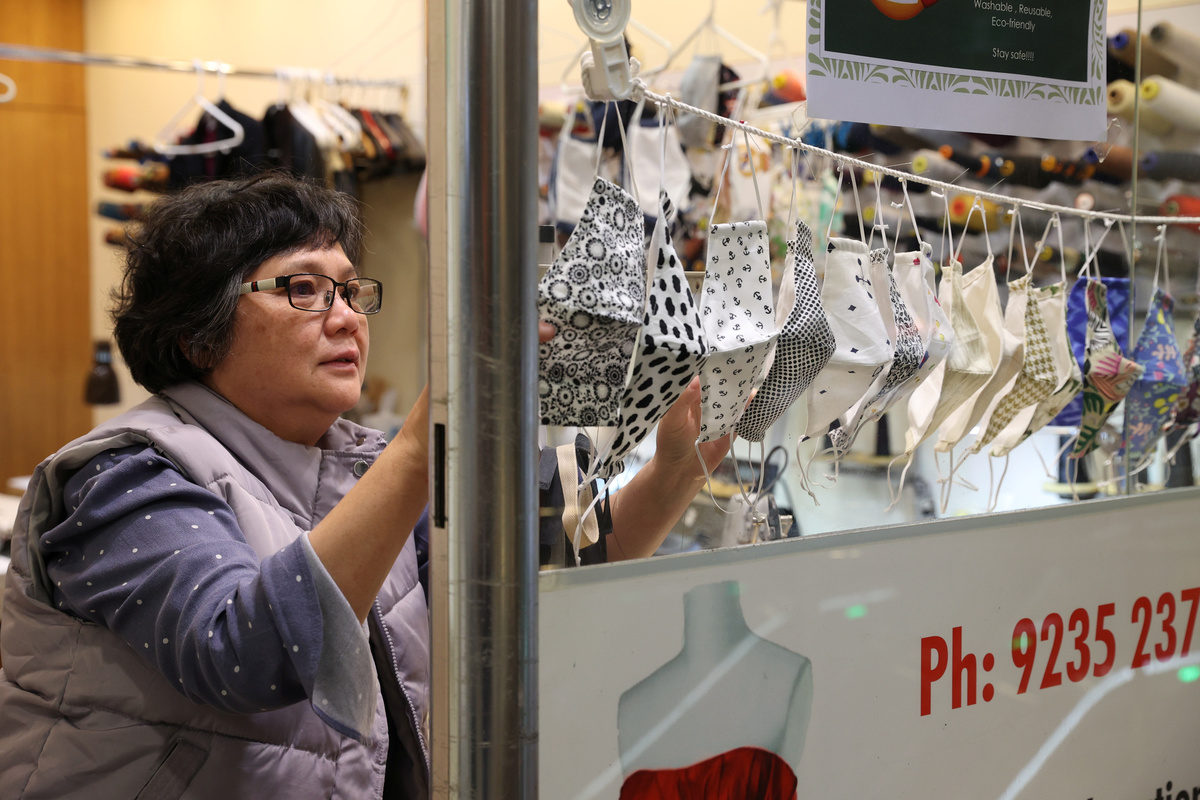
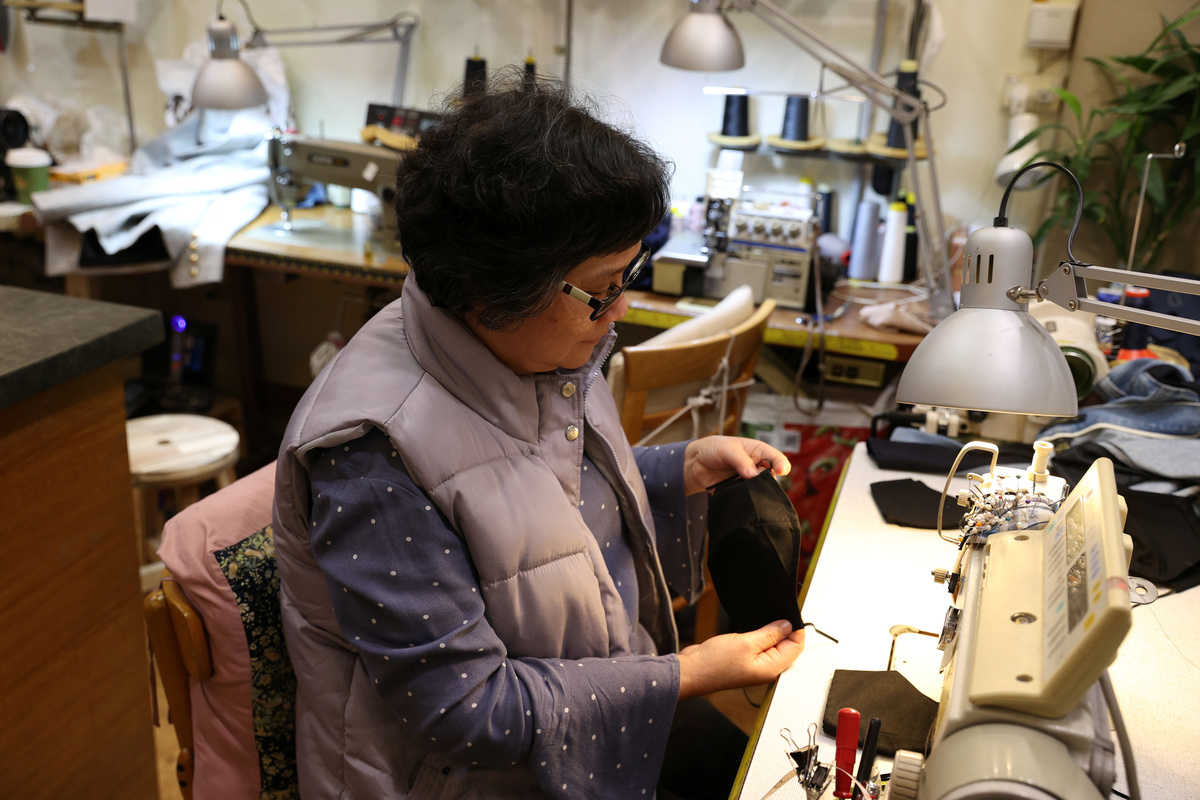
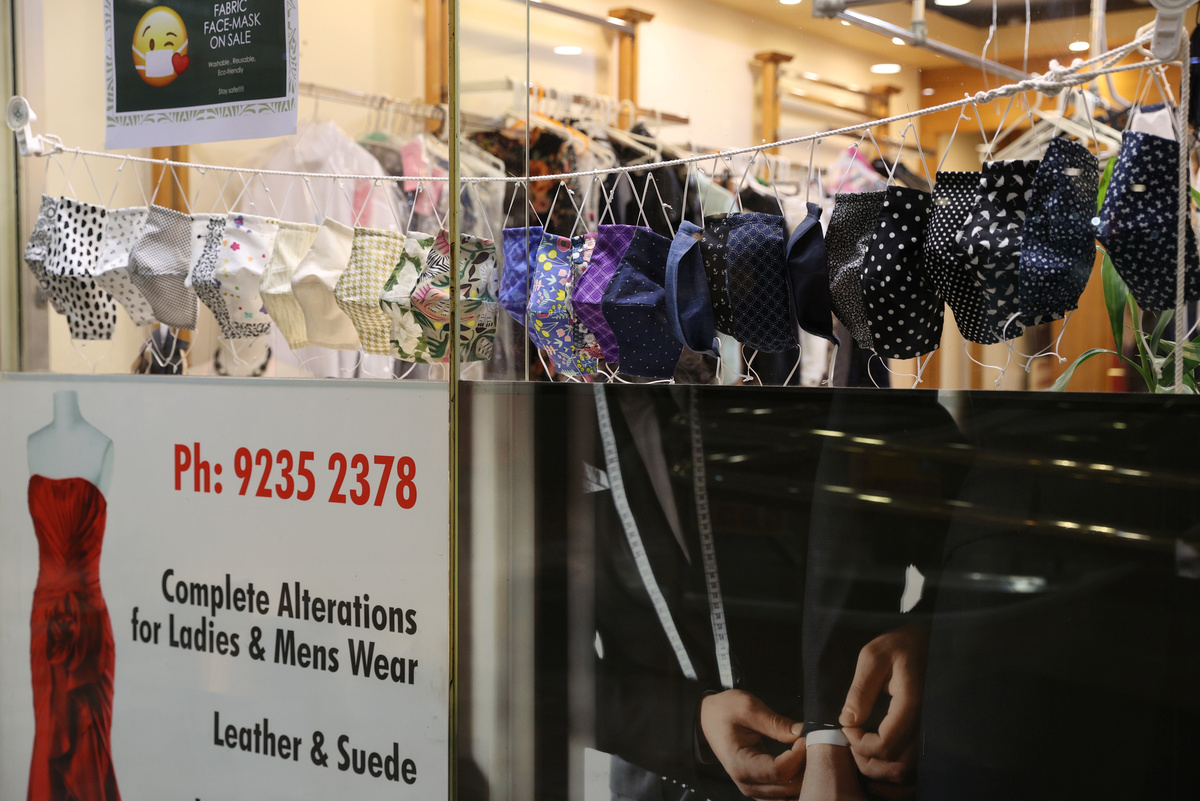
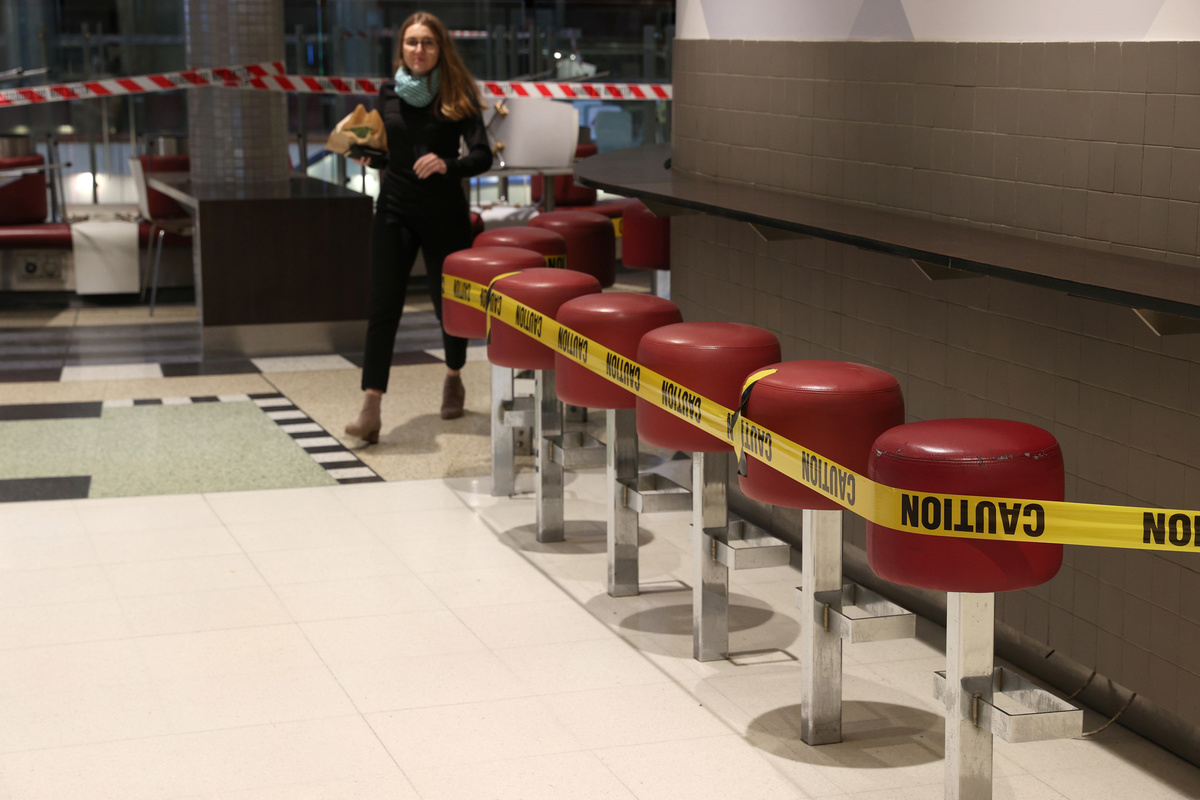
People rest on benches in the city centre following the easing of restrictions implemented to curb the spread of the coronavirus disease (COVID-19) in Sydney, Australia, May 18, 2020. REUTERS/Loren ElliottA branch of Vodafone is seen open in the city centre following the easing of restrictions implemented to curb the spread of the coronavirus disease (COVID-19) in Sydney, Australia, May 18, 2020. REUTERS/Loren ElliottIncreased foot traffic is seen in the city centre following the easing of restrictions implemented to curb the spread of the coronavirus disease (COVID-19) in Sydney, Australia, May 18, 2020. REUTERS/Loren ElliottA sign is seen on a bench following the easing of restrictions implemented to curb the spread of the coronavirus disease (COVID-19) in Sydney, Australia, May 18, 2020. REUTERS/Loren ElliottA couple kiss on a street, following the easing of restrictions implemented to curb the spread of the coronavirus disease (COVID-19) in Sydney, Australia, May 18, 2020. REUTERS/Loren ElliottPeople practice social distancing at a cafe in the city centre, following the easing of restrictions implemented to curb the spread of the coronavirus disease (COVID-19) in Sydney, Australia, May 18, 2020. REUTERS/Loren ElliottA sign instructing safe distancing hangs on a shop window, following the easing of restrictions implemented to curb the spread of the coronavirus disease (COVID-19) in Sydney, Australia, May 18, 2020. REUTERS/Loren ElliottA shopkeeper hangs newly sewn face masks on her shop window, following the easing of restrictions implemented to curb the spread of the coronavirus disease (COVID-19) in Sydney, Australia, May 18, 2020. REUTERS/Loren ElliottA shopkeeper makes face masks for sale in her shop, following the easing of restrictions implemented to curb the spread of the coronavirus disease (COVID-19), in Sydney, Australia, May 18, 2020. REUTERS/Loren ElliottFace masks are displayed for sale in a shop window, following the easing of restrictions implemented to curb the spread of the coronavirus disease (COVID-19), in Sydney, Australia, May 18, 2020. REUTERS/Loren ElliottA "Caution" tape wraps around a row of seats at a shopping center, following the easing of restrictions implemented to curb the spread of the coronavirus disease (COVID-19), in Sydney, Australia, May 18, 2020. REUTERS/Loren Elliott
Sign up to read this article
Read news from 100’s of titles, curated specifically for you.