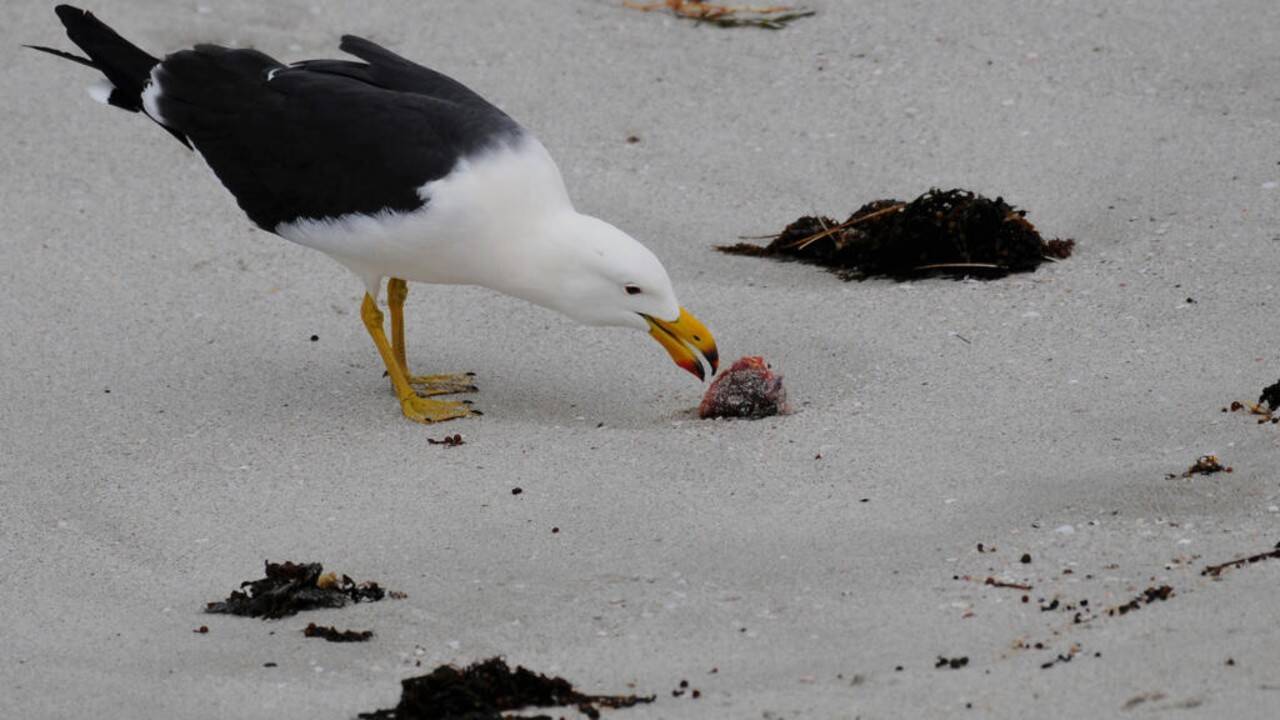
Australia is facing a new biosecurity challenge after the detection of the highly pathogenic H5 bird flu strain in migratory seabirds. The discovery ends years of Australia being one of the few major regions without the global H5N1 impact, which has spread widely among birds and some mammals.
Get breaking news anytime, anywhere. Download the TOI app now!
The latest detections have triggered increased surveillance across the country, with authorities closely monitoring wild birds, poultry farms and vulnerable wildlife populations. According to the Australian Broadcasting Corporation, Australia has intensified testing after confirming H5N1 cases in two states — Western Australia and South Australia — following detections in migratory seabirds.
The first mainland Australian detection was reported in Western Australia after a migratory seabird, a brown skua found in a remote area near Cape Le Grand National Park, tested positive for the H5 strain. Australian authorities later confirmed another infected bird in Western Australia, followed by a confirmed case in South Australia involving a giant petrel found at Knights Beach, Port Elliot.
Authorities have emphasised that the virus has not been detected in commercial poultry operations or domestic bird populations so far, and no human infections have been reported in Australia.
Why Australia’s cases are significant
The arrival of H5N1 in Australia is being closely watched because the country has remained largely outside the current global wave of H5 bird flu that has affected wild birds across continents since 2021. According to Wildlife Health Australia, the H5N1 strain currently circulating globally has caused unprecedented impacts among wild birds and has also infected several mammal species.
Australian officials believe migratory birds may have played a role in bringing the virus into the country. Reuters reported that the detections are linked to migratory seabirds, with authorities increasing monitoring and biosecurity measures while investigating possible pathways of entry.
The concern is not only about farm losses. Conservation experts have warned that Australia’s unique wildlife could face serious consequences if the virus spreads among native species. A federal analysis cited by The Guardian identified several native birds and mammals as potentially vulnerable because of their limited populations and ecological sensitivity.
What Australian authorities are doing
Following the detections, federal and state agencies have stepped up surveillance efforts, including additional testing of wild birds, monitoring of high-risk locations and preparedness measures for possible outbreaks.
Reuters reported that authorities have increased monitoring through ground surveys and drone-based surveillance at some wildlife sites, while maintaining that there is currently no evidence of spread into poultry farms or a threat to the public.
Biosecurity measures are also being reviewed. Some trading partners temporarily restricted Australian poultry imports following the detections, though restrictions were eased after reassurances from authorities regarding containment measures.
H5N1 bird flu: What it is, human risk and safety measures
H5N1 is a strain of avian influenza A virus that mainly affects birds. The virus has caused large outbreaks among wild birds and poultry globally and, according to the US Centers for Disease Control and Prevention (CDC), has also infected some mammals and caused rare human cases. Unlike seasonal flu, H5N1 is not currently spreading easily between people, with most human infections linked to close contact with infected animals.
Australia has reported no human infections linked to the recent bird detections. Globally, human cases remain rare and have mostly involved people exposed to infected birds, poultry or animals. The CDC says the risk to the general public remains low as sustained human-to-human transmission has not been detected.
In rare human cases, symptoms can include fever, cough, sore throat, fatigue, muscle aches, red eyes and, in severe cases, breathing difficulties or pneumonia.
The virus spreads mainly among birds through droppings, saliva, respiratory secretions and contaminated surfaces. People at higher risk include poultry workers, farmers, wildlife handlers and those who come into contact with sick or dead birds.
Australian authorities have advised people not to touch sick or dead birds and to report unusual bird deaths. Precautions include avoiding contact with infected wildlife, washing hands after handling animals, using protective equipment when needed and following local biosecurity advice. The CDC has also said properly handled and cooked poultry and eggs remain safe to consume.