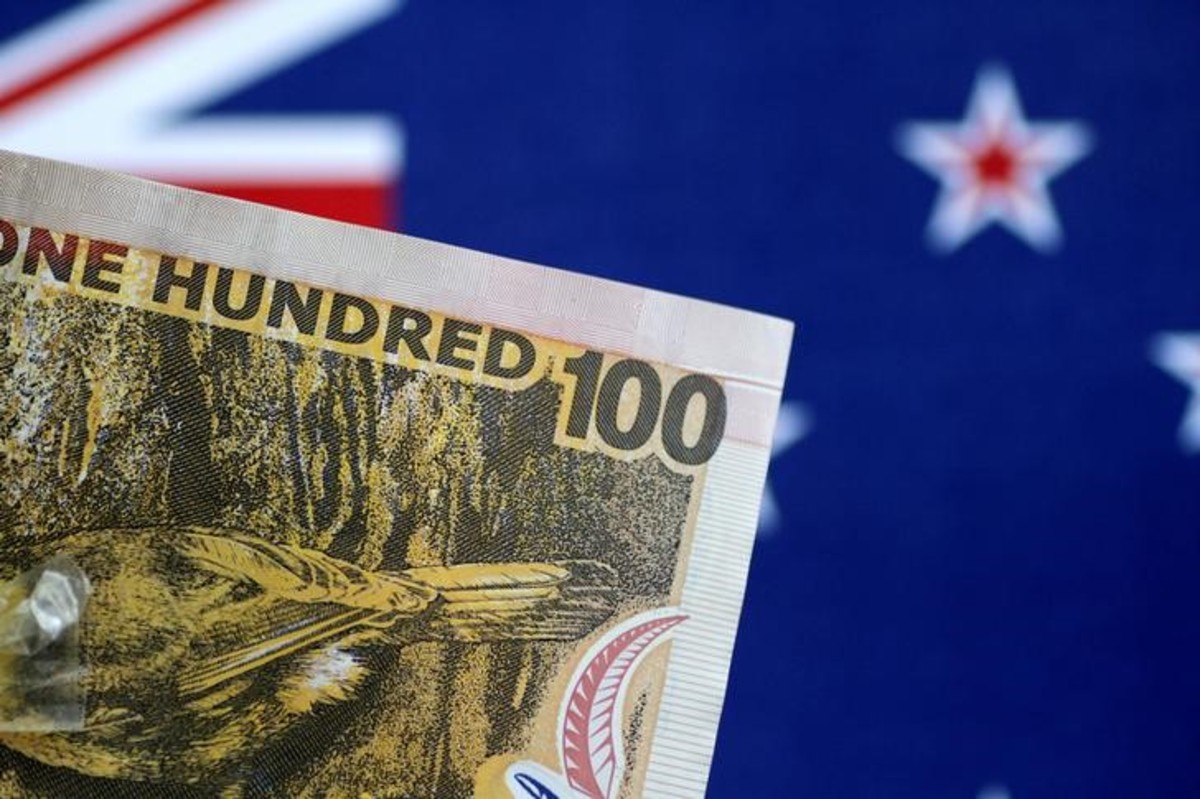
SYDNEY (Reuters) - The Australian and New Zealand dollars were steady on Thursday as investors awaited details of proposed U.S. tariffs which have sparked fears of a global trade war.
The Australian dollar <AUD=D4> held at $0.7818, barely changed from late Wednesday and drifting up from a two-month trough of $0.7713 set earlier in March.
The New Zealand dollar <NZD=D4> traded at $0.7277, after falling 0.1 percent on Wednesday.
The Aussie got a slight lift from data showing Australia's trade balance swung to a A$1.06 billion surplus in January, easily beating forecasts.
Yet it was U.S. trade policies that dominated. President Donald Trump hopes to sign the duties on imported steel and aluminium Thursday afternoon, though there were reports it might be delayed until Friday.
"This should be interesting as the facts are what the market craves," said Chris Weston, Melbourne-based senior strategist at IG Markets.
"Traders really need to understand whether any countries get exemptions ... will any specific industries be dealt a lighter hand. When will the tariffs be implemented and is the Trump Administration targeting a certain duration or explicit change in the trade imbalances," Weston wondered.
"There are still too many unanswered questions to think it safe to increase exposures to risk assets with any real conviction."
The Antipodean currencies are often sold during times of stress because both Australia and New Zealand have open economies leveraged to commodity prices and global growth.
The White House said late Wednesday that Canada, Mexico and possibly other countries may be exempted from the tariffs on the basis of national security.
That helped pare some losses in risk assets overnight. Yet sentiment was still shaky after the resignation of a top White House economic adviser, Gary Cohn, who had been an advocate for free trade.
Already, the European Union has said it would apply 25 percent tariffs on about $3.5 billion of imports from the United States if Trump carried out his threat.
China said it did not want a trade war with the United States but will defend its interests, warning that policies based on "mistaken assumptions" will damage bilateral relations.
The market was also tense ahead of a policy meeting by the European Central Bank later on Thursday, and U.S. payrolls and wage data on Friday.
Australian government bond futures eased, with the three-year bond contract <YTTc1> down 1.5 ticks at 97.885. The 10-year contract <YTCc1> slipped 2.5 ticks to 97.195.
(Editing by Sam Holmes)