SYDNEY (Reuters) - The Australian dollar nudged higher on Wednesday as the head of the country's central bank sounded upbeat on the domestic economy, while strong Chinese trade data augured well for exports.
The Aussie dollar <AUD=D4> was firmer at $0.7428, having rallied 0.5 percent overnight, but faced tough resistance around $0.7440 and $0.7465.
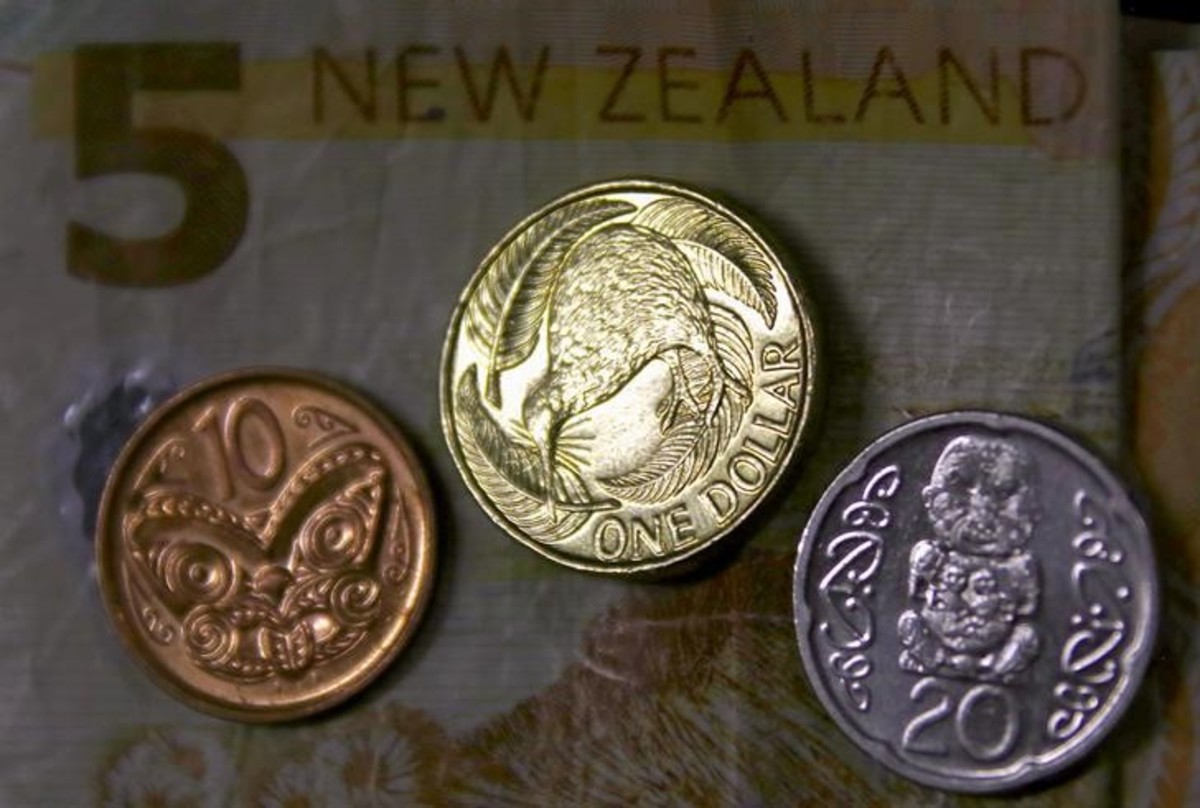
The kiwi dollar <NZD=D4> edged up to $0.6754, aided by a slight uptick in inflation expectations at home.
Reserve Bank of Australia (RBA) Governor Philip Lowe used a speech on Wednesday to reiterate his optimistic outlook for the local economy.
Yet he also saw no need to hurry on interest rate rises, saying inflation was not likely to reach the midpoint of the RBA's 2 to 3 percent target band until sometime in 2020.
"The speech saw the RBA governor tiptoe closer to a vision of a Goldilocks economy by 2020," said Annette Beacher, chief Asia-Pacific macro strategist at TD Securities.
"The debt position of households is improving; population growth sets Australia up well; labour market is tightening; inflation target to be reached in two years; and concluding that the next move likely remains up for the cash rate."
The Reserve Bank of New Zealand announces its latest policy review on Thursday and is also expected to signal steady rates for some time yet.
With policy at home seemingly set in stone, investors have been reacting more to developments in the Sino-U.S. trade dispute and the prospects for global growth.
The Aussie blipped higher on Tuesday amid reports Beijing would ramp up infrastructure spending to support the economy, activity that tends to use a lot of the resources churned out by Australia.
Sentiment was further underpinned when China reported upbeat trade data for July, including a 27 percent jump in imports.
Some of this was assumed to be stockpiling of resources ahead of tariffs, but pointed to a positive outlook for Australian exports to its single biggest customer.
Beijing's efforts to reduce pollution and oversupply in the steel industry have tended to suck in imports of higher quality coal and iron ore which Australia supplies.
It has also boosted the price of steel there to six-year peaks and in turn lifted the price for raw material iron ore, Australia's largest export earner.
In bond markets, yields were generally a shade higher.
Three-year Australian bond futures <YTTc1> eased half a tick to 97.890, while the 10-year contract <YTCc1> dipped 2 ticks to 97.3200. New Zealand government bond yields <0#NZTSY=> edged up around 1 basis point.
(Reporting by Wayne Cole; Editing by Joseph Radford)