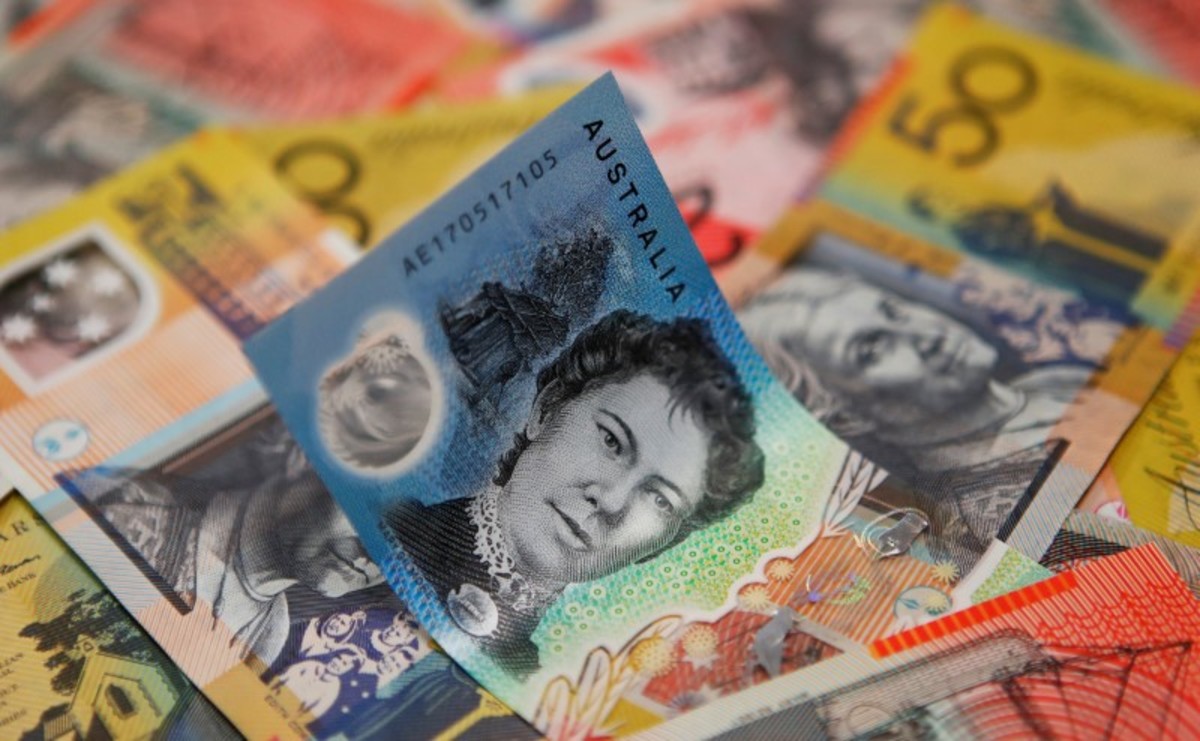
SYDNEY (Reuters) - The Australian and New Zealand dollars backtracked on Monday on reports the White House was considering new curbs on Chinese investment in the United States, another potential escalation in global trade tensions.
The Aussie dollar <AUD=D4> dipped to $0.7425, having been as high as $0.7443 at one stage. That was still up on late week's one-year trough of $0.7345, hit after President Donald Trump announced new tariffs on imports from China and Europe.
The kiwi dollar <NZD=D4> eased a touch to $0.6900, but again stayed well above last week's $0.6826 low.
The latest report from the Wall Street Journal said Trump planned to bar many Chinese firms from investing in U.S. technology and block more technology exports to the Asian giant.
The news knocked U.S. stock futures down 0.5 percent and chilled risk appetites generally.
"Trump will not be satisfied with the U.S. trade position anytime soon – indeed most likely not at all during his presidency," warned Westpac senior currency strategist Sean Callow.
"Moreover, his aggressive trade policy is consistent with his election campaign and there is no sign that it is costing him any support in his political base."
The report overshadowed news China's central bank would cut the amount of cash that some banks must hold as reserves by 50 basis points (bps), releasing $108 billion in liquidity into the system.
China is Australia's biggest export customer so anything that might support demand there is considered positive for trade flows and the Aussie.
Also providing some support was market positioning.
The latest data from the U.S. Commodity Futures Trading Commission showed speculators had expended their short positions in the Aussie while cutting back on longs, leaving the market a net 43,099 contracts short.
That was the largest short position since December 2015 <AUDNETUSD=>, when the Aussie took a dive from around $0.7300 to near $0.6800 in just a month.
However, such an extreme structural short stance can often presage rallies. In 2016, the currency had bounced to around $0.7800 by April as bears took profits.
There was no Australian economic data of note on Monday and very little in the diary for the whole week.
The main event in New Zealand will be the central bank's policy announcement on Thursday, where another steady outcome is considered certain.
"The RBNZ review is expected to come and go without any ruffles," wrote analysts at NAB in a note.
"It would appear to take a lot to budge the Reserve Bank from its on-hold mentality," they added, predicting the bank would repeat last month's statement that rates would remain at 1.75 percent for some time to come.
In the bond market, yields eased amid jitters over Sino-U.S. trade relations. New Zealand government bond yields <0#NZTSY=> were down 2 to 3 basis points.
Australian government three-year bond futures <YTTc1> firmed 1 tick to 97.890, while the 10-year contract <YTCc1> added 2 ticks to 97.3600.
(Reporting by Wayne Cole; Editing by Eric Meijer)