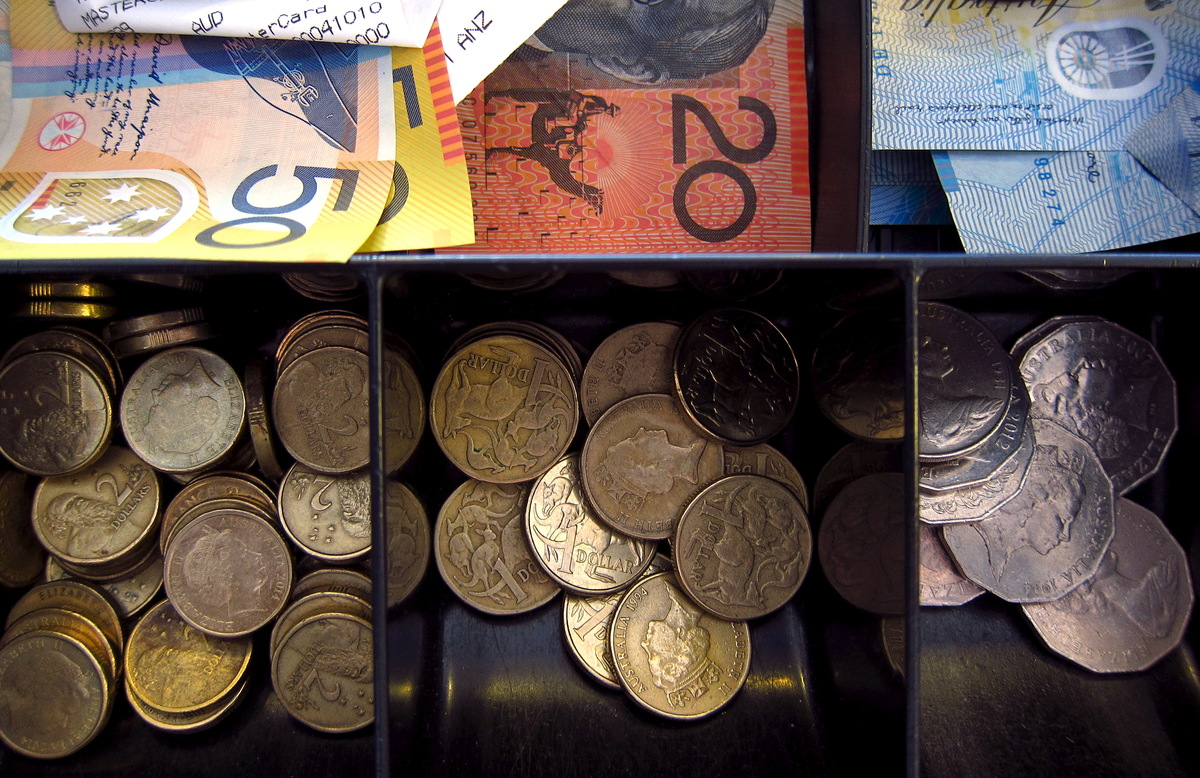
SYDNEY (Reuters) - The Australian and New Zealand dollars flatlined on Monday as disappointing domestic data offset reports Washington and China were nearing a truce in their long trade war.
The Aussie dollar was stuck at $0.7088, having topped out at $0.7127 last week. Support is now layered from $0.7054 to $0.7070.
The kiwi dollar idled at $0.6805, well short of last week's top at $0.6904. Support comes in at $0.6795 and $0.6758.
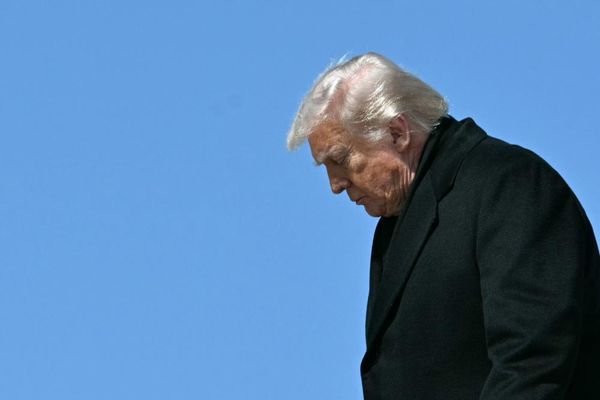
They had initially gained on a Wall Street Journal report that U.S. President Donald Trump and Chinese President Xi Jinping could reach a formal trade deal at a summit around March 27 given progress in talks.
China would lower tariffs on U.S.-made goods including agricultural products, chemicals and cars in exchange for sanctions relief from Washington.
Trump also renewed criticism of a strong U.S. dollar which, he said, was hurting competitiveness.
However, the Aussie came unstuck when a batch of domestic data proved underwhelming and seemed to add to the risk that a key report on economic growth (GDP) out on Wednesday would miss forecasts.
A poor outcome, and particularly a contraction in GDP, would stoke speculation of a cut in interest rates. Futures markets currently imply around an 80 percent probability of an easing by year end.
"The indicators released so far suggest Australian Q4 GDP growth will be soft," said CBA economist Joseph Capurso.
The median forecasts is for a modest rise of 0.4 percent in gross domestic product for the December quarter, which would see annual growth slow to 2.6 percent.
That would also fall short of the Reserve Bank of Australia's (RBA) own expectations, as it prepares for its March policy meeting on Tuesday.
"The post-meeting statement could push the Australian dollar lower if the RBA highlights the growing downside risks to the world economy and to Australian consumer spending via a weakening housing market," added Capurso.
Australian government bond futures tracked losses in U.S. Treasuries, with the three-year bond contract off 1.5 ticks at 98.305. The 10-year contract fell 4 ticks to 97.8100.
New Zealand government bonds eased, sending yields 1 to 2 basis points higher along the curve.
(Editing by Sam Holmes)