SYDNEY/WELLINGTON (Reuters) - The Australian and New Zealand dollars held near 2-1/2 year lows on Monday as global trade concerns took centre stage once again amid fears of a souring relationship between the United States and China.
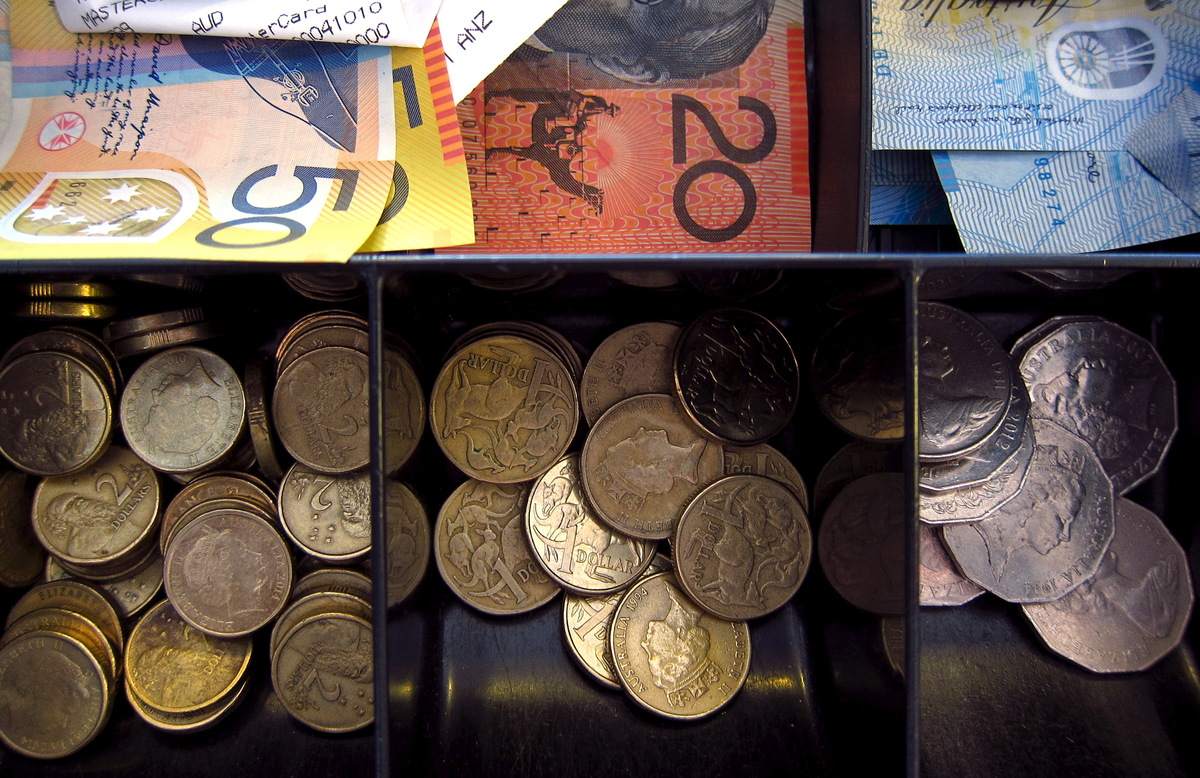
The Australian dollar <AUD=D4>, often traded as a liquid proxy for global growth and Chinese assets, was last at $0.7151. It fell as low as $0.7085 last week, a level not seen since early 2016.
The currency has been battered in recent months as U.S. tariff threats became a reality. The Aussie is among the worst-performing major currencies in the developed world so far this year, having tumbled 8.6 percent.
The New Zealand dollar <NZD=D4> was last at $0.6552, not far from a recent 2-1/2 year trough of $0.6501. It is down 7.6 percent this year.
Liquidity was relatively thin as Japan is on holiday.
"After a few strong trading days last week where global trade concerns seemed to have dropped a notch or two and fresh talks were being muted, President Trump has brought them back to the front of mind for investors," said Nick Twidale, Sydney-based analyst at Rakuten Securities.
"We should have an interesting week ahead as we look for clarification on the timing, size and detail of the next implementation phase."
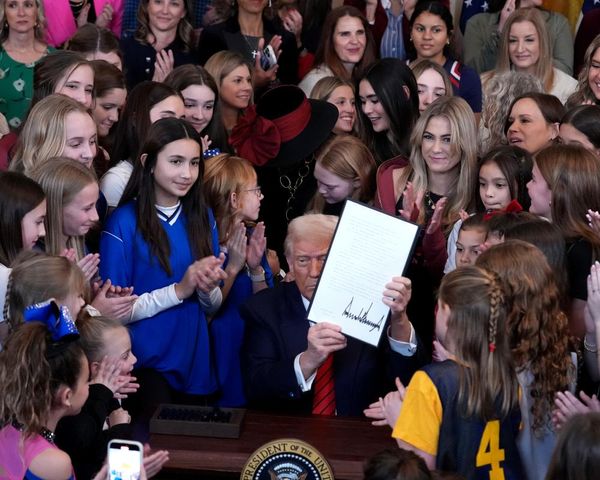
U.S. President Donald Trump is likely to announce the new tariffs on $200 billion of Chinese imports as early as Monday, a source told Reuters.
The tariff level will probably be about 10 percent, the Wall Street Journal reported, below the 25 percent the administration had said it was considering. The WSJ also reported that China may decline to attend trade talks expected this month as Beijing won't negotiate under threat.
"Ever-present trade concerns should keep the NZD capped. In fact, until we see clear evidence to the contrary, it remains a 'sell-on-rallies' currency," said Sharon Zollner, chief economist at ANZ Bank, in a research note.
A dairy auction on Wednesday and New Zealand's second-quarter gross domestic product (GDP) data on Thursday posed risks to the kiwi.
Analysts polled by Reuters, on average, expect the economy to have grown 0.7 percent in the second quarter. A weaker result could see a sell-off in the kiwi on expectations the Reserve Bank of New Zealand could lower interest rates from a record low 1.75 percent to support the economy.
New Zealand government bonds <0#NZTSY=> eased, sending yields 0.2 basis points higher at the long end of the curve.
Australian government bond futures slipped, with the three-year bond contract <YTTc1> down half a tick at 97.945. The 10-year contract <YTCc1> fell 1.75 ticks to 97.365.
(Reporting by Swati Pandey; editing by Richard Pullin)