SYDNEY (Reuters) - The Australian and New Zealand dollars held their nerve on Thursday even as global share markets crumbled for a second day, with losses on Wall Street and a sharp drop in Treasury yields hindering their U.S. counterpart.
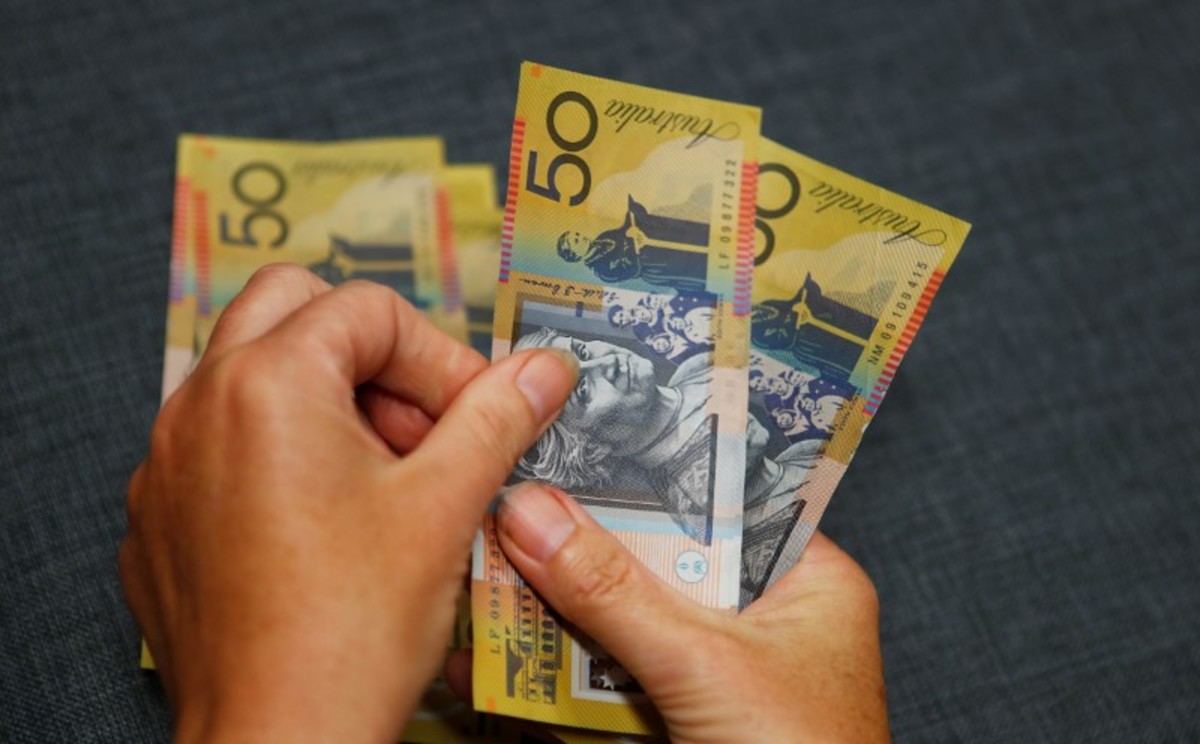
The Aussie dollar <AUD=D3> was 0.26 percent firmer at $0.7076, having again found solid support around the $0.7041/50 area which marks recent 32-month lows.
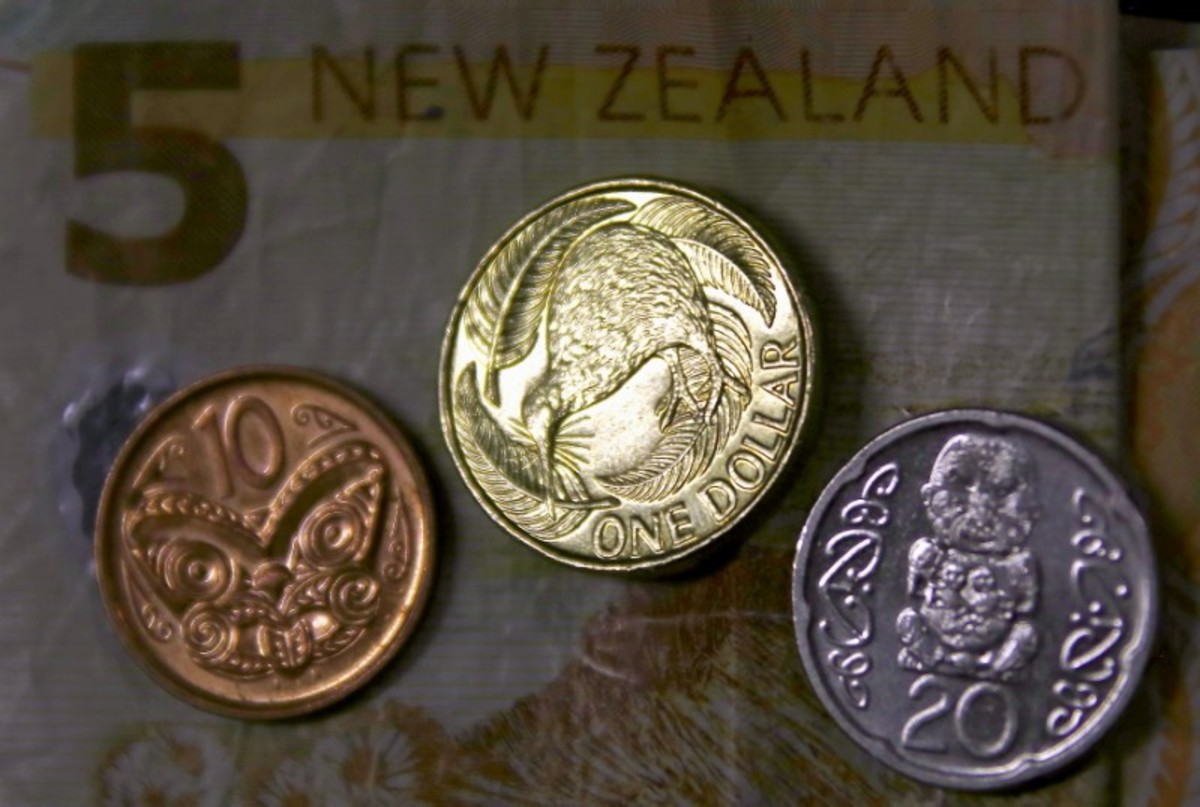
The kiwi <NZD=D3> was likewise steady at $0.6523, after garnering support at $0.6500.
Such stability was unusual as the currencies are considered leveraged to global growth prospects and are often sold at times of market stress.
Sean Callow, a senior FX strategist at Westpac, noted the Aussie had become less and less correlated to stocks in recent weeks with long-term buyers attracted at levels near $0.7000.
The sudden setback on Wall Street, worries about U.S. corporate earnings and signs of weakness in the housing market there was making investors question whether the Federal Reserve could keep raising interest rates toward restrictive territory.
"You could argue that fall in pricing for Fed hikes is offsetting U.S. dollar safe-haven demand," said Callow. "Market pricing for a December hike has come back to 67 percent from 80 percent early this week."
Yields on 10-year Treasury paper <US10YT=RR> recorded their biggest one-day fall since May, undermining one of the U.S. dollar's biggest supports.
Also aiding the Aussie has been Chinese efforts to stoke demand at home and to cut back on pollution, which includes shutting their dirtiest steel mills.
This has pushed up the price of steel and of the higher quality, and thus cleaner, iron ore that Australia produces. As a result, iron ore prices hit a seven-month high this week even as Asian share markets sank.
The steel-making mineral is Australia's single largest export earner.
"China's supply-side reform measures should see demand for high grade ore remain high," said Daniel Hynes, a senior commodity strategist at ANZ. "Demand from China's property and construction sectors should also remain robust, as authorities look to support economic growth."
"Coming amid stubbornly low supply growth, we should see benchmark prices anchored around $70 a tonne over the next couple of quarters."
Australian government bond futures caught the general safe-haven bid and rallied for a third straight session. The three-year bond contract <YTTc1> firmed 2.5 ticks to 97.97.940, while the 10-year contract <YTCc1> gained 4.5 ticks to 97.3750.
Yields on New Zealand government bonds <0#NZTSY=> fell as much as 7 basis points at the long end of the curve.
(Editing by Shri Navaratnam)