Pacific leaders have failed to reach an agreement on a response to Chinese missile launches in the region.
Foreign ministers at a Pacific Islands Forum summit in Fiji did not reach a consensus on a joint statement in condemning the Chinese test in July.
China fired a long-range missile into the Pacific in July, which landed near Tuvalu, prompting criticism from neighbour countries including Australia.
In his strongest public rebuke of Beijing, Prime Minister Anthony Albanese at the time slammed the launch as "provocative".
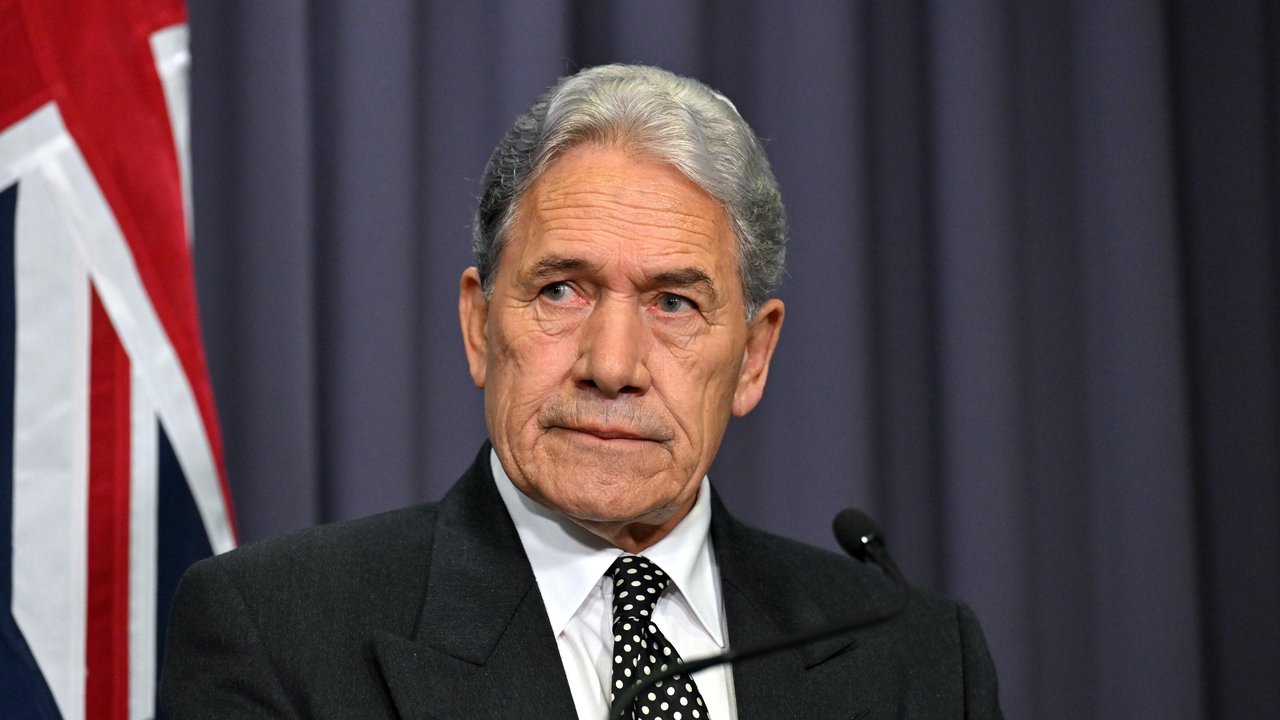
While most of the 18 countries present at the foreign ministers meeting expressed concern about the test, New Zealand Foreign Minister Winston Peters said two refused to sign on to the statement.
Foreign media have reported the two countries to be Kiribati and Naoero, formerly known as Nauru.
Mr Peters said the countries which held out did not lay out reasons for disagreeing with the joint statement.,
"We made it very clear that we do not think that outsiders should be telling the insiders - that's us who have been here for thousands of years - what our position should be."
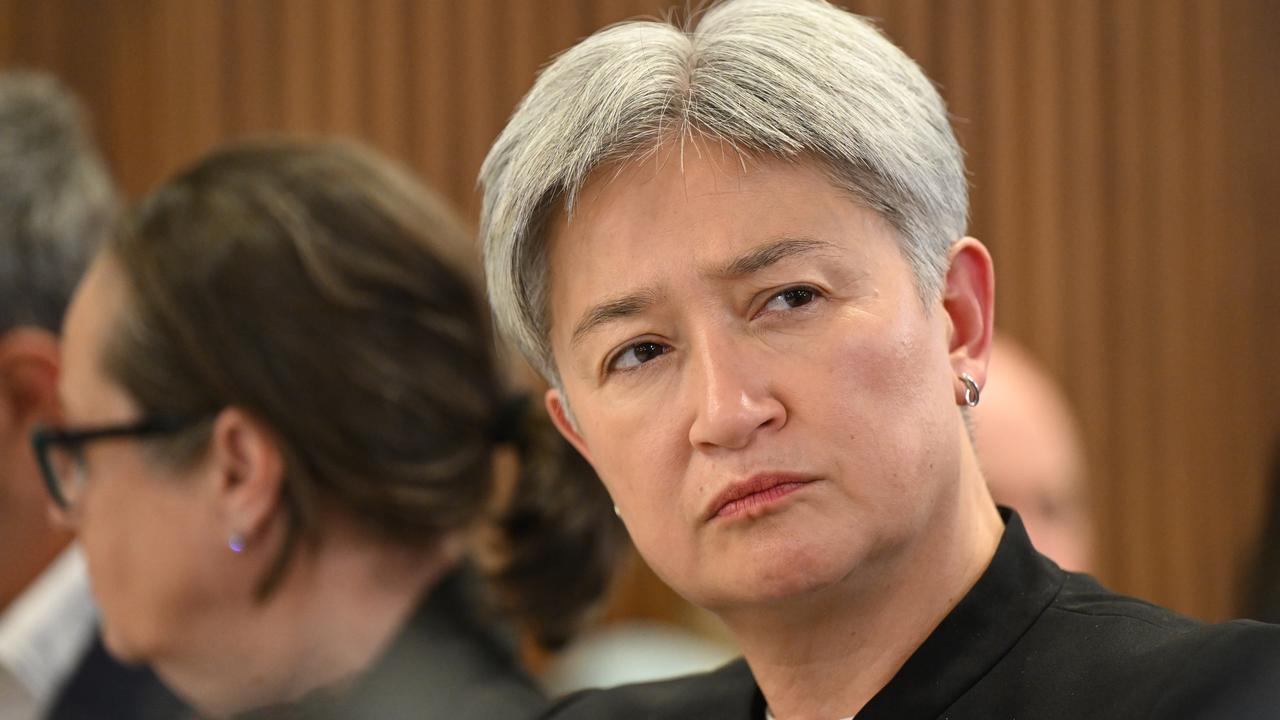
Australian Foreign Minister Penny Wong said before the meeting that the summit would express concern over the Chinese tests.
"I hope China does take note of the very clear response from leaders and ministers in the Pacific about that test," she told ABC Radio.
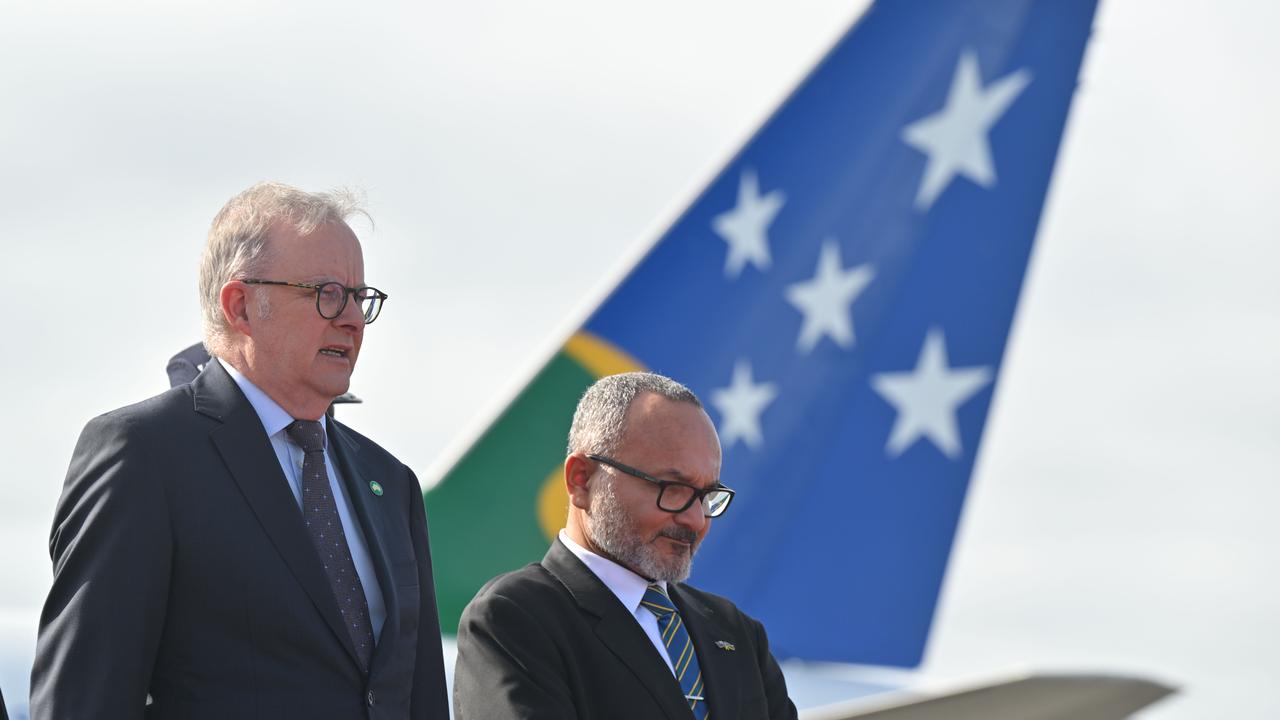
The leaders of Pacific nations will hold talks in Palau at the end of August, with Mr Albanese set to attend.
Talks about a Pacific wide security agreement are also set to be on the table, in a bid to counter Chinese influence in the region.
The Albanese government has doubled Australia's allies within a year to include Papua New Guinea and Fiji, in addition to signing a number of agreements with other Pacific nations.
Solomon Islands Prime Minister Matthew Wale previously floated the idea of a Pacific-wide pact, which the federal government said it was open to pursuing if it was a priority of the region.
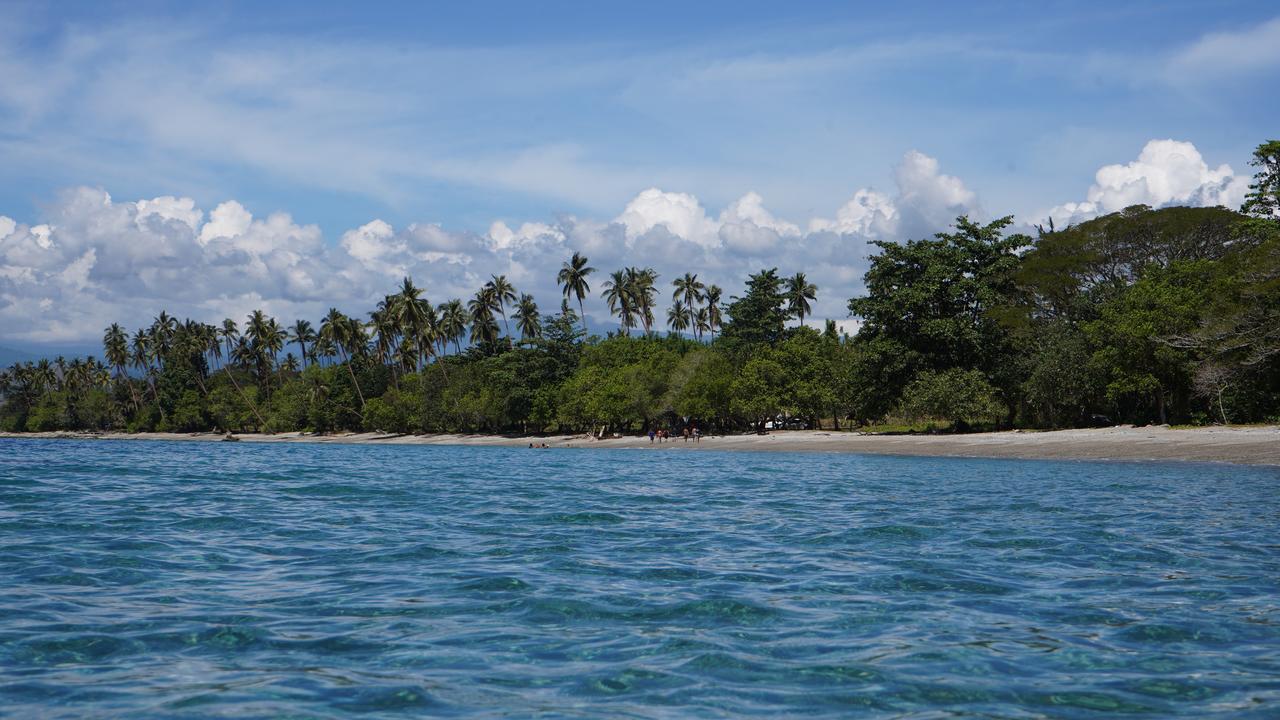
It comes as Senator Wong touted the completion of a project to deliver 10,300km of new undersea cables for Pacific countries, which began in 2018 under the coalition government.
"This is a major milestone ... that all Pacific Island Forum members are now connected to undersea telecommunications cables for the first time, and we've put a lot of effort into making sure that was finalised," she said.
"We're really pleased that all these years later (this) has been finalised because ultimately a connected Pacific is a stronger Pacific."
Australia has spent more than $500 million since 2018 to support connectivity for nine countries in the region.