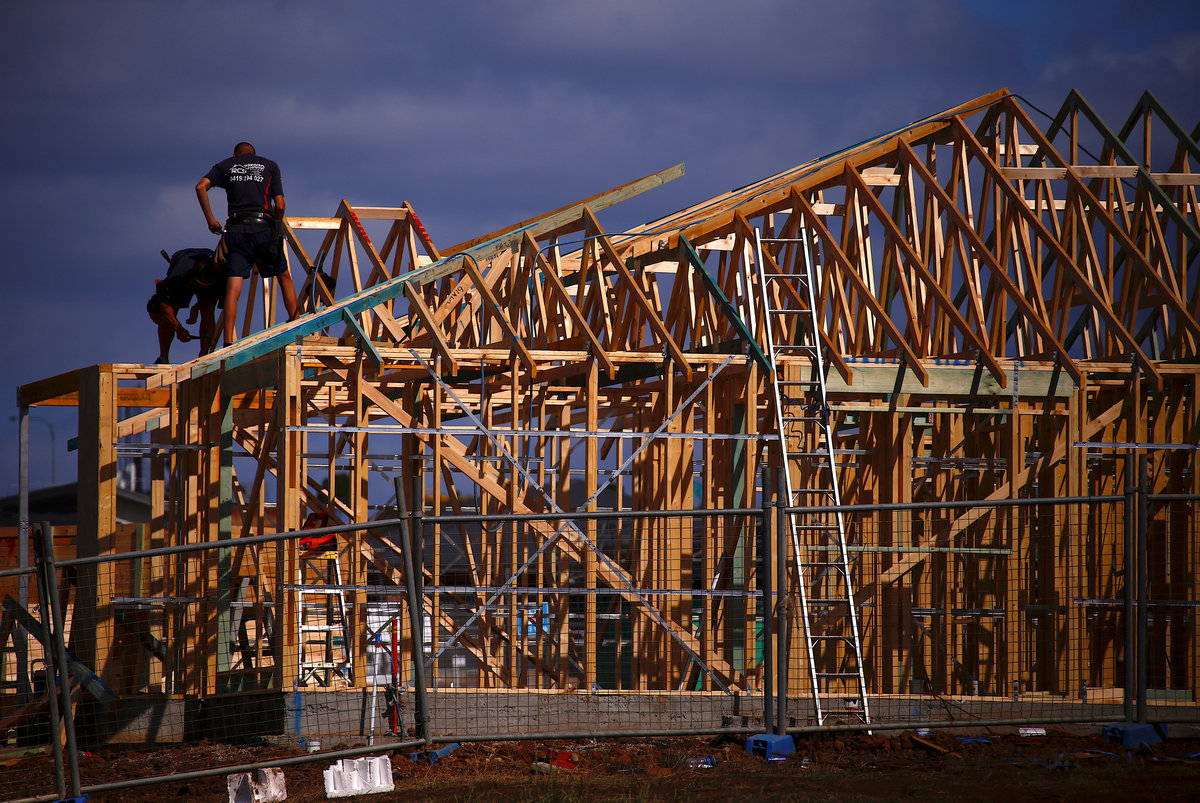
SYDNEY (Reuters) - Approvals to build new homes in Australia climbed to a seven-month top in September while the country boasted its longest run of trade surpluses in over four decades, a promising omen for growth across the economy.
Thursday's data from the Australian Bureau of Statistics (ABS) showed total dwelling approvals rose 1.5 percent in September, confounding forecasts for a 1 percent fall.
Multi-unit apartments gained 2.3 percent while growth in private houses was robust too. Total approvals, at 18,849, were the highest since February, posting a remarkable turnaround after steady declines since mid-2016.
This means residential investment will continue to add to real gross domestic product (GDP) growth in the coming quarters, thanks to the healthy pipeline of construction.
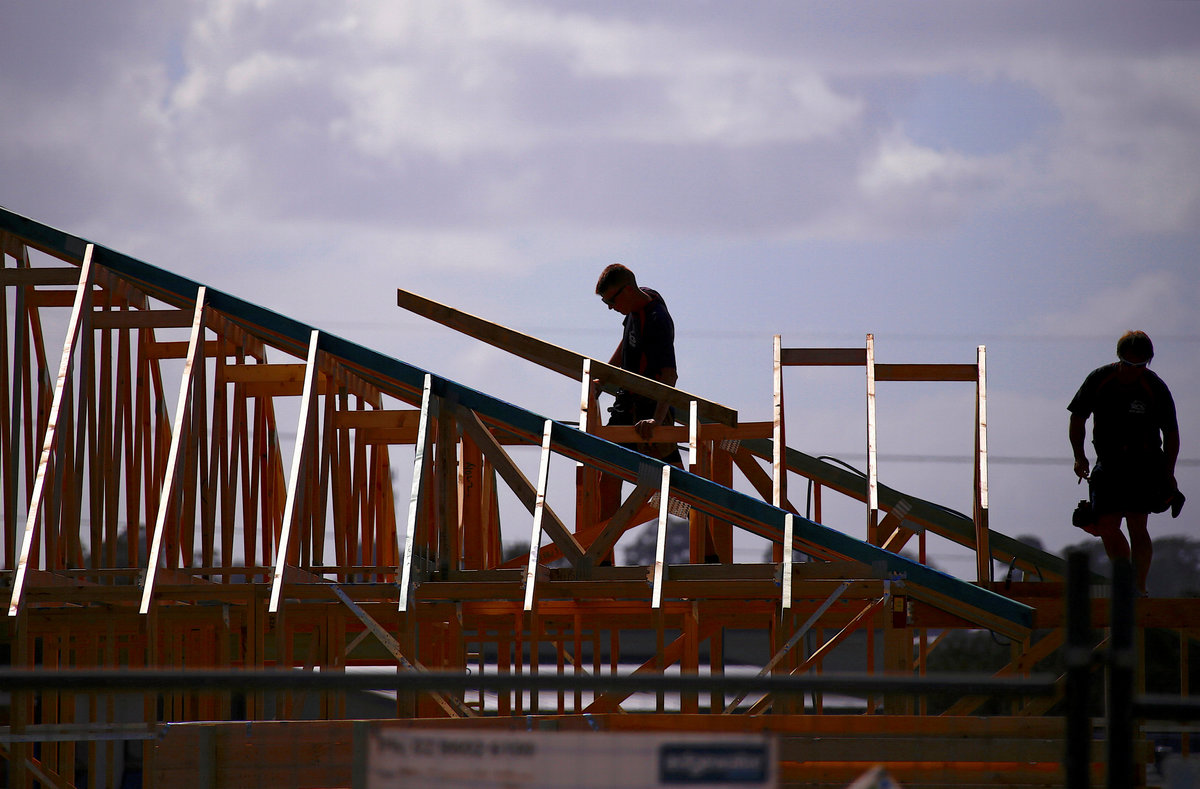
Australia is in the midst of its biggest-ever home construction boom, already in its fifth year, boosting jobs and sales of everything from furniture to electronics.
All this supply is finally tempering house prices, which have been running especially hot in Sydney and Melbourne.
Home prices across the major cities went flat in October as Sydney suffered a second month of falls, as regulators' efforts to rein in investment lending continued to bite.
A similar tale of slowing house prices was seen across the Tasman, where New Zealand home values last month grew at their slowest pace in five years pressured by lending restrictions.
Housing is an important element of Australia's A$1.7 trillion economy, having added half a percentage point to growth in each of the last three years. Its health will determine where the economy, and interest rates, are headed.
The resilience of home building will likely be welcomed by the Reserve Bank of Australia (RBA) which has kept interest rates at a record low 1.50 percent for more than a year, waiting for inflation to show up.
TRADE SURPLUS
Separate figures out Thursday showed Australia's trade surplus doubled to A$1.75 billion ($1.35 billion) in September, handily beating market forecasts of A$1.2 billion. That was the eleventh straight month of surpluses, its longest winning stretch since the early 1970s.
Total exports climbed 2.9 percent in the month, led by gold and iron ore earnings, while imports dipped 0.2 percent.
Shipments of iron ore, the country's single biggest earner, were particularly strong in September mirroring record levels of imports by China.
As a result, Australia's total exports to China topped A$9 billion in September, an increase of 36 percent on the same month last year.
The ABS has already estimated that export prices fell 3 percent in the third quarter due to weakness in coal and iron ore, while prices for imports dropped 1.6 percent.
All of which implies volumes rose in the third quarter and net exports likely added to economic growth, perhaps by around a quarter of a percentage point.
(Reporting by Swati Pandey; Editing by Shri Navaratnam)