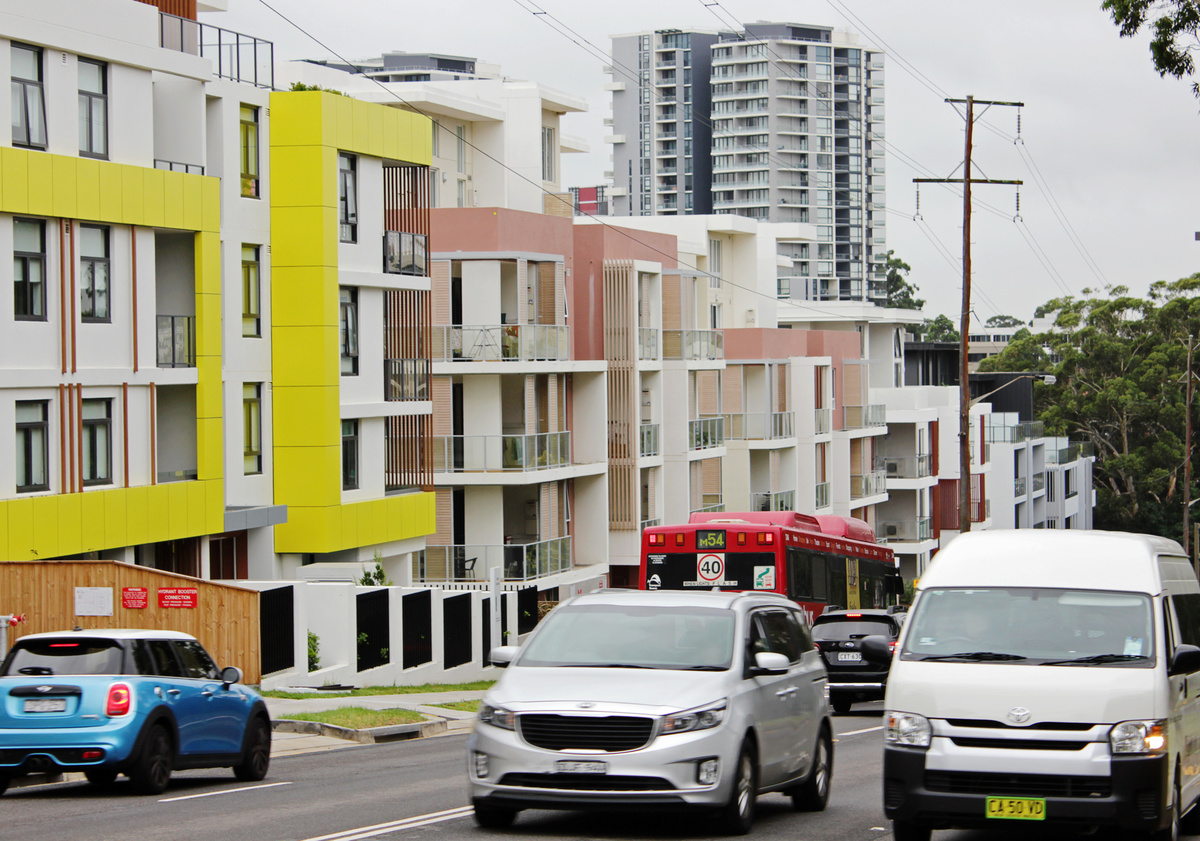
Australia's housing market has come roaring back to life as record-low interest rates stoke demand from first-time buyers, lifting approvals for new homes to 20-year highs and delivering a major windfall to consumer wealth.
Data from property consultant CoreLogic out on Tuesday showed home prices rose 0.8% in November, twice the gain seen in October, leaving them 3.1% up on the year.
"In November, demand for NAB home loans was stronger than we've seen for more than two years," said National Australia Bank executive for home ownership Andy Kerr. "Applications over the past six weeks are up more than 25% against the prior six weeks.
"We expect strong interest to continue given the likelihood of low rates for several years."
That will be a welcome boost to consumer spending power given Australia's housing stock is estimated to be worth a heady A$7.2 trillion ($5.30 trillion).
It has already revived the construction sector with approvals for new homes beating all expectations with a rise of 3.8% in October. Approvals for detached houses were up almost 32% on a year ago, at the highest since 2000.
That was a remarkable turnaround from the depths of the coronavirus lockdown in April when analysts feared home prices could dive 10% or more this year, and owes much to aggressive fiscal and monetary easing.
Just last month, the Reserve Bank of Australia (RBA) cut rates to an all-time low of 0.1% and ramped up its bond buying in an effort to compress mortgage costs even further.
The central bank stood pat at its last policy meeting of the year on Tuesday, as expected, as recent data points to a faster economic recovery than first thought.
Figures due Wednesday are forecast to show gross domestic product (GDP) rebounded by 2.5% in the third quarter, the largest gain since 2008. That would partially recoup the second quarter's 7.0% decline and leave output down 4.5% on the year.
Consumer spending has led the recovery as massive fiscal stimulus underpinned incomes and employment. Data out Tuesday showed government spending rose another 1.2% in the third quarter, adding 0.3 percentage points to GDP.
All this spending did suck in more foreign goods such that net exports subtracted a sizeable 1.9 percentage points from GDP in the quarter.
Yet the strength of Chinese demand for Australian resources meant the country still notched up a solid current account surplus of A$10 billion.
($1 = 1.3585 Australian dollars)
(Reporting by Wayne Cole; Editing by Sam Holmes)