The shooting at Bondi Beach has sparked intense debate in Australia about the state of the country’s gun control laws.
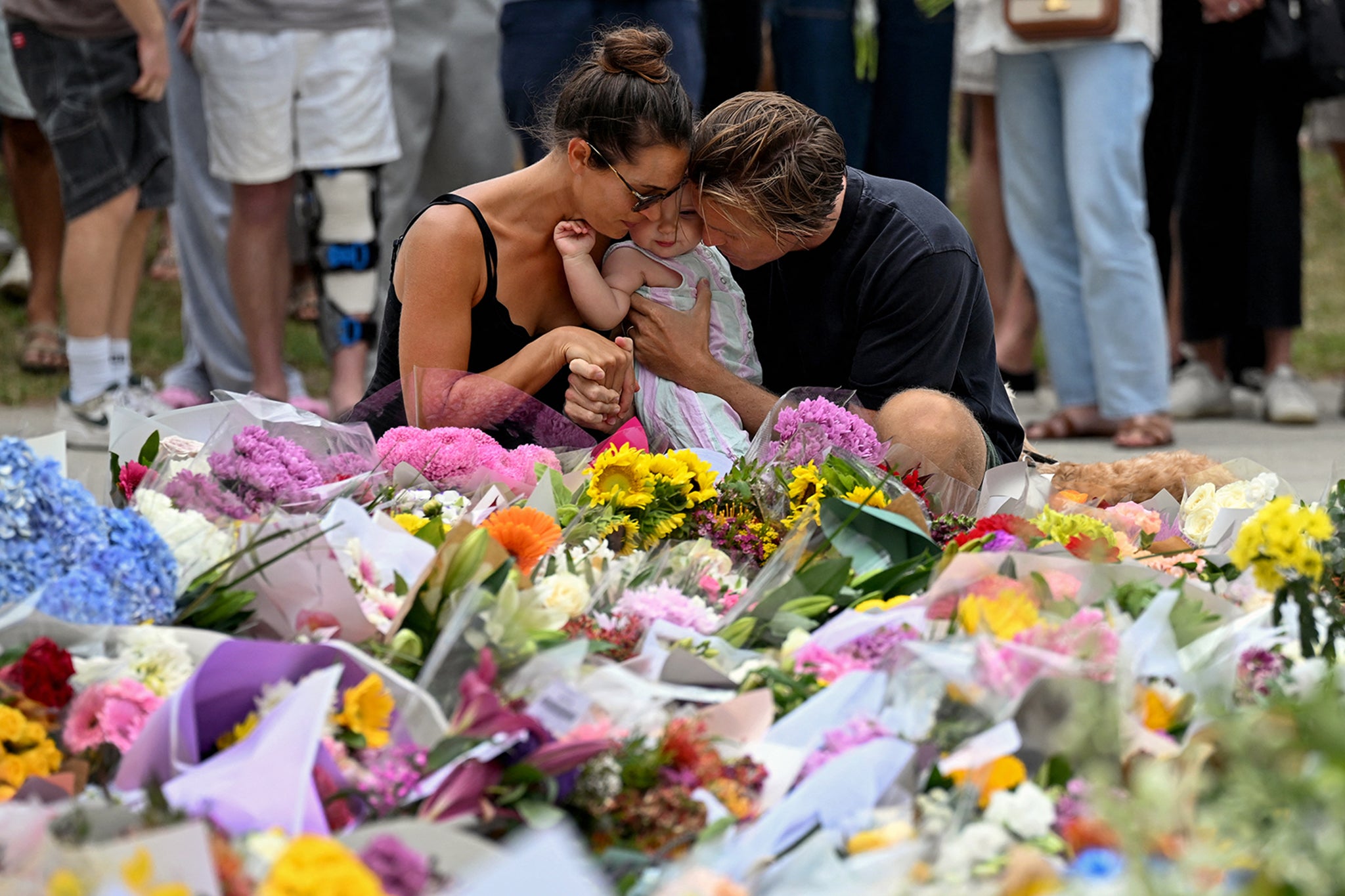
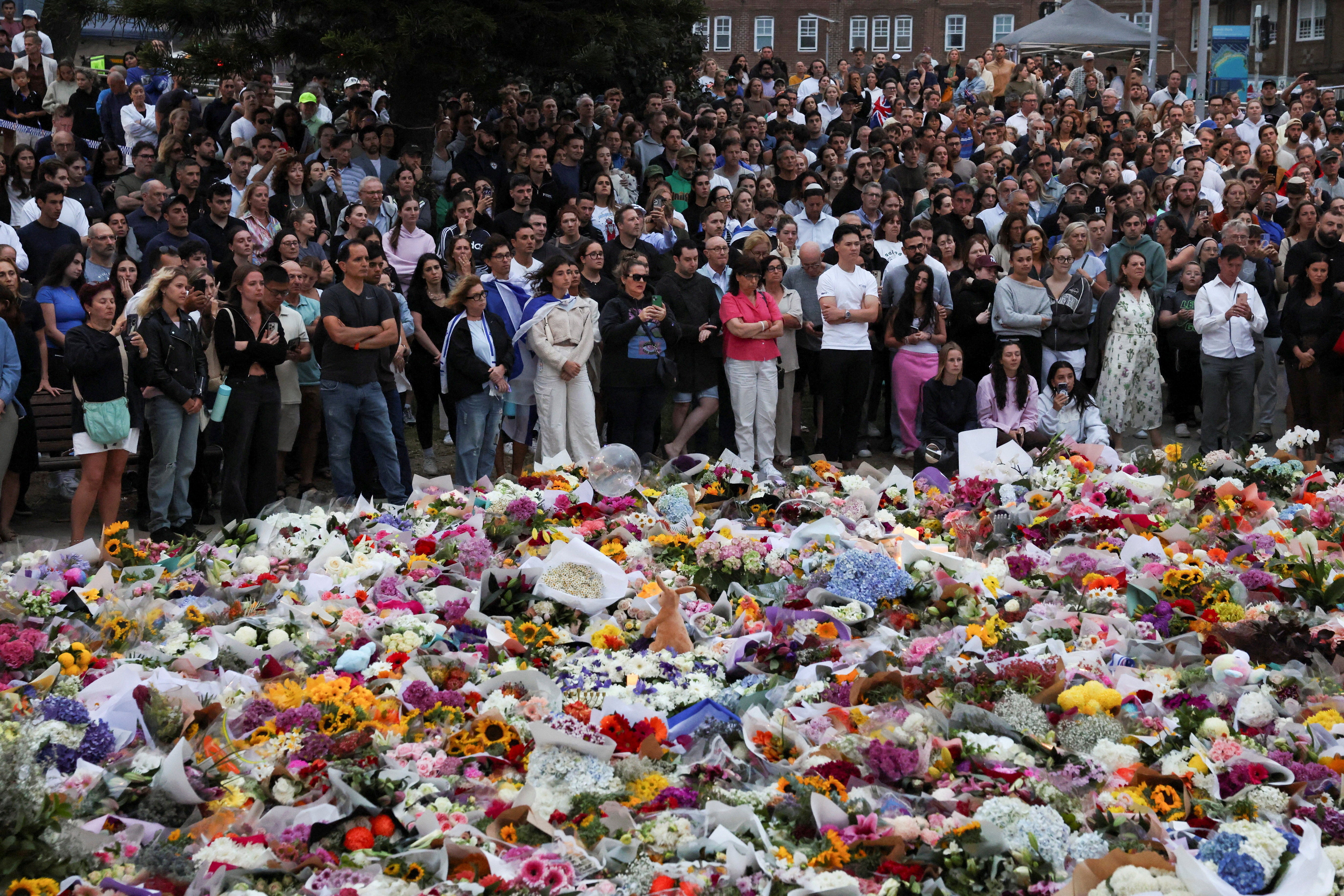
On the first day of Hanukkah, at least 15 people were killed by a father and son who allegedly targeted a Jewish gathering at Bondi Beach on Sunday.
In response, Australian prime minister Anthony Albanese held an emergency national cabinet meeting to discuss whether gun laws need to be changed.
After the meeting, all states and territories have agreed to strengthen gun laws. Ideas for reform include limiting how many guns one person can own, the types of guns deemed legal and making Australian citizenship a condition of holding a licence.
There will also be consideration of restrictions on the importation of guns, including 3D-printed weapons.
“People can be radicalised over a period of time. Licences should not be in perpetuity and checks, of course, making sure that those checks and balances are in place as well,” Mr Albanese said at a press conference.
Previous shooting incidents and the history of gun laws in Australia
Gun laws in Australia first came under intense scrutiny in 1996, after the country faced the worst mass shooting in its history at Port Arthur in Tasmania, where 35 people were killed and 23 were injured.
Martin Bryant, 28 at the time, began his attack at Seascape bed and breakfast, killing two people 12 hours before beginning a shooting spree.
Bryant used two semi-automatic rifles and attacked a small cafe at Port Arthur, which is a popular tourist site, before moving to a gift shop and car park.
He then stole a car and drove to a nearby service station, killing a woman and abducting her partner. Bryant returned to Seascape and killed his hostage, set fire to the property and was captured the following morning.

The incident sparked national debate on the state of Australia’s gun laws. Before the Port Arthur massacre, any person with a regular shooter’s licence could legally hold any number of rapid-fire weapons and ammunition.
Then-prime minister John Howard dramatically altered Australia’s gun laws. This included enacting a uniform national legislation banning pump-action, automatic and semiautomatic firearms.
The sale or supply of weapons was also limited under the National Firearms Agreement, which also required registration and safe storage.

Mr Howard faced pressure from anti and pro-gun groups, as protests against the changes took place. At one stage, Mr Howard stood before thousands of pro-gun protesters in the rural town of Sale in Victoria wearing a bullet-proof vest.
The strict laws were ultimately passed and have largely succeeded in preventing mass gun violence in Australia.
How the Bondi Beach shooting unfolded
While the country has a reputation for strict gun control, a recent report by the Australia Institute in January 2025 revealed gun ownership had crept up.
In 1996, there were about 3.2 million licensed firearms, while in 2024, there were more than 4 million licensed firearms.
The state of New South Wales – where the Bondi shooting happened – had the highest number of registered guns in 2024, with more than 1.1 million. The report argued that the assumption that rural areas would own the most guns due to farming was not the case.
“On the contrary, there are significant numbers of guns in major cities in NSW,” the report stated.
The report also warned there were inconsistent state and territory regulations for gun laws. In Australia, state and territory governments have law-making powers over gun regulation, not the federal government.
The National Firearms Agreement, conducted by Howard, which was agreed by all states and territories, was found to have few changes since 1996 and was rarely reviewed.
“For example, the NFA has yet to be amended to recognise pump-action rifles, which are now available in some states and territories but not others,” the report stated.
While NSW Police are yet to confirm the type of guns the Bondi Beach attackers used, John Coyne, director of national security at the Australian Strategic Policy Institute, told The Sydney Morning Herald the guns appeared to be a bolt-action high-powered rifle and shotguns.
“Over the last several years, there’s been this proliferation of what you call straight-pull guns,” he said.
“It’s because they are faster.”
Mr Coyne added the trend was more pronounced in Australia because “people couldn’t get access to semi-automatic firing weapons, and they get closer to that speed for repeated fire”.
Hero fruit seller who tackled Bondi Beach gunman thought he was going to die
Australian police say Bondi terror attack was ‘inspired by Islamic State’
Everything we know about Bondi Beach shooting suspects Naveed and Sajid Akram
Bondi Beach shooting likely motivated by ‘Islamic State ideology’, says Albanese
Chief rabbi says family members hid during ‘terrifying’ Bondi Beach shooting
Bondi Beach shooting: Everything we know after 15 killed in Australia terror attack