

Australians are facing an average five-year wait for life-saving medical technologies due to outdated systems delaying patient access.
A national report has found while medical technology is advancing rapidly overseas, Australia's system remains slow to approve and fund new innovations.
The outdated system creates significant delays in access to potentially life-saving treatments, leading to broader issues such as productivity loss and preventable disease progression, said the report published on Tuesday by healthcare consulting firm HTAnalysts.
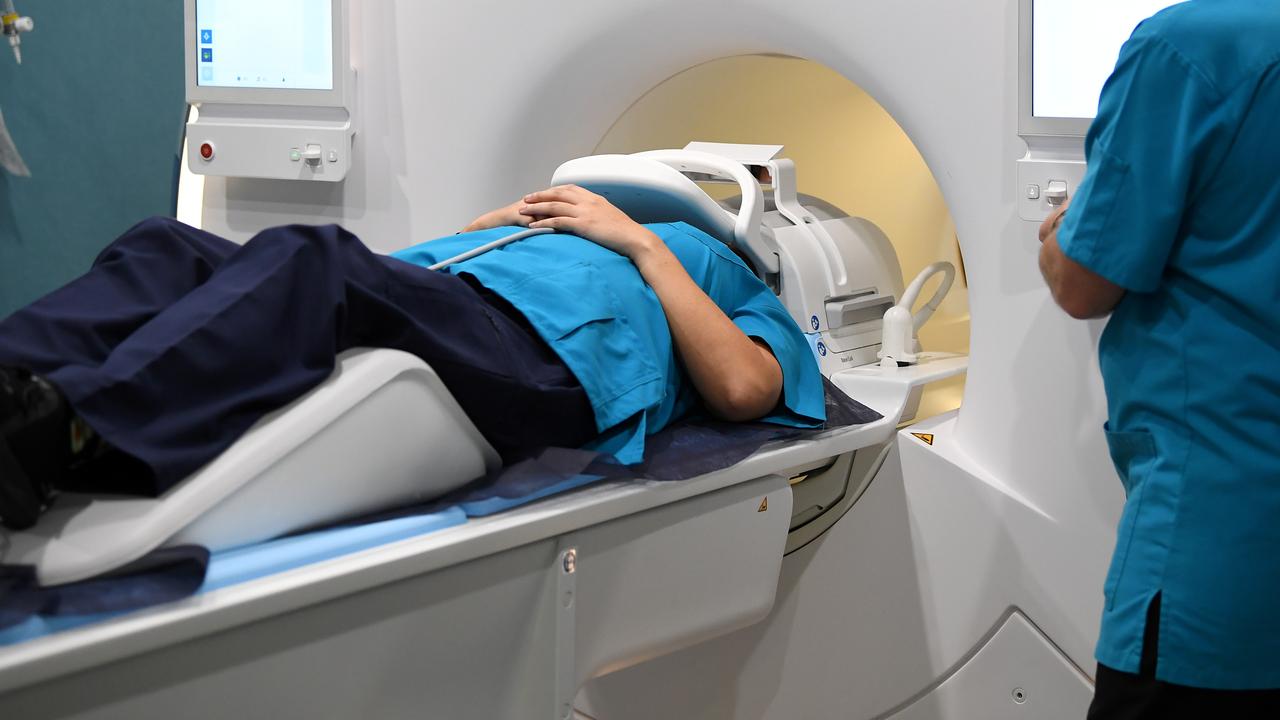
Cardiothoracic surgeon Jayme Bennetts told AAP the current approval process creates inequities in patient care.
"The regulatory pathway and the process of approval of new products is quite elongated in Australia," he said.
"We're often not getting access to new technologies as early as other patients in other countries, which can hamper us being able to provide the best evidence care."
Delays particularly affect Australians with severe aortic stenosis, a serious heart condition.

About 1500 public patients miss out on potentially life-saving valve surgery each year due to long delays caused by limited hospital capacity and funding.
Professor Bennetts said private patients are also affected as some advanced technologies are unavailable in the private sector, meaning they may receive inferior prostheses with potentially poorer long-term outcomes.
"Some of these private patients are offered procedures in the public system where these newer technologies are often available in advance of approval privately. This creates added capacity and cost into the public sector healthcare system," he added.
"We urgently need reforms to speed access to these proven technologies for all patients."

Najee Al-Sarawi believes everyone should have access to the same life-saving medical technologies he did after surviving a motorcycle accident in 2017.
He has since undergone 16 surgeries, including to remove his left lung and to move his heart to the right side of his body.
"Delays can have serious consequences," he told AAP.
"Faster access to new treatments could save lives, reduce trauma and give patients a chance to recover without undergoing higher-risk procedures."
The report calls on the federal government to establish performance targets for reimbursement timelines, along with developing a provisional funding mechanism for innovative medical technologies in the private sector.
It states that for Australia to catch up to global best practice in the US and Germany it must reform to streamline processes, promote alternate funding mechanisms and increase transparency.
The report presents findings and recommendations from the Healthcare Leaders Series event, hosted by Edwards Lifesciences in November 2024.