Growth in Australia coronavirus cases slows, but experts urge caution
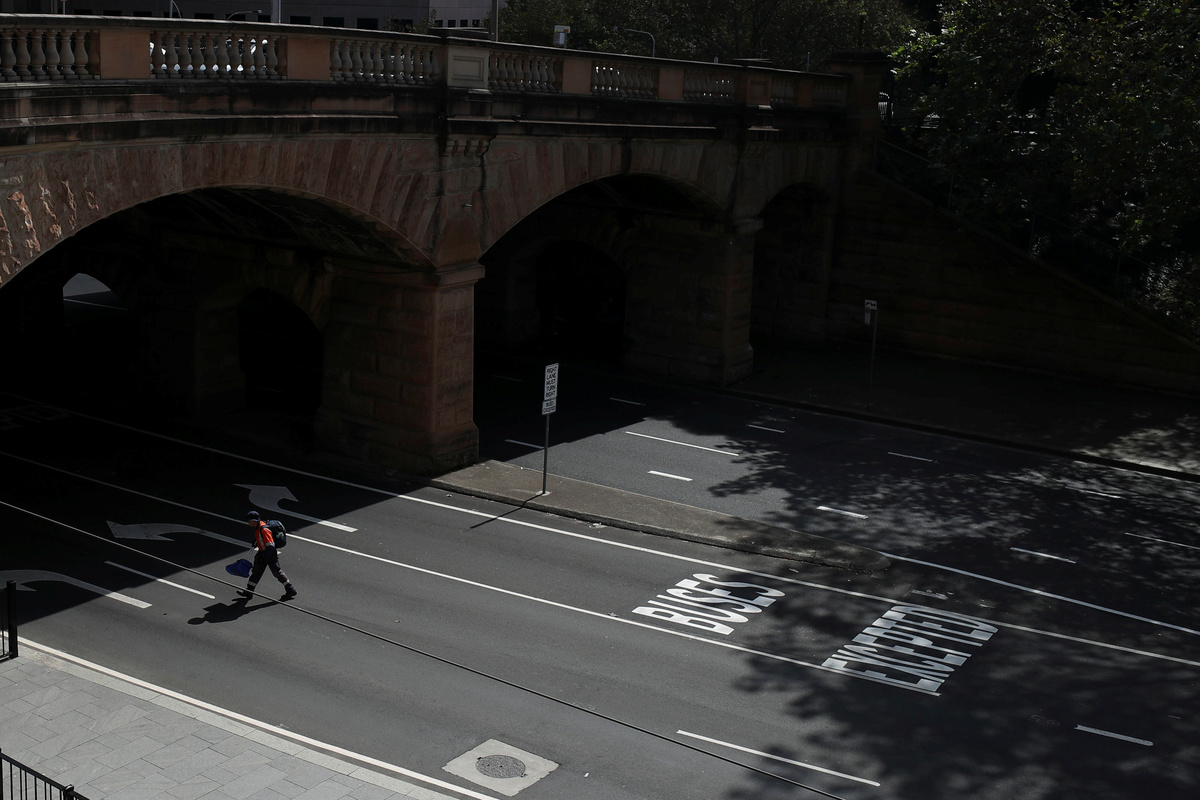
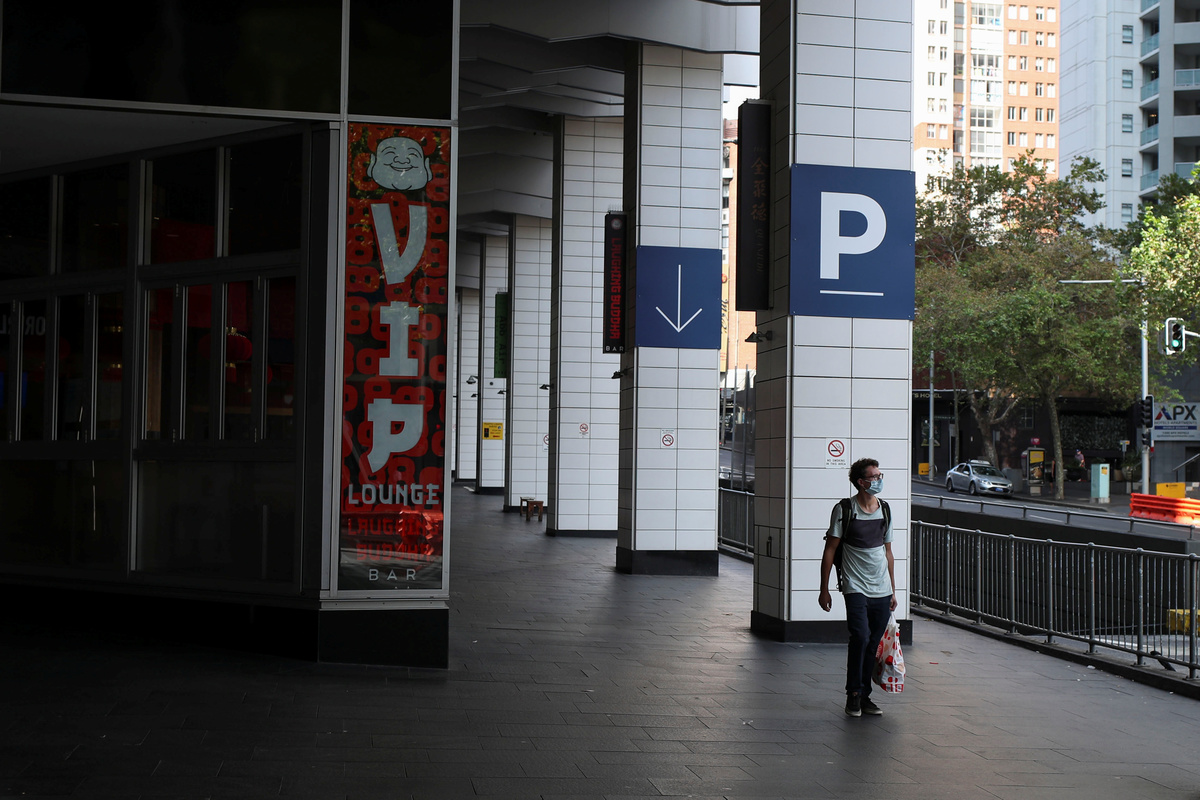
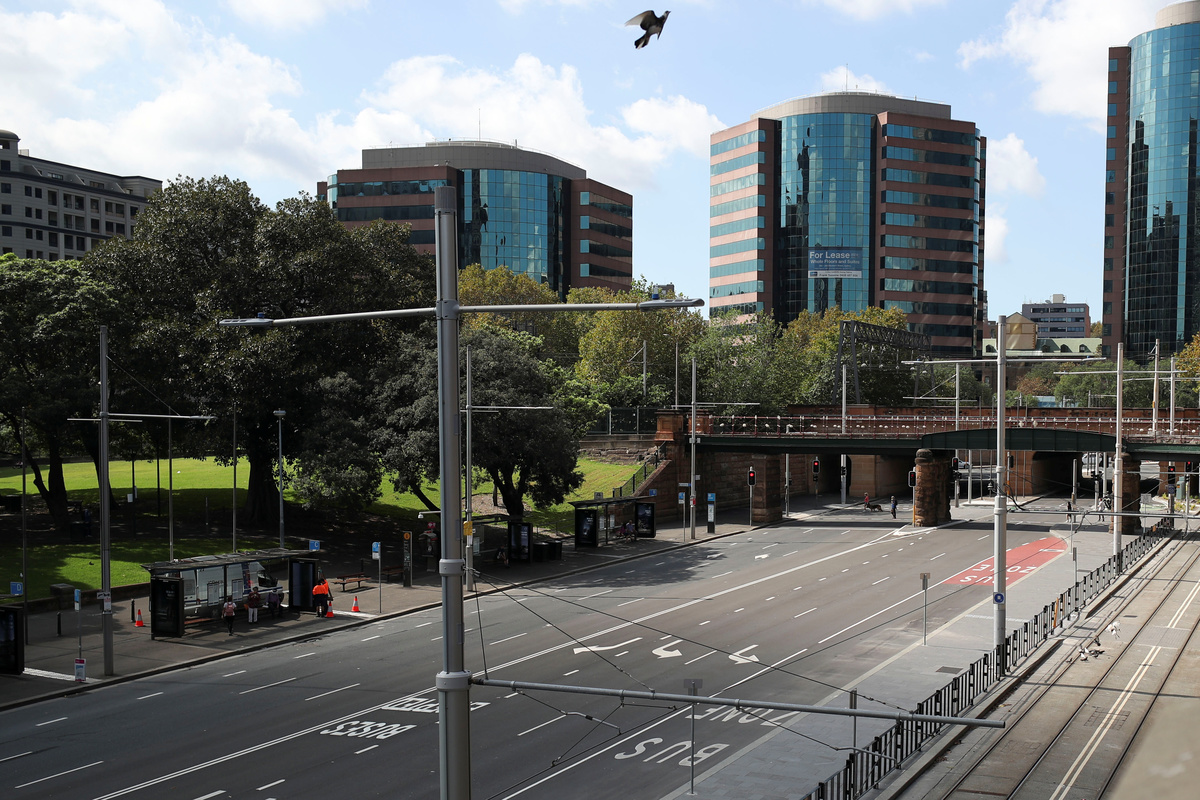
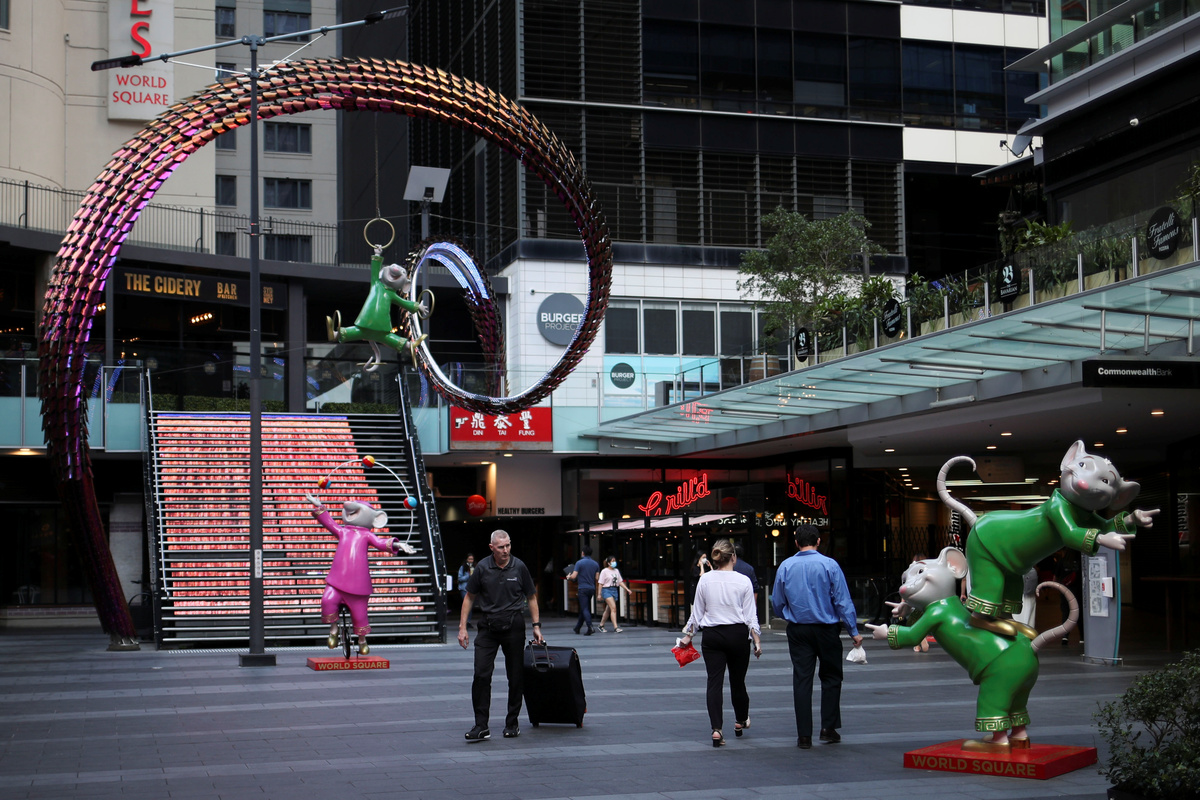
A man crosses an almost empty street during a workday following the implementation of stricter social-distancing and self-isolation rules to limit the spread of the coronavirus disease (COVID-19) in Sydney, Australia, March 31, 2020. REUTERS/Loren Elliott
Australia on Tuesday reported a sustained fall in the country's rate of new coronavirus infections but officials and experts warned against complacency, stressing the need for further strict social distancing policies.
To ensure compliance, state authorities enacted sweeping powers to impose hefty fines and potential jail terms on anybody breaching rules that include a ban on public meetings of more than just two people.
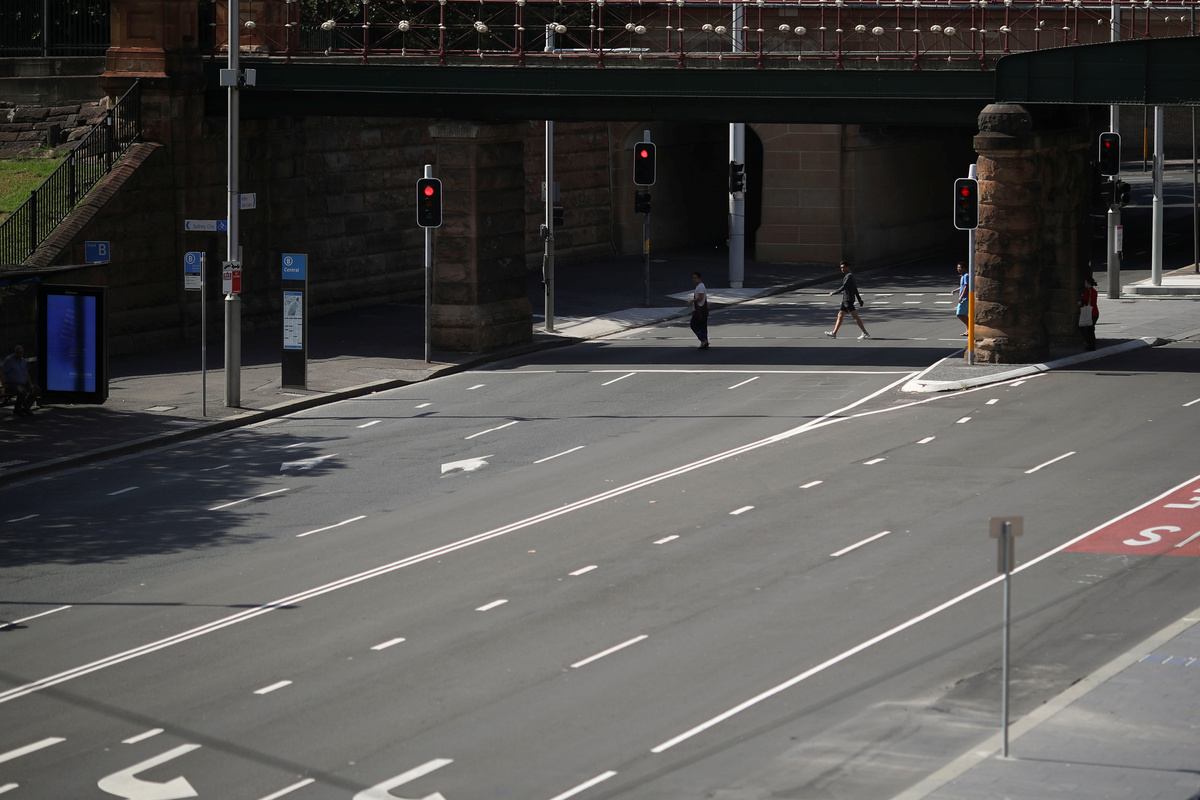
People walk by an almost empty street during a workday following the implementation of stricter social-distancing and self-isolation rules to limit the spread of the coronavirus disease (COVID-19) in Sydney, Australia, March 31, 2020. REUTERS/Loren Elliott
Health Minister Greg Hunt reported there were about 4,400 coronavirus cases nationally, with the rate of growth in new infections slowing to an average of 9% over the past three days from 25-30% a week earlier.
The death toll in a country of almost 25 million stood at 19, putting the death rate for Australian cases below 1%, which is under the 10% reported by some countries and suggests "early promising signs of the curve flattening," Hunt said.
"That's an achievement to which all Australians have contributed," he said in a televised news conference.
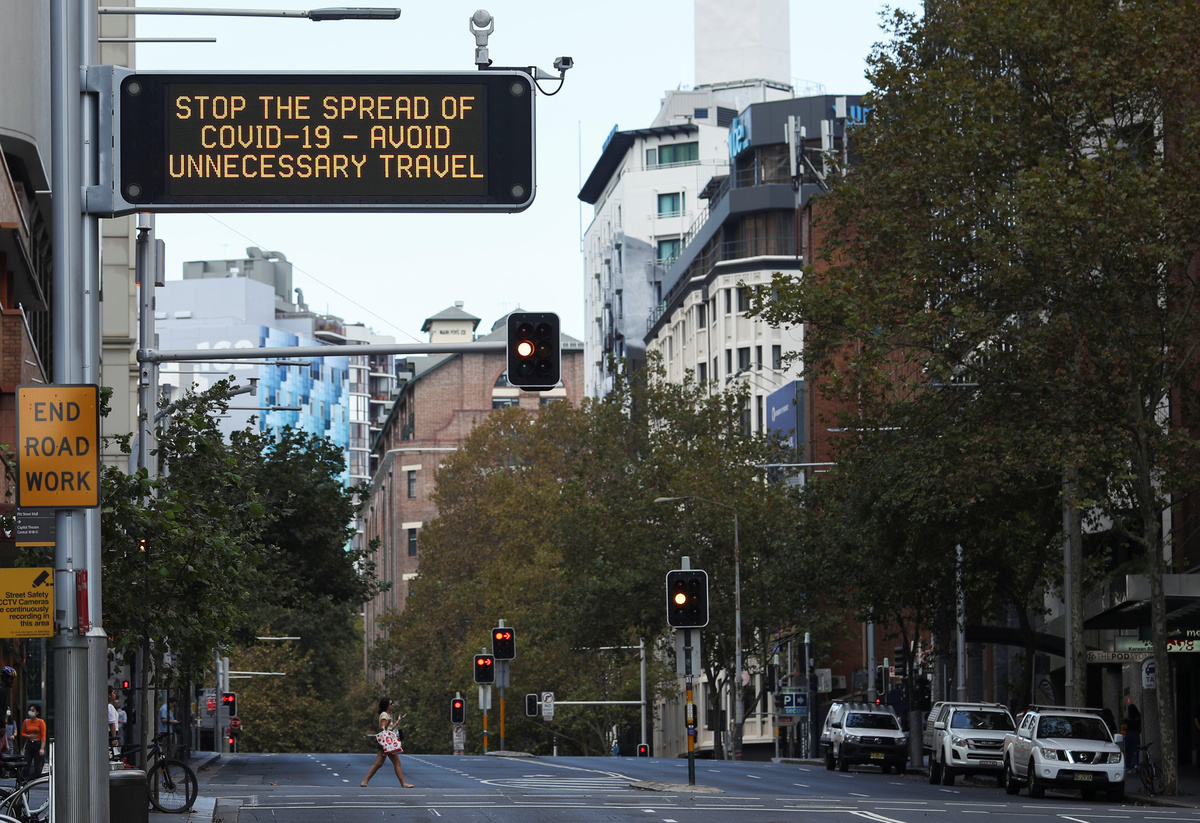
A woman crosses an almost empty street near of a coronavirus warning sign during a workday following the implementation of stricter social-distancing and self-isolation rules to limit the spread of the coronavirus disease (COVID-19) in Sydney, Australia, March 31, 2020. REUTERS/Loren Elliott
Countries around the world are seeking to "flatten the curve" representing growth in infections by implementing social distancing and other containment measures so that hospitals are not overwhelmed with critically ill patients.
Peter Collignon, an infectious diseases physician and microbiologist at Canberra Hospital, said while Australia stopped short of full lockdowns imposed elsewhere, it had introduced social distancing measures relatively early.
"We acted much earlier than the likes of Italy and the United States," Collignon told Reuters. "We had much less community transmission and we still shut our borders and implemented social distancing policies such as shutting down bars and pubs, and did much more testing."
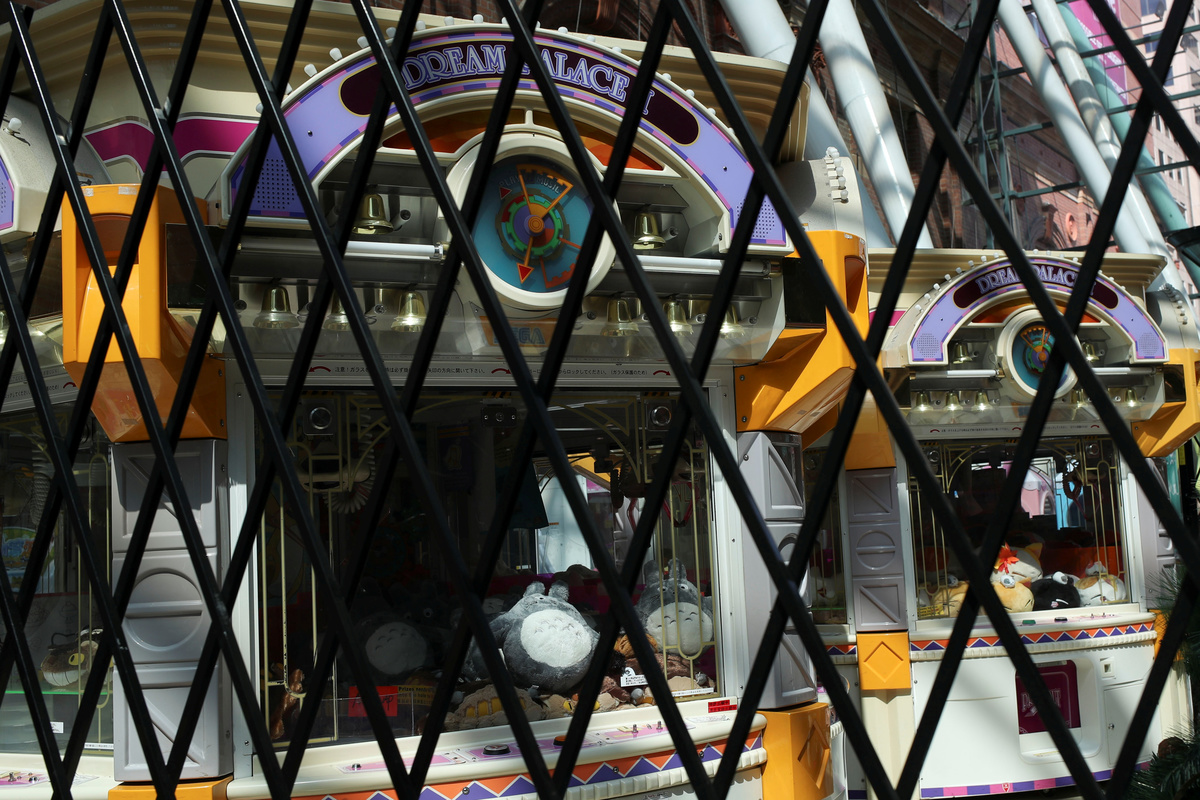
An entertainment area for children is seen closed in a shopping centre following the implementation of stricter social-distancing and self-isolation rules to limit the spread of the coronavirus disease (COVID-19) in Sydney, Australia, March 31, 2020. REUTERS/Loren Elliott
Collignon noted there may be an element of luck in the current trend, and backed official moves to keep social interactions to a minimum.
Several states introduced penalties on Tuesday for people flouting social distancing requirements. The repercussions differ from state to state, but include fines of up to A$11,000 ($6,780), a potential six-month prison term and the requirement to wear an electronic tracking device.
CURVE FLATTENING
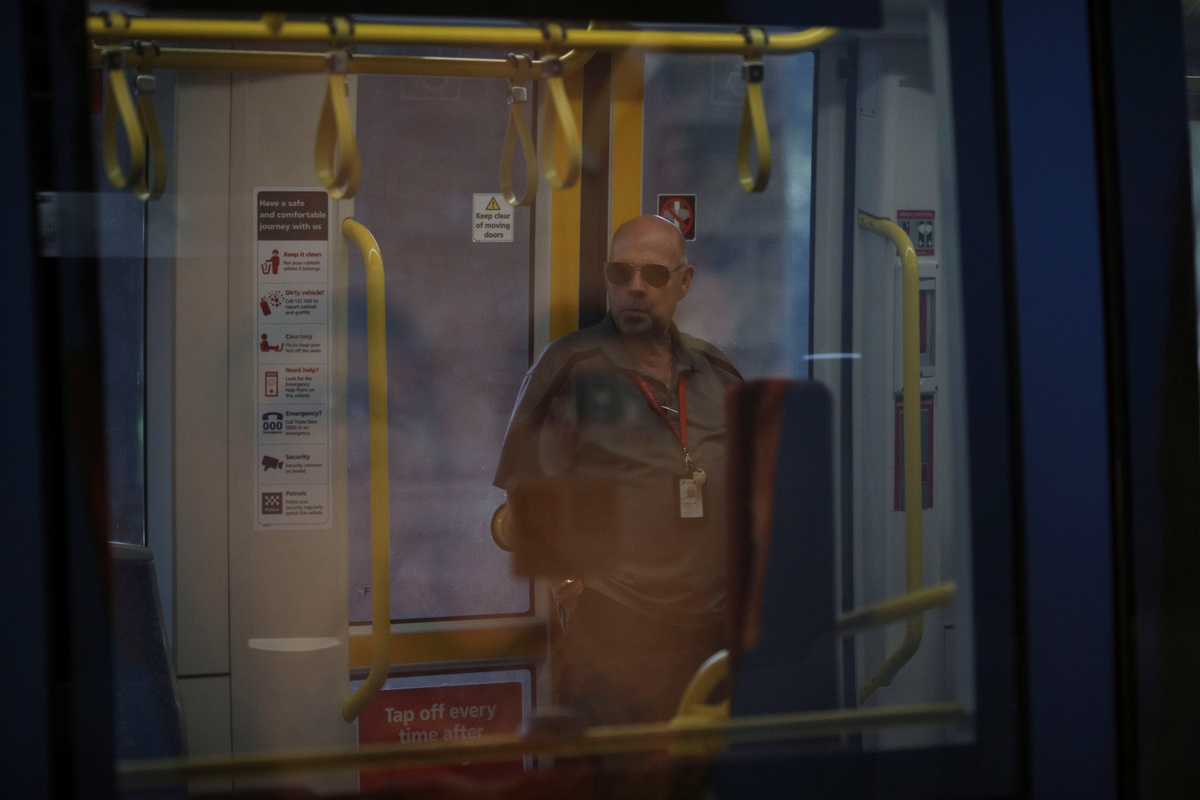
A man travels in an almost empty tram wagon during a workday following the implementation of stricter social-distancing and self-isolation rules to limit the spread of the coronavirus disease (COVID-19) in Sydney, Australia, March 31, 2020. REUTERS/Loren Elliott
Philip Russo, president of the Australasian College for Infection Prevention and Control, said talk of curve flattening was "premature".
"We need to have weeks on end of decreasing numbers of new cases on a daily basis," Russo said. "What we are seeing now is quite possibly normal daily variation."
The government's own caution was highlighted by a deal to boost the public health system with an extra 34,000 hospital beds sourced from private hospitals, along with thousands of doctors and nurses. Australia will also take delivery of more than 5,000 ventilators at the end of April, Health Minister Hunt said.
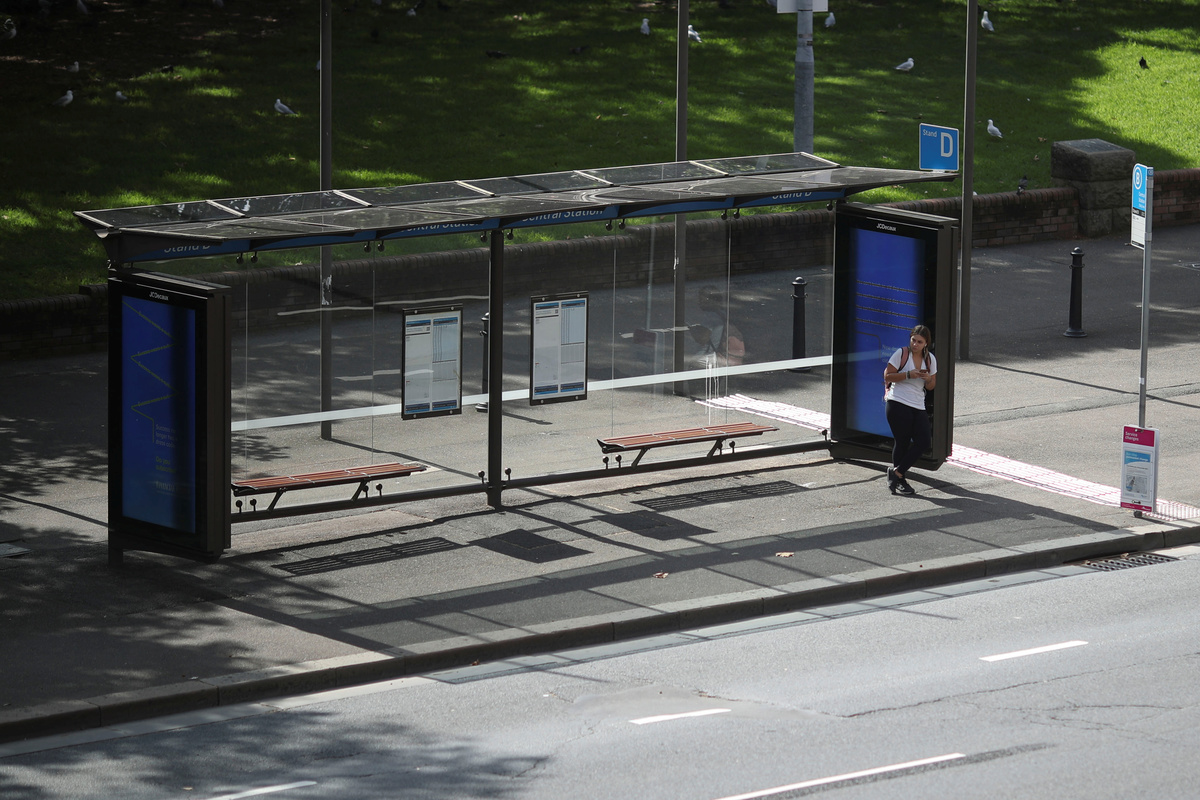
A woman stands alone on a bus stop during a workday following the implementation of stricter social-distancing and self-isolation rules to limit the spread of the coronavirus disease (COVID-19) in Sydney, Australia, March 31, 2020. REUTERS/Loren Elliott
Health officials said earlier they wanted to increase testing, especially in places of COVID-19 clusters like Sydney's Bondi area, which drew attention this month after people ignored social distancing rules and flocked to the beach. State officials said the virus may have been transmitted in the Bondi community via a backpacker unaware of having the disease.
Qantas Airways Ltd <QAN.AX> said on Tuesday that six baggage handlers at Adelaide airport have tested positive for the virus, adding that other employees who had come into contact with the infected staff would self-isolate.
Like many countries, Australia's financial and jobs markets have been roiled by the outbreak, prompting the government to unveil several stimulus packages.
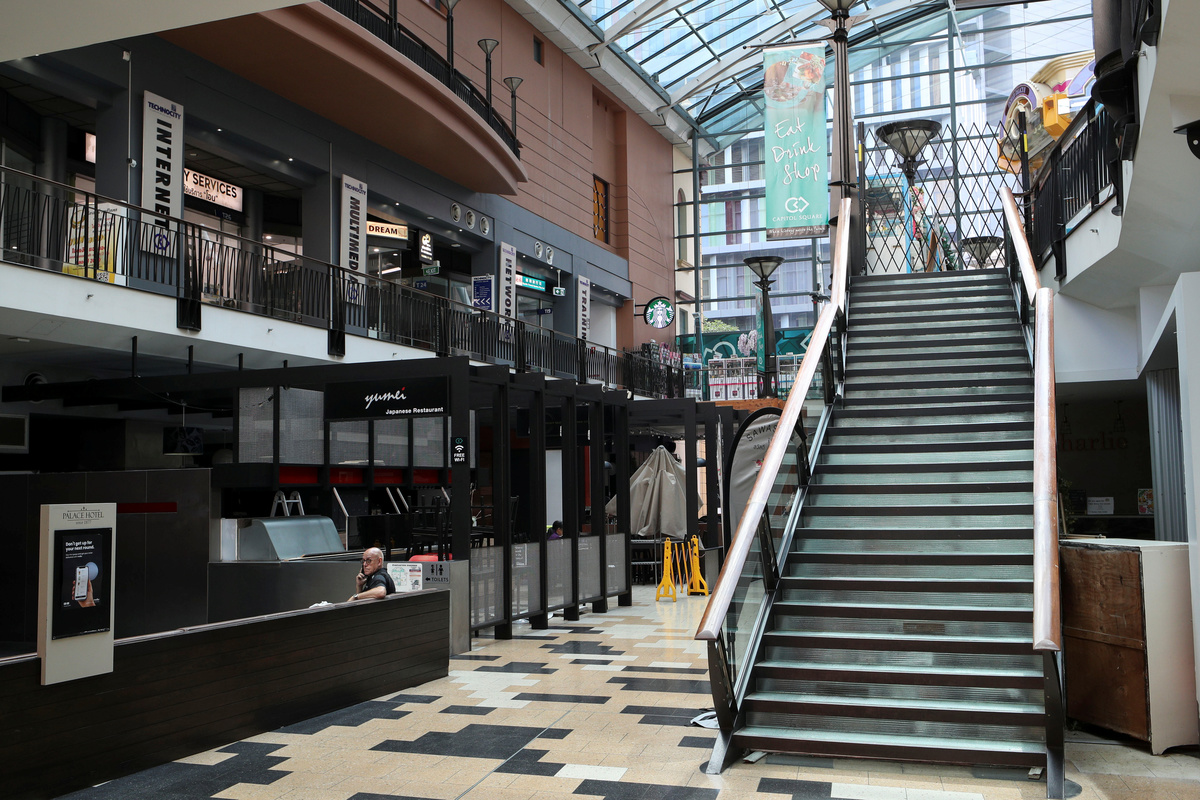
A man sits on an almost empty shopping center during a workday following the implementation of stricter social-distancing and self-isolation rules to limit the spread of the coronavirus disease (COVID-19) in Sydney, Australia, March 31, 2020. REUTERS/Loren Elliott
Prime Minister Scott Morrison said 113,000 businesses had registered for a A$130 billion ($80 billion) six-month wage subsidy designed to stop spiralling unemployment and business closures.
The "job keeper" allowance has brought the country's coronavirus-related stimulus so far to A$320 billion, or about 15% of Australia's gross domestic product, as economists forecast the country's first recession in almost three decades.
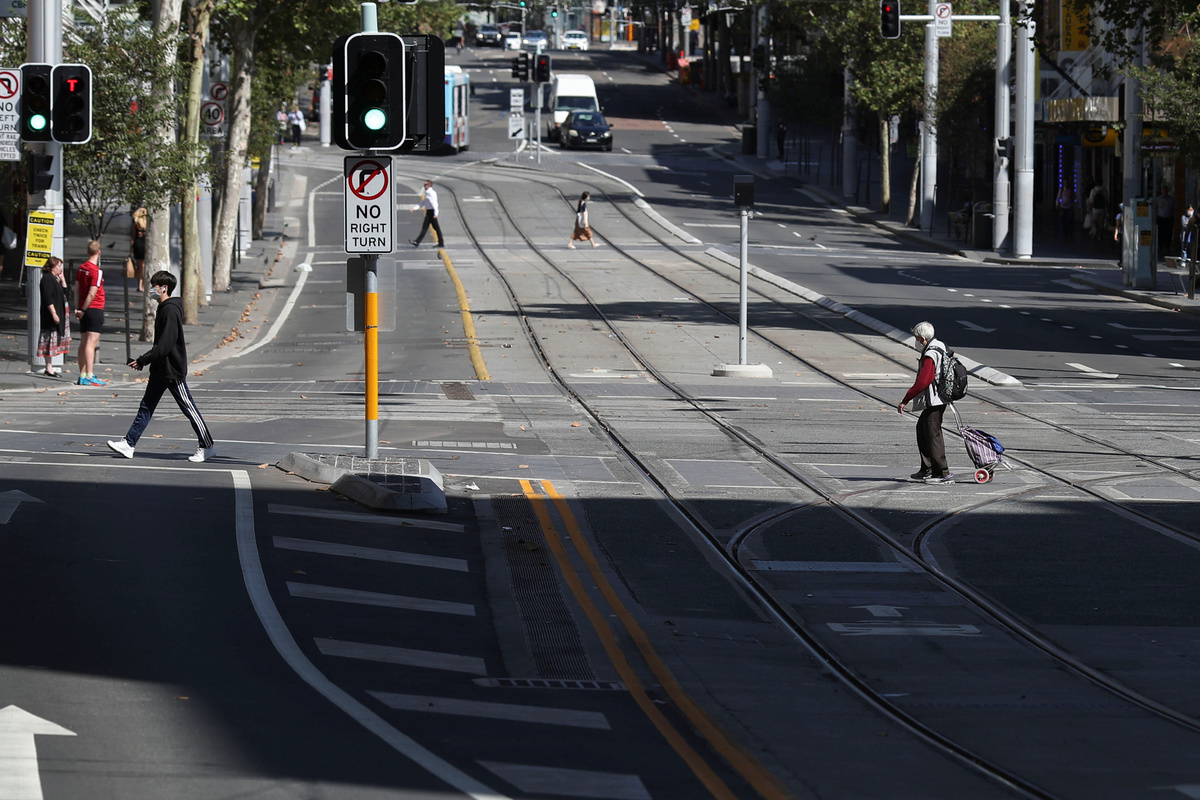
People cross a street during a workday following the implementation of stricter social-distancing and self-isolation rules to limit the spread of the coronavirus disease (COVID-19) in Sydney, Australia, March 31, 2020. REUTERS/Loren Elliott
(Reporting by Colin Packham, Jonathan Barrett, Byron Kaye, Sonali Paul, John Mair and Melanie Burton; Editing by Jane Wardell and Edwina Gibbs)
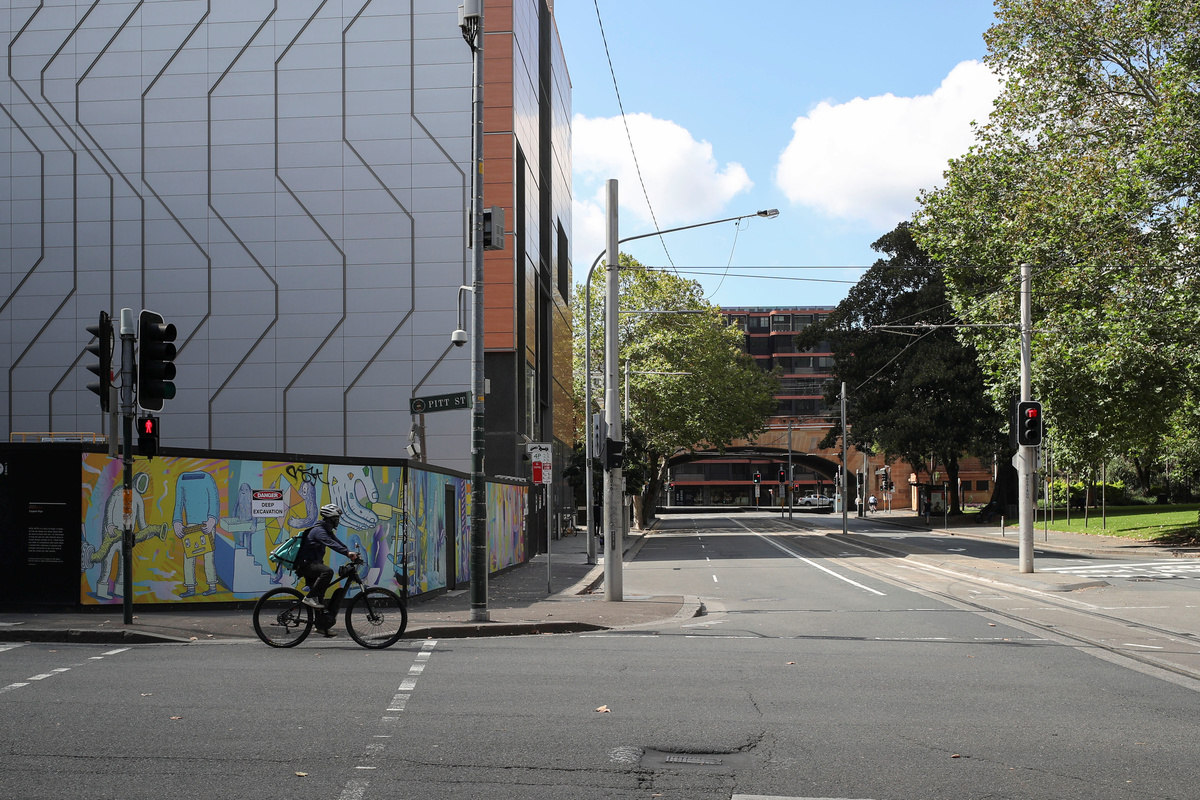
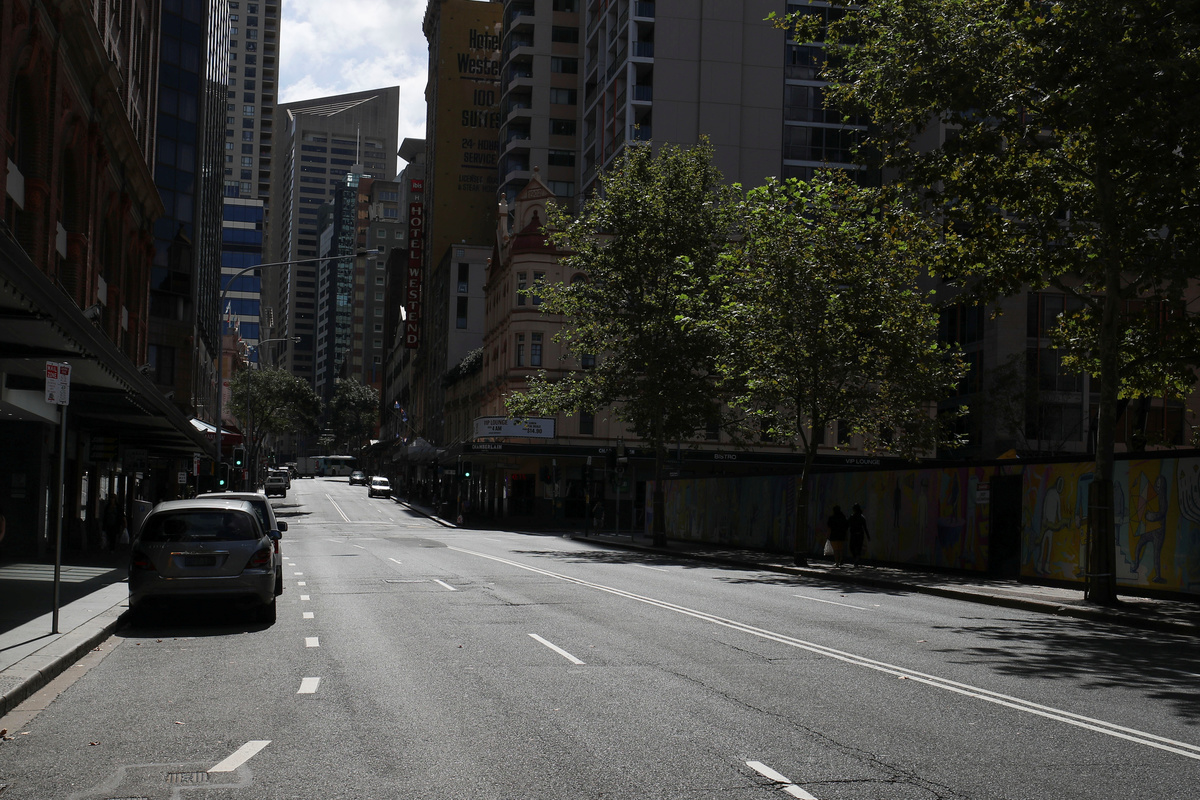
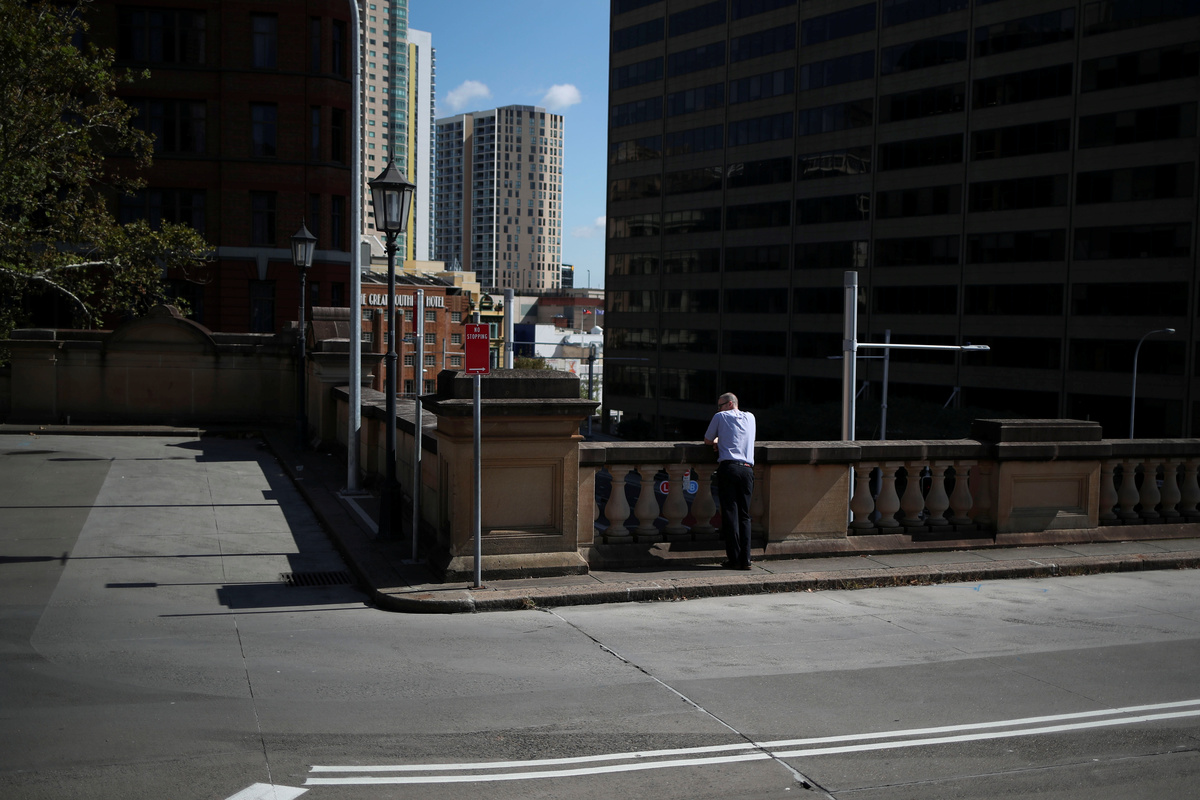
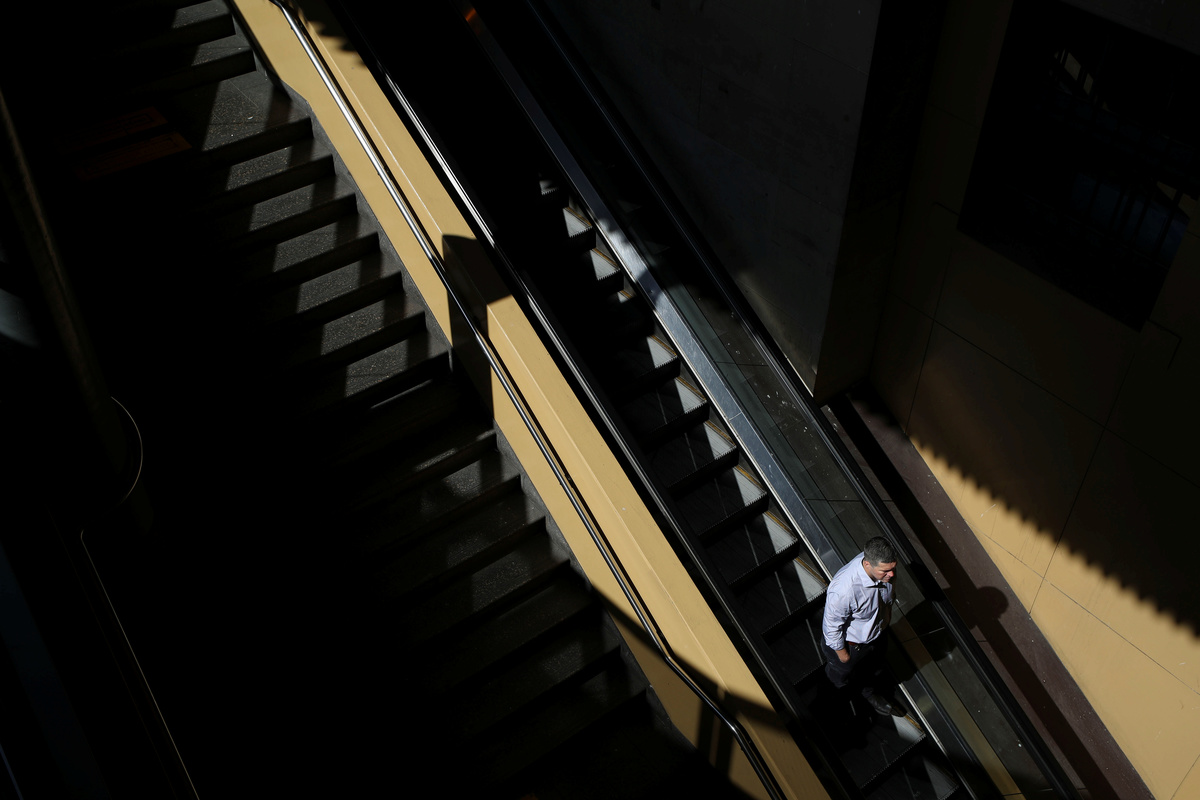
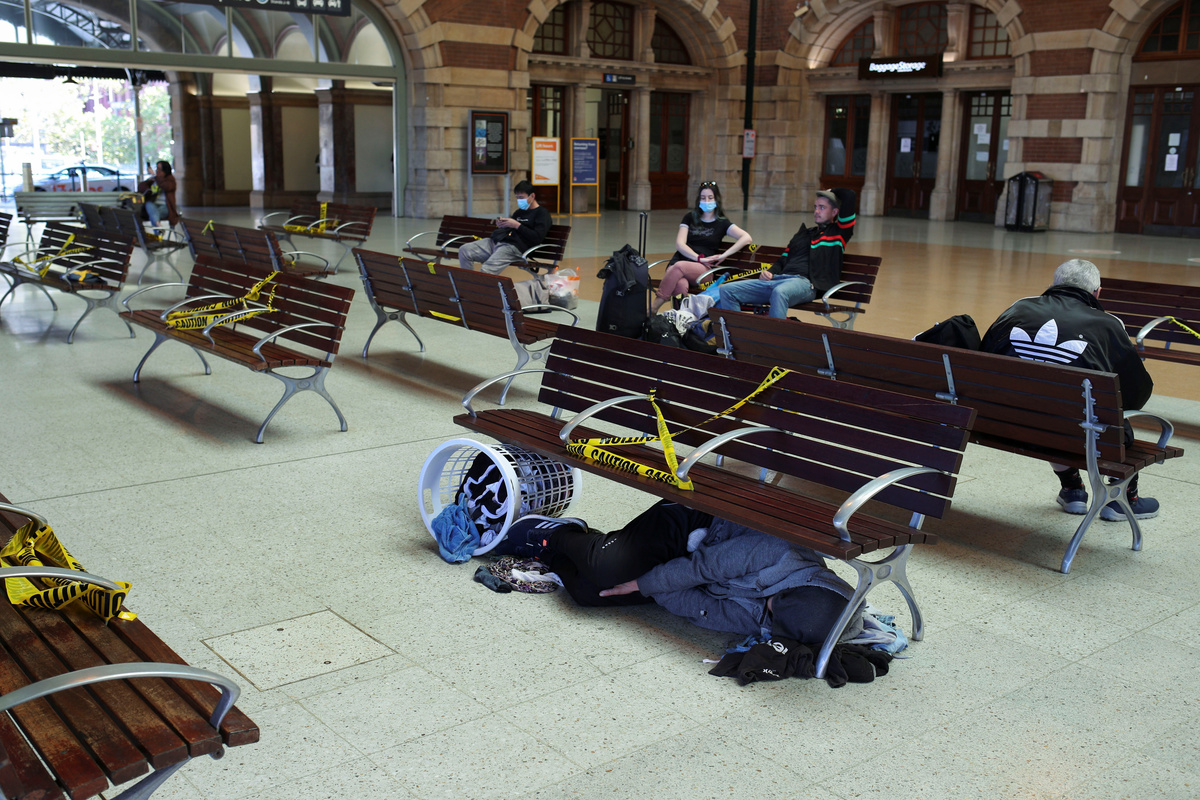
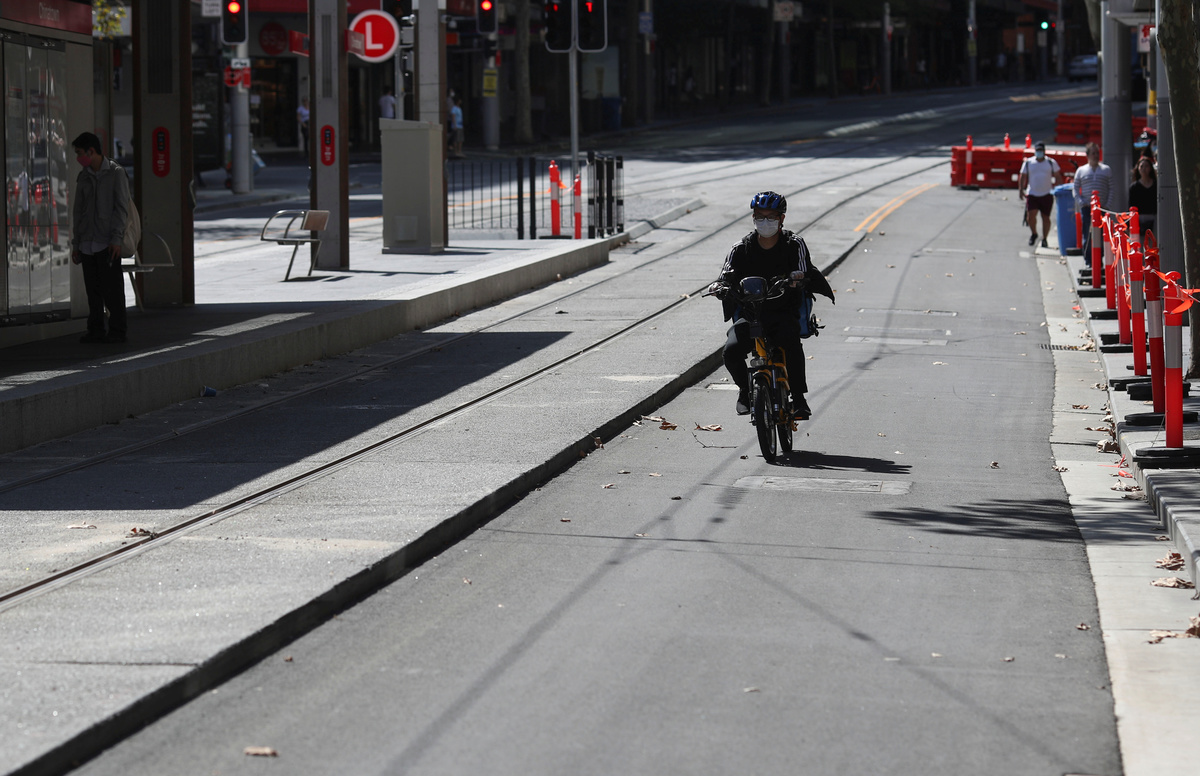
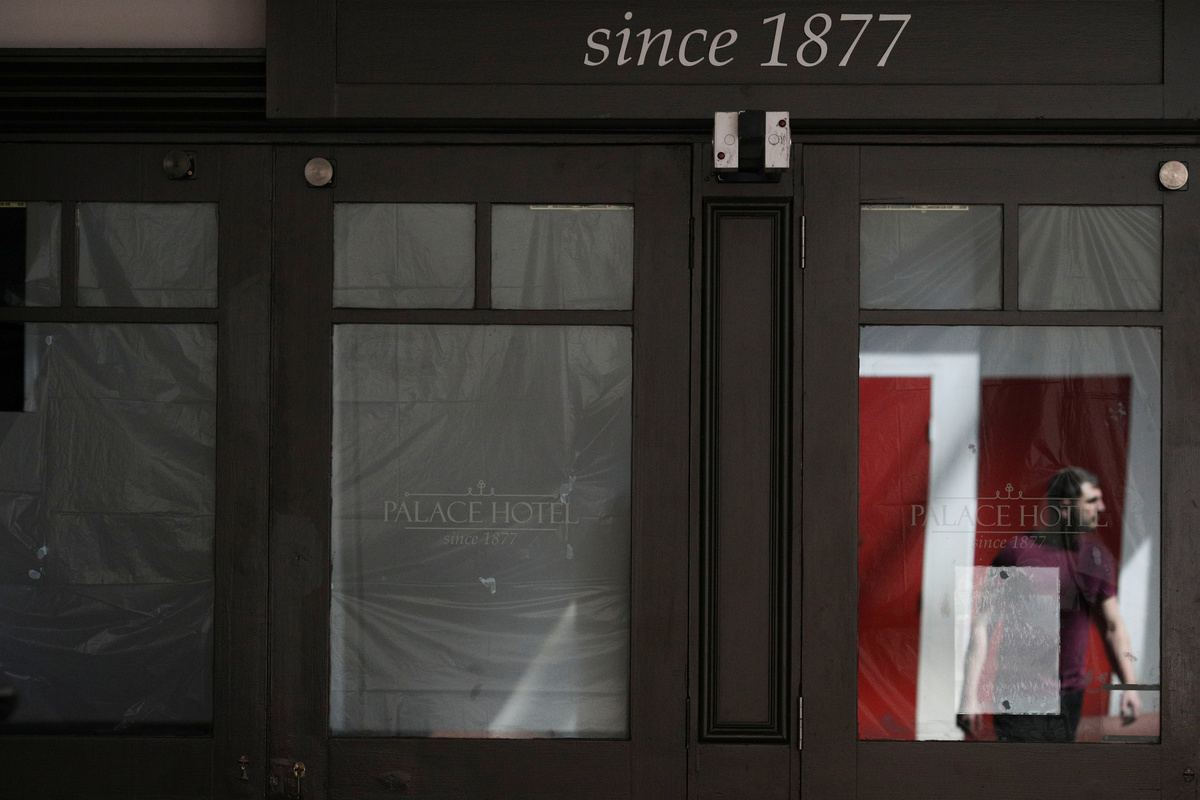
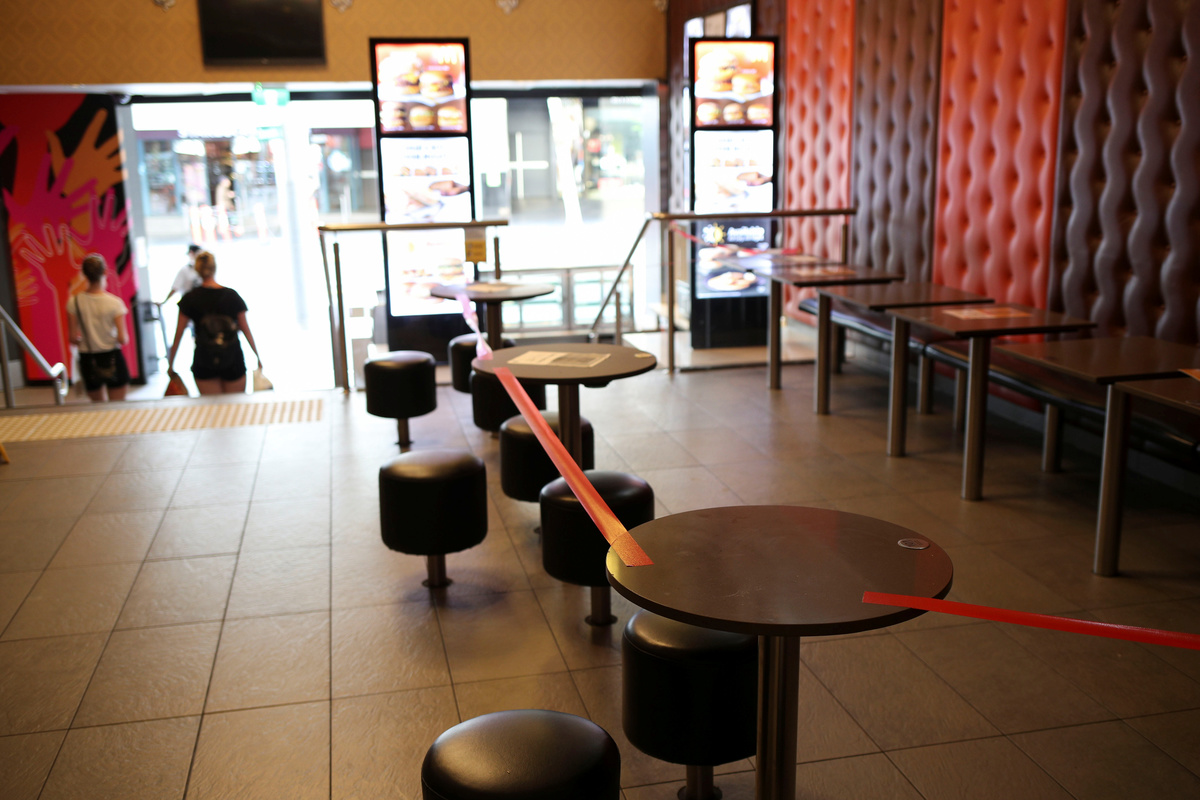
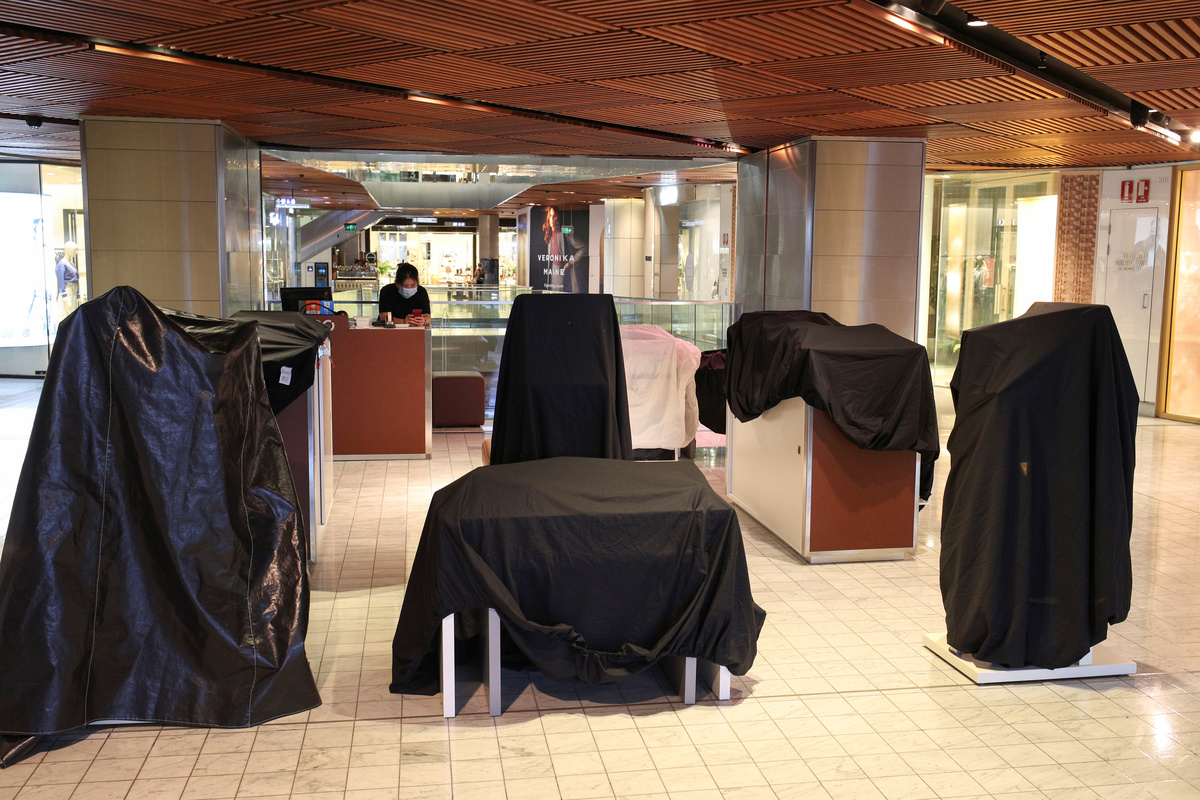
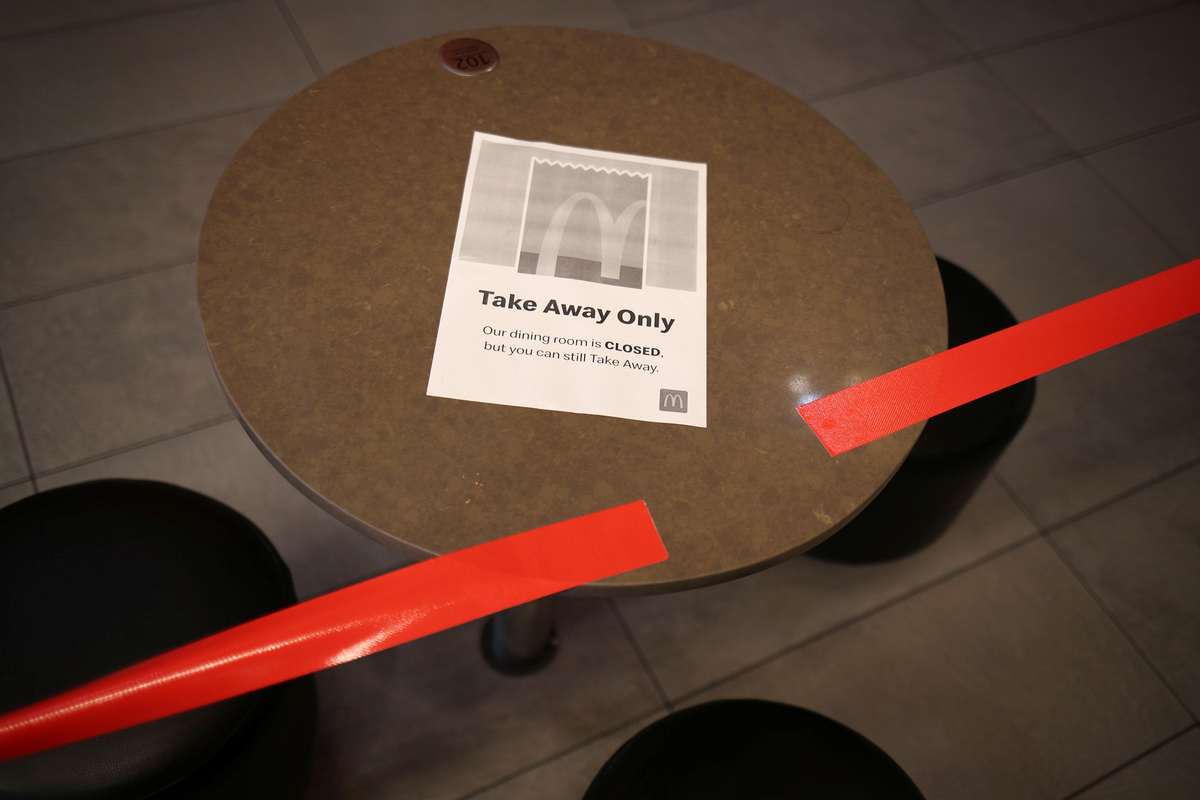
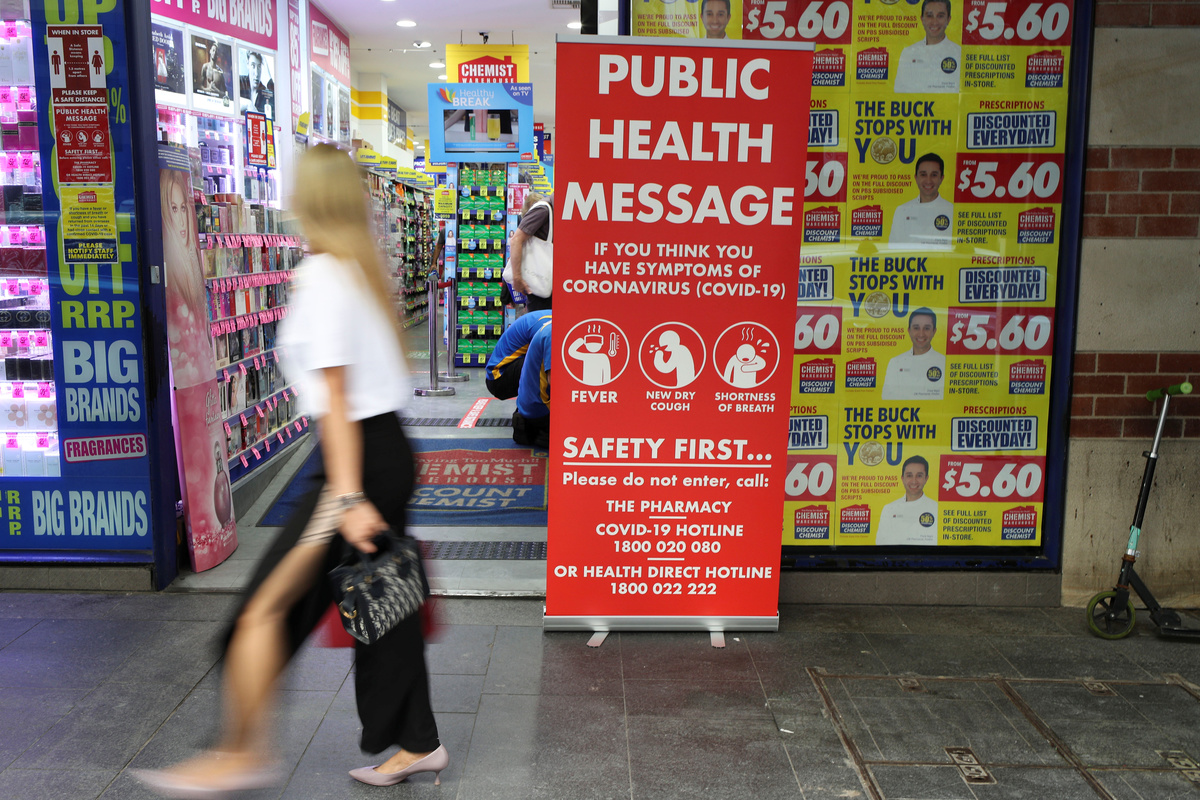
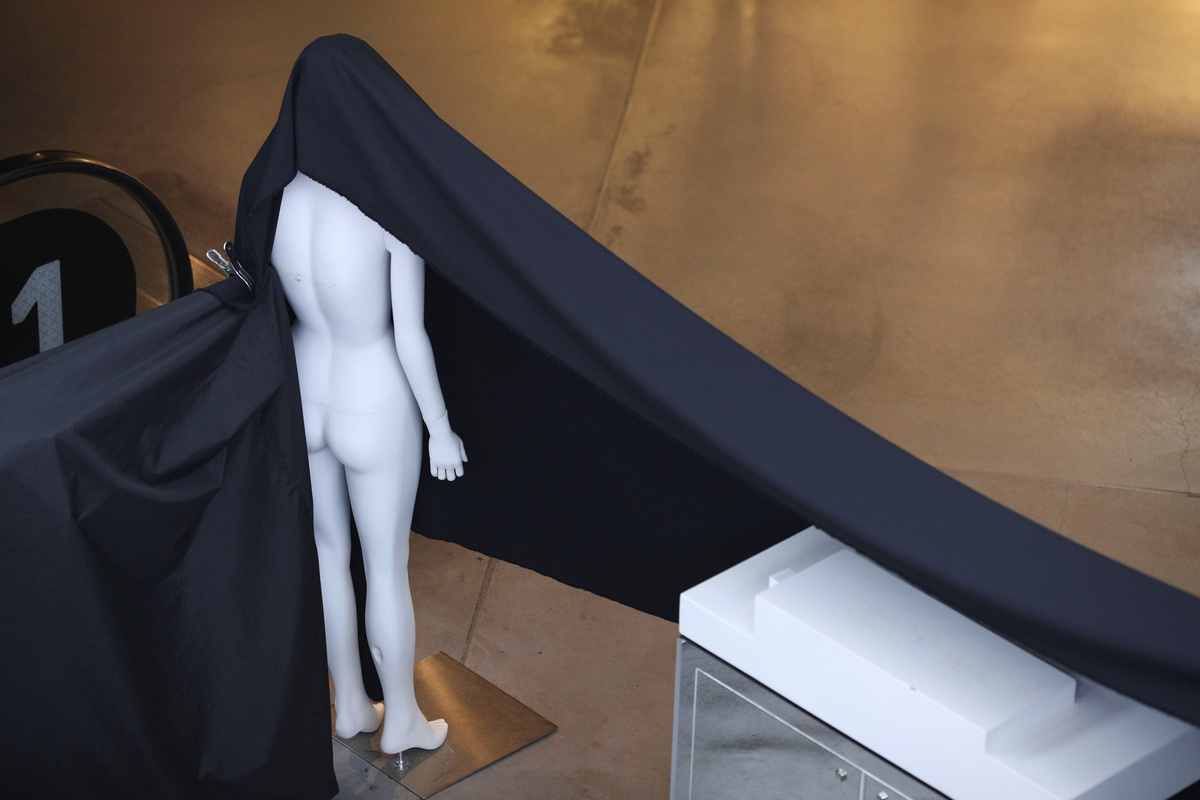
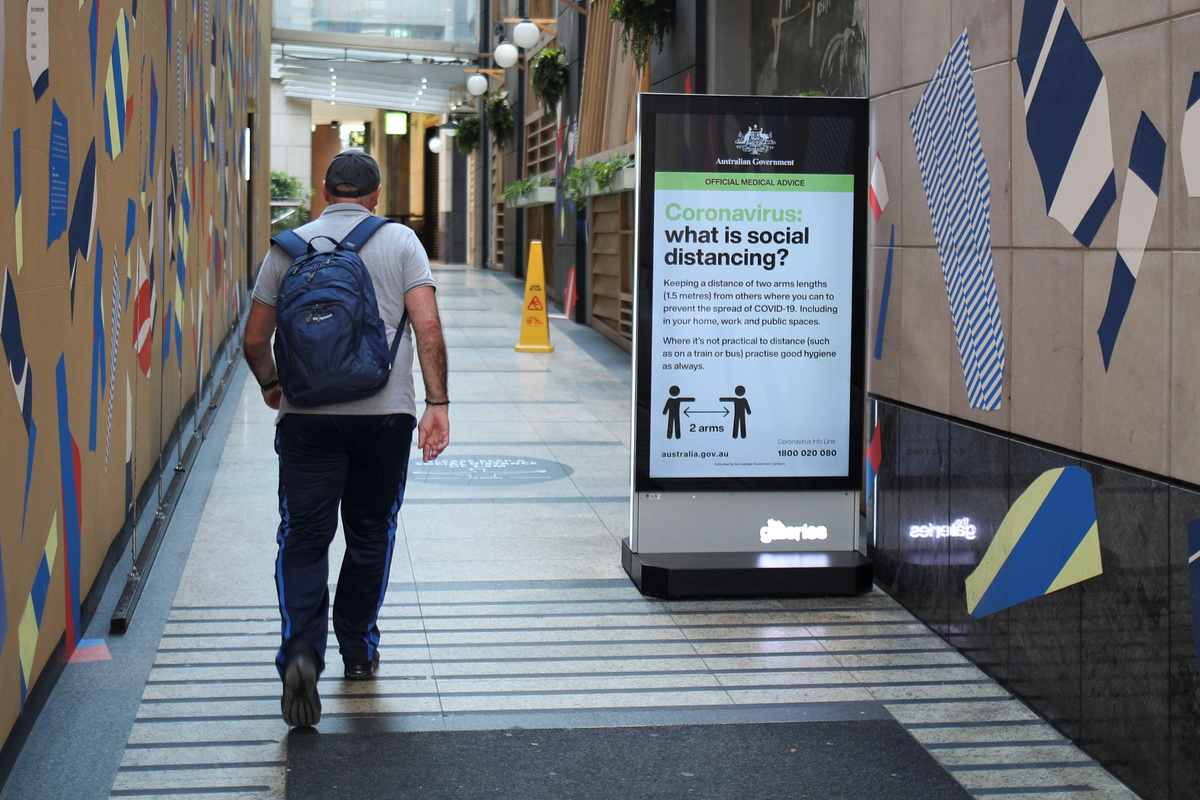
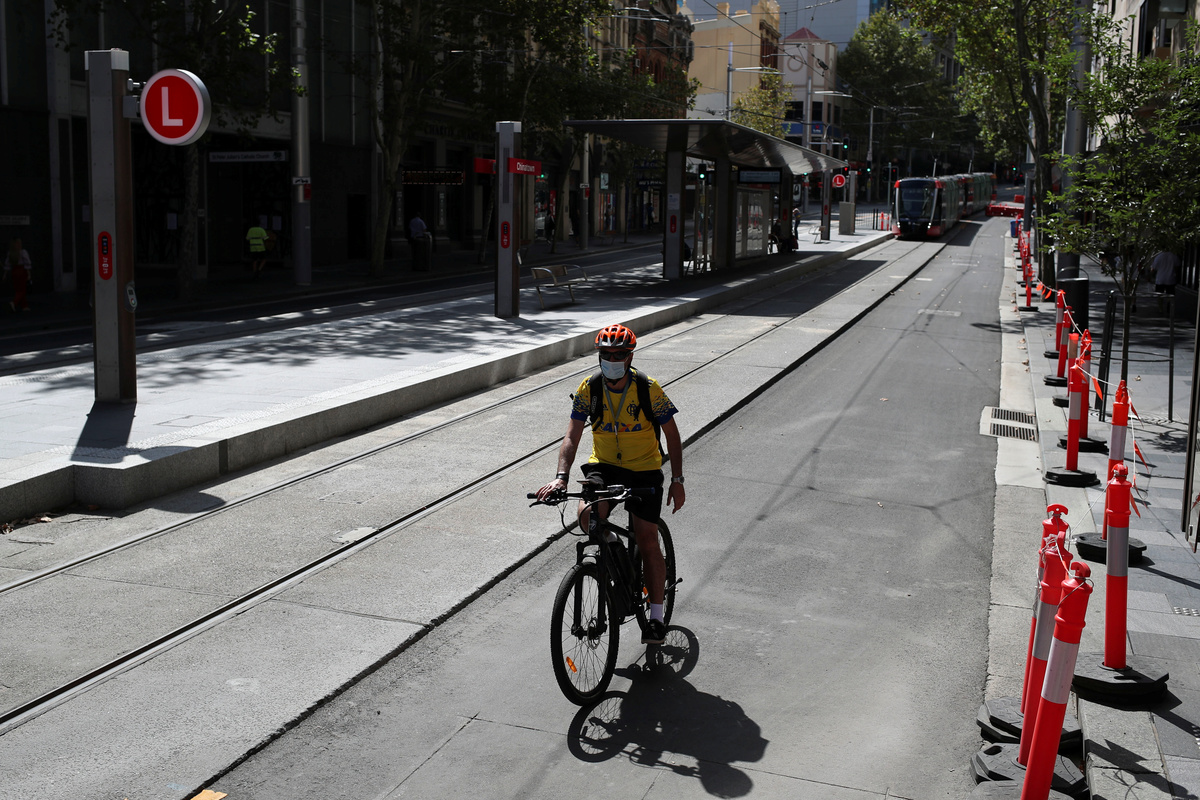
A man walks by an almost empty area of the city following the implementation of stricter social-distancing and self-isolation rules to limit the spread of the coronavirus disease (COVID-19) in Sydney, Australia, March 31, 2020. REUTERS/Loren ElliottA man rides his bicycle by an almost empty street during a workday following the implementation of stricter social-distancing and self-isolation rules to limit the spread of the coronavirus disease (COVID-19) in Sydney, Australia, March 31, 2020. REUTERS/Loren ElliottAn almost empty street is seen during a workday following the implementation of stricter social-distancing and self-isolation rules to limit the spread of the coronavirus disease (COVID-19) in Sydney, Australia, March 31, 2020. REUTERS/Loren ElliottA man takes a break at Sydney Central railway station during a workday following the implementation of stricter social-distancing and self-isolation rules to limit the spread of the coronavirus disease (COVID-19) in Sydney, Australia, March 31, 2020. REUTERS/Loren ElliottAn almost empty street is seen during a workday following the implementation of stricter social-distancing and self-isolation rules to limit the spread of the coronavirus disease (COVID-19) in Sydney, Australia, March 31, 2020. REUTERS/Loren ElliottA man uses an escalator at Sydney Central railway station during a workday following the implementation of stricter social-distancing and self-isolation rules to limit the spread of the coronavirus disease (COVID-19) in Sydney, Australia, March 31, 2020. REUTERS/Loren ElliottA homeless man sleeps under a bench at Sydney Central railway station during a workday following the implementation of stricter social-distancing and self-isolation rules to limit the spread of the coronavirus disease (COVID-19) in Sydney, Australia, March 31, 2020. REUTERS/Loren ElliottA man rides a scooter by an almost empty street during a workday following the implementation of stricter social-distancing and self-isolation rules to limit the spread of the coronavirus disease (COVID-19) in Sydney, Australia, March 31, 2020. REUTERS/Loren ElliottA closed shop with the windows covered with plastic is seen following the implementation of stricter social-distancing and self-isolation rules to limit the spread of the coronavirus disease (COVID-19) in Sydney, Australia, March 31, 2020. REUTERS/Loren ElliottA closed McDonald's dining is seen following the implementation of stricter social-distancing and self-isolation rules to limit the spread of the coronavirus disease (COVID-19) in Sydney, Australia, March 31, 2020. REUTERS/Loren ElliottA woman looks on her smartphone in a closed business at a mall following the implementation of stricter social-distancing and self-isolation rules to limit the spread of the coronavirus disease (COVID-19) in Sydney, Australia, March 31, 2020. REUTERS/Loren ElliottA flayer is seen over a closed McDonald's dining following the implementation of stricter social-distancing and self-isolation rules to limit the spread of the coronavirus disease (COVID-19) in Sydney, Australia, March 31, 2020. REUTERS/Loren ElliottA sign with instructions about the coronavirus is pictured following the implementation of stricter social-distancing and self-isolation rules to limit the spread of the coronavirus disease (COVID-19) in Sydney, Australia, March 31, 2020. REUTERS/Loren ElliottA mannequin is used to hang a piece of fabric on a closed business at a mall following the implementation of stricter social-distancing and self-isolation rules to limit the spread of the coronavirus disease (COVID-19) in Sydney, Australia, March 31, 2020. REUTERS/Loren ElliottA man walks in a corridor near a sign with instructions about the coronavirus and social distancing following the implementation of stricter social-distancing and self-isolation rules to limit the spread of the coronavirus disease (COVID-19) in Sydney, Australia, March 31, 2020. REUTERS/Loren ElliottA man rides his bike by an almost empty area of the city following the implementation of stricter social-distancing and self-isolation rules to limit the spread of the coronavirus disease (COVID-19) in Sydney, Australia, March 31, 2020. REUTERS/Loren ElliottPeople walk by an area of the city following the implementation of stricter social-distancing and self-isolation rules to limit the spread of the coronavirus disease (COVID-19) in Sydney, Australia, March 31, 2020. REUTERS/Loren Elliott
Sign up to read this article
Read news from 100’s of titles, curated specifically for you.