SYDNEY (Reuters) - Australia's economy appears to be gathering momentum this year as population growth fuels a boom in public investment, though high debt levels at home and trade tensions abroad loom as ever-greater threats.
Economists polled by Reuters forecast Australia's A$1.8 trillion ($1.33 trillion) of gross domestic product (GDP) would grow 2.9 percent in 2018, more than the 2.7 percent pace seen in April and last year's 2.3 percent pace.
The upward revision reflects a surprisingly strong first quarter when surging exports and spending by government and business lifted GDP growth to a two-year high of 3.1 percent.
Analysts also saw growth of 2.8 percent in 2019 and 2.7 percent for 2020, an outcome that would take Australia's stretch without a technical recession to 29 years.
That track record owes much to Australia's ability to attract enough skilled migrants to sustain population growth of 1.6 percent a year, more than twice the rich-world average.
Indeed, UBS economist George Tharenou reckons temporary migration is being understated, particularly for student visas.
"This 'people boom' will support GDP via exports, especially education and tourism; underpin the need for infrastructure investment and support housing demand," he argues.
"Given migrants are relatively young, skilled, educated and have much higher participation, this positive labour supply shock also caps wage pressure and keeps inflation low."
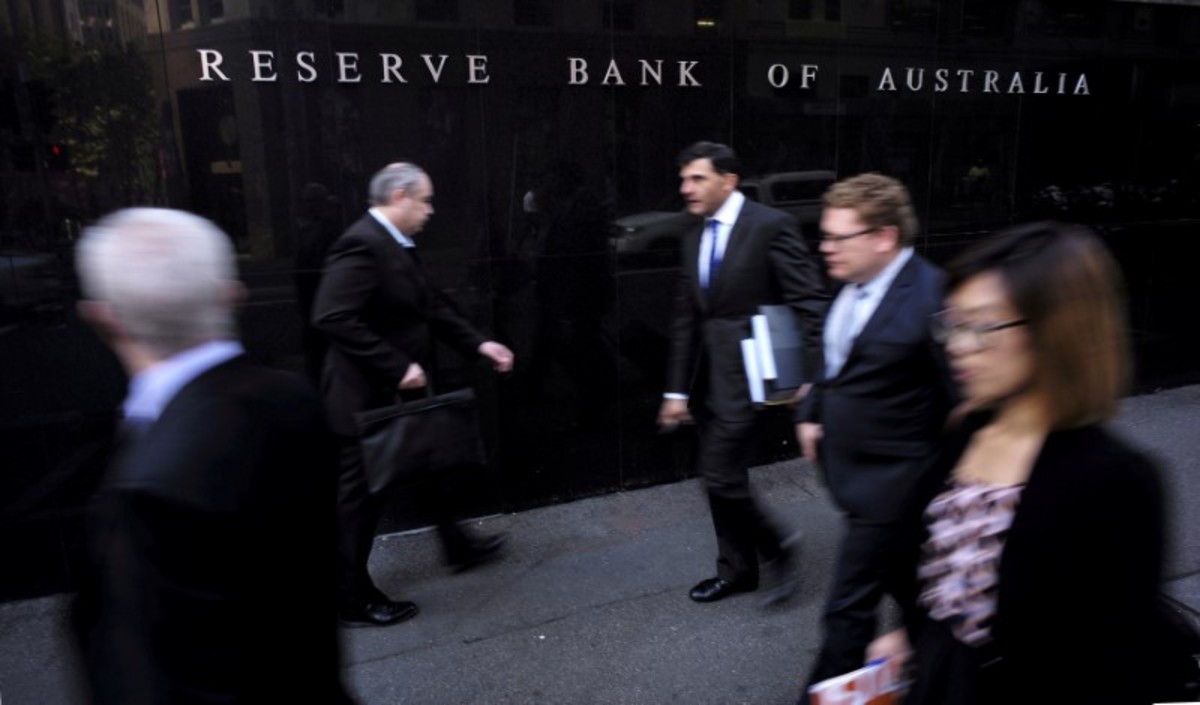
Analysts polled see inflation running at a modest 2.2 percent to 2.4 percent right out through 2020, a major reason the Reserve Bank of Australia (RBA) is expected to keep interest rates steady for at least another year.
The central bank itself predicts the economy will expand at a 3 percent-plus pace this year and next, but also concedes that dangers are mounting.
One is the potential for a damaging trade war as U.S. President Donald Trump presses on with tariffs against China, the European Union, UK, Canada and Mexico, among others.
China is Australia's single biggest export market and the largest buyer of many of its commodities. Two-way trade accounts for around 45 percent of Australia's GDP.
Another potential pit-fall is home grown - rocketing household debt. Australians' obsession with property has seen mortgage lending reach the sort of perilous heights that preceded the 2008 financial crisis in the United States and UK.
The risk warranted special discussion at the RBA's policy meeting this month and has the potential to upend the economy.
"The Australian miracle is actually mostly based on a rapid accumulation of public and household debt from 2008," argues Christopher Dembik, Saxo Bank's head of macro analysis.
With banks tightening lending standards and house prices weakening, that credit pulse had turned into a headwind the country was "ill-prepared to face", he warned.
(Reporting by Wayne Cole; Polling by Khushboo Mittal and Anisha Sheth; Editing by Richard Borsuk)