SYDNEY/WELLINGTON (Reuters) - The Australian dollar hovered near recent lows led by a broad risk-off move after U.S. President Donald Trump imposed a tariff on imported steel and aluminium, triggering fears of a global trade war.
Australia, as an open economy, relies heavily on international trade and capital. It is particularly vulnerable to a U.S.-led trade war, which threatens the outlook for global growth and the demand for commodities.
These worries drove investors to the safety of bonds, yen and Swiss francs, causing a widespread sell-off elsewhere including in equities markets.
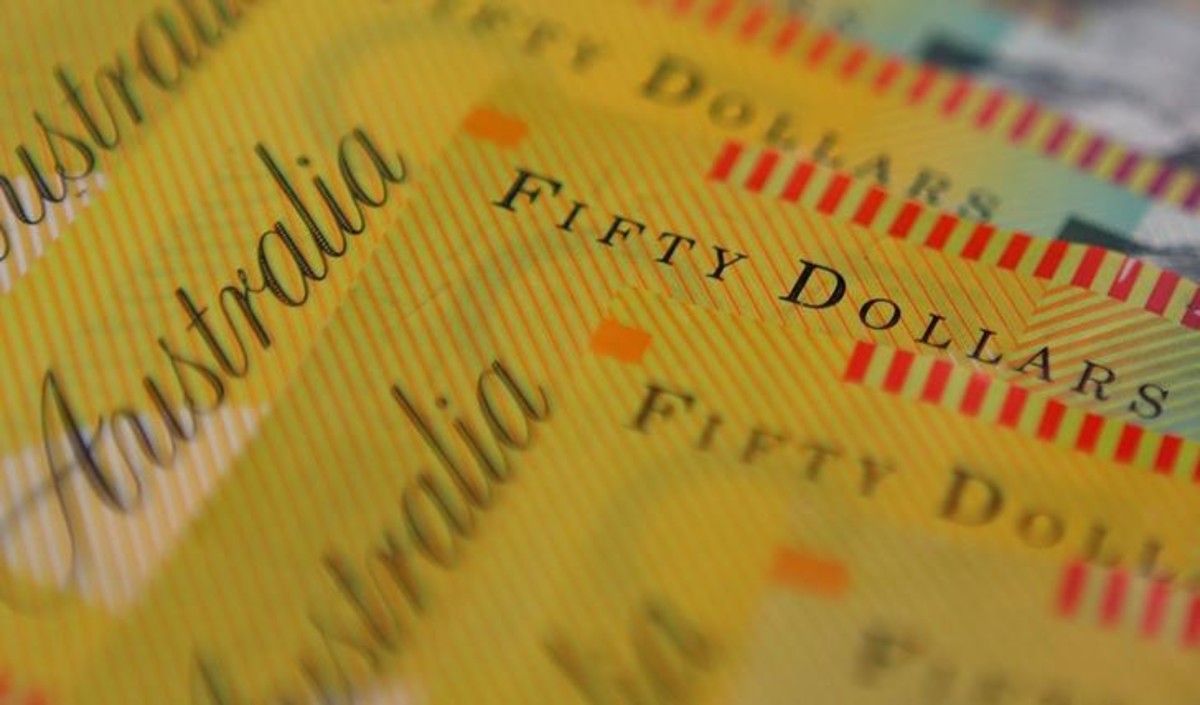
The Australian dollar <AUD=D4> went as deep as $0.7713 on Thursday, the lowest since late December. It bounced in the early hours of Friday to last quote at $0.7755.
The rebound was not large enough and the Aussie is still set for a second straight week of losses.
Against the safe haven yen, the Aussie hit its lowest since June 2017 at 82.09. <AUDJPY=R>.
"Trump's decision to impose a 10 percent tariff on imported aluminium and 25 percent on steel, is bad policy at a bad time and will only add to the risk of a trade war," said Shane Oliver, chief economist at AMP Capital.
"It's bad timing because the U.S. economy and labour market are already running hot. It doesn't need more 'help'," Oliver added. "In terms of whether we see a global trade war or not, China is the country to watch."
Oliver expects the Asian giant to work with other countries in mounting a challenge at the World Trade Organisation and "develop its image as the 'good guy' in terms of supporting free trade."
Across the Tasman Sea, the New Zealand dollar <NZD=D4> benefited from the broad sell-off in the greenback to rise 0.5 percent overnight, becoming the best performing major currency.
It was last up 0.2 percent at $0.7264, above a recent three-week low of $0.7186, but was still set for a modest weekly loss.
"The kiwi didn't quite get down...and has bounced on weaker USD sentiment," said Philip Borkin, senior economist at ANZ Bank, in a research note.
"A further squeeze higher is possible today, although we would be looking to fade moves up above 73 U.S. cents."
The gains in the kiwi meant it was near a seven-month peak against its Australian counterpart <AUDNZD=R>.
Australian government bond futures rose, with the three-year bond contract <YTTc1> up 1.5 ticks at 97.930. The 10-year contract <YTCc1> also climbed 1.5 ticks to 97.2750.
(Editing by Kim Coghill)