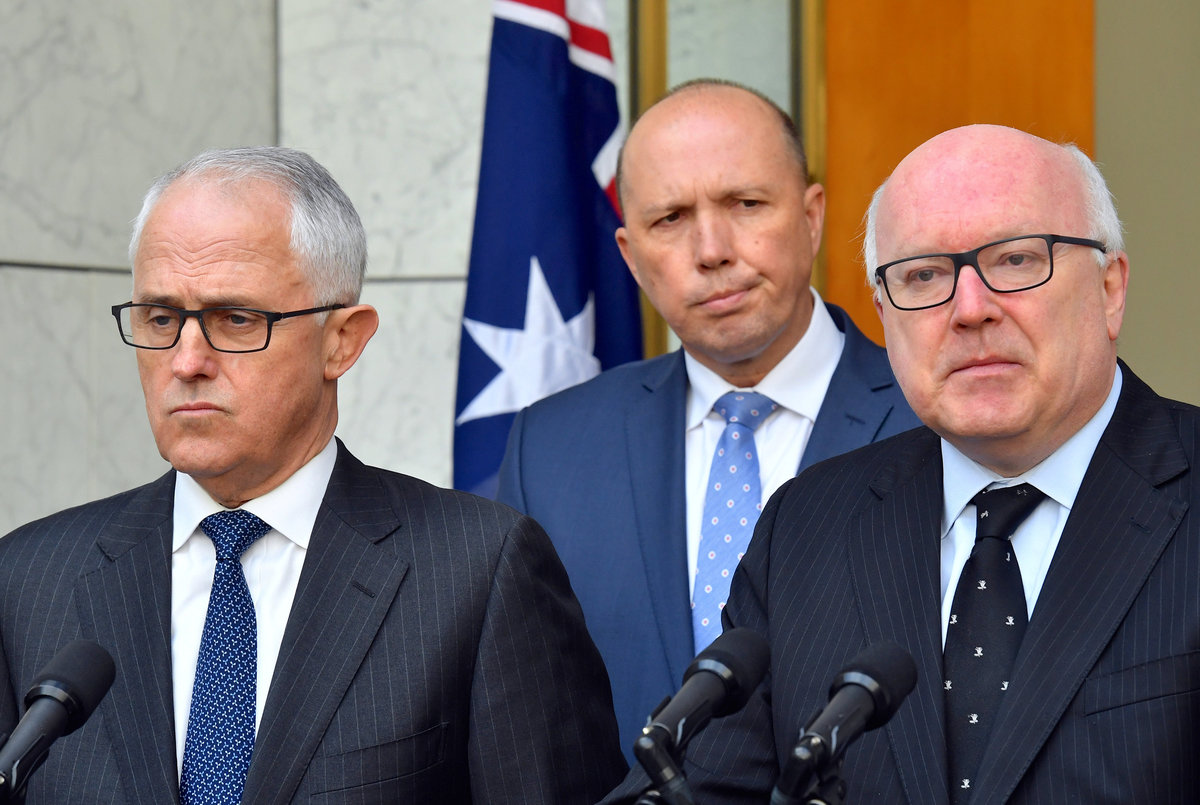
SYDNEY (Reuters) - Prime Minister Malcolm Turnbull said on Tuesday Australia's domestic security bodies, including the police and the national spy agency, will be centralised under a single minister as Canberra tackles the rising threat of "lone wolf" attacks.
Oversight of the Australian Security Intelligence Organisation and the police force had previously been the responsibility of three government officials but would now be handled by Immigration Minister Peter Dutton, Turnbull said, under a model similar to that used by the British Home Office.
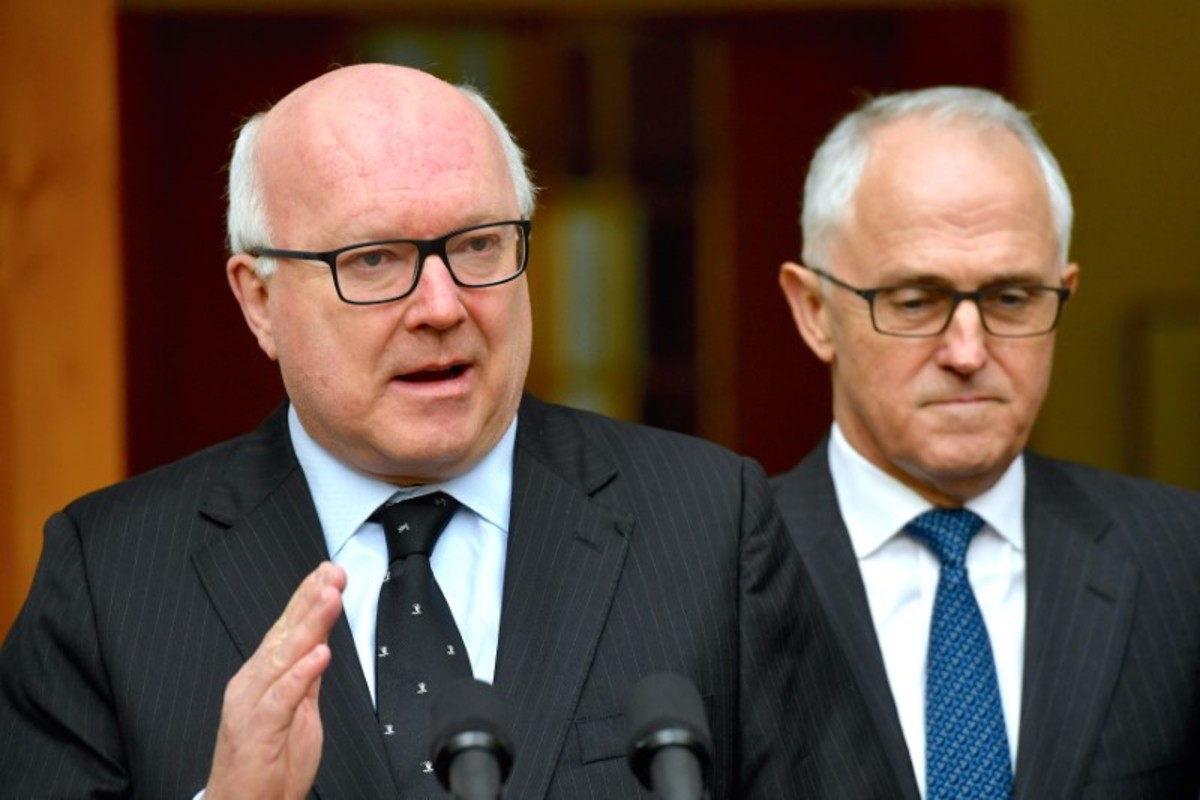
Turnbull said the centralised model would ensure greater coordination between Australia's security agencies.
The national security overhaul came as Australia, a staunch ally of the United States, reshapes its counter-terrorism response after a series of lone-wolf attacks and heightened fear of attacks by home-grown militants returning from fighting in the Middle East.
"Our security environment is being shaped by changes in our region and beyond," Turnbull told reporters in Canberra.
"It is being shaped by the very real threat of home-grown terrorism that is increased with the spread of global Islamist terrorism," he said.
The Cabinet shake-up came a day after Turnbull said Australia's military would be more readily deployed to respond to "terrorist incidents" at home.
Under those proposed law changes, state and territory governments would be able to call for military help at any time after a "terror incident" has been declared. Previously, the military could only be called upon once police concluded they could no longer deal with an incident.
Australia's domestic security policies have come under close scrutiny since a lone gunman staged a 16-hour siege at a Sydney cafe in December 2014, during which two hostages were killed.
A coronial inquiry found in May that police failed to respond quickly enough to end the siege, which has been described as Australia's deadliest incident inspired by Islamic State extremists. The gunman, who was killed by police, had no direct ties to the militant group.
(Reporting by Colin Packham; Editing by Paul Tait)