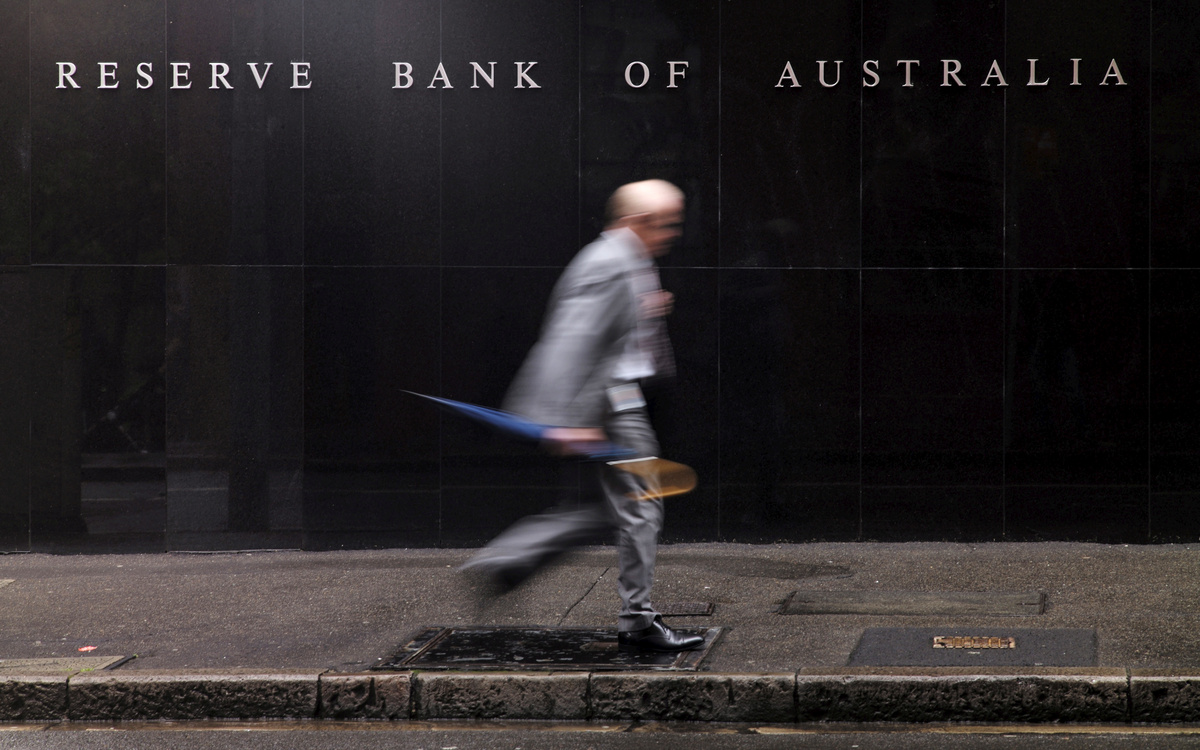
Australia's major bank economists expect the country's central bank to extend its A$100 billion ($77.05 billion) government bond buying programme beyond April with an updated guidance expected as soon as next month.
The Reserve Bank of Australia (RBA), last year, slashed its official cash rate to an all-time low of 0.1% and launched an unprecedented quantitative easing programme targeting long-term bond yields to help pull Australia out of its first recession in three decades.
National Australia Bank expects the RBA to announce an extension of its QE programme by an additional A$50 billion over another six months to help bring the unemployment rate down to 5% from around 7%.
Other major banks, including Commonwealth Bank and ANZ Banking Group also expect an extension.
"While the outlook has improved, the (coronavirus) pandemic has still been a large hit to the economy such that exceptionally easy policy is warranted," NAB's chief economist Alan Oster wrote in a note.
The RBA has also been purchasing three-year government bonds in the secondary market as part of its yield curve control (YCC) target to help keep short-term borrowing costs low.
Under its YCC program, the RBA has tied its 3-year yield target to its guidance that the cash rate will not increase for at least 3 years.
"At some stage the RBA is likely to become unable to maintain this position as the recovery unfolds – we think the RBA will reach that point around mid-2021," Oster said.
Economists expect the RBA to either entirely remove or lift the yield target by June.
"At this stage we think that could happen by the middle of 2021 based on our forecasts for the unemployment rate,” CBA economist Stephen Halmarick said.
Australia has been successful in curbing the pandemic and largely reopening its economy since May last year, helping boost domestic travel, jobs growth and consumer spending.
International borders remain shut, however, while small virus outbreaks in parts of the country from time to time has led to an uneven and bumpy economic recovery.
"We will get a much clearer picture on what the RBA is likely to do in H1 2021 in early February," Halmarick added.
The RBA will hold its first monthly meeting of the year on Feb.2.
($1 = 1.2979 Australian dollars)
(Reporting by Swati Pandey; Editing by Ana Nicolaci da Costa)