Australia's social media ban for under-16s will take effect unimpeded after an attempt to halt the restrictions was pushed back.
The Digital Freedom Project has launched a legal challenge to the laws that kick in on Wednesday, claiming they infringe on the constitutional implied right to political communication.
The case appeared before Chief Justice Stephen Gageler on Thursday in the High Court in Canberra, where a hearing was ordered on or after February 25.
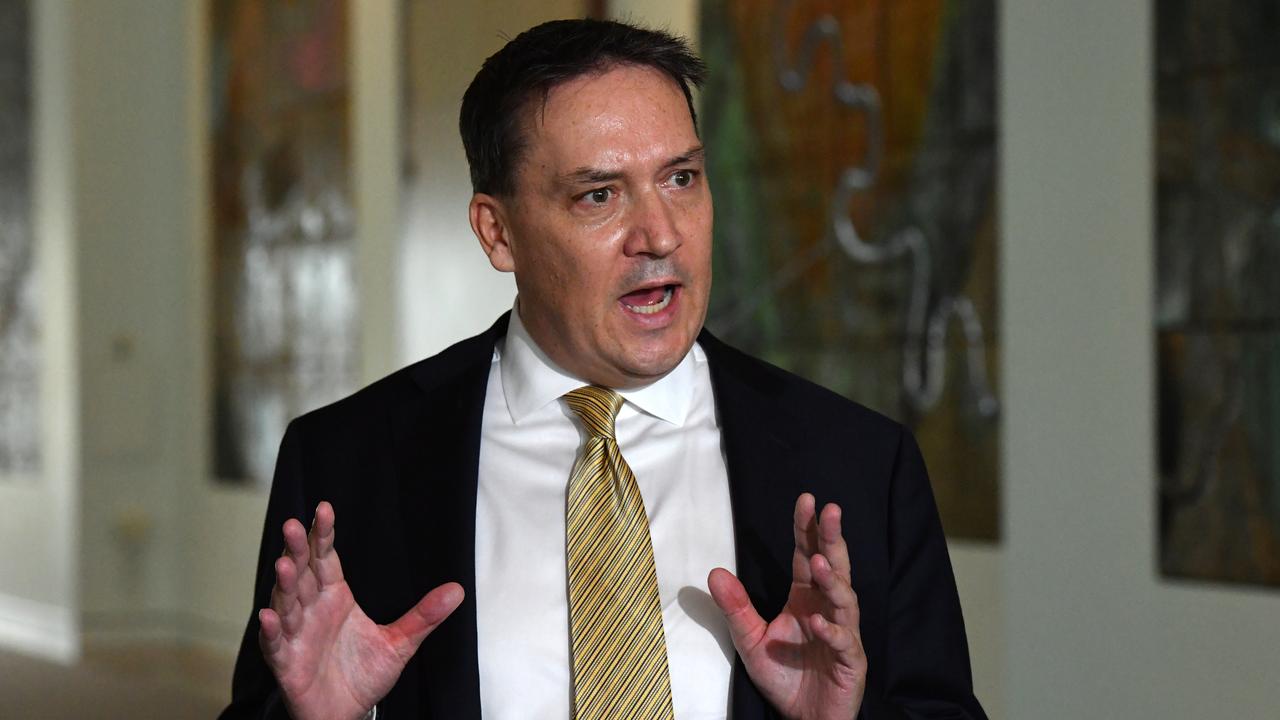
In a social media post, Digital Freedom Project president and NSW politician John Ruddick said a previous plan to apply for an interim injunction was dumped in favour of saving the fight for the full hearing before the High Court justices.
The Australian constitution does not explicitly protect freedom of speech.
Social media companies face fines of up to $49.5 million if they fail to take "reasonable steps" to block young users from December 10.
eSafety Commissioner Julie Inman Grant revealed at a Sydney event on Thursday, US tech giants had lobbied strongly against Australia's incoming regulations and some had engaged in "pretty grubby behaviour" that targeted her personally.
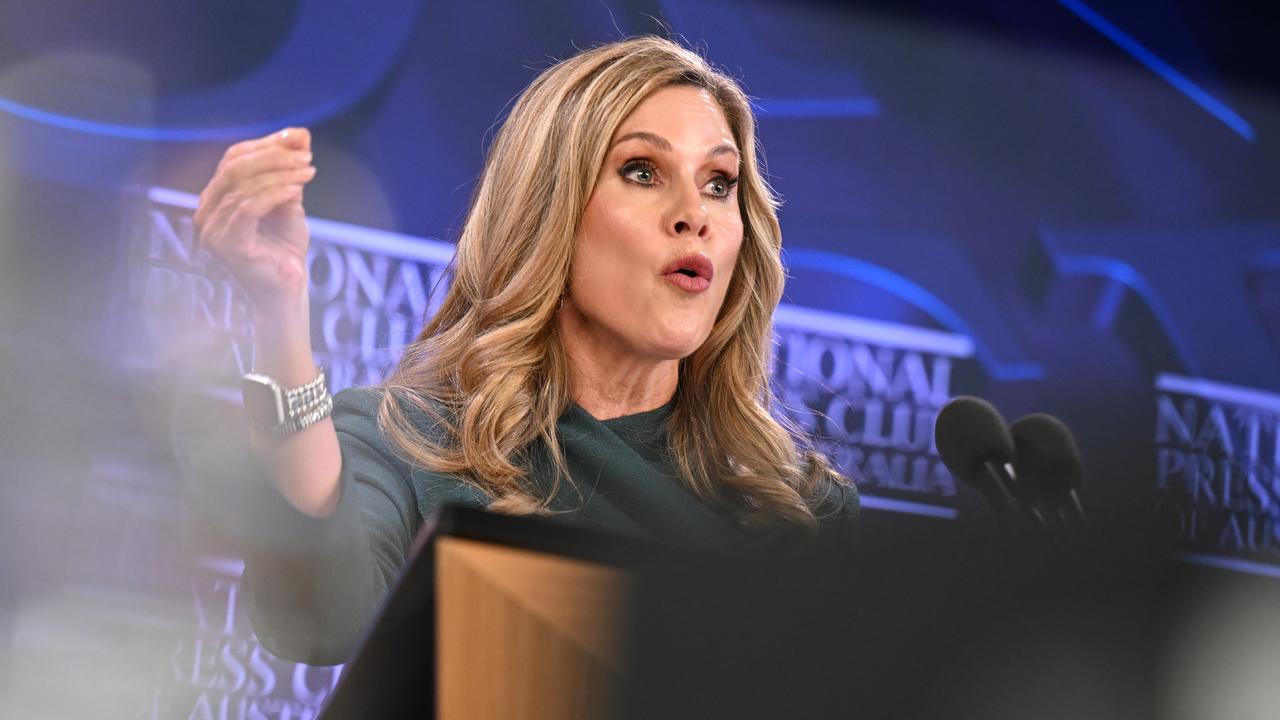
Her comments come less than a week before the Social Media Minimum Age law comes into effect and on the same day Meta began to deactivate 500,000 Instagram, Facebook and Threads accounts it had deemed to be held by Australians under 16 years.
Ms Inman Grant made her comments at The Sydney Dialogue conference run by the Australian Strategy Policy Institute, where Indonesian Communications Minister Meutya Hafid said the nation planned to follow Australia's lead and introduce social media restrictions in 2026.
Getting multibillion-dollar technology firms to comply with regulations had been difficult, Ms Inman Grant said, with some lobbying foreign politicians to prevent the measures and one firm targeting her son.
"I've always referred to this as the first domino, which is why they pushed back," she said.
"They did push back pretty vigorously and one of the companies, instead of implementing the age assurance (technology), were spending time lobbying the European Commission."

The European Parliament last week voted to impose a minimum age of 16 years on social media and Ms Inman Grant said she would address the commission about Australia's approach.
Australia's regulations, which begin on Wednesday, would be nuanced but imperfect, she said, and the eSafety Commission had partnered with researchers to assess their impact.
"We're doing a comprehensive evaluation of the benefits but also the unintended consequences and we're doing this with 11 academics in Australia and overseas," she said.
The Telecommunications Industry Ombudsman has called for further changes, saying it is bracing for a barrage of complaints about the ban it will be powerless to address.

The ombudsman issued a report on Thursday revealing it had received hundreds of complaints about digital platforms and services in the past two years.
The Digital Platforms Complaints Insights report stated more than 1500 people had lodged complaints about digital services since 2023 after failing to resolve issues directly with the companies.
More than one in three complaints (36 per cent) involved being blocked or banned from accessing accounts, while others involved unfair fees (34 per cent) and faulty services and products purchased online (25 per cent).