Australians in Iran are being warned there are limited options to help them get out as uncertainty prevails following US-Israeli strikes that killed the Islamic regime's leader.
The region has been thrown into chaos after the US and Israel launched strikes against Iran and killed Ayatollah Ali Khamenei.
Tehran has launched counterattacks on several countries, throwing travel plans into chaos as air routes shut down.
The supreme leader had been in power since 1989 and stood accused of orchestrating numerous human rights abuses, most recently a brutal crackdown on protesters denouncing his rule.
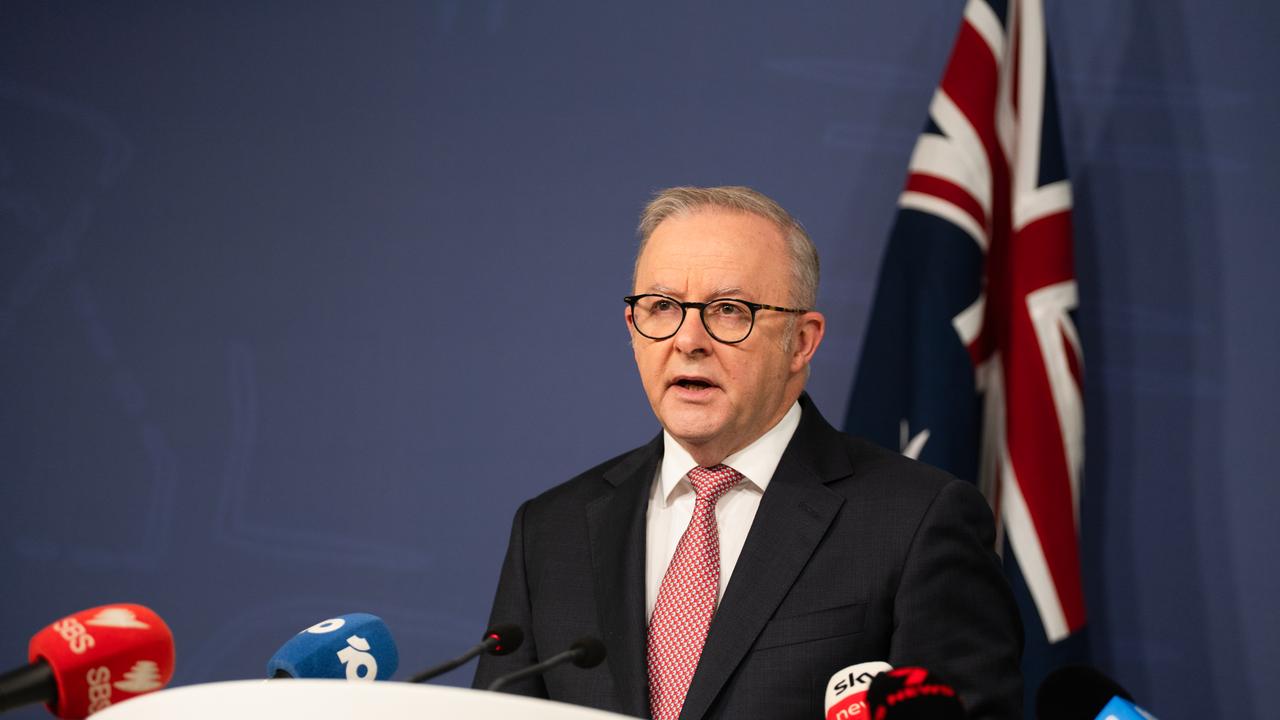
Prime Minister Anthony Albanese welcomed the strikes against Iran and US moves to prevent Tehran from acquiring nuclear weapons and continuing to destabilise the region.
"Ayatollah Khamenei was responsible for the regime's ballistic missile and nuclear program, support for armed proxies and its brutal acts of violence and intimidation against its own people," he told reporters in Sydney on Sunday.
"His passing will not be mourned."
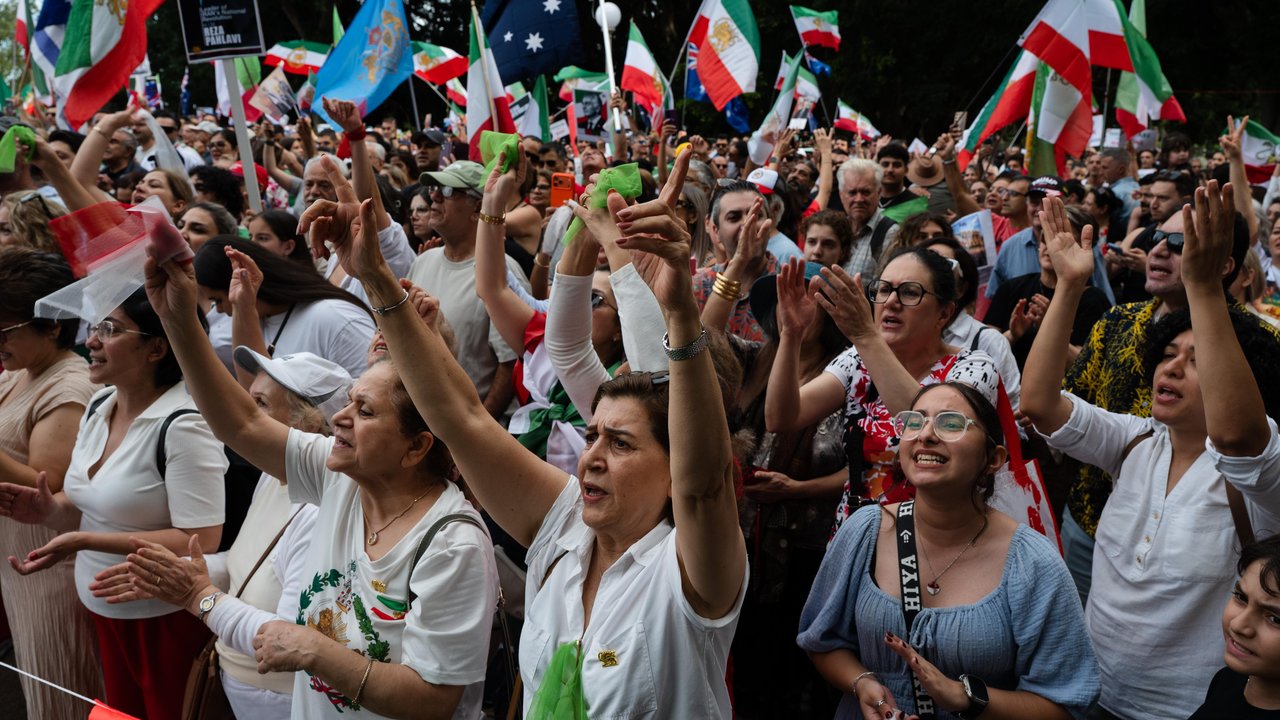
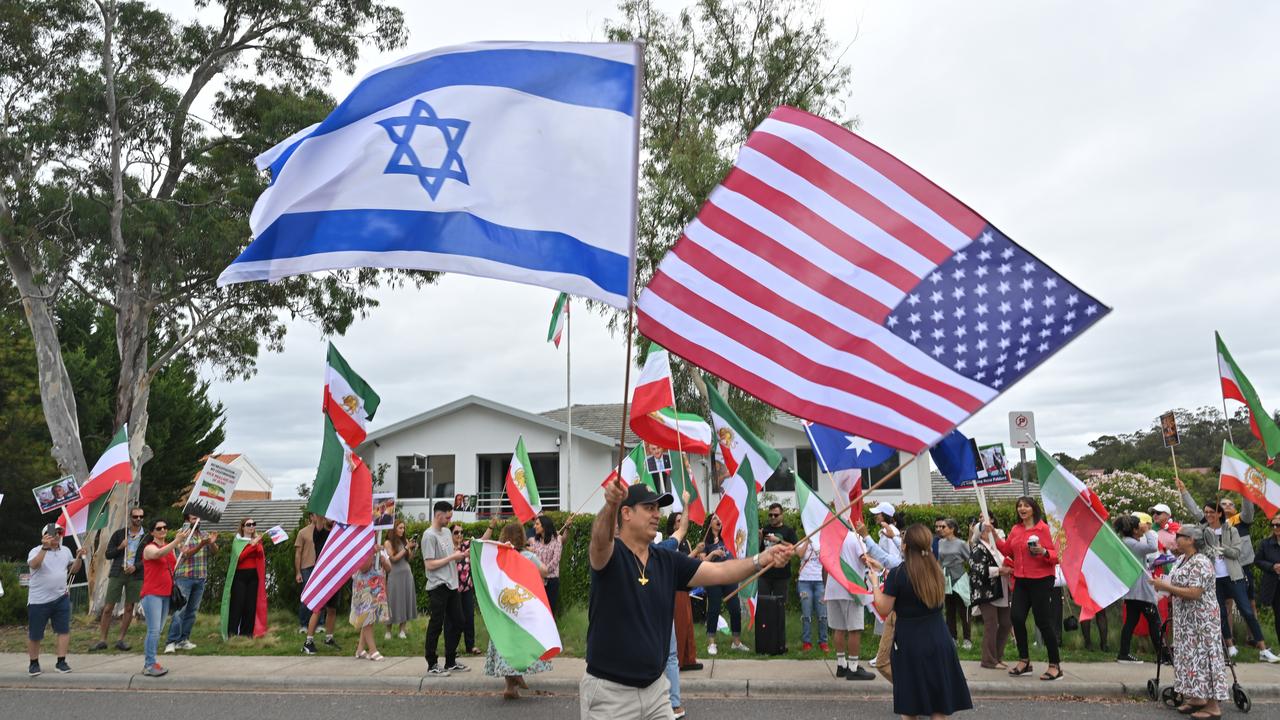
The news has been widely celebrated by the Iranian community in Australia, with the diaspora taking to the streets around the nation to denounce the authoritarian regime and thank the US and Israel.
Thousands of people gathered at Sydney's Hyde Park, welcoming the death of the dictator and celebrating the prospect of freedom in Iran.
In Canberra, champagne was sprayed outside the former Iranian embassy as up to 200 people sang, chanted and shed tears of joy.
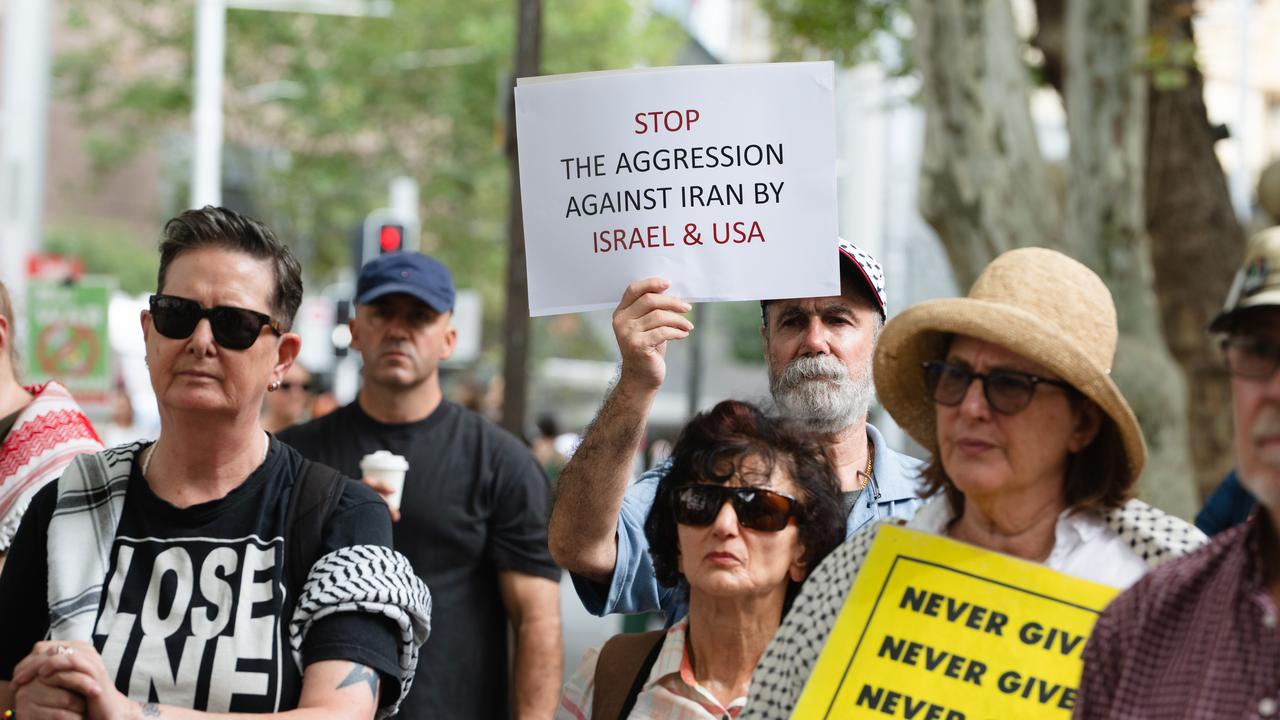
Smaller anti-war rallies also broke out in Australia, protesting US and Israeli aggression, after international law experts denounced the legality of the pre-emptive strikes against Iran.
Australia has upgraded its travel warnings for Israel, Lebanon, Bahrain, Kuwait, Qatar and the United Arab Emirates to do not travel.
A do-not-travel warning for Iran had already been in place, with Mr Albanese warning consular assistance was limited after Australia withdrew its ambassador from Tehran in 2025, when it expelled the Iranian ambassador.
"That has meant that our possibilities are restricted of what we can achieve but we will continue to engage," Mr Albanese said.
He urged Australians in the region seeking assistance to register with the Foreign Affairs Department, saying officials would contact those registered.
Flights across the region have been cancelled or turned around, creating travel chaos for many visiting or being routed through major Middle East aviation hubs.
Airspace around the Middle East remains closed, straining any repatriation efforts from Australia.
Cyprus, the closest European nation, is preparing for mass evacuations, including nationals from other nations, as it has when the region was thrown into conflict previously.
Australians have previously been evacuated to Cyprus from Lebanon during Israeli strikes, before being repatriated to Australia from the island nation.
Foreign Minister Penny Wong played down the likelihood of Australian troops becoming involved in the conflict, even if there was potential to change the Iranian leadership.
"Ultimately, Iran's future must be determined by the people of Iran ... you would not expect us to participate," she said.
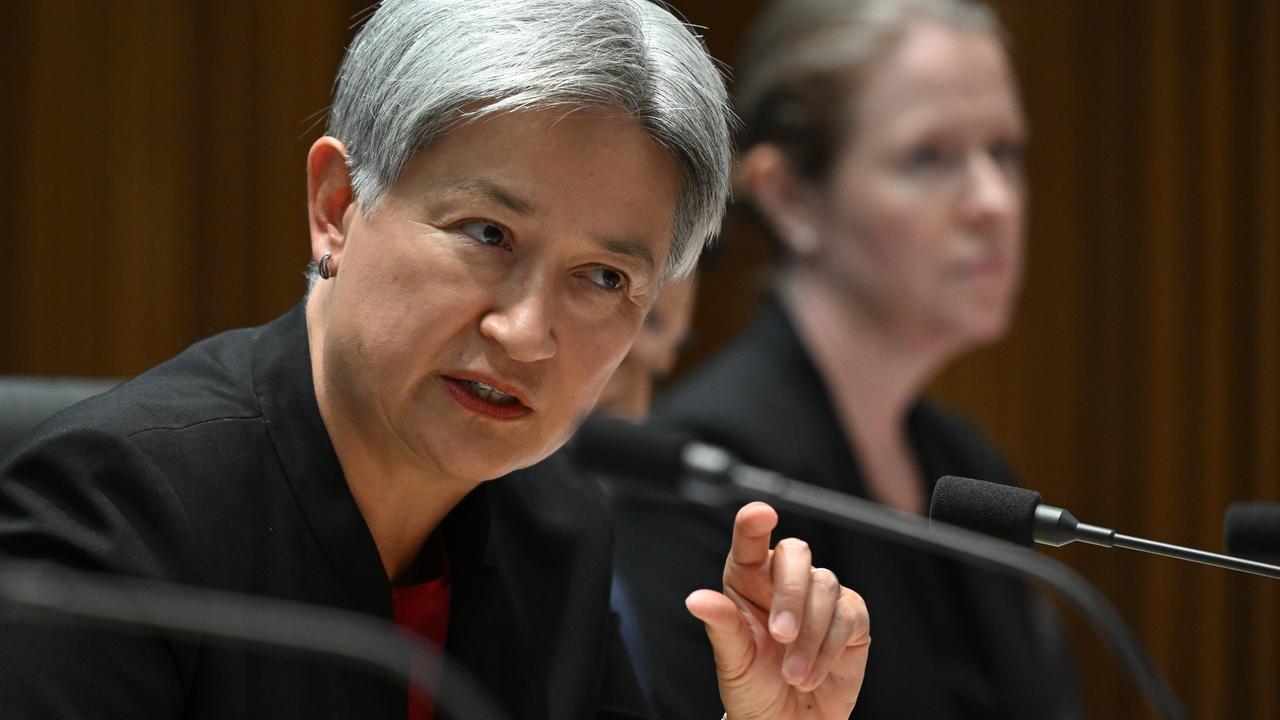
Senator Wong confirmed Australian leaders were not told in advance about the strikes.
Iranians have reported internet and phone lines being disconnected after the attacks - a common occurrence when military tensions rise.
James Younessi, an Iranian-Australian doctor who lives in Sydney, said he had heard stories of people celebrating the assault in Iran.
"People (are) in the street jubilating, singing, dancing, passing chocolates and lollies to one another," he told AAP.
Dr Younessi said he was glad to see the demise of the Ayatollah but would have preferred to see him face trial for his crimes.
The federal opposition has welcomed the US strikes, with frontbencher Tim Wilson saying the Iranian leader's death made the world a safer place.