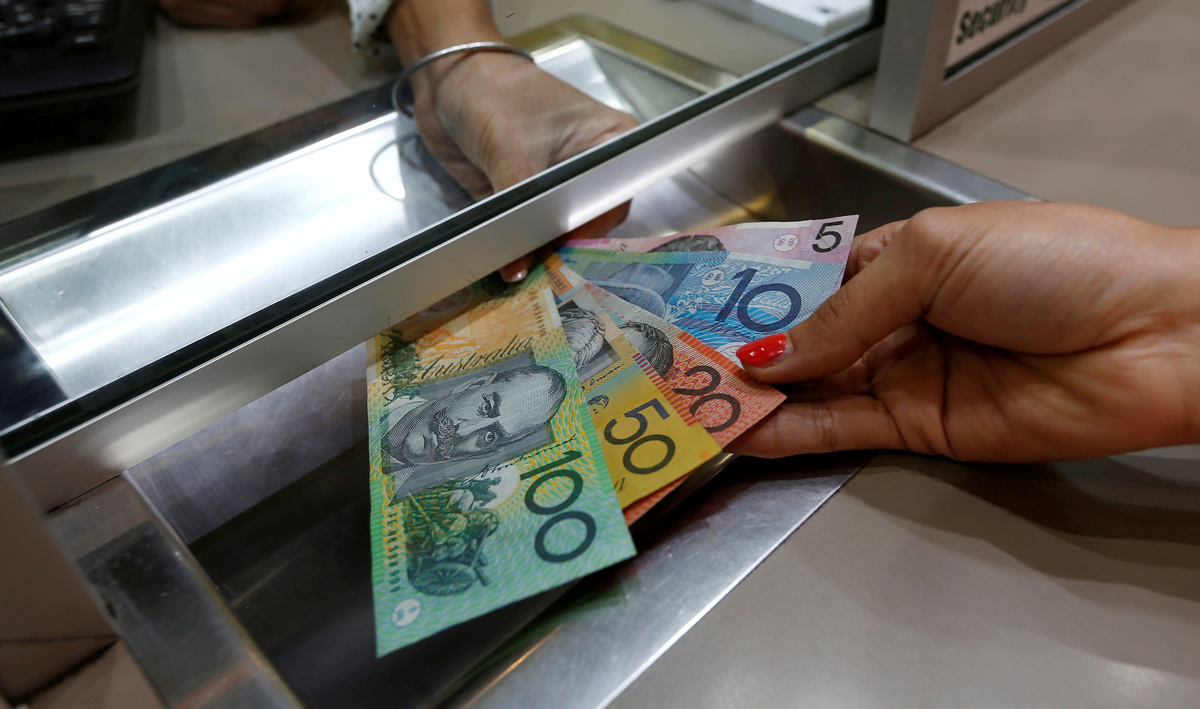
SYDNEY (Reuters) - The Australia and New Zealand dollars held near multi-month peaks on Monday as the greenback stumbled on concerns about slowing global growth at the Federal Reserve, but flaring Sino-U.S. trade tensions kept both currencies off their highs.
The Australian dollar <AUD=D4>, which is often played as a liquid proxy for global trade prospects, slipped 0.2 percent to $0.7319, breaking its four-day winning streak.
An agreement in the Sino-U.S. trade war seemed distant after U.S. Vice President Mike Pence said in a blunt speech that there would be no end to U.S. tariffs on $250 billion of Chinese goods until China changed its ways.
"Comments from the U.S. over the weekend have increased uncertainty in global markets with regard to the ongoing trade situation between China and the US," said Nick Twidale, Sydney-based analyst at Rakuten Securities.
"Markets are now poised for more moves to the downside."
Pence's remarks spoiled the party for Aussie bulls who had pushed the currency above key chart resistance of 73 U.S. cents on Friday. It climbed as high as $0.7338, a level not seen since late August.
The gains came as Federal Reserve policymakers sounded cautious about a potential global slowdown, leading markets to suspect the U.S. tightening cycle may not have much further to run.
The Aussie jumped 1.5 percent last week for its third straight weekly rise. If gains are sustained through November, it will be the strongest monthly showing since mid-2017.
"It appears that a shift in tone may be emerging from the Fed," ANZ said in a morning note.
"It still looks like a December move will happen, but there is a lot of uncertainty about the path of rate hikes through 2019."
Traders now see a near 70 percent chance of a Fed hike in December from about 77 percent last week. <FEDWATCH>
"It is possible that the Fed is preparing the market for a more modest hiking profile," ANZ added.
Closer to home, the Reserve Bank of Australia (RBA) will release minutes of its November meeting on Tuesday followed by Governor Philip Lowe's speech on "Trust and Prosperity".
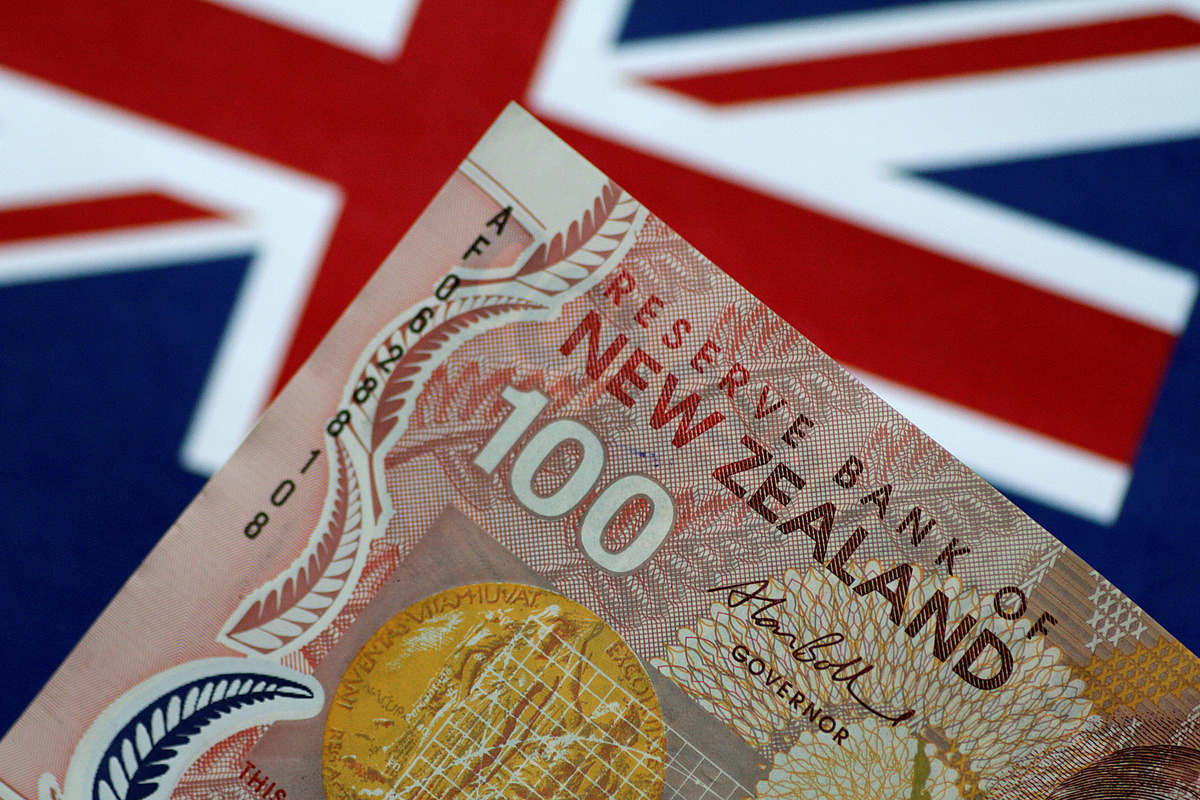
The New Zealand dollar <NZD=D4> eased to $0.6859 on Monday from Friday's top of $0.6883, the highest since end-June.
The kiwi added more than 2 percent last week, its best weekly showing since mid-September.
New Zealand government bonds <0#NZTSY=> gained, sending yields about 2 basis lower across the curve.
Australian government bond futures rose, with the three-year bond contract <YTTc1> up 1.5 ticks at 97.860. The 10-year contract <YTCc1> added 2 ticks to 97.335.
(Editing by Sam Holmes)