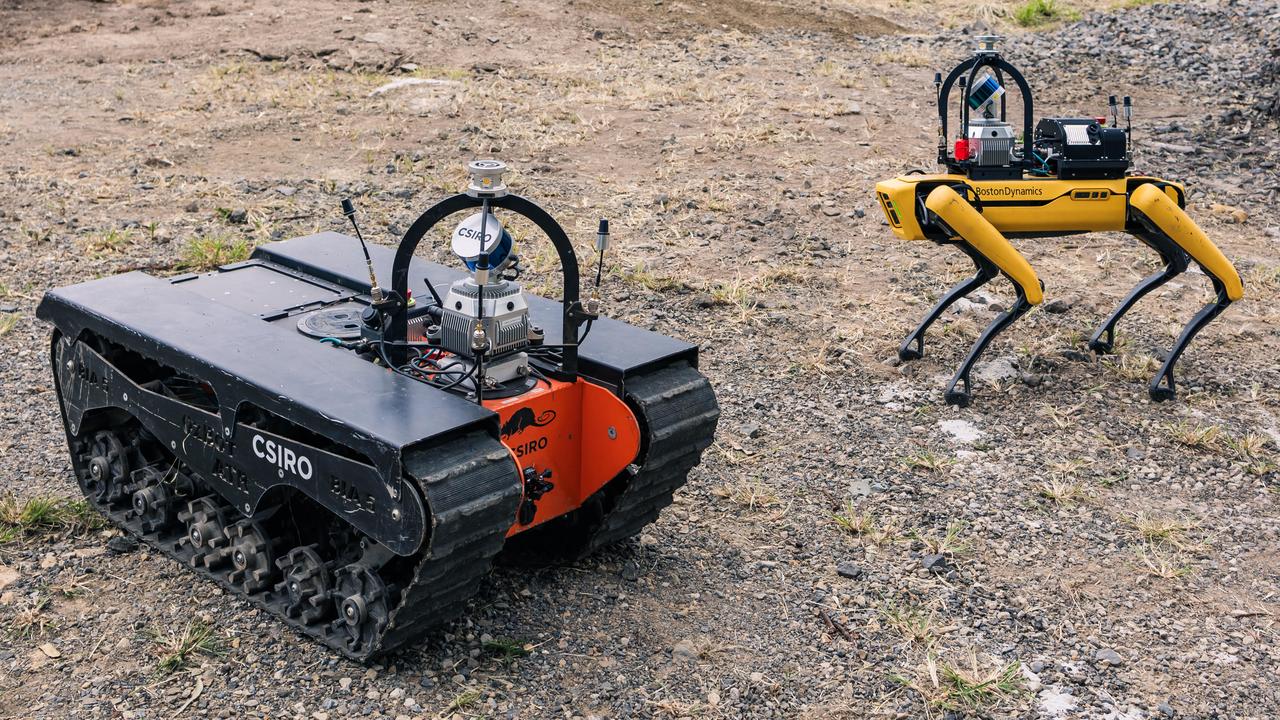
A team of robots will soon be able to make better decisions and make them faster using on-site artificial intelligence developed for Australia's largest robotics research lab.
National science agency CSIRO unveiled a small, energy-efficient data centre on Monday at the Queensland Centre for Advanced Technologies in Pullenvale, in Brisbane's west.
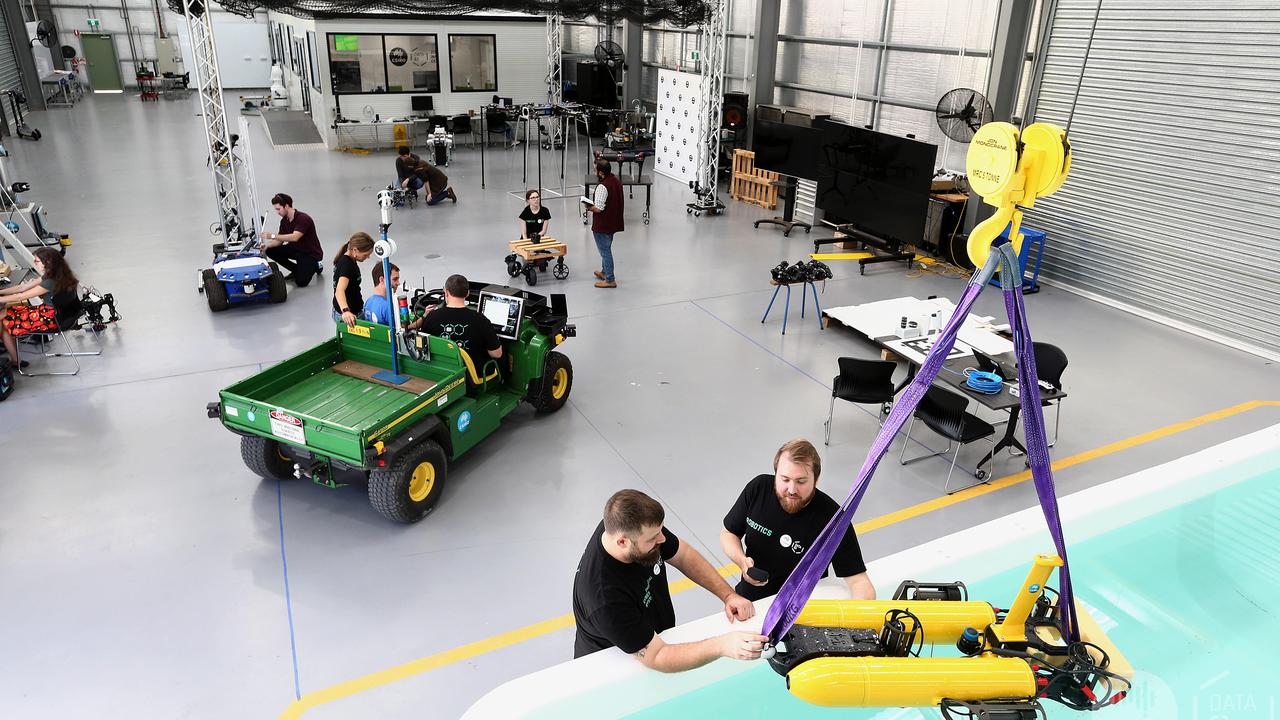
The technology will assist robots built for autonomous use, mine sites, underwater operations, and even solar panel cleaning tasks to make judgment calls within fractions of a second, and make them on Australian servers.
The announcement follows multibillion-dollar investments in Australian AI data centres from US firms including Amazon and Microsoft, and comes days after the Senate launched an inquiry into the impact of the facilities.
The CSIRO's AI hub, dubbed Vetra, will sit inside a large, colourful cabinet at the Brisbane facility and provide nearby, super fast computer processing to robots and sensing systems.
Most robots tested at the lab tapped into cloud-based AI, CSIRO's Data61 director Dr Liming Zhu said, which slowed the machines down and delayed crucial decisions.
"The problem is … milliseconds matter," he told AAP.
"If you want a robot to take real-world action … especially if they're operating on something, or if they detect a human and you want to avoid that human, you need to make a decision in milliseconds."
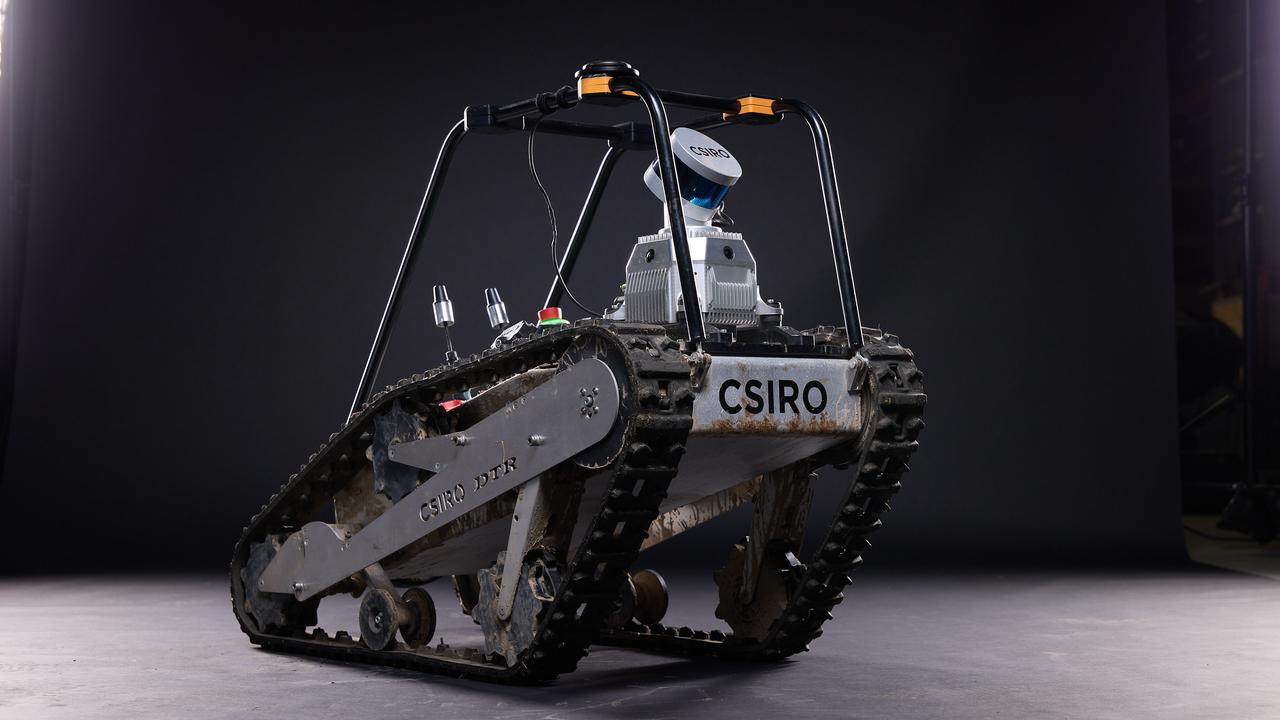
Allowing the robots to access a powerful nearby computer, Dr Zhu said, could cut their decision time from hundreds to tens of milliseconds, making the machines more useful.
Robots tested at the facility range from four-legged machines that resemble dogs to vehicles that look like miniature tanks, and devices designed for use underground, underwater and up in the air.
CSIRO scientists developed the Vetra AI hub with environmental sustainability in mind, Dr Zhu said, choosing a liquid-cooled system with a closed loop and without fans.
"We hear about AI infrastructure consuming a lot of energy but this one was designed with a very advanced liquid cooling system, a CO2-based refrigeration system that reduces water usage and emissions compared to traditional approaches," he said.
"The technology we built, we feel there is potential for it to be replicated in other parts of the country, and also exporting it."
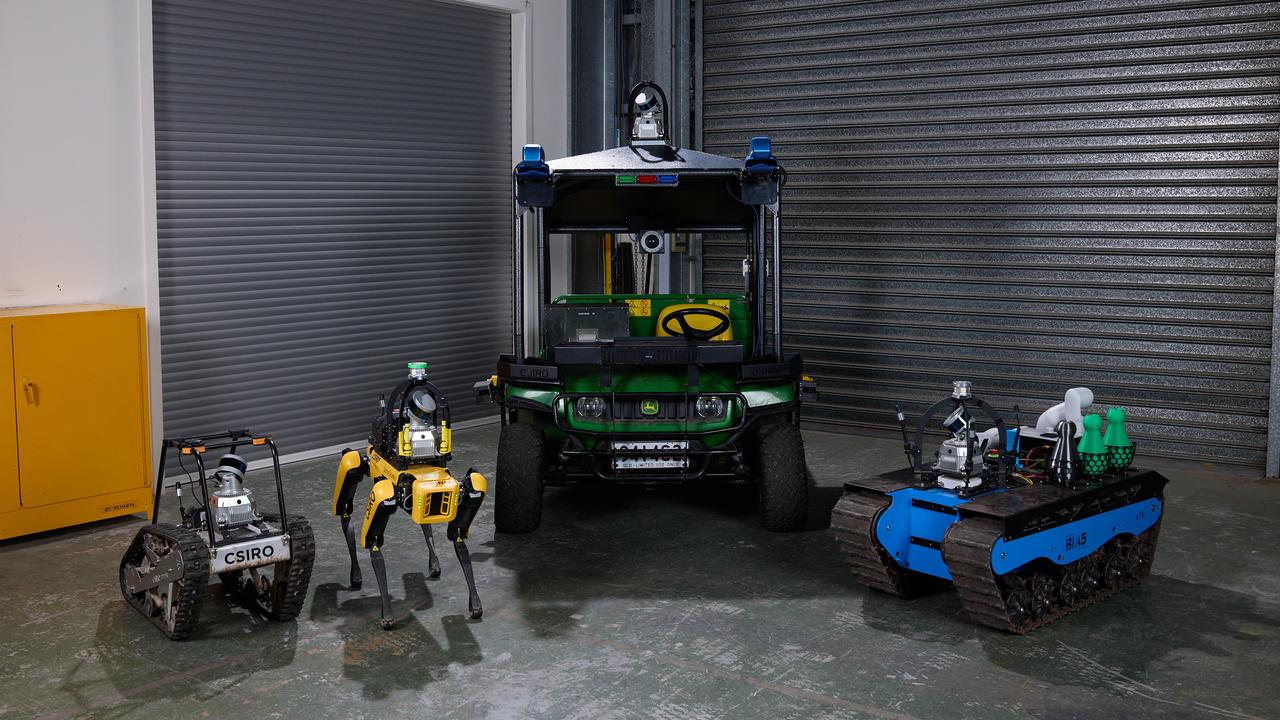
Six of its first 10 computing nodes had been installed in the AI hub, he said, and would be expanded over time.
Local businesses Oper8 Global and Xenon helped the agency create the data centre, and Xenon Systems chief executive Dragan Dimitrovici said it proved Australia could become a global AI provider.
"Being part of this project demonstrates how Australian AI infrastructure expertise and engineering capability can deliver trusted, mission-critical sovereign AI infrastructure for research and industry," he said.