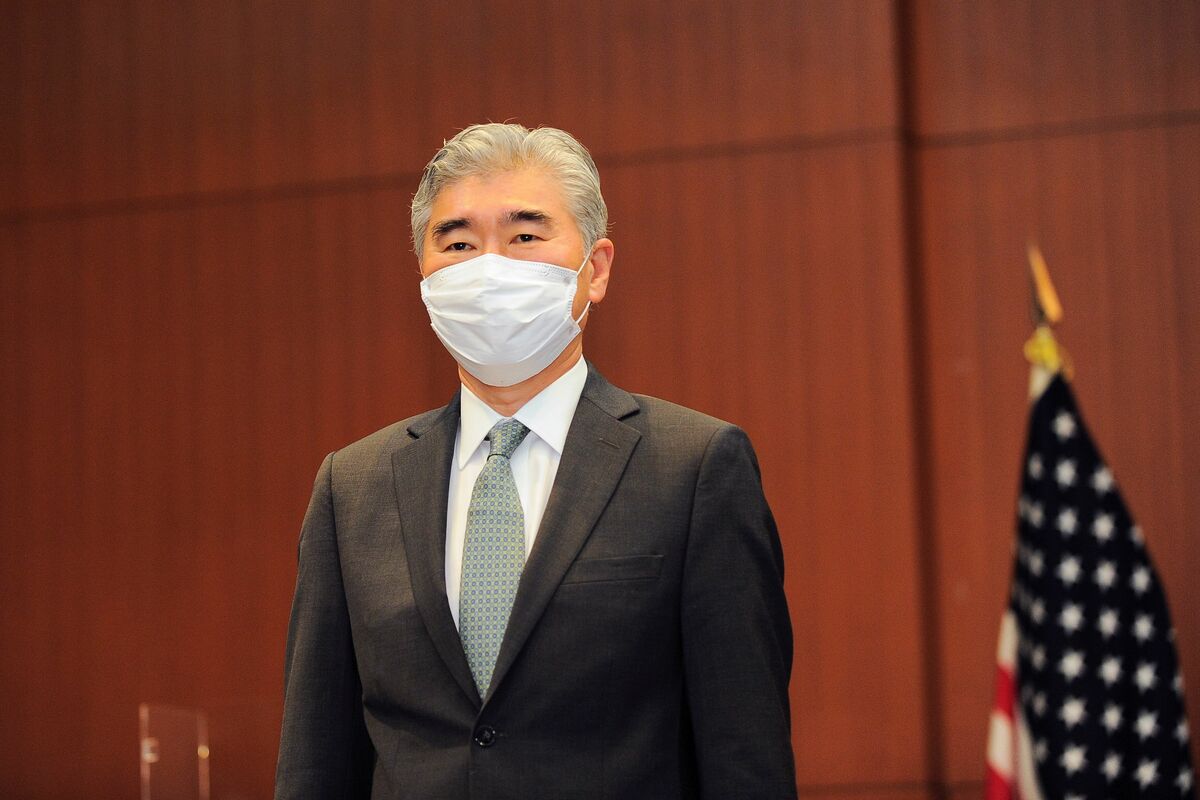
A defence pact between Australia, the United States and Britain is no threat to Indo-Pacific stability and is not aimed at any one country, a U.S. envoy said on Wednesday, amid concern in a region where China's influence is on the rise.
Indonesia is worried that the pact, known as AUKUS, under which Australia will obtain nuclear submarine technology from the United States, would worsen an "arms race and power projection" in the region.
Malaysia's concerns are similar, while neighbour the Philippines, a U.S. treaty ally, is behind it
"This will reinforce our ongoing cooperation with key countries like Indonesia to make sure that we have a free and open Indo-Pacific that respects the rule of law," U.S. ambassador to Indonesia, Sung Kim, told a virtual forum.
Kim said he is not worried about an arms race or nuclear proliferation, calling it a "forward looking, positive" initiative that would work in Indonesia's favour.
AUKUS is largely seen as a response by Western allies to avert a Chinese hegemony in Southeast Asia and beyond, particularly the South China Sea, a conduit for a third of ship-borne trade, in which Beijing claims historical sovereignty.
Indonesia earlier this month increased patrols in response to American and Chinese vessels.
"We are not asking any countries, including Indonesia, to make choices between U.S. and any other country," Kim said of AUKUS, adding the three allies have strong respect for the centrality of the Association of Southeast Asian Nations (ASEAN) bloc.
Kim also praised Indonesia's climate change efforts, particularly reducing greenhouse gas emission and deforestation.
Asked about its restive easternmost region of Papua, Kim said Washington did not support separatism anywhere, but did have concerns over fundamental freedoms in the militarised region and urged talks between the government and local communities.
(Reporting by Stanley Widianto; Editing by Martin Petty)






.png?w=600)