
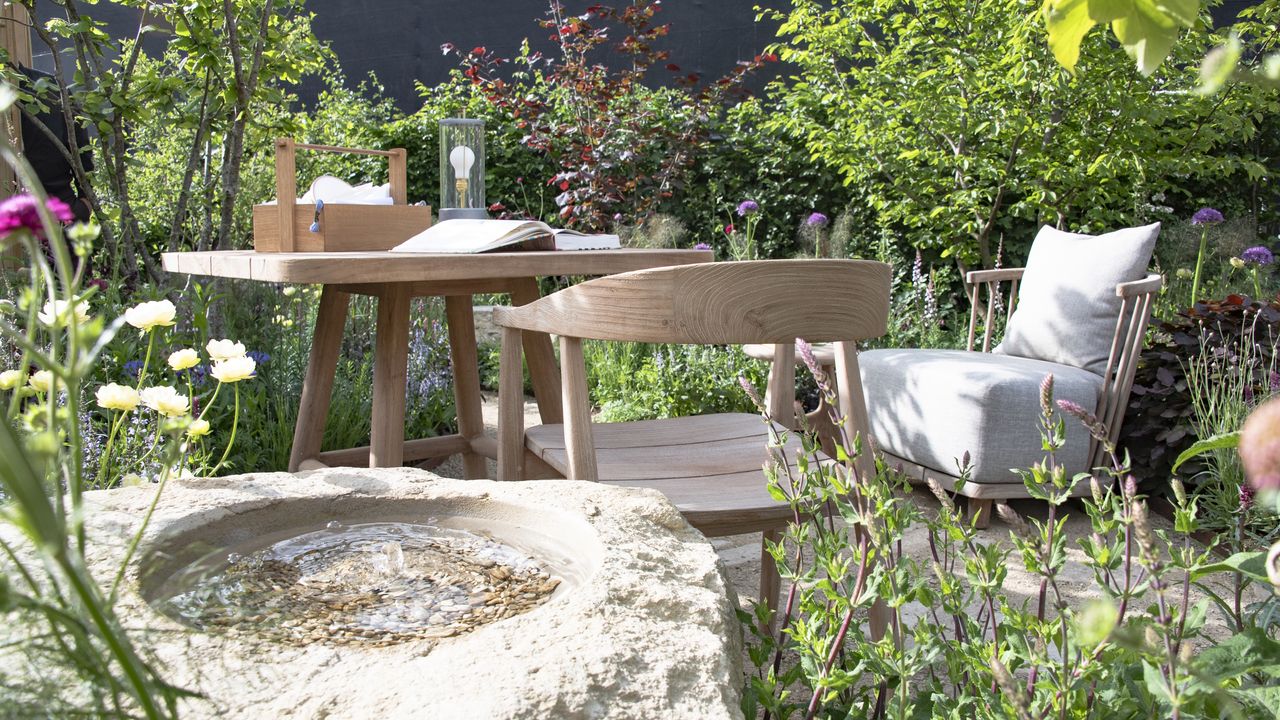
August is a perfect time to take semi-ripe cuttings from popular shrubs, climbers, herbs, trees, and hedging plants. Despite being the often-overlooked middle child between softwood and hardwood cuttings, semi-ripe cuttings are simple to take, and there are many great plants to propagate in August using this technique.
From late summer to early fall, current-season stems around a garden are in prime condition for these semi-ripe, or semi-hardwood cuttings. The cutting material for this type of propagation needs to be firm at the base but still soft at the top. Stems that have grown this year on your hydrangea, jasmine, camellia, holly, lavender, and more will be at that ideal stage.
Now is the time to take plant cuttings if you want to get lots of new plants for free. Here we look at some great plants to propagate in August along with a few propagation tips. Before you start snipping this month, get a bag of cuttings compost to put your cuttings into, like this bag of propagation potting mix at Amazon. A suitable potting mix for cuttings is vital. It ensures your cuttings remain consistently moist but drains well, so they don’t rot.
Hydrangea
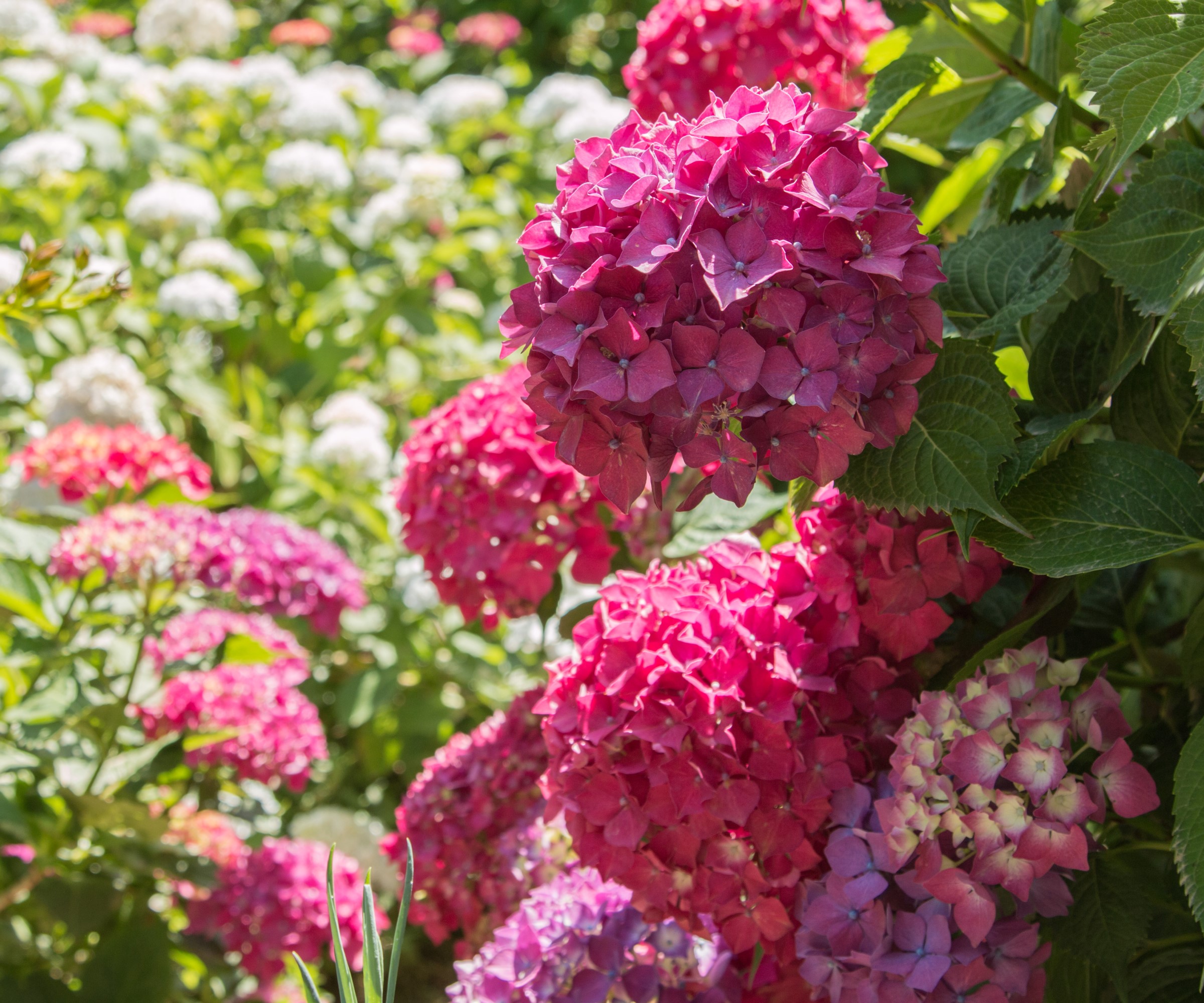
You can propagate many hydrangea varieties from semi-ripe cuttings in August, including perennial favorites such as mophead, lacecap, and panicle hydrangeas. If you grow hydrangeas and have a particular loved one, taking cuttings is a cost-efficient, rewarding way to get more of them.
To propagate hydrangeas this month, select a healthy, non-flowering stem and trim it into 6-8 inch sections. Cut it below a leaf node, and remove all the lower leaves. Just leave the top set of leaves, as you don’t want any foliage below the soil when the cutting is potted up.
Dip the base of the cutting into rooting hormone. This is optional, but it can improve the speed at which they start developing roots. You can get rooting hormone at Walmart to boost your propagation this month.
Put the cutting into a tall pot. It needs to be tall enough so you can get two-thirds of the cutting and two nodes under the soil. You can put multiple cuttings into a pot. Place the cutting into a greenhouse or propagator to develop roots.
Give the cutting a gentle tug; if you feel resistance, it shows it has rooted. At this point, pot the cuttings up and overwinter them in a cold greenhouse or cold frame to plant outside in spring.
Fuchsia
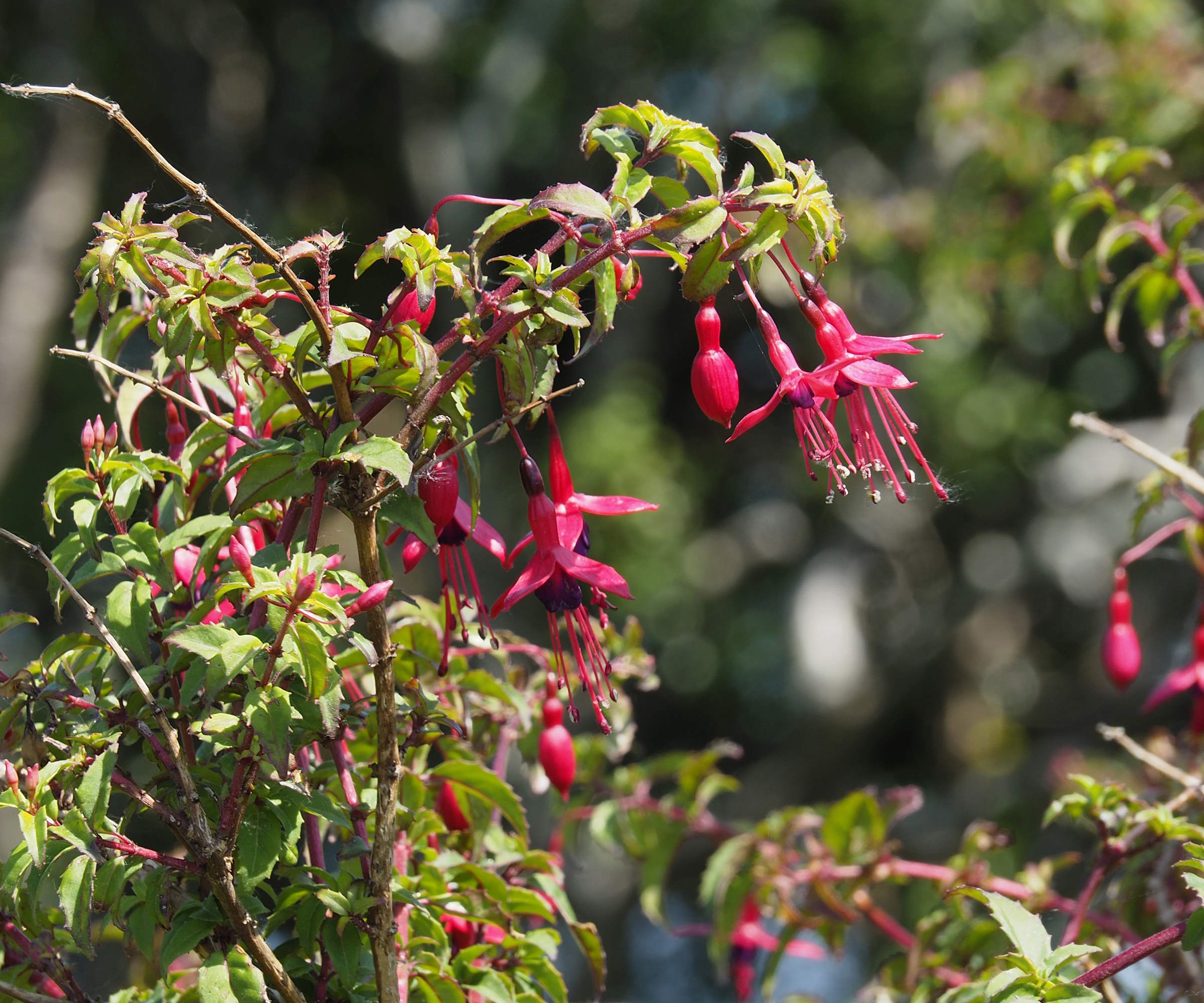
Fuchsias are hugely adored colorful plants that always bring color and drama wherever they grow, whether in beds, containers, or hanging baskets. Late summer offers a great window to take fuchsia cuttings.
As not all types of fuchsias are hardy, taking cuttings is a good way to propagate new plants and have a contingency in place to cover any potential losses over winter. If all your plants survive, the bonus of taking cuttings is an even better fuchsia display next summer.
Select healthy, non-flowering stems and carefully take six-inch cuttings with a pair of clear, sharp pruning tools, such as these straight-bladed Felco pruning snips from Amazon. Place the cuttings straight into a clear plastic bag to keep them hydrated.
To prepare the stems, remove all but the top two sets of leaves and dip each into rooting hormone. Place several cuttings around the edge of a small pot filled with cutting compost, water well, and cover it with a clear plastic bag to aid humidity.
Place the container in a greenhouse, propagator, or on a bright windowsill. Once you see new growth – such as roots appearing out of the holes at the bottom of the pot – repot each cutting into individual pots.
Star Jasmine
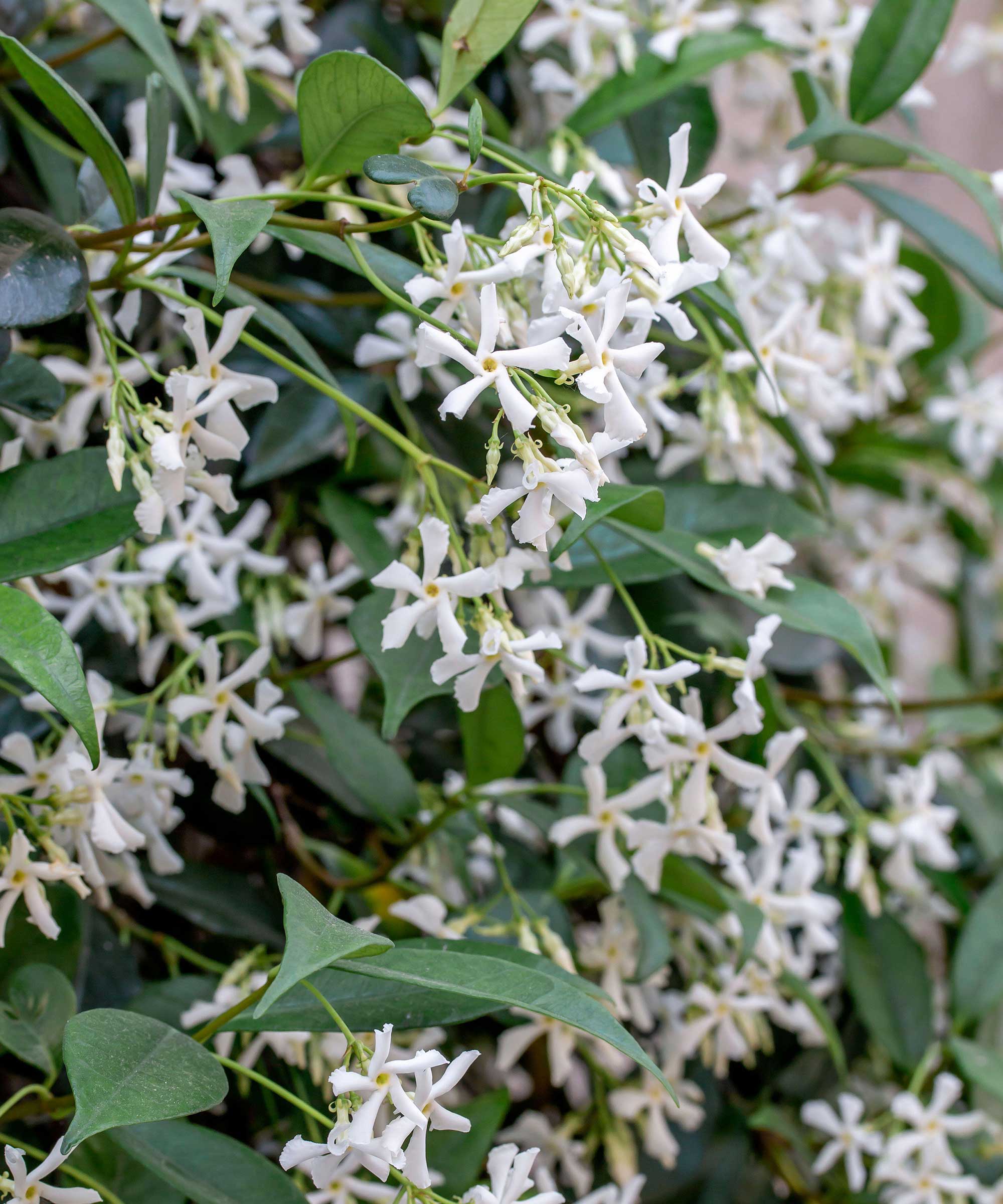
Star Jasmine is a stunning flowering climber that ticks all the right boxes. It has glossy evergreen leaves, delicate white star-shaped flowers, and a glorious fragrance. If you are seeking an attractive evergreen climber to cover a wall or fence, star jasmine is an ideal candidate.
A star jasmine should have lots of current-season stems, woody at the base and flexible at the end, to choose from as cutting material. To propagate star jasmine, cut sections around 10-12 inches long to prepare as 4-5 inch cuttings.
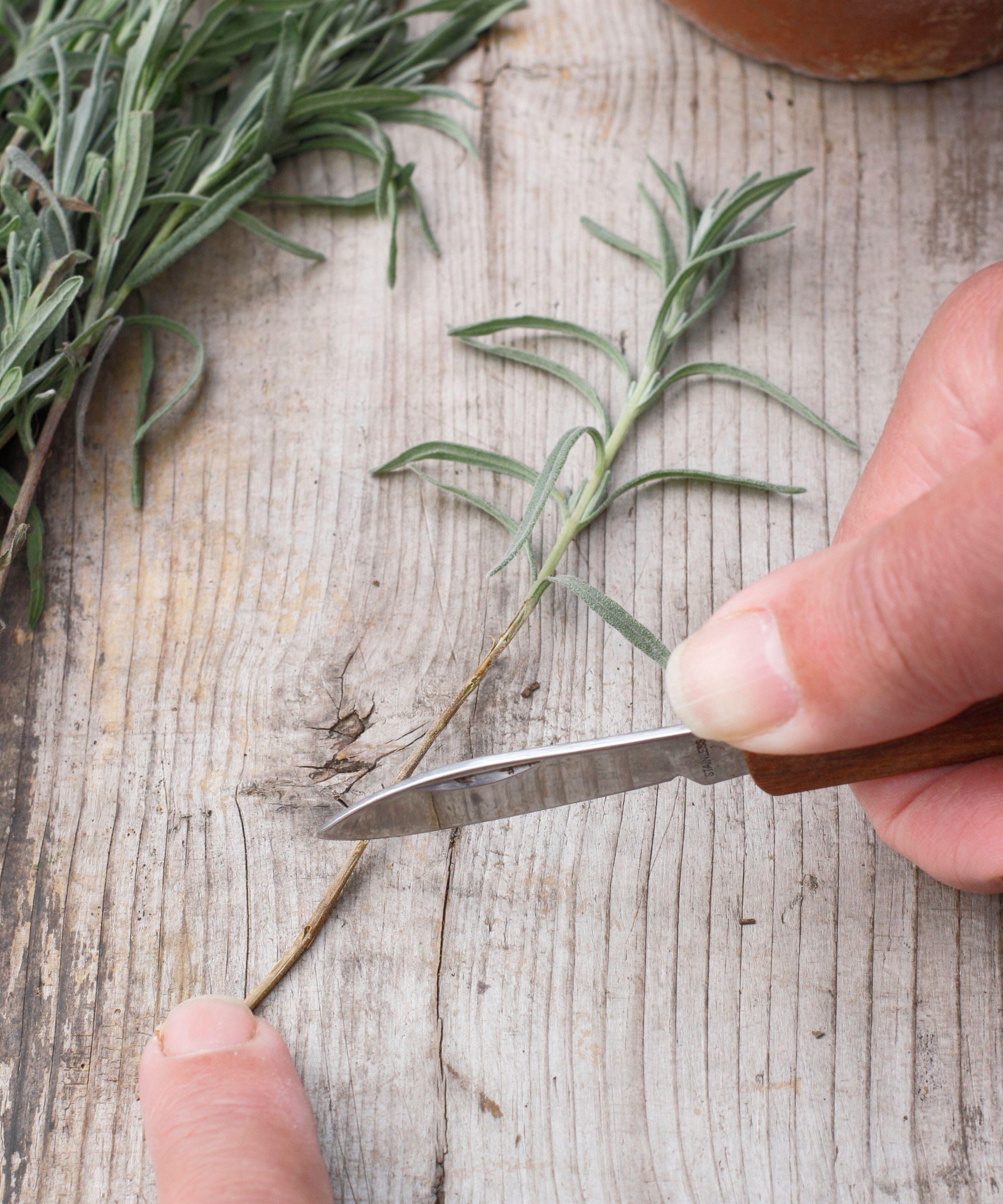
Remove the lower leaves and score off a section of bark at the base of the stem with a sharp knife, such as this folding garden knife at Walmart. This exposes the cambium layer and can help speed up rooting. If you don’t want to scrape the stem, stick to dipping the end of the cutting in rooting hormone.
Insert the cuttings into pots filled with a well-draining potting mix and keep them moist, but not waterlogged. The cuttings should be ready to put up in 6-8 weeks. They can overwinter in a protected place and be planted out after the frosts in spring.
Holly
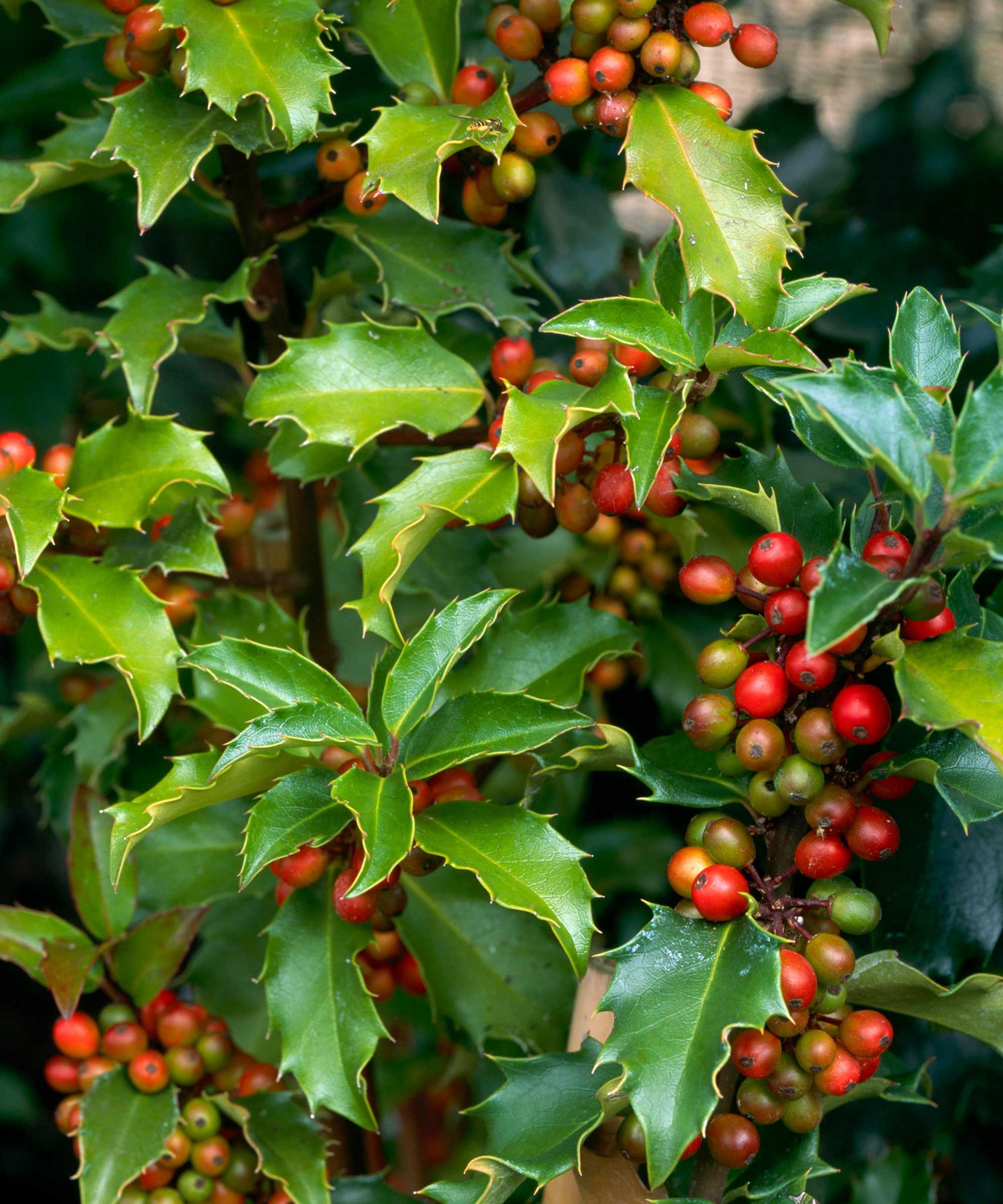
Holly is always synonymous with Christmas, but don’t underestimate its usefulness over the rest of the year. The evergreen shrub is highly versatile. It can be clipped into neat shapes, used as a screening plant for privacy, or used to provide structure as a hedge.
There are also many different varieties, offering different leaf shapes and colors or alternative berries to the classic red ones that first spring to mind at the mention of holly. A good example is this ‘Soft Touch’ Japanese Holly at Nature Hills, which has soft foliage with silver veins and black berries come fall and winter.
If you grow holly, or a family member, friend, or neighbor has an attractive specimen you take a fancy to, you can take semi-ripe cuttings in August. As you sometimes do need to prune holly bushes lightly in summer to neaten them, why not take some cuttings at the same time?
Make cuttings 4-6 inches long, pruning just below a node. Remove the bottom leaves, dip the base in rooting hormone, and place the cutting into a container. Place it somewhere warm with lots of indirect sunlight to develop roots.
Camellia

The classic camellia varieties, like Camellia japonica, put on a show in winter and early spring. It is an eye-catching performance of large, bright blooms while the rest of the garden snoozes. To increase your collection of spring-flowering shrubs, taking semi-ripe cuttings in August is a reliable way to propagate camellias.
Scour your camellia for straight, healthy stems that are brown and woody at the base (which helps prevent rotting) yet green and flexible at the top. Take cuttings 4-6 inches long and remove all the leaves apart from the top set.
Camellias are another shrub where it helps to strip an inch of the other bark from the base of the cutting. This may sound cruel, but the roots will shoot from this small wound. Place the cuttings into pots filled with cutting compost, or normal potting mix with vermiculite (get horticultural-grade vermiculite at True Leaf Market) added for drainage.
Water, then cover the container with a clear plastic bag. Place the cutting in an unheated greenhouse or cold frame and be patient, as it can take a few months for camellias to root.
Lavender
There is no denying the truth that gardeners love growing lavender. It is beautiful, versatile, useful, and a beacon for pollinators. The fragrant foliage and flowers are a welcome sight and smell. If you want more lavender for your garden, you can buy new plants, plant lavender seeds, or take cuttings.
The advantage of propagating lavender from cuttings is that you get exact clones of the plants, and it takes a fraction of the time compared to harvesting lavender seeds, sowing them, and nurturing them. Plus, it is cheaper than purchasing new plants.
Take 4-6 inch cuttings of healthy, non-flowering stems that are turning woody at the base but remain soft and flexible at the tip. Strip the lower leaves from the cutting, leaving only a few sets at the very top.
Dip the cut end of the cutting in rooting hormone before placing it in small pots filled with cutting compost. To get many new cuttings, place up to six cuttings around the edges of the pot. Cover the container with a clear plastic bag or propagator lid.
You should expect roots to form in around six weeks. Pot up the cuttings into individual pots and overwinter them in an unheated greenhouse or cold frame. You can get a portable wooden cold frame at Wayfair to protect plants over the colder months.
Magnolia
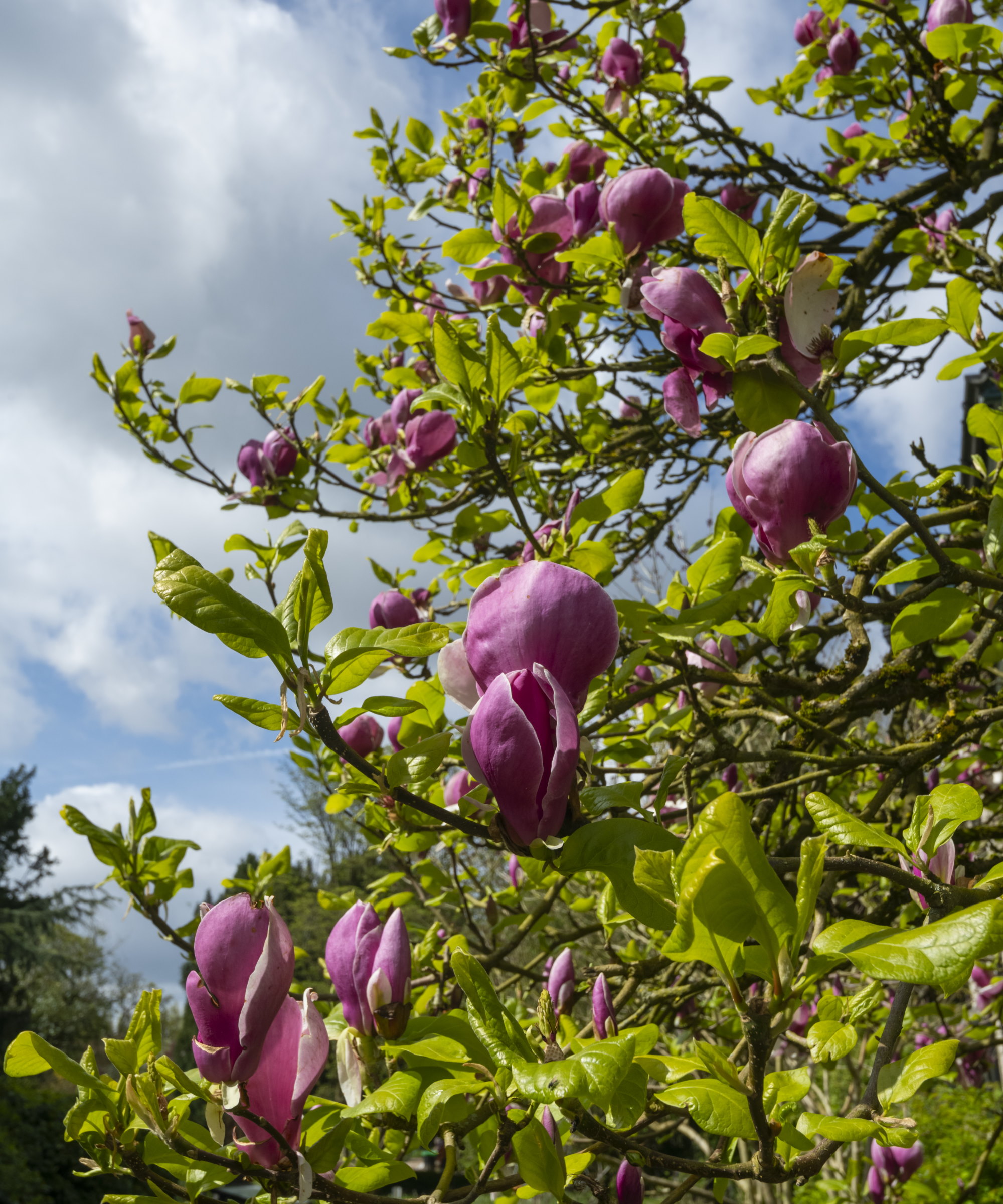
Let’s end this look at plants to propagate in August with a more challenging option. If you grow a magnolia tree, you can propagate it by semi-ripe cuttings. There are no guarantees, as it is tricky, but it is doable. An ideal candidate for this is Magnolia grandiflora, or the southern magnolia, which is a native tree to the Southeastern United States.
It is best to collect material earlier in the day, when they are most hydrated. Also, place your chosen healthy, non-flowering stems in a bucket of water as you collect them. Snip your stems into 6-8 inch sections and remove all the foliage except the top two leaves. If the remaining leaves are large, it is recommended to reduce them in size.
Thinly slice an inch of bark from the base of the stem, then plant the cutting two-thirds deep into pots filled with a well-draining potting mix.
Evergreen magnolia cuttings need a warm, humid environment to root. This can be achieved by keeping them in a greenhouse (out of direct sunlight) or placing a clear plastic bag or a propagator lid over the pot.
You can get extra-tall humidity domes at Amazon to provide space for cuttings and seedlings.
Magnolia trees are slow to root, so be patient. Keep an eye on the soil to ensure it remains moist and doesn’t dry out. It can take up to six months to see the signs of growth.
What to Shop
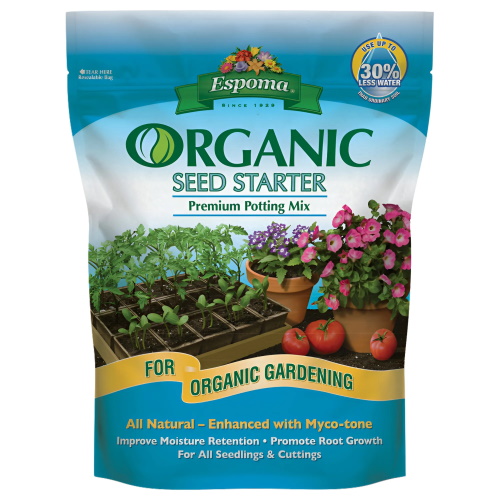
This organic potting mix is suitable for any seedlings and cuttings. It is sustainably made and contains sphagnum peat moss, perlite, limestone, and yucca extract.
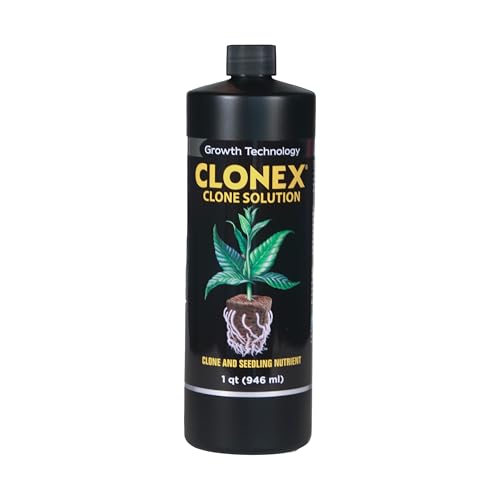
This product is formulated to encourage strong root development in cuttings and seedlings. It also contains Vitamin B1 to help avoid transplant shock.
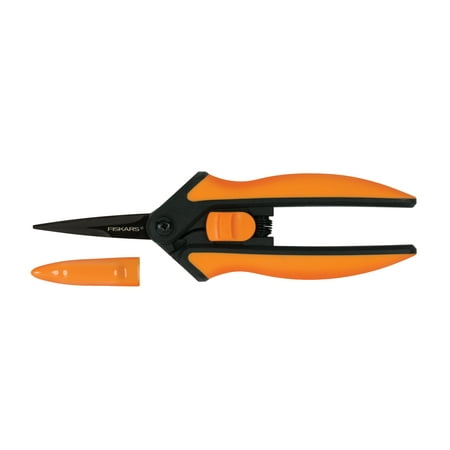
The pruning snips have long, straight blades for precise pruning tasks, including taking cuttings. The stainless steel blades stay sharp for a long time.
There are also many opportunities to increase your plant collection this month by dividing perennials. If your perennials are looking tired, with bare centers or fewer flowers, knowing how to divide plants means you can rejuvenate them and get new clumps for free.
See our focused guide on plants to divide in August to find eight great candidates for division this month.
If you love inspiring garden ideas, outdoor advice, and the latest news, why not sign up for our newsletter and get the latest features delivered straight to your inbox?