Exhibition of the Week
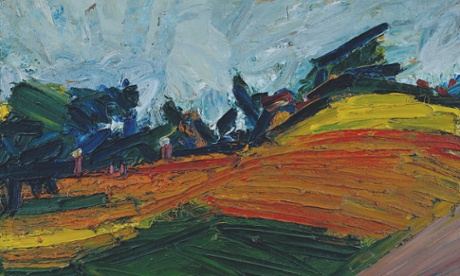
Frank Auerbach
One of Britain’s great painters gets a long overdue retrospective that is bound to astonish, impress and move.
- At Tate Britain, London SW1P, from 9 October until 13 March
Other exhibitions this week
Cy Twombly
Bacchic ecstasy and bloody fury haunt late works by the man who mixed abstraction and history, American modernism and European tradition.
- Gagosian, 20 Grosvenor Hill, London W1K, from 10 October until 12 December
Jon Rafman
Video and sculpture by the Canadian artist exploring technology and desire.
• Zabludowicz Collection, London NW5, from 8 October until 20 December
The Fabric of India
The brilliance of Indian textiles from the 3rd century AD until today.
• V&A, London SW7 until, 10 January
Tim Braden
Galleries are moving ever more from east London to west. This one opens with a show by British painter Braden, centred on the still life.
-
Bruce Haines, Mayfair, London W1S (formerly Ancient and Modern), from 9 October until 30 October
Masterpiece of the Week
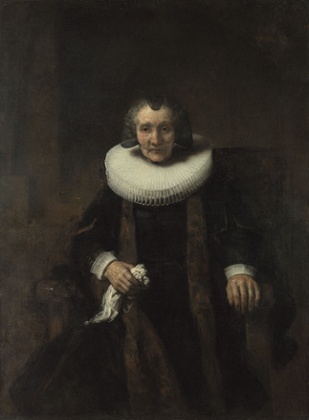
Portrait of Margaretha de Geer, wife of Jacob Trip, about 1661, by Rembrandt
This is one of the most ghostly and imposing portraits in the world. Margaretha de Geer and her husband, one of Golden Age Amsterdam’s wealthiest couples, hang side by side on the wall at the National Gallery, figures of terrifying moral grandeur. Rembrandt at once takes portraiture to its most sophisticated heights and invokes its primitive origin as a form of ancestor worship.
-
National Gallery, London WC2N
Image of the week
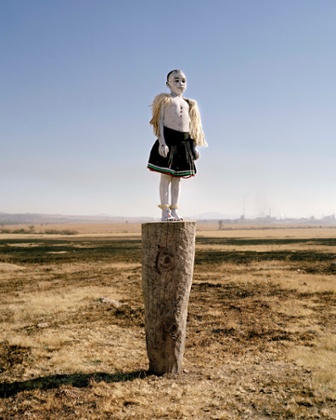
Patience, photographed by Namsa Leuba for her series Zulu Kids at the Lagos Photography Festival, 24 October-27 November.
What we learned this week
London’s controversial garden bridge project is under pressure
Sitting for Frank Auerbach is like “going to the dentist”
Charlie Higson squatted with Harry Enfield
Saudi artist Abdulnasser Gharem is on a mission to stop the jihad
Kids are geniuses at styling their own hair
Life is tough for those on the margins of outer Bratislava
You can try freediving without taking your clothes off
The National Gallery will stay free (we hope)
Photography has an unsettling history of documenting acts of violence