Atlas tracks changes of Britain and Ireland’s birds - in pictures
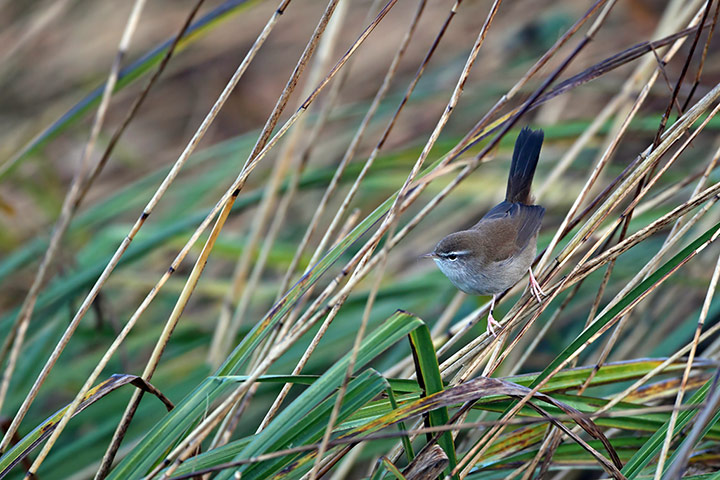
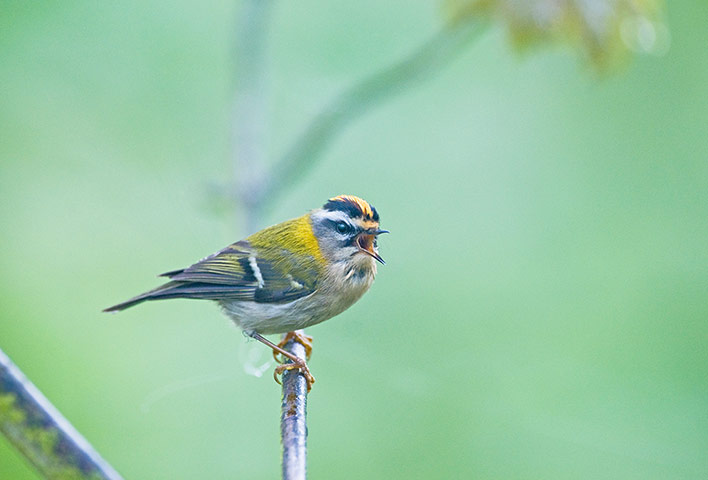
Cetti’s warbler is a marshland bird that colonised Britain in the 1970s. Its range has increased by 6783% in the breeding season - the biggest change recorded by any of the species surveyed by the BTO in the last 40 years. Spreading into Wales and as far as the Humber, it is believed to have benefited from habitat creation and generally milder wintersPhotograph: Robin Chittenden/AlamyThe numbers of red kite have increased by 1971%, fuelled by reintroduction projects in last 20 years. Results show that over the last 40 years, the British breeding areas for 74 bird species (37%) have expanded beyond their previously known range, while the range has shrunk for 72 species (37%) and remained the same for 47 species (24%)Photograph: Drew Buckley/Rex FeaturesThe firecrest, one of the UK’s smallest birds, has increased its range by 935% in last 40 years, benefiting from milder winters and suitable habitat created in managed forest Photograph: David Tipling /Alamy
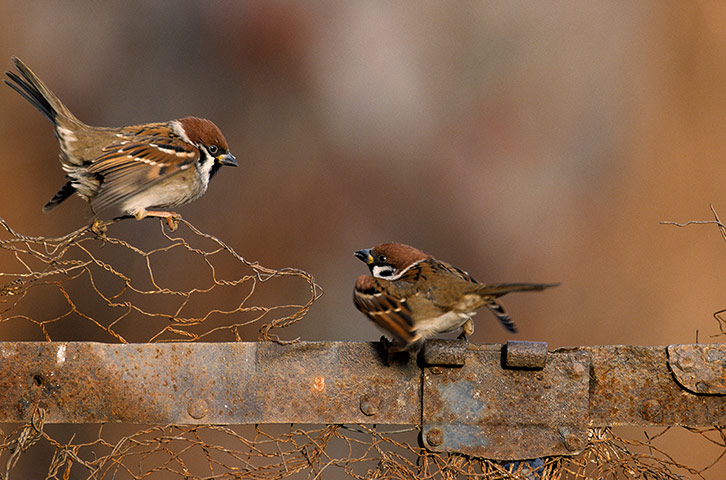
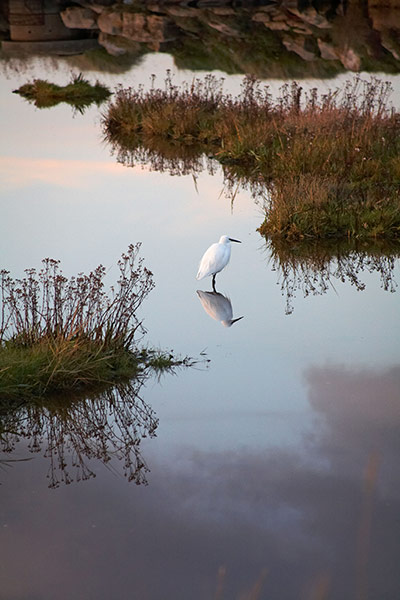
The whooper swan, generally a winter visitor, has now started breeding in the Shetland Islands, Outer Hebrides and Northern Ireland where it is now staying all year round. It is believed it first bred in Norfolk where one injured bird remained behind and bred with its mate. More than three-quarters of species that spend the winter months in Britain and Ireland were found in more areas than three decades ago Photograph: Kirk Norbury/AlamyThe range of the Egyptian goose has expanded by 1172% and is now found in every 10km sq in Britain and Ireland. A non-native species originally from Africa, its stronghold in north Norfolk has expanded to East Anglia and it is a common sight in ornamental parks and gardens in the south-east of England. This is a species that will continue to spread, according to the BTO Photograph: Gary K Smith/AlamyThe tree sparrow is a species that has declined enormously in south-east Britain. But the 2007-11 Bird Atlas showed substantial increases in the eastern half of Ireland and north-east Scotland. ‘The atlas shows patterns we didn’t realise that were there,’ said BTO atlas coordinator Dawn Balmer Photograph: Wim Weenink/CorbisThe short-eared owl is a widespread winter visitor to Britain whose breeding population has declined by 48% over last 40 years – mainly in Wales. It lives on moorland, rough grass bogs and young forestry plantations but it is the upland breeding population that is declining more severelyPhotograph: AlamyForty years ago the little egret was mostly found in Mediterranean, but in 1996 this small white heron bred in the UK for the first time. Since then it has increased its range in Britain by a huge 16,350%, becoming a familiar bird associated with British wetlandsPhotograph: Carolyn Jenkins/AlamyThe atlas shows that the green woodpecker has become more common in eastern England and has spread northwards into parts of eastern Scotland. Meanwhile, it has begun to disappear from western Wales, where lapwings, kestrels and starlings are also being lostPhotograph: Wim Klomp/CorbisThe yellowhammer’s ‘little bit of bread and no cheese’ call is a sound that is disappearing from our countryside, according to the atlas. Forty years ago the species could be heard singing in almost every village of Britain and Ireland but the species is now missing from large swaths of Ireland, western Scotland, southern Wales and northern England, representing a 32% contraction for this formerly widespread breeding birdPhotograph: Andrew Parkinson/Corbis
Sign up to read this article
Read news from 100’s of titles, curated specifically for you.