“I know I don’t have Covid. It’s just a cold. I need some antibiotics.”
And with this line, likely being uttered countless times across GP practices in Australia, I know my day is already off to a bad start. It’s hard to maintain composure when your anxiety is heightened.
With the recent resurgence of community transmission of Covid-19 in Victoria and New South Wales, I feel like a patient being told that their cancer has returned. It is sobering. The diagnosis of Covid-19, the treatment of lockdown, a period of calm and remission and then a recurrence of disease. How will we deal with this again?
In May and June, when community transmission of Covid-19 was low, I felt a sense that life would return to some sort of normality. I stopped wearing my mask and saw more face-to-face patients. The opening of the gym, restaurants and shopping centres were a welcome distraction and a reprieve from the monotony of lockdown. I could see it in my patients. There were a lot of mental health presentations exacerbated by lockdown but I also saw that the mental health improved for many of them as a sense of normality returned.
In the past two weeks I have felt sad, jaded and stressed – it is hard to get ready for another round of uncertainty. A sense of fear is creeping in among colleagues, my patients and my community too. There is a resignation that it was all too good to be true. I’ve stopped going to the gym, told my parents that I will no longer be visiting, put my mask back on to consult and again have immense guilt when I tell patients with respiratory infections that I can’t see them face to face.
The daughter of one of my patients who has recently been placed in a nursing home remarked: “This lockdown of the nursing home will be the end of mum. She will wither away without us.”
We have been lucky in Australia that we have so far largely been unscathed but news from doctors out of Europe and the US serve as constant reminders to be vigilant of the devastation that can happen. The tension from Australian GPs on social media is palpable. The threat to my vulnerable patients – both physically and mentally – again looms large.
The mood has changed quickly.
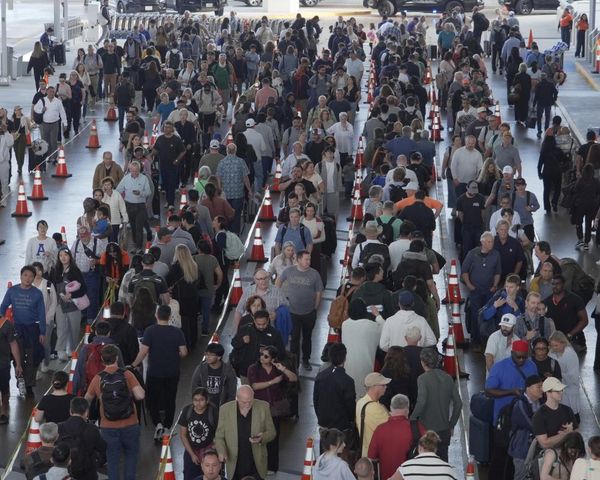
The majority of patients I’ve seen have been compliant and diligent in maintaining their civic duty, despite at times inconsistent messaging from authorities and isolating being a great inconvenience to their lives. Seeing people line up on the news for hours to get tested in hotspots, having patients call up requesting a test for their mild symptoms and hearing of patients who self-isolate appropriately have often brought a smile to my face and a sense of pride in the community. The Covid-19 clinic I work at in south-western Sydney has seen triple the amount of patients come through. The response has been herculean.
But it is the minority of people I see that refuse testing or not take self-isolation or social distancing seriously that make me wonder. The past two weeks have shown us that it only takes one person to start a cluster, and one cluster to start a second wave – a second wave that the Spanish flu and H1N1 pandemics have historically shown to be more damaging than the first.
Generations of GPs have had to convince patients that antibiotics will not cure their virus, and now at times I feel like I have to “sell” a Covid-19 test to patients. “It’s not Covid. I know my body” is almost as common as “I got tested three weeks ago and I was negative – why do I have to do another one? I can’t miss more work!”
There are those patients declining to get tested as soon as possible because they do not want to self-isolate due to prior commitments. I am met with a look of contempt when I remind them that the message from authorities leaves no doubt: isolate until you are symptom-free, regardless of a negative test. The symptoms may be mild for you but you might pass it on to somebody and kill them.
Doctors, nurses, allied health and other healthcare staff are putting their lives on the line daily, and with this resurgence in cases, we have been called to action again. The number of affected healthcare workers in Victoria has tallied over 400, and the anxiety stemming from doing the job we love is higher than it ever has been with this resurgence. Please practice social distancing, self-isolate when sick and let’s look after each other.
Don’t think that what is happening overseas can’t happen to us. It can. We are all humans and nobody is immune from this deadly disease. The only way past this is if we all stick together.
• Dr Richard Nguyen is a GP in southern Sydney and works part-time in a Covid-19 respiratory clinic in south-west Sydney