
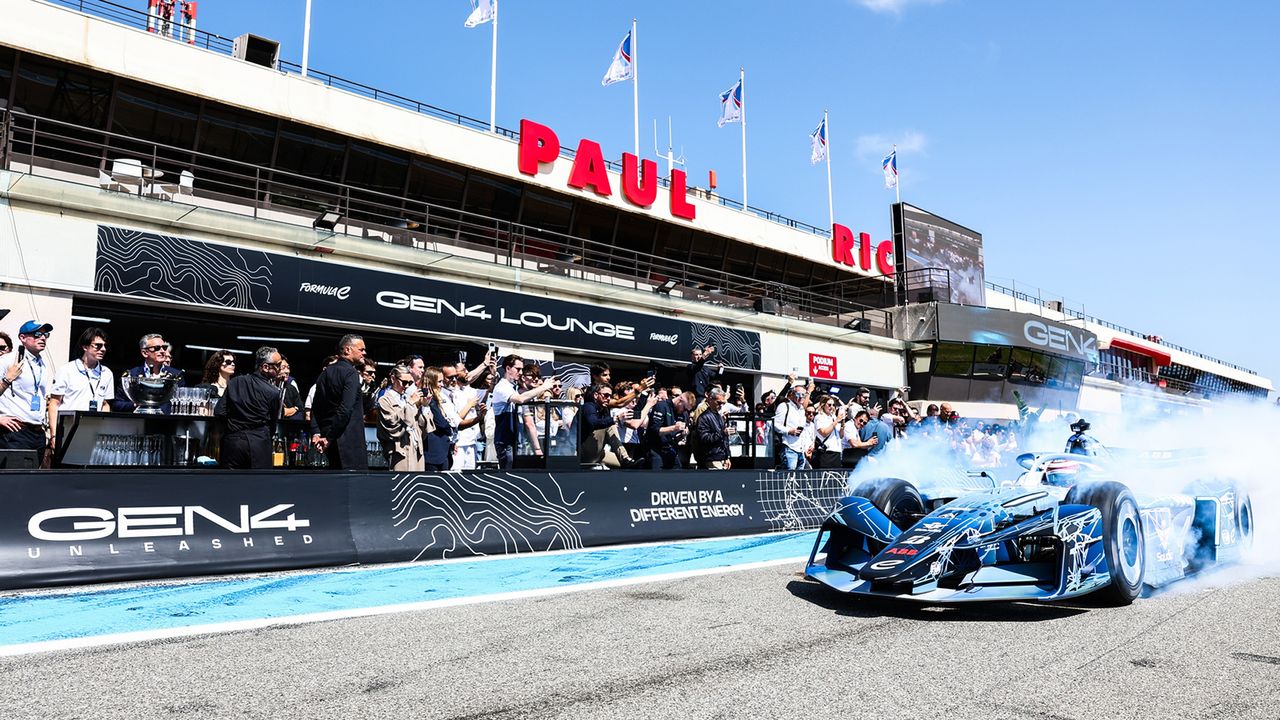
A Formula E car can cross the finish line with just 0.1% of its battery remaining, which might sound precarious, but it is usually the result of extraordinarily precise planning rather than luck.
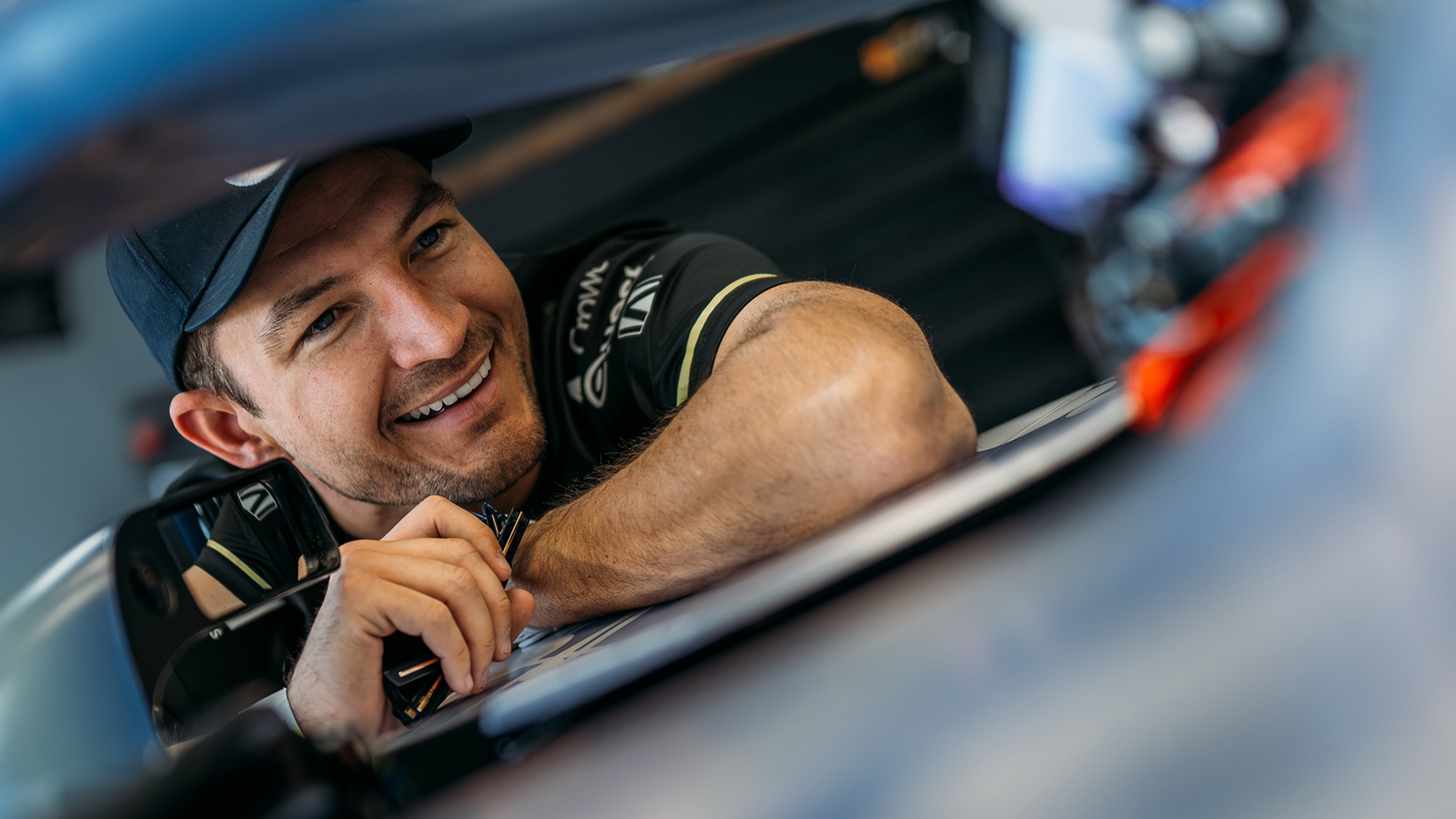
“The car is the smartest piece of technology we have,” Andretti Formula E driver Jake Dennis told me at the Tokyo E-Prix. “It is always telling you when to lift and brake, using lights and beeps in your ears.”
Before a race, teams use simulations to calculate how much energy the car should consume on each lap and where the driver should accelerate, coast and brake.
“At some point, you simply have to trust and follow the car,” Dennis says. “It is a serious piece of equipment.”
The calculation is complicated by the fact that a Formula E car uses considerably more energy during a race than it carries at the start.
“One of the things I love about Formula E is that we start with roughly 50% of the energy actually required to complete the race,” Jaguar TCS Racing team principal Ian James explains.
“Everything else comes through regenerative braking and the energy-management strategy we deploy. That’s something you could never do with a combustion engine.”
That does not mean the battery begins the race half-charged. Instead, the figure compares the energy initially available with the total amount used throughout the event.
During braking, the car’s electric motors become generators, converting some of its kinetic energy back into electricity.
Formula E says its current GEN3 Evo cars recover nearly 50% of the energy required for a race this way.
Saving before spending
Software calculates the theoretically quickest way to use that energy, but the driver must account for competitors, overtaking and track position.
“The engineers have simulations that calculate the fastest way to get from A to B around the lap,” Dennis says.
“It is then up to us drivers to teach or show them a little about raceability, because numbers can never fully calculate what it’s like to have a race car behind you.”
A driver may therefore conserve energy in one section and deploy it somewhere else where defending or overtaking is more important.
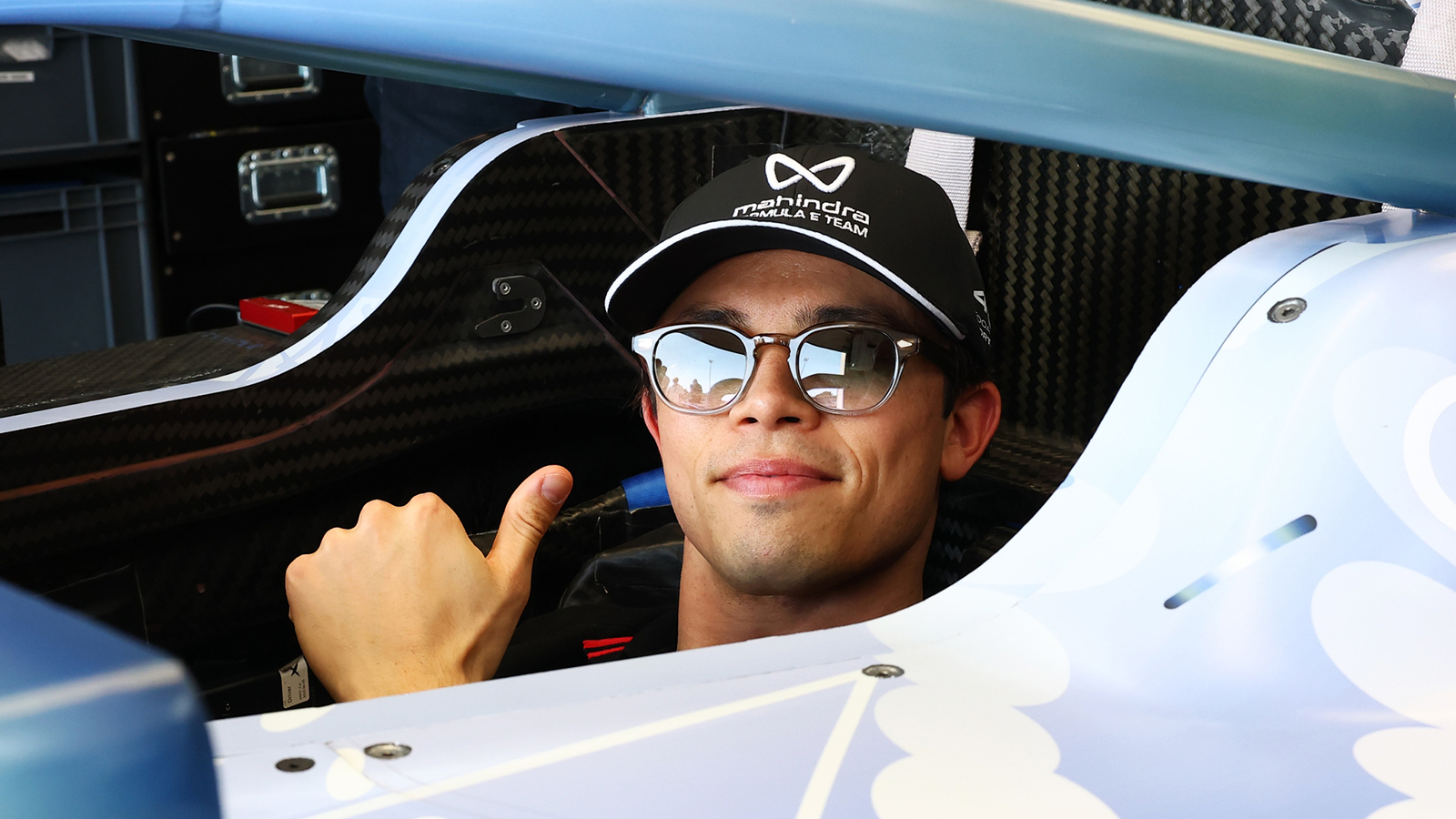
Formula E veteran Nyck de Vries says this is not a skill drivers usually develop while progressing through junior championships.
“We aren’t used to managing energy, managing the draft and saving before spending,” he explains. “It is a very important skill, and some drivers are better at it than others.”
The final 0.1%, then, is not merely what happens to be left in the battery.
It represents how closely the team has predicted the race and how successfully the driver has followed (and occasionally overridden) that plan.