Famous people have been important to the gay rights movement from the beginning, and always will be. Our relationship with them charts the progression towards better times we are enjoying now. In the beginning, a shared love of a performer was a covert signifier of a common interest that went further than just musical taste. From Kenneth Williams through Sir Ian McKellen, Graham Norton and Will Young to Clare Balding and Tom Daley, out celebrities have helped the public accept and understand us and helped us accept and understand ourselves. Across the pond, Ellen has led a cultural revolution of understanding as Caitlyn Jenner is now doing for trans people.
These people are incredibly important and we will always rightly celebrate them. Sometimes, though, we’re less good at celebrating those people who work hard in the community at the grassroots level, those who affect peoples’ lives directly. That’s why tonight Attitude magazine, which I edit, will be honouring 12 extraordinary ordinary people making a difference in the community.
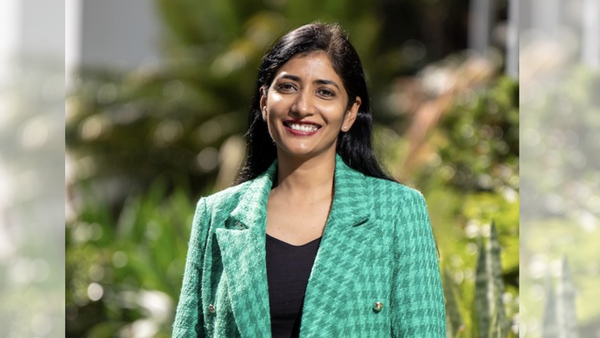
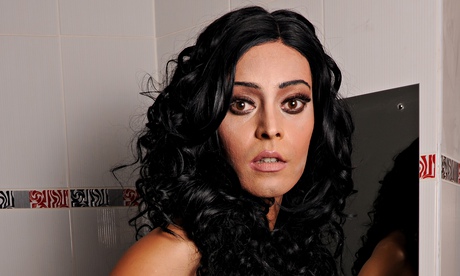
People like Toni Hogg who manages the tiny London LGBT drugs and alcohol charity Antidote, part of London friend, which scrabbles for pounds in order to save lives every week. Or Asifa Lahore, a Muslim drag queen who, as his day job, works for the Naz Project, which offers sexual health services to black and minority ethnic people, a group that has higher rates of HIV infections than its white counterparts.
Then there are others who deserve recognition just for surviving experiences that most of us cannot even comprehend; such as Moud Goba, who claimed asylum from her native Zimbabwe where she lived under threat of “corrective rape”, and has dedicated her life here to helping Africans and others at the UK Lesbian and Gay Immigration Group. For this special issue of Attitude we have put Toni, Asifa and Moud and eight other winners on the cover.
In the race to get equal rights that has dominated the LGBT narrative over the past 30 years, people at the grassroots seem to have been left, to some extent, out of the party – and more importantly, the groups they represent or are supported by have been sent to the back of the queue for cash. I attended one of Antidote’s drop-in sessions and they are breathtaking. They help people who have a relatively minor habit through to those with very serious problems who need intensive support. Most of us would not have the patience or compassion to give the help that’s needed, but Toni and her phenomenal staff and volunteers do, month in month out.
It might be hard to understand why some people need a specific LGBT drugs and alcohol service. But many men are using drugs in a sexualised context and don’t feel comfortable talking openly about their problem at generic services, whose staff may not have the experience to understand their using. When people are oppressed because of their sexuality the damage to their self-esteem doesn’t always manifest in ways that are palatable to those who prefer the wholesome, wedded domestic bliss image of gay people that has become prevalent.
Don’t get me wrong: that’s an improvement on being portrayed as wicked perverts, but countless studies, most recently the five-year PACE RaRE study published this year, show that LGBT people still have higher levels of anxiety, depression and problematic drug and alcohol misuse. A minority, true, but there is a problem that doesn’t seem to be adequately addressed by the bigger organisations, some of whom receive millions of pounds every year.
Organisations such as Antidote, on the other hand, operate on less than £80,000 per year. Or there’s Space Youth Project in Bournemouth, which offers vital help to kids coming out, or The Crescent in St Albans, which supports people who are HIV positive and their families. These groups should be getting more help. They need it. As Antidote gets better known more and more people are likely to turn up at its doors.
This weekend as London celebrates Pride there will be lots of rainbow flags: on buses and cabs, in the street, lighting up the London Eye. Visibility is great. It makes us feel warm and fuzzy, but there are good people across the country doing vital, life-saving work, desperate for support. They deserve a spotlight too.