The death toll in Bangladesh rose to 51 on Monday after heavy rains triggered floods and landslides in the country’s southeastern parts, leaving more than a million marooned, officials said.
Authorities have reported flooding across seven districts – Chattogram, Cox’s Bazar, Bandarban, Rangamati, Khagrachhari, Moulvibazar and Habiganj, as days of torrential monsoon rains have taken their toll on daily life.
In the capital Dhaka, the weather agency said 175mm of rainfall was recorded in the 24 hours period that ended on Monday morning 6am, the highest seen in the country during this period.
At least 28 people – including women and children – have died in Cox’s Bazar, which recorded the highest death toll in the country, out of 51 total reported deaths since 6 July, officials said. The Cox’s Bazar district is home to more than a million Rohingya refugees.
Last week, authorities in the Rohingya refugee camps used loud speakers and a network of volunteers and community leaders to relocate people from risky areas to safety after landslides killed over a dozen refugees.
The rains are expected to ease on Tuesday and Wednesday but showers are expected to continue in most parts of the country, a Bangladesh Meteorological Department official said, reported The Daily Star.
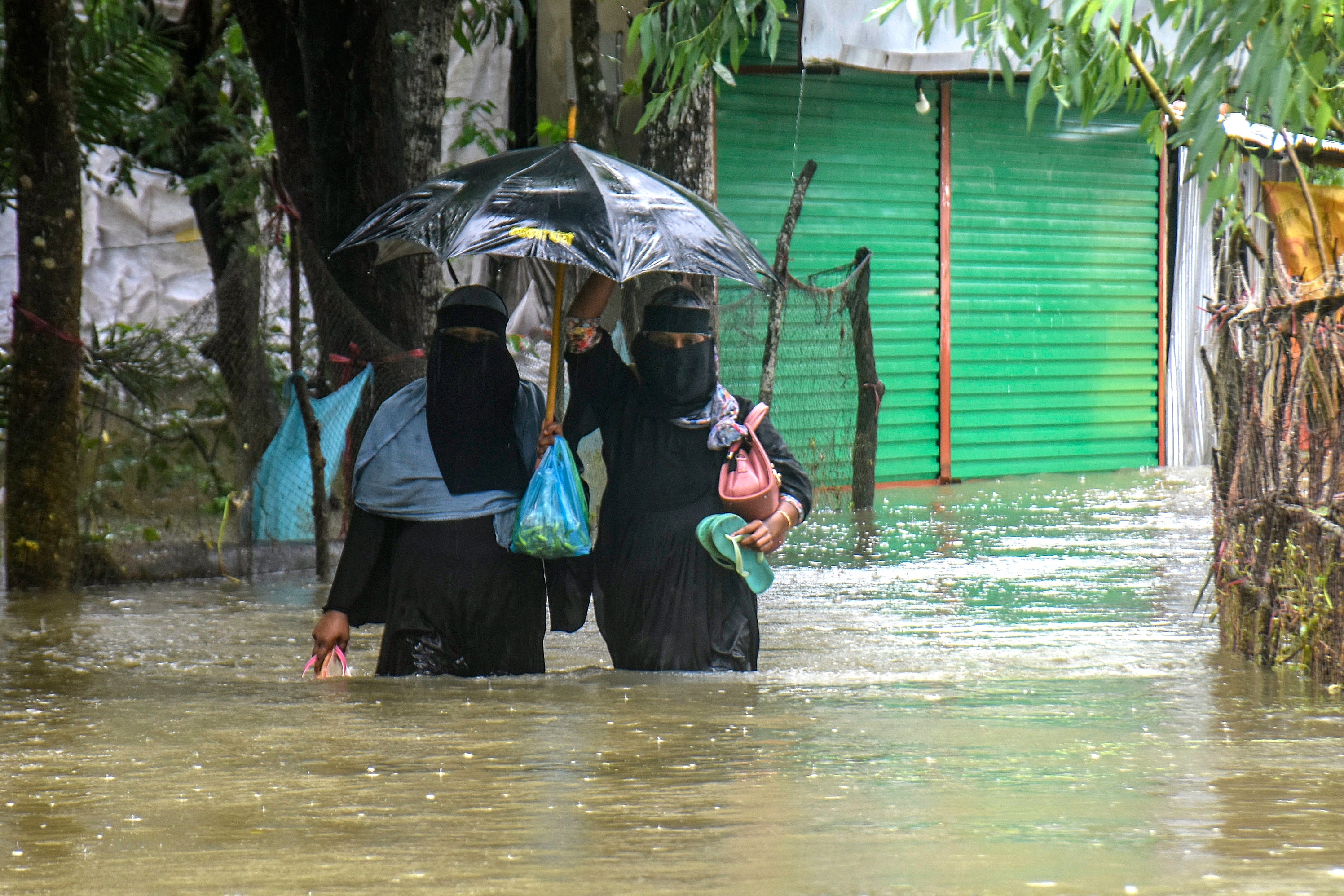
At least 267,918 families have also been affected, while flash floods and landslides due to the torrential monsoon downpour have caused widespread damage to crops, roads and highways, a senior official from the ministry of disaster management and relief told the Xinhua news agency.
"The government is doing everything possible to support flood victims. Relief, safe drinking water and medical supplies are being distributed, and we urge people whose homes have been inundated to move to the nearest shelter," disaster management and relief minister Iqbal Hossain said on Saturday, during a visit to affected areas in Chattogram.
Disaster response teams have been mobilised to carry out rescue operations, distribute relief materials and manage shelters where nearly 50,000 people have taken refuge, the official said.
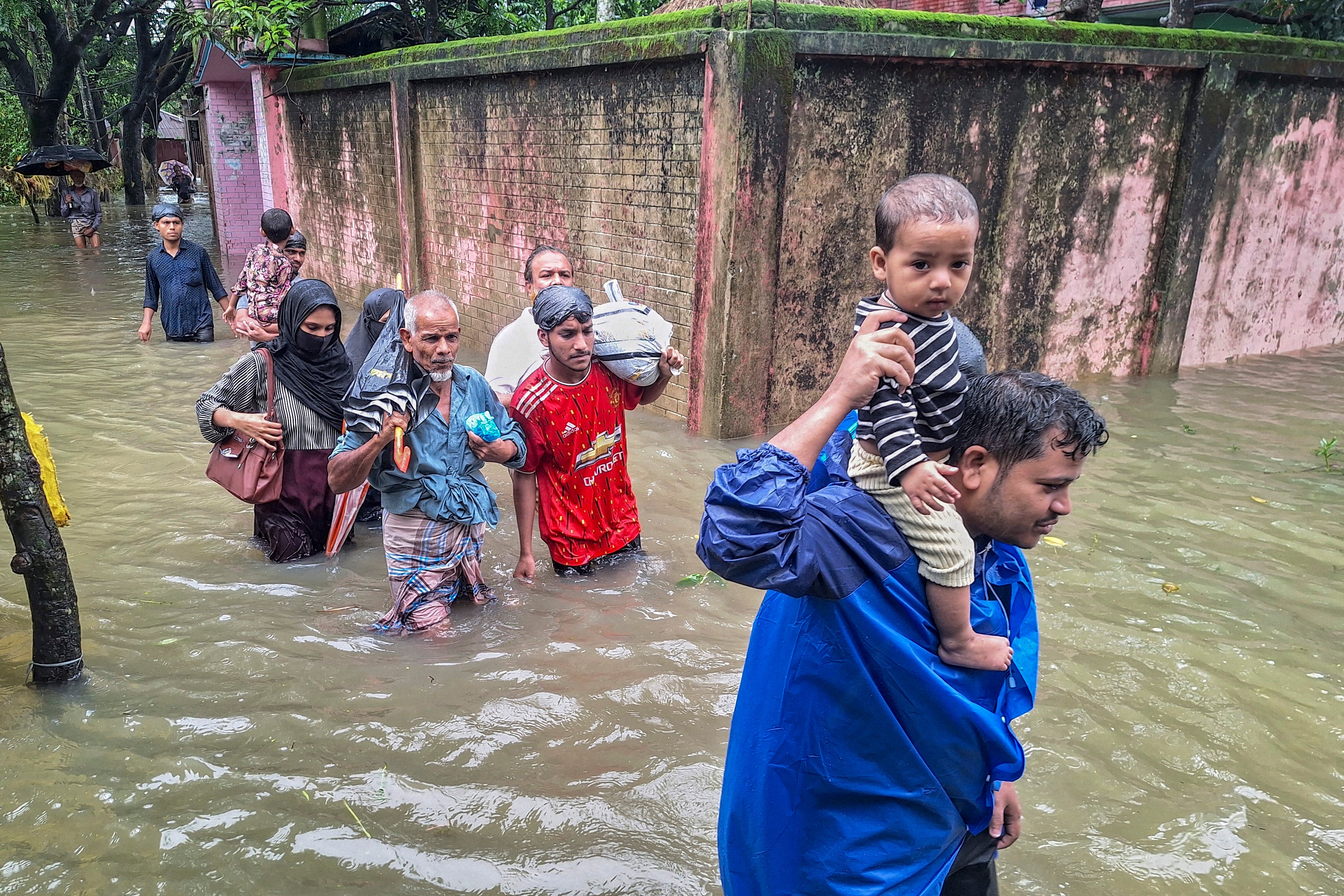
Power outages, damaged roads and broken communication links have slowed rescue and relief efforts.
Many residents said they have been unable to cook for days as flood waters submerged their homes.
“There is still water inside our home and we have no way to cook. The dry food we had has run out, and we spend the nights in the dark with our children because there is no electricity,” said Nurul Islam, a resident of a flood-hit area in Chattogram.
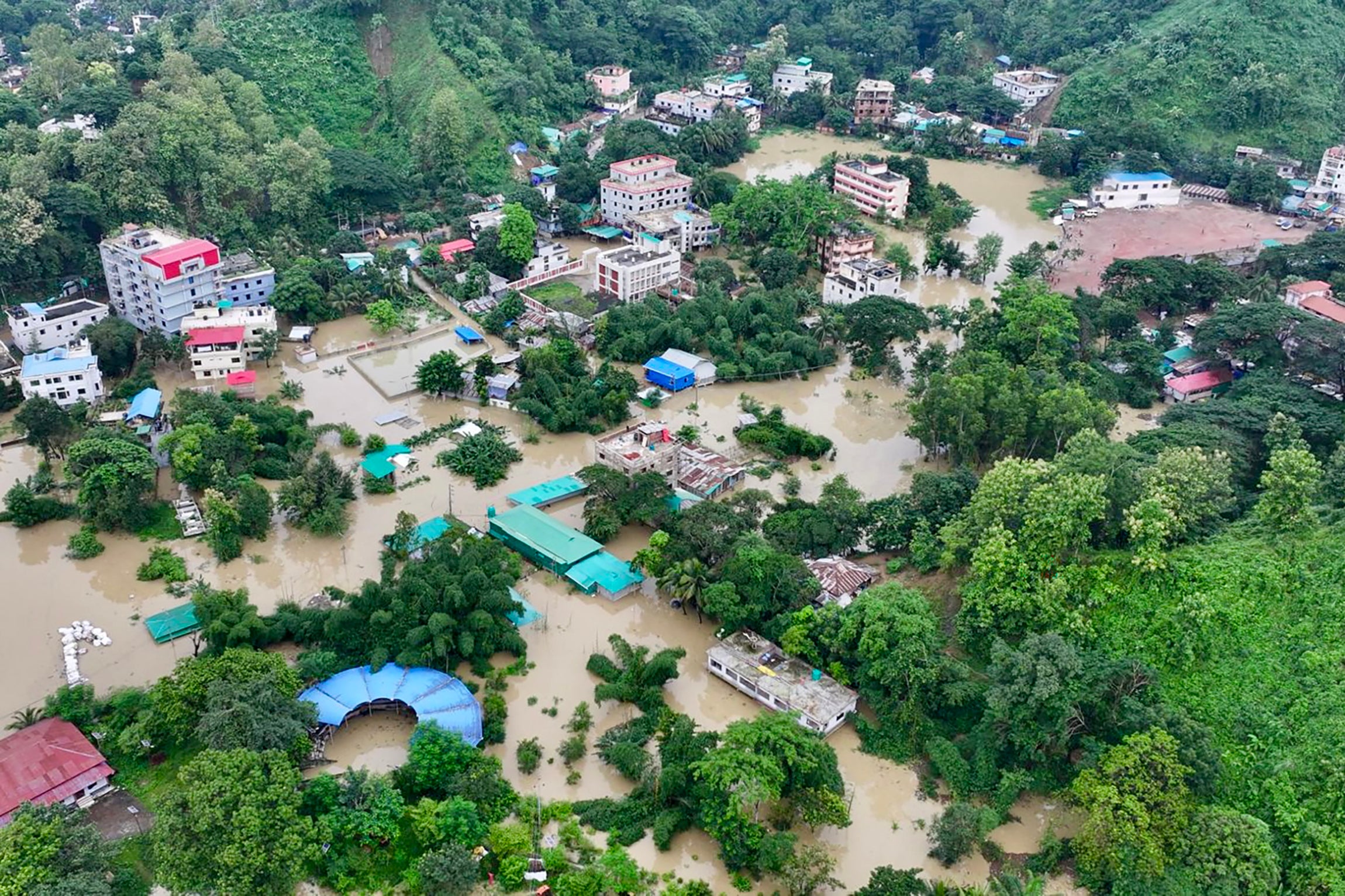
Families across the impacted areas are relying on dry food, flattened rice, puffed rice or biscuits that do not require cooking and emergency relief.
The Bangladeshi government has also deployed the army and navy personnel for ferrying food, drinking water, medicines and other essential supplies by boat to isolated communities, as authorities step up relief efforts.
Bangladesh is one of the world’s most disaster-prone countries, with seasonal monsoon rains regularly causing floods, river erosion and landslides. Scientists say climate change is making extreme rainfall more frequent and intense, increasing the scale and severity of such disasters.