Lightning has killed at least 14 people in a single day in eastern India, most of them farm workers caught in open fields during the heavy monsoon that has flooded several parts of the country.
Ten of the deaths were in Giridih district in Jharkhand, a state of about 40 million people in India's mineral belt, where most of the country's coal is mined. At least seven others were injured in the strikes on Tuesday, police said, and India's weather office has forecast widespread rain across the state over the coming days.
Farm workers made up most of those killed in Giridih. The monsoon, which runs from June to September and delivers about three-quarters of India's annual rainfall, is also the busiest season in the fields, so the storms arrive when the greatest number of people are outdoors with no shelter within reach.
Lightning is the deadliest weather hazard in India. It killed 2,825 people in 2024, more than a third of all deaths attributed to natural forces that year and more than heat, cold and floods combined, according to the National Crime Records Bureau, which compiles the figures from police reports. Its records show more than 100,000 people killed by lightning since 1967, with more than half of those deaths since 2005.
Jharkhand is among the worst-affected states, along with Madhya Pradesh, Bihar, Odisha and Uttar Pradesh. More than 200 people died there last year, mainly in strikes associated with thunderstorms, the India Meteorological Department said in January.
Research by the Climate Resilient Observing Systems Promotion Council, a non-profit body that works with the earth sciences ministry, found that almost all lightning deaths in India happen in villages, and that children account for about 38 per cent of those killed.
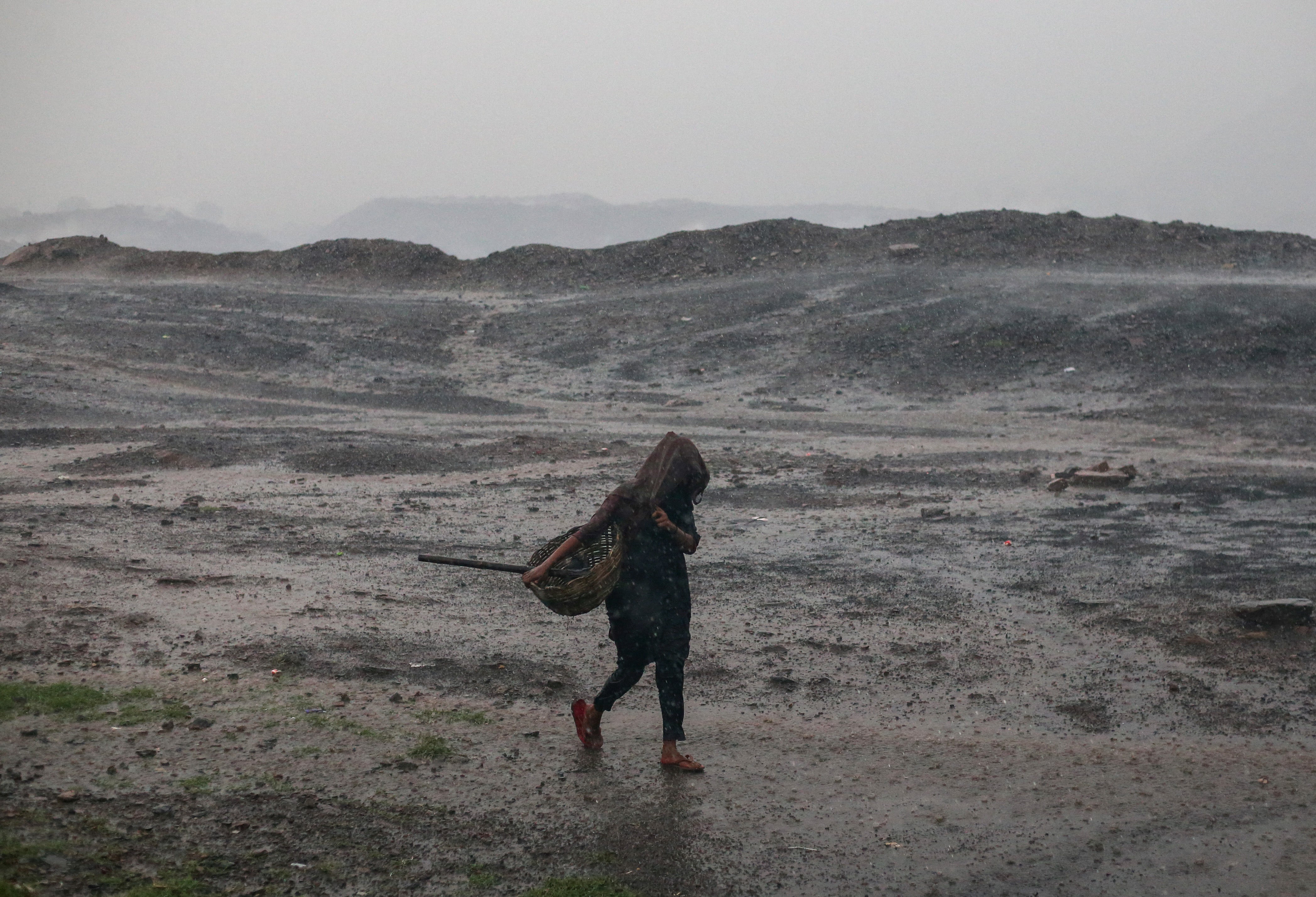
Scientists link the rising toll to global warming.
Higher temperatures put more water vapour into the air, which releases more energy as it rises and cools, building the tall storm clouds in which lightning forms.
A study led by Fakir Mohan University in Odisha found a steady increase in lightning activity across India and described the pattern as increasingly unpredictable, with the average number of deaths per state rising from 38 a year between 1967 and 2002 to 61 between 2003 and 2020.
The deaths in Jharkhand add to a monsoon season that has already been unusually destructive across India.
Floods in Assam, in the far north-east, killed nearly 90 people in July, while cloudbursts and landslides in the Himalayan north over three days in the middle of the month killed more than 50 across Jammu and Kashmir, Uttarakhand and Nagaland, among them 20 workers who died when a tunnel under construction in Sikkim collapsed.
Three Hindu pilgrimages were suspended.
This week, 15 people died and thousands were displaced in Kerala in the south-west after landslides and flash floods, taking the run of disasters from one end of the country to the other.
Deaths from lightning are almost entirely preventable, and Indian officials have pushed for years for better early warning. The weather office sends alerts by text message and through a mobile application, but coverage is patchy in rural areas and the warnings often reach people who have nowhere to go, since fields, thatched huts and trees offer no protection.